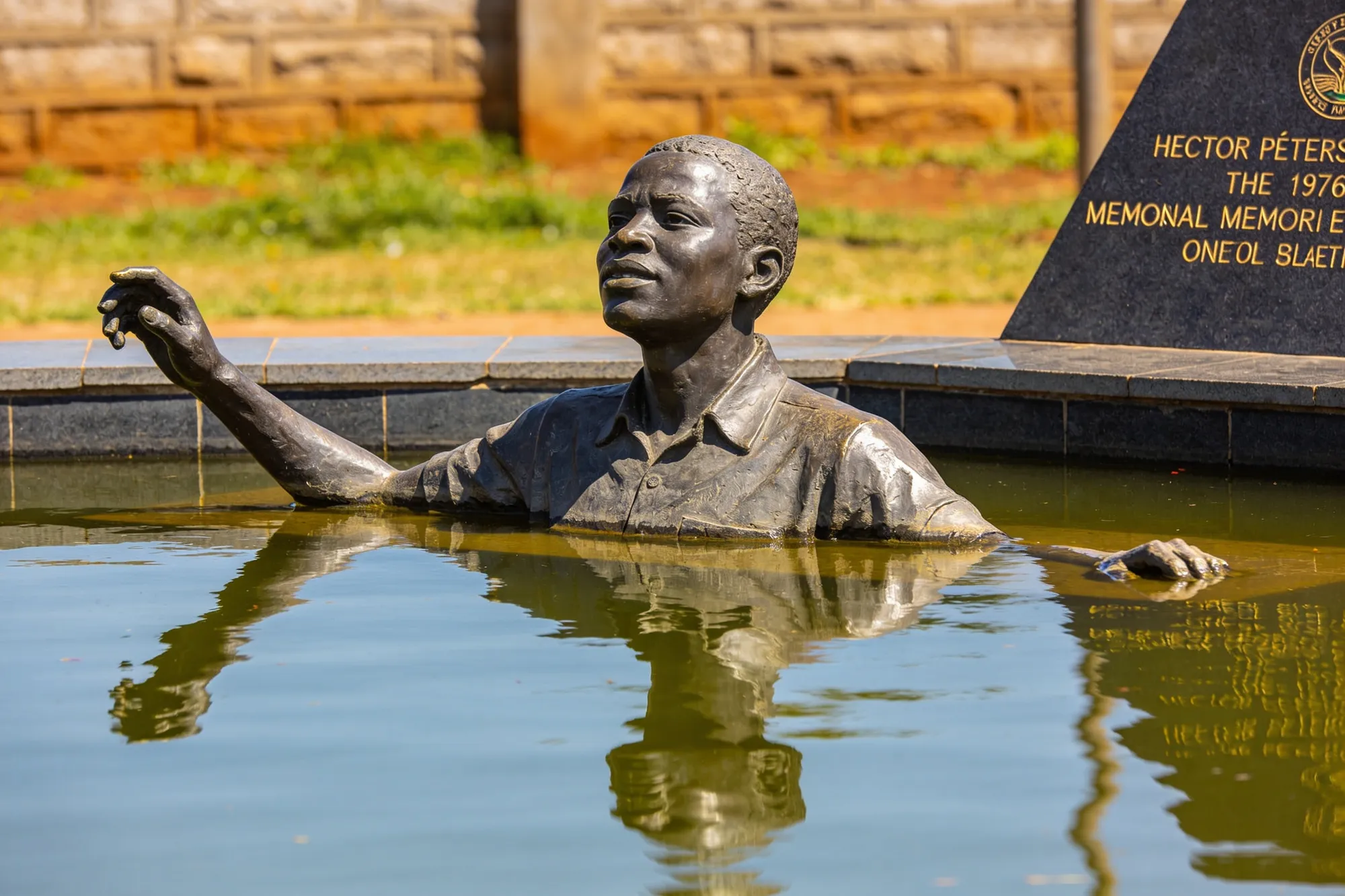
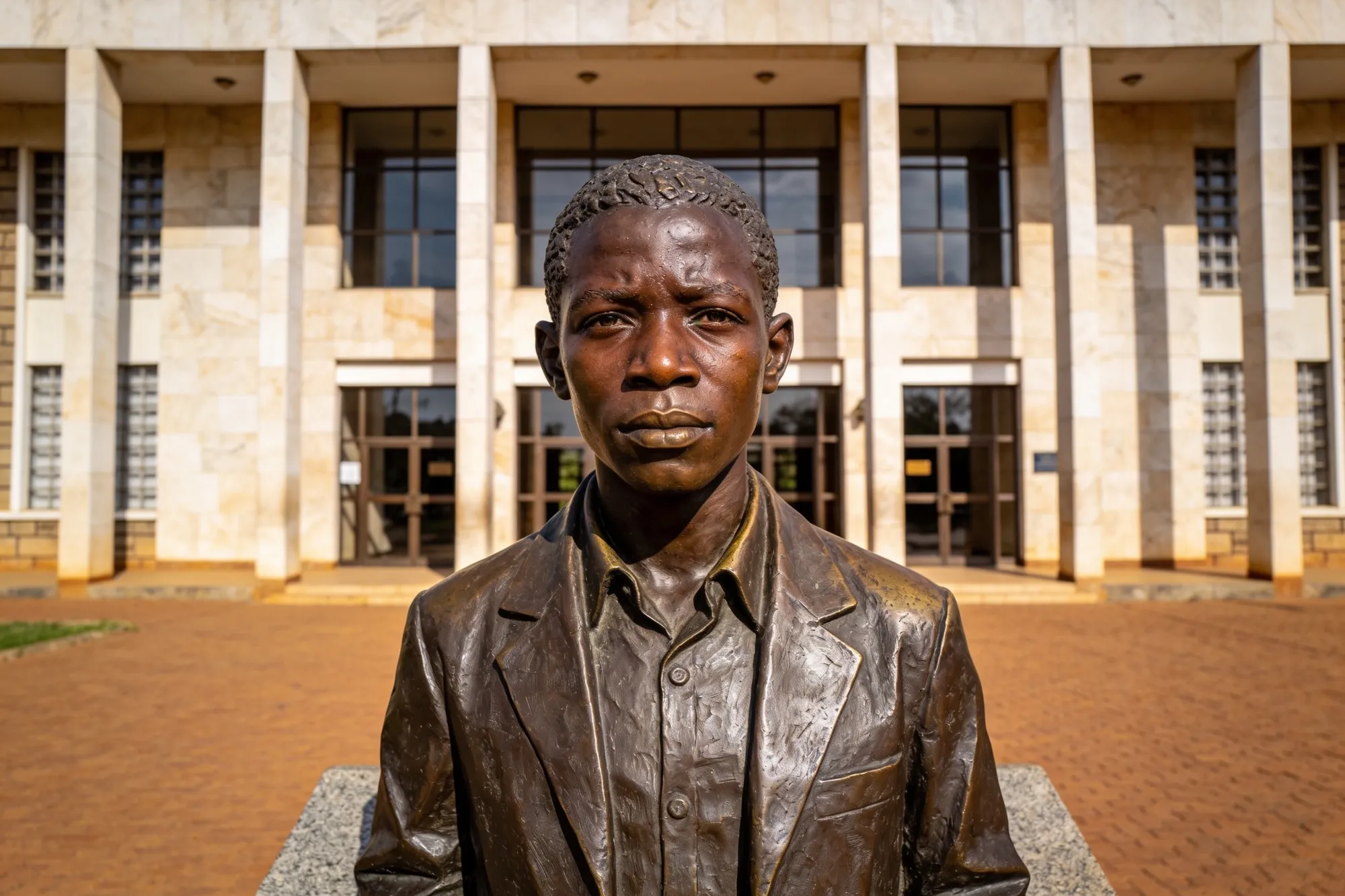
Soweto is South Africa’s most famous township, and the place where apartheid started to come apart. Built southwest of Johannesburg to house Black workers far from the white city, it grew into a place of millions, and it was Soweto’s schoolchildren who, on 16 June 1976, marched against being taught in Afrikaans and were met with police bullets. The image of a dying Hector Pieterson carried through the streets turned the world against the regime.
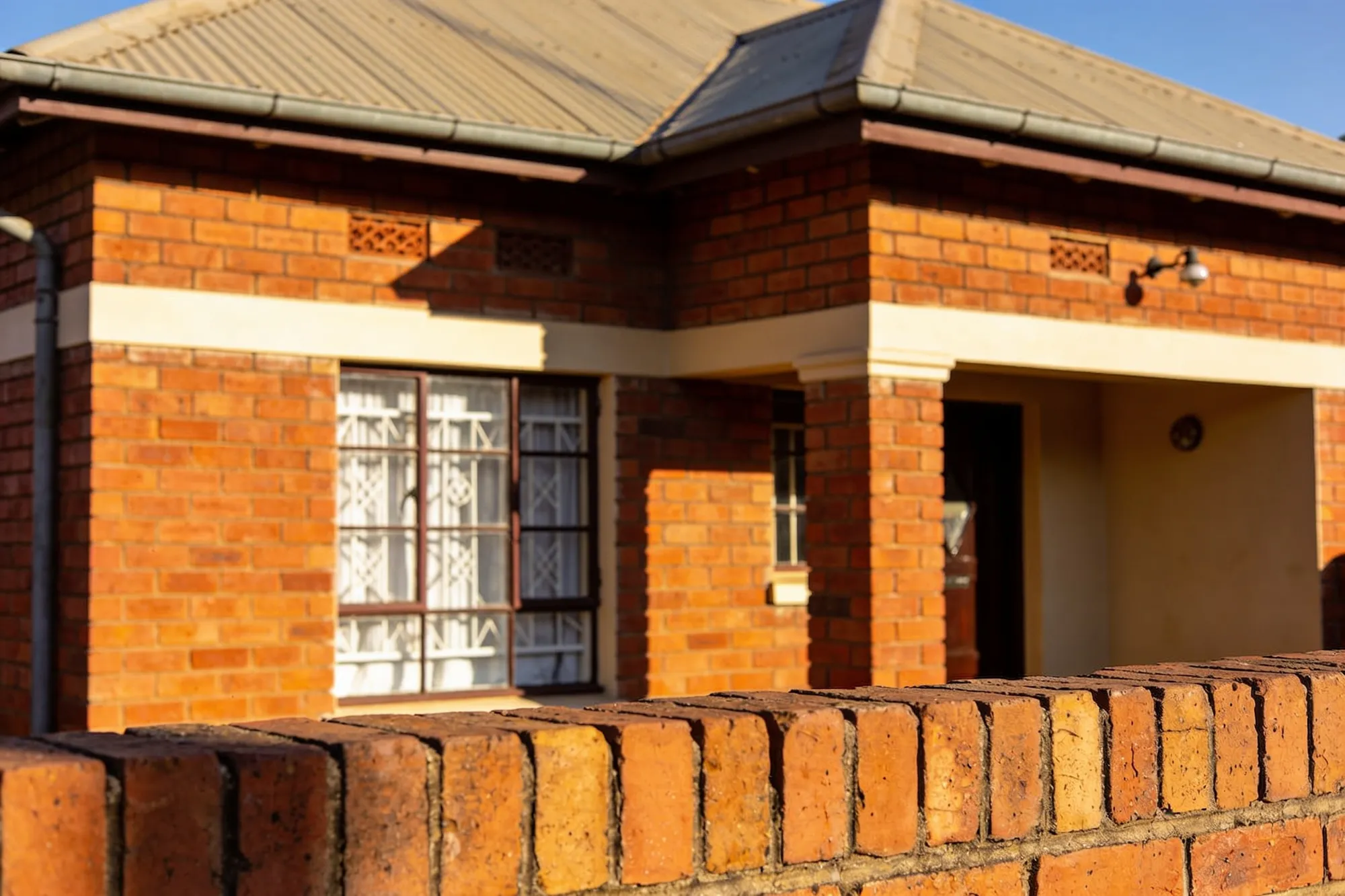
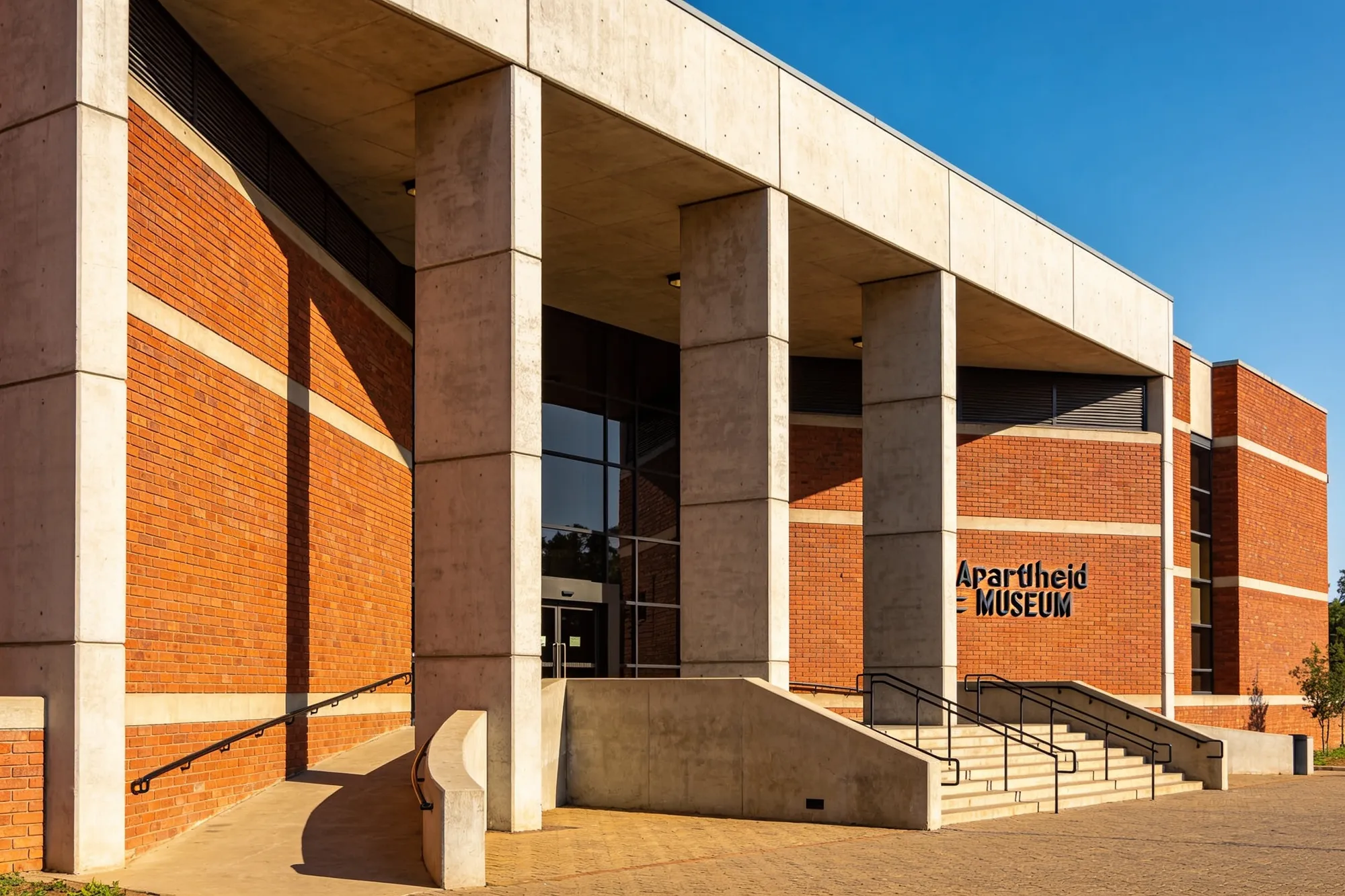
The history is easy to find on Vilakazi Street in Orlando West, the only street anywhere to have housed two Nobel Peace laureates. Nelson Mandela’s old home is now a museum, with Desmond Tutu’s house a short walk down the road, and the Hector Pieterson Museum and memorial sit around the corner. Together they tell the story of the uprising and the long fight that followed.
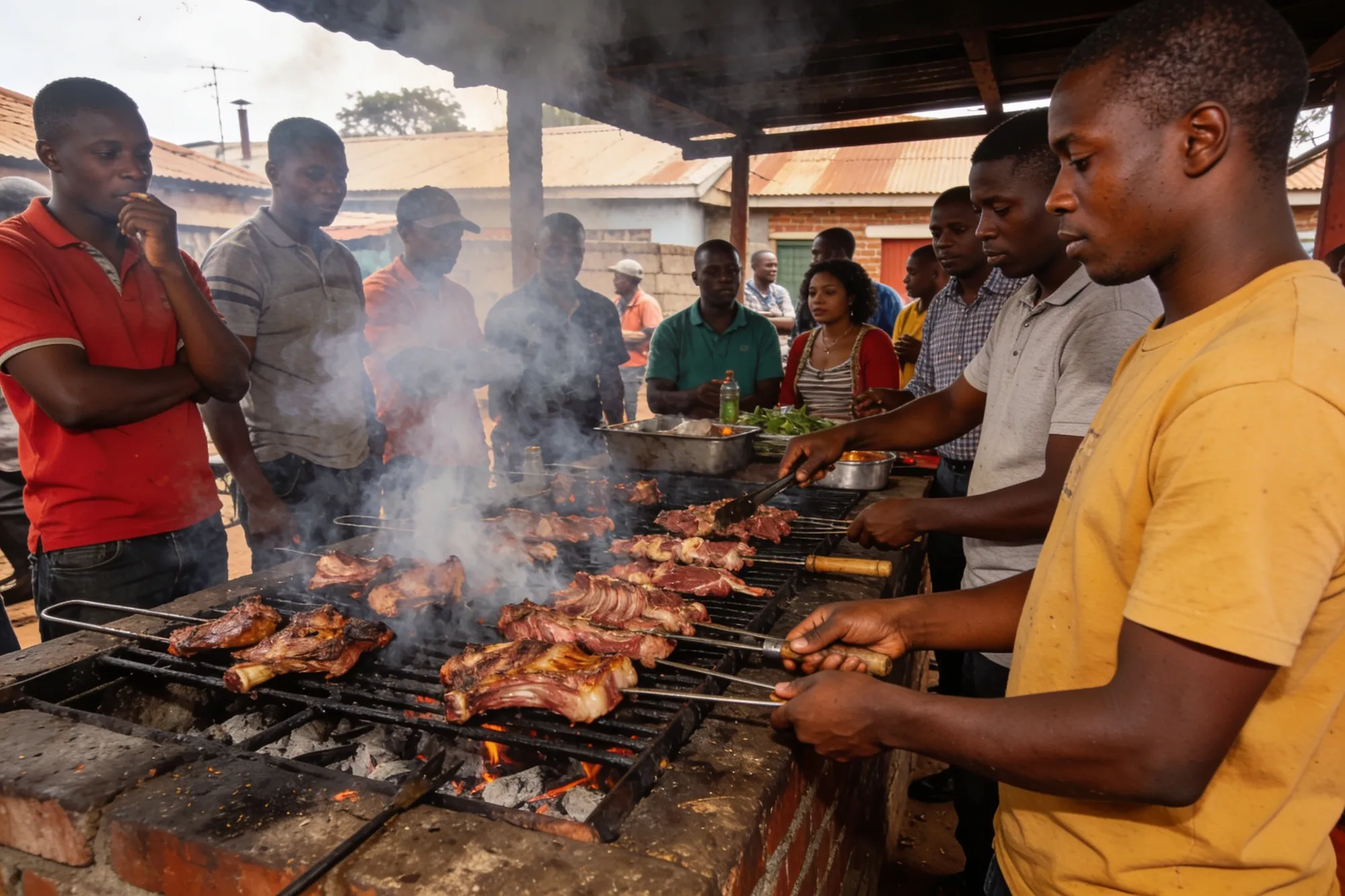
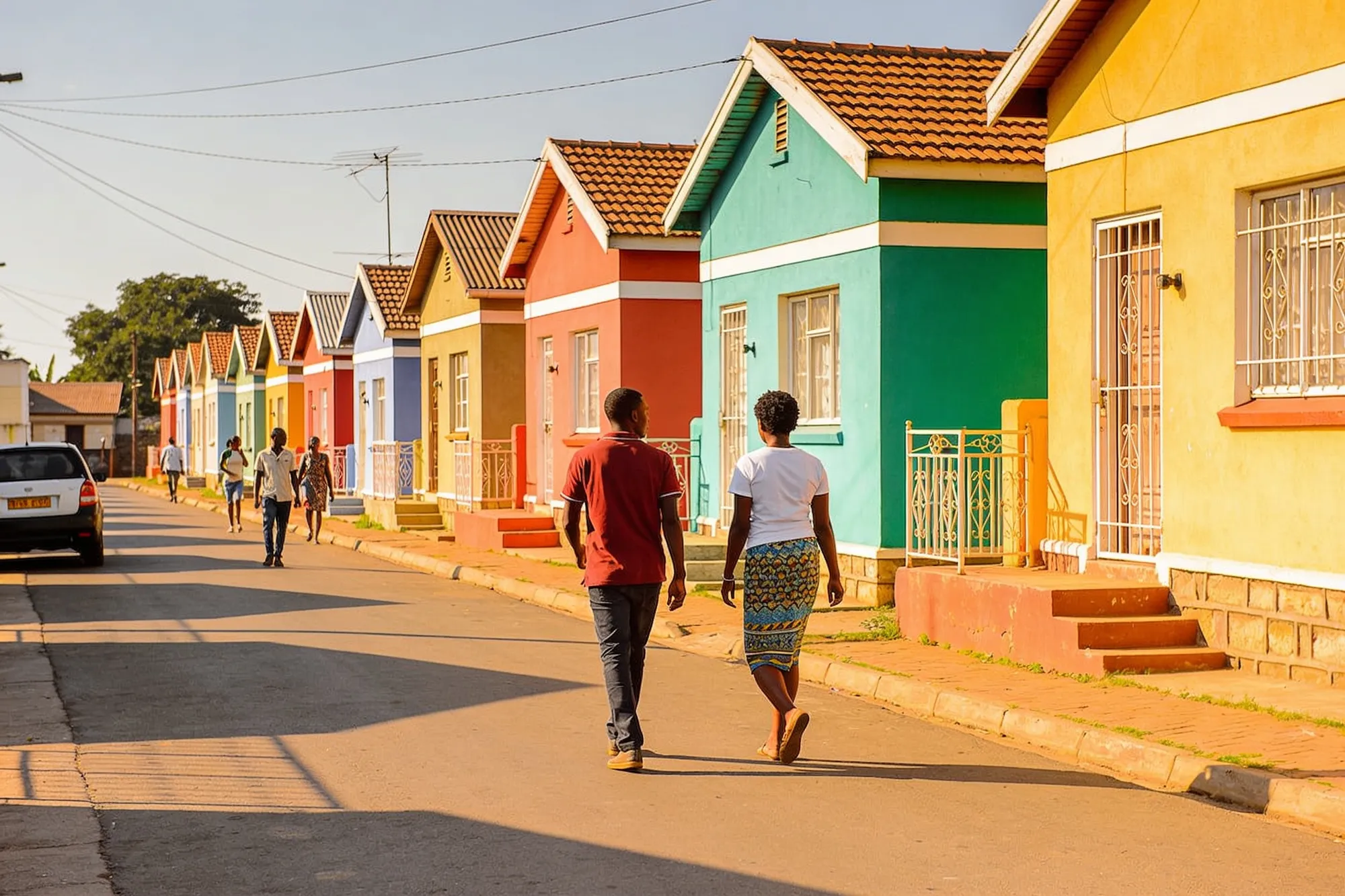
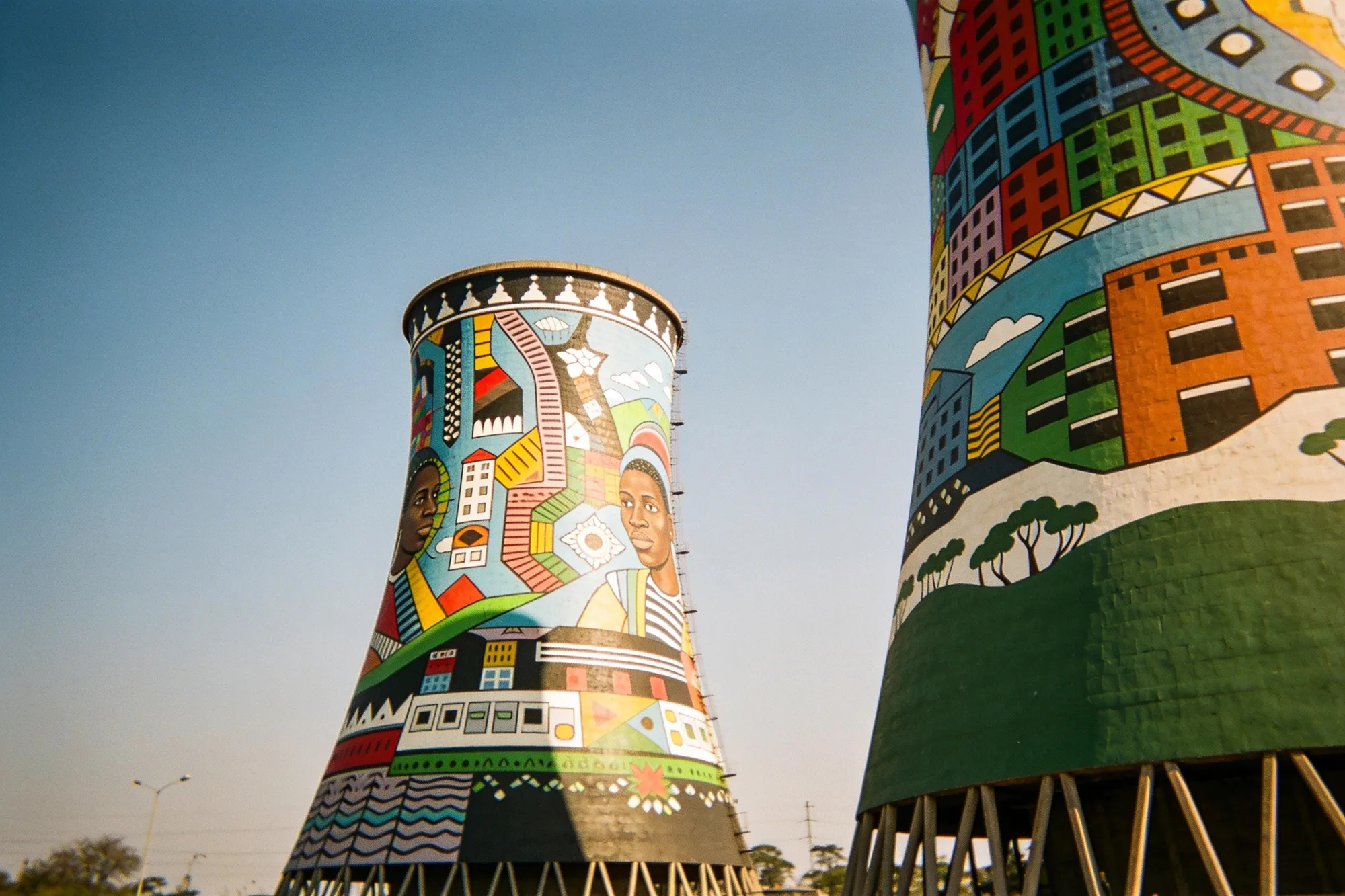
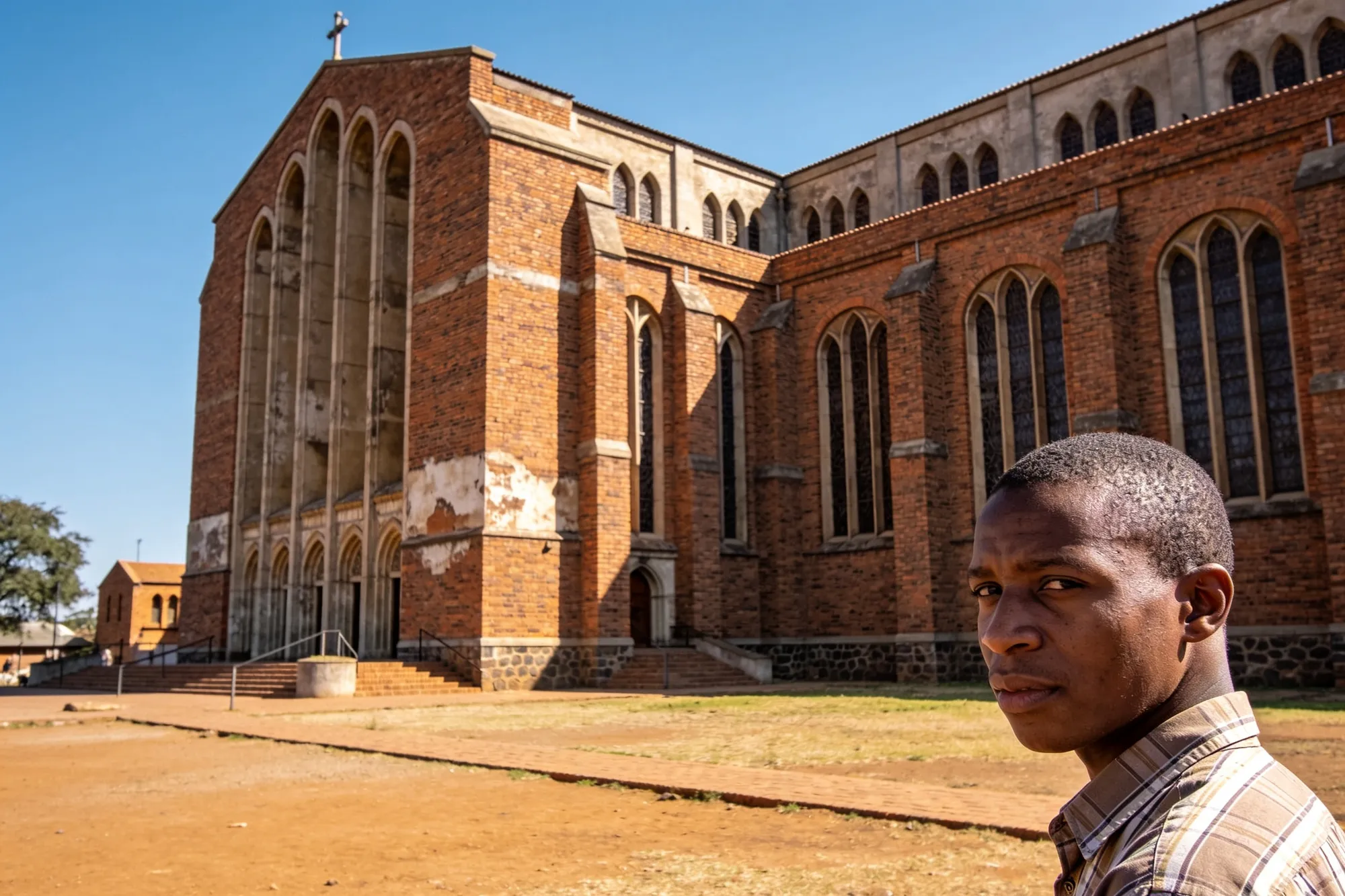
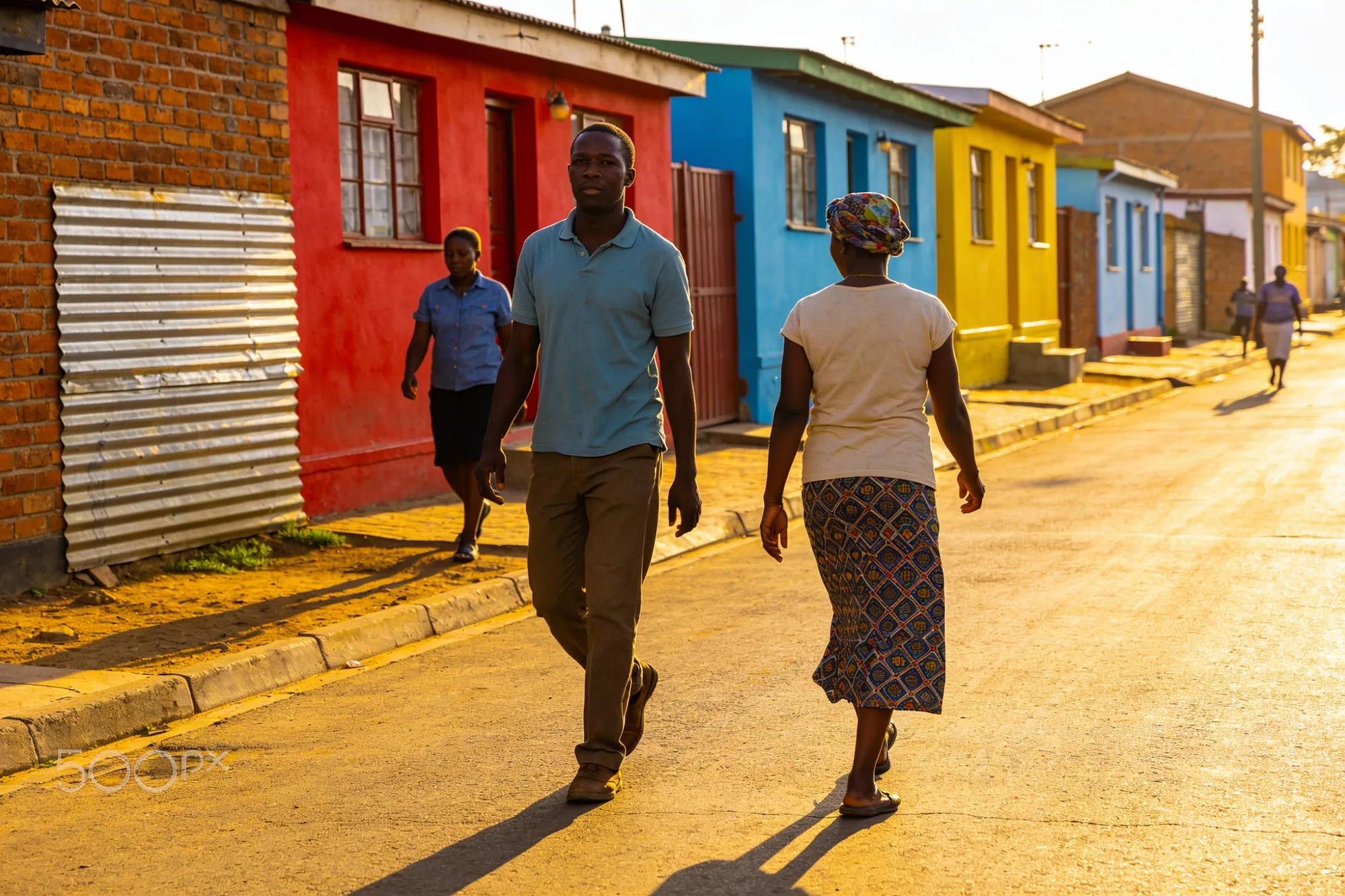
What the monuments don’t show is that Soweto is a living city, not a memorial. Vilakazi Street has grills, bars and live music, and a guide who lives there will take you past the headline sights to the Regina Mundi church, the painted Orlando cooling towers and the everyday streets where it all still plays out. Go by day, go with a local, and Soweto becomes the most worthwhile half-day in Johannesburg.