01 — Memory
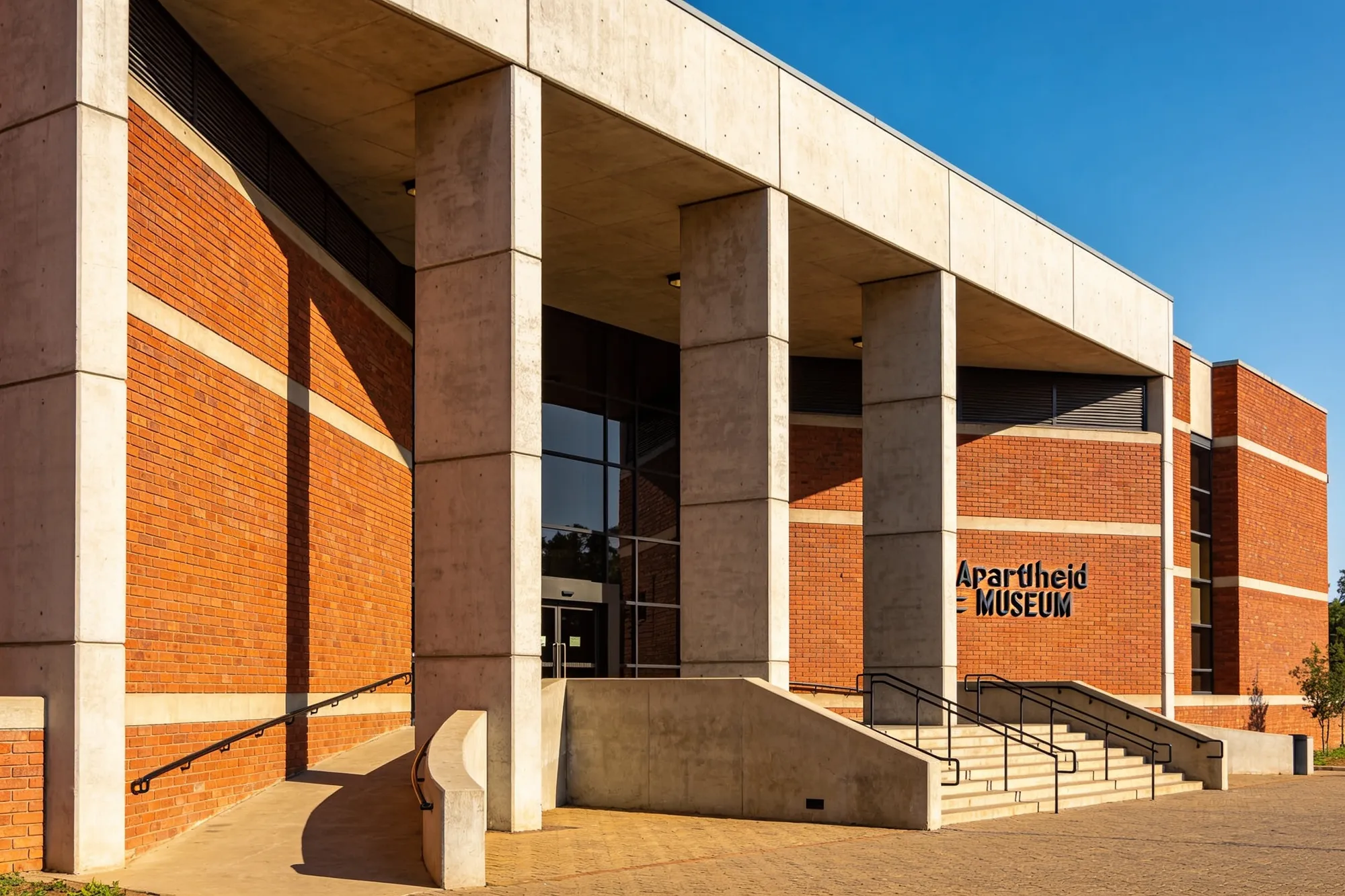
Apartheid Museum
The place to begin. A clear, unflinching telling of apartheid and the road to democracy, built around personal stories. Allow about three hours, and go before anything else in the city.
Read the visitor guide →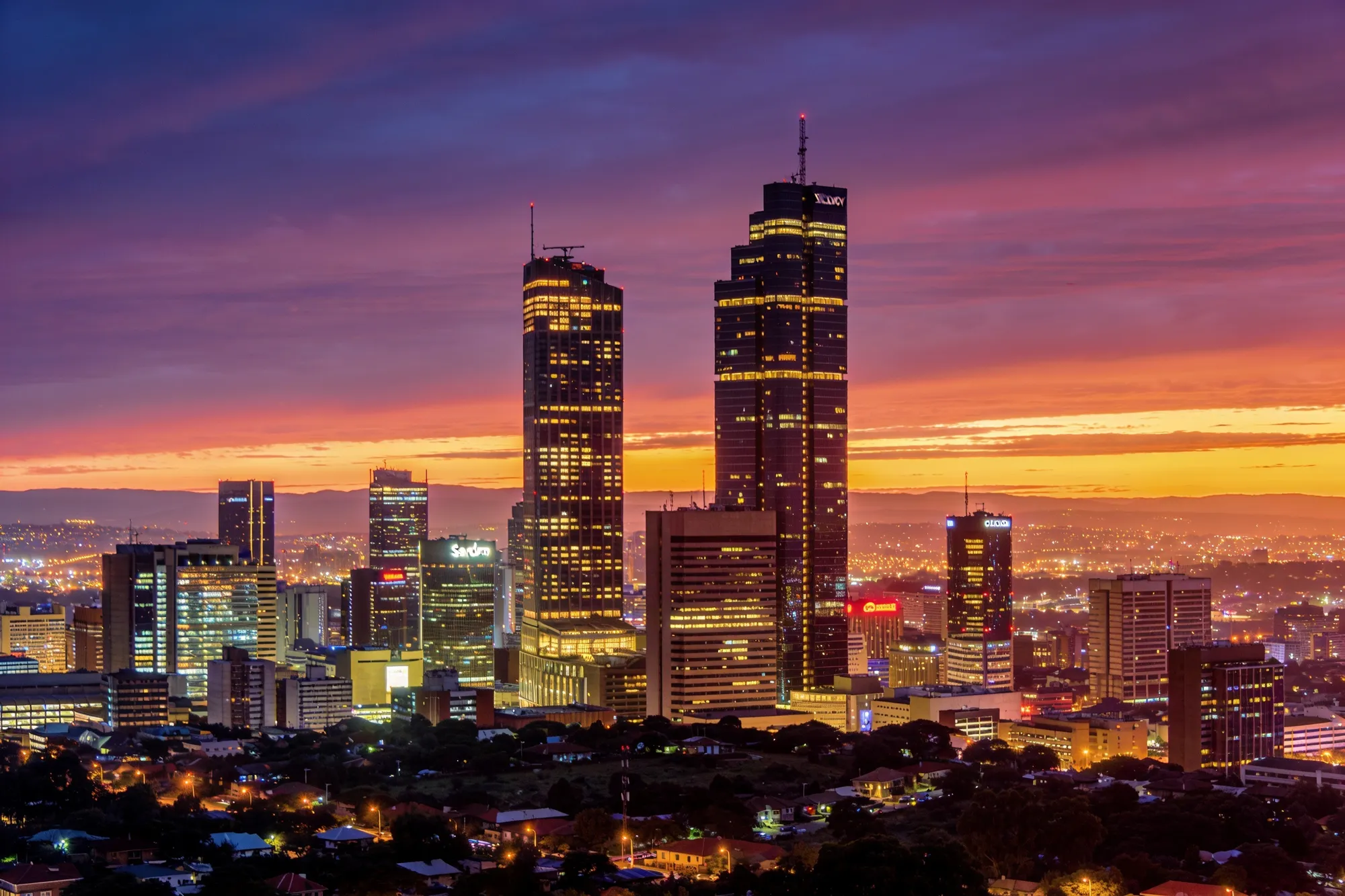
South Africa's biggest city and its main gateway. Joburg tells the country's story most directly, from the Apartheid Museum to Soweto, with a fast-changing creative side and easy safaris on the doorstep.
Most trips to South Africa land in Johannesburg, and plenty of people treat it as a place to pass through. Give it a day or two and it pays you back, because nowhere tells the country’s story more directly. This is where apartheid was enforced and then dismantled, and the museums and townships here put the rest of the trip in context.
Start with the Apartheid Museum and Constitution Hill, then spend a morning in Soweto with a local guide: Mandela’s old house on Vilakazi Street, the Hector Pieterson memorial, and the everyday life of South Africa’s most famous township. The creative city is the other half, around Maboneng and Braamfontein, with street art, weekend markets and a restaurant scene that has nothing to prove.
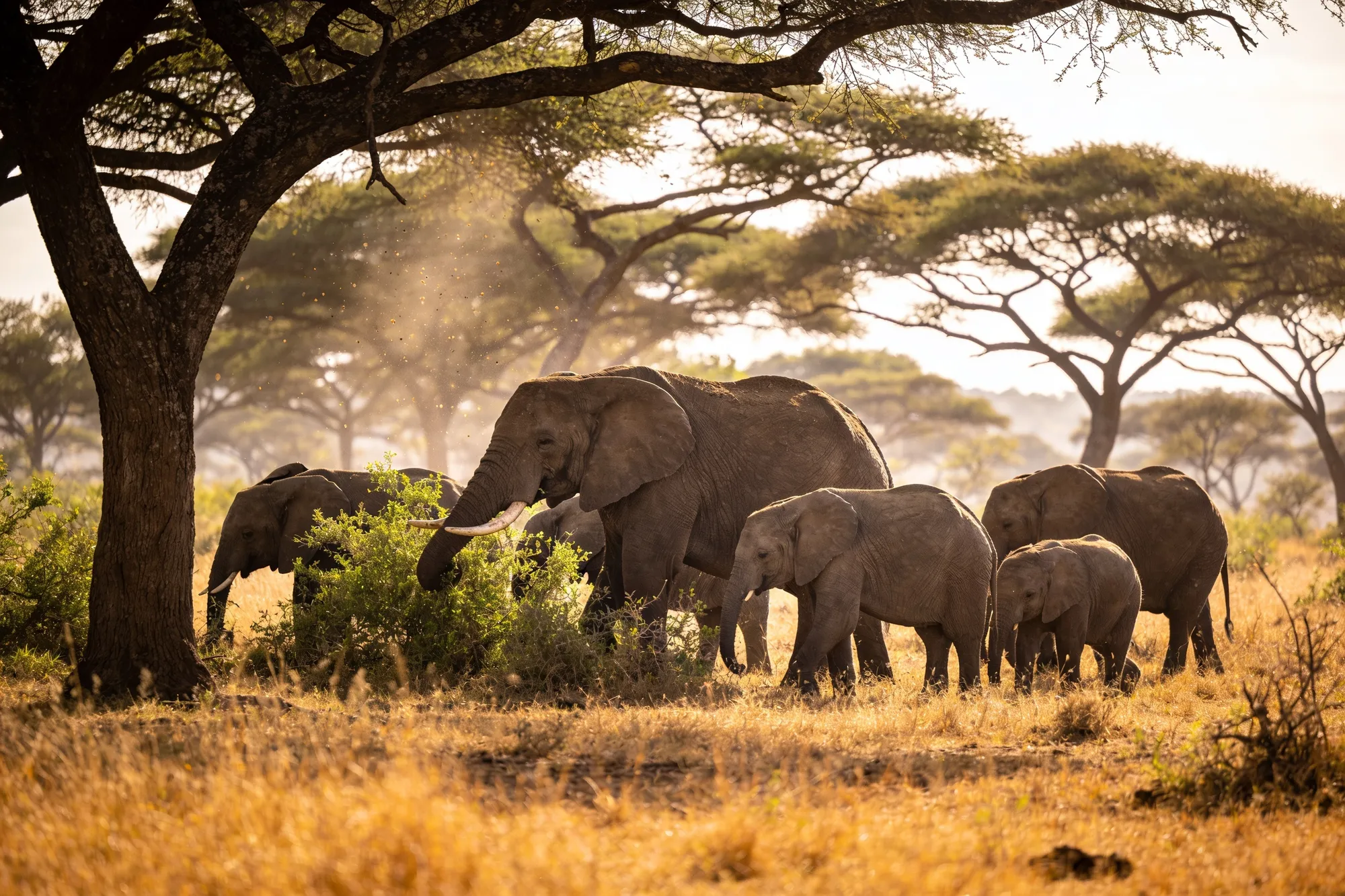
Joburg also makes an easy safari base. Pilanesberg is a malaria-free Big Five reserve about two and a half hours away, doable in a long day, and Pretoria and the Kruger gateways are close too. Most travellers sleep in the safe northern suburbs, Sandton or Rosebank, and get around by Uber and the Gautrain.
The place to begin. A clear, unflinching telling of apartheid and the road to democracy, built around personal stories. Allow about three hours, and go before anything else in the city.
Read the visitor guide →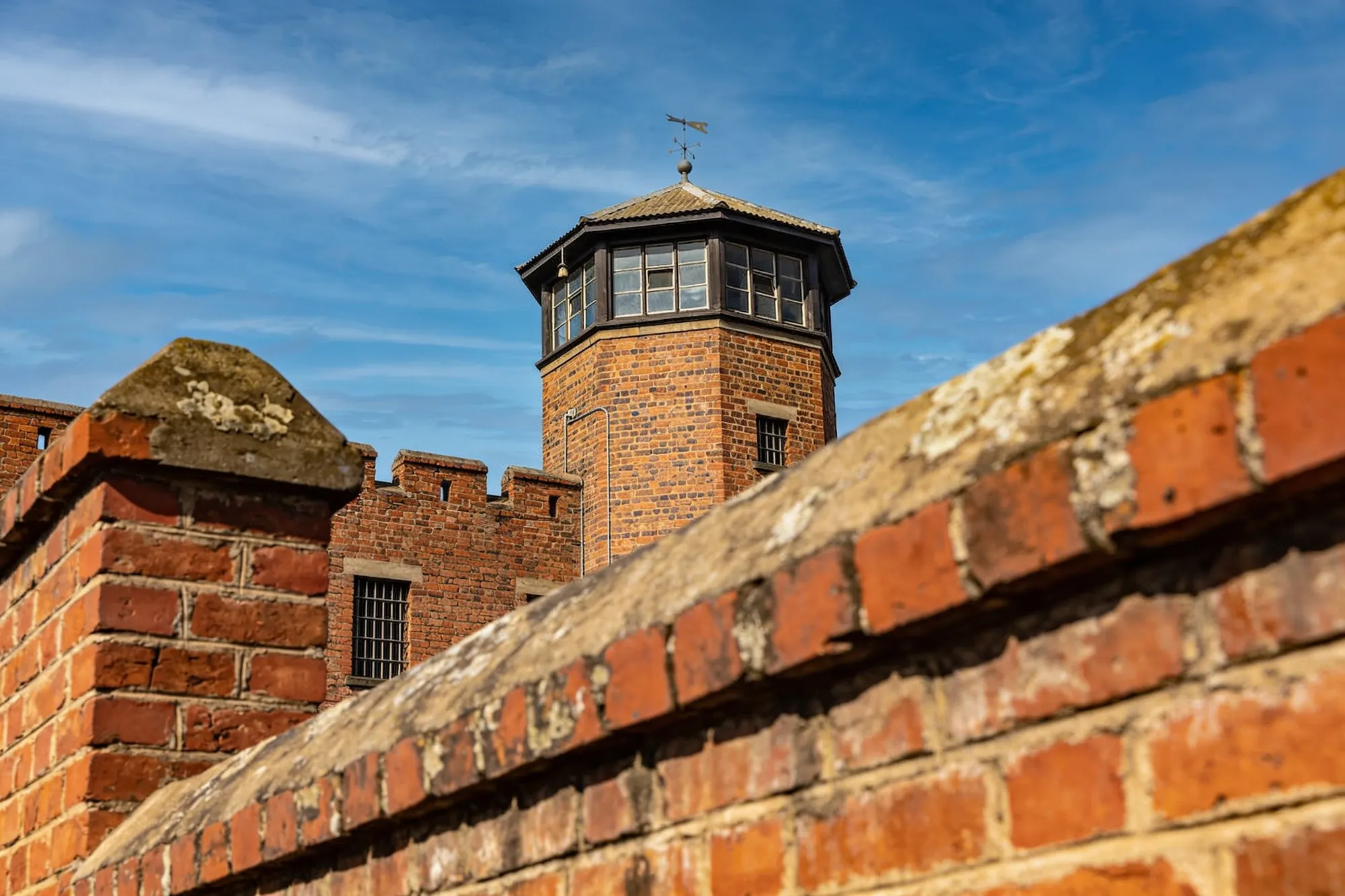
A former prison, the Number Four, that held Mandela and Gandhi, now the seat of the Constitutional Court. The contrast between the cells and the court is the whole South African story in one site.
Read the visitor guide →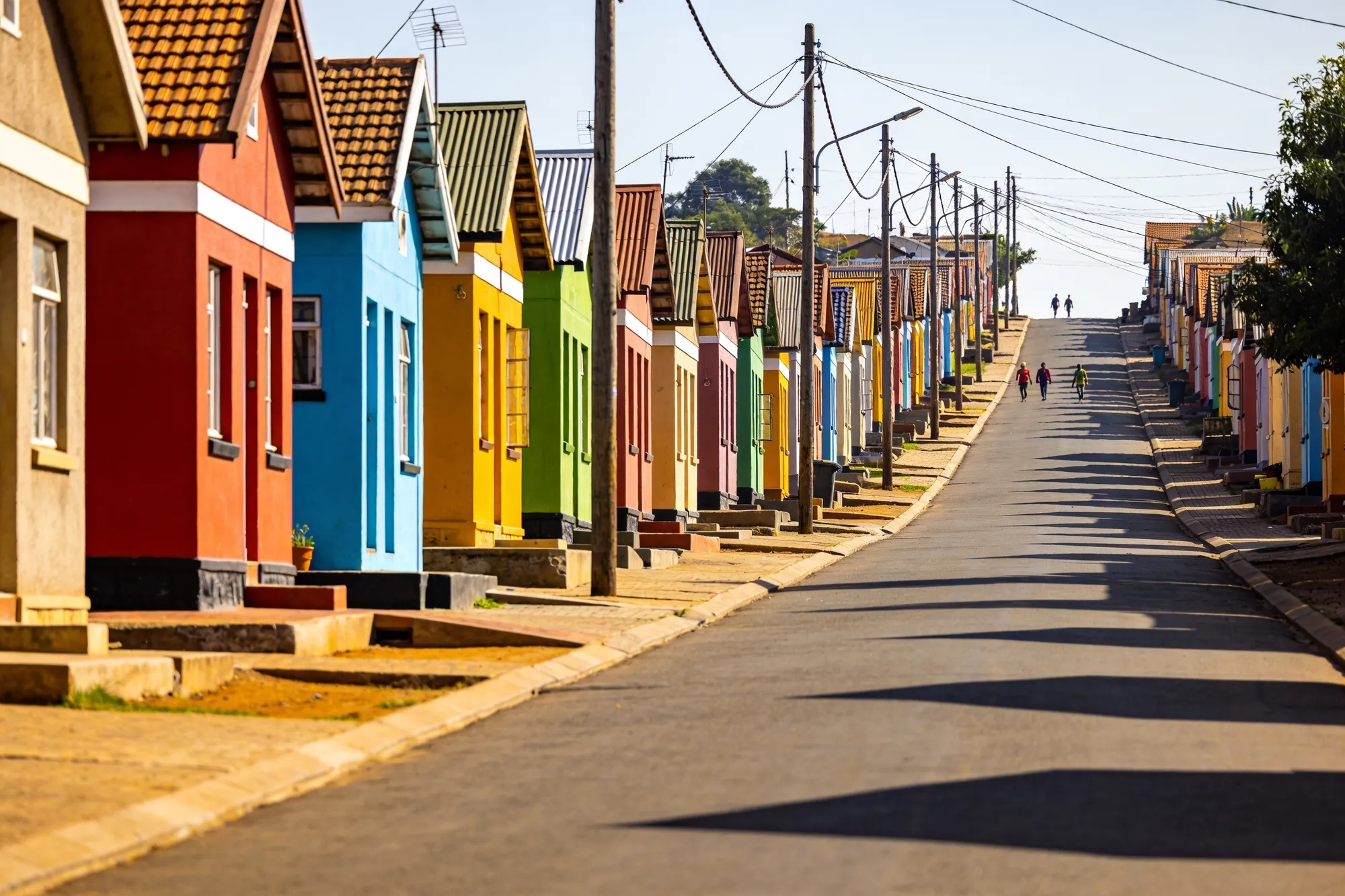
South Africa's most famous township. Vilakazi Street, with Mandela's old house and the Hector Pieterson memorial nearby, but also a living place best seen with a local guide rather than from a bus window.
Read the visitor guide →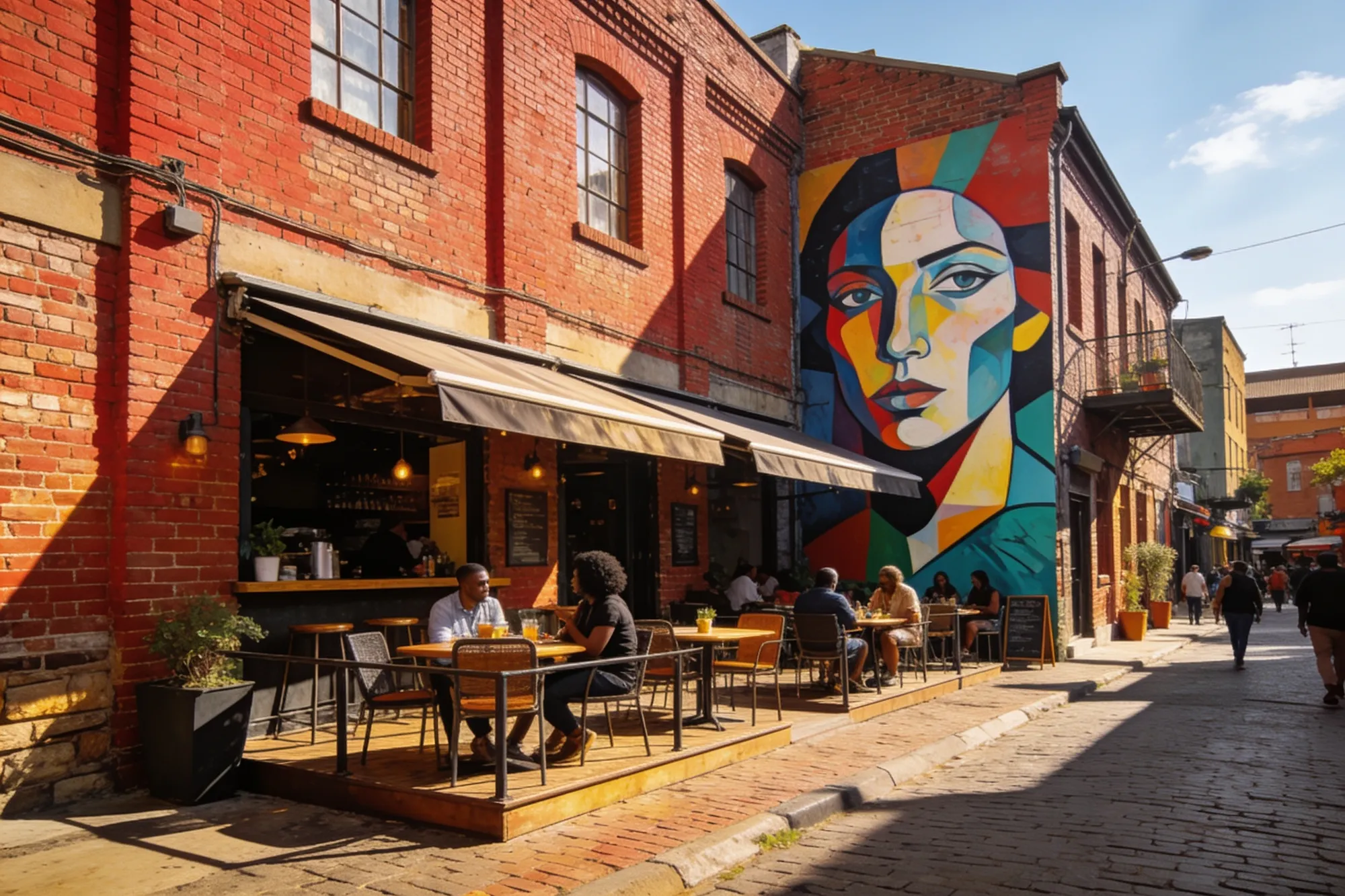
The regenerated east of downtown: street art, warehouse galleries, weekend food markets and rooftop bars. The clearest look at where young Joburg is heading.
Read the visitor guide →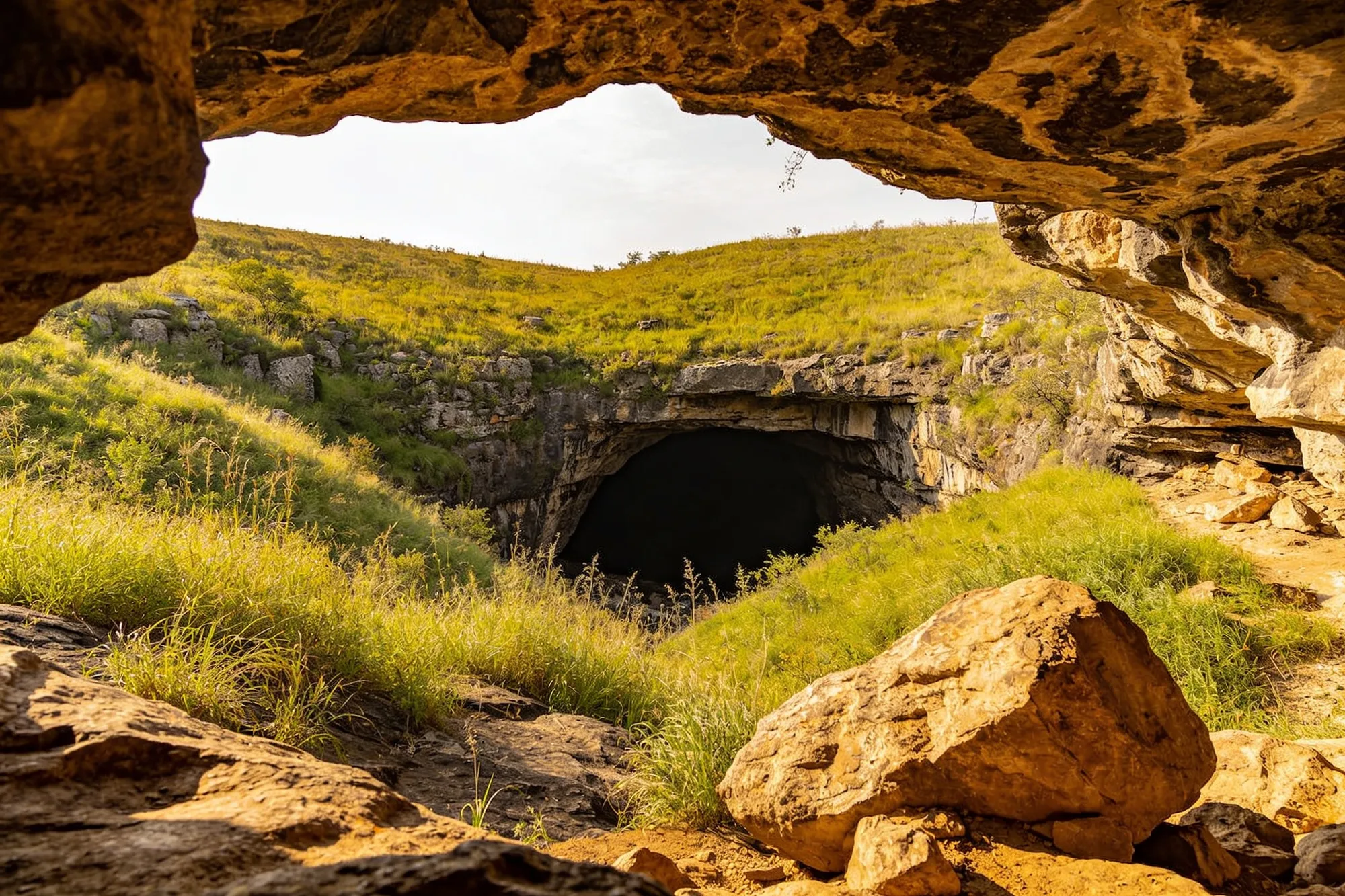
A UNESCO site an hour northwest, where some of the oldest hominid fossils ever found came out of the Sterkfontein caves. The Maropeng centre makes the science easy to follow.
Read the visitor guide →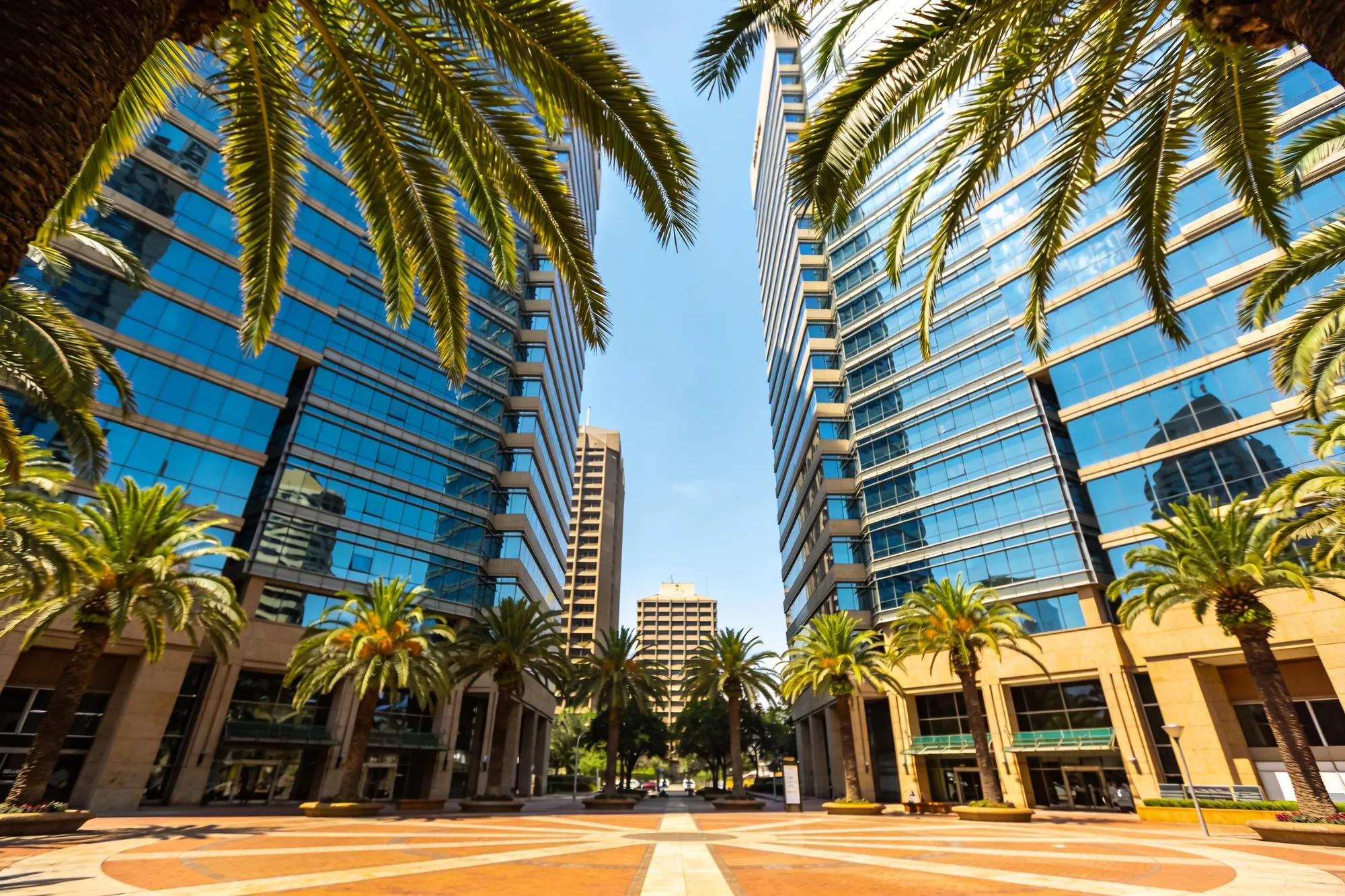
The polished northern suburbs where most visitors stay. Nelson Mandela Square, big malls, the Sunday art and craft market in Rosebank, and the safest streets to walk in the city.
Read the visitor guide →Walk Vilakazi Street, the Hector Pieterson memorial and the backstreets with someone who grew up there. The single most worthwhile half-day in Joburg.
Half day · With lunch Book →A guided wander through the inner city's murals, galleries and markets, with the social history behind the regeneration.
3 h · Creative Jozi Book →Day trip to the Sterkfontein caves and the Maropeng centre, where human origins are laid out fossil by fossil.
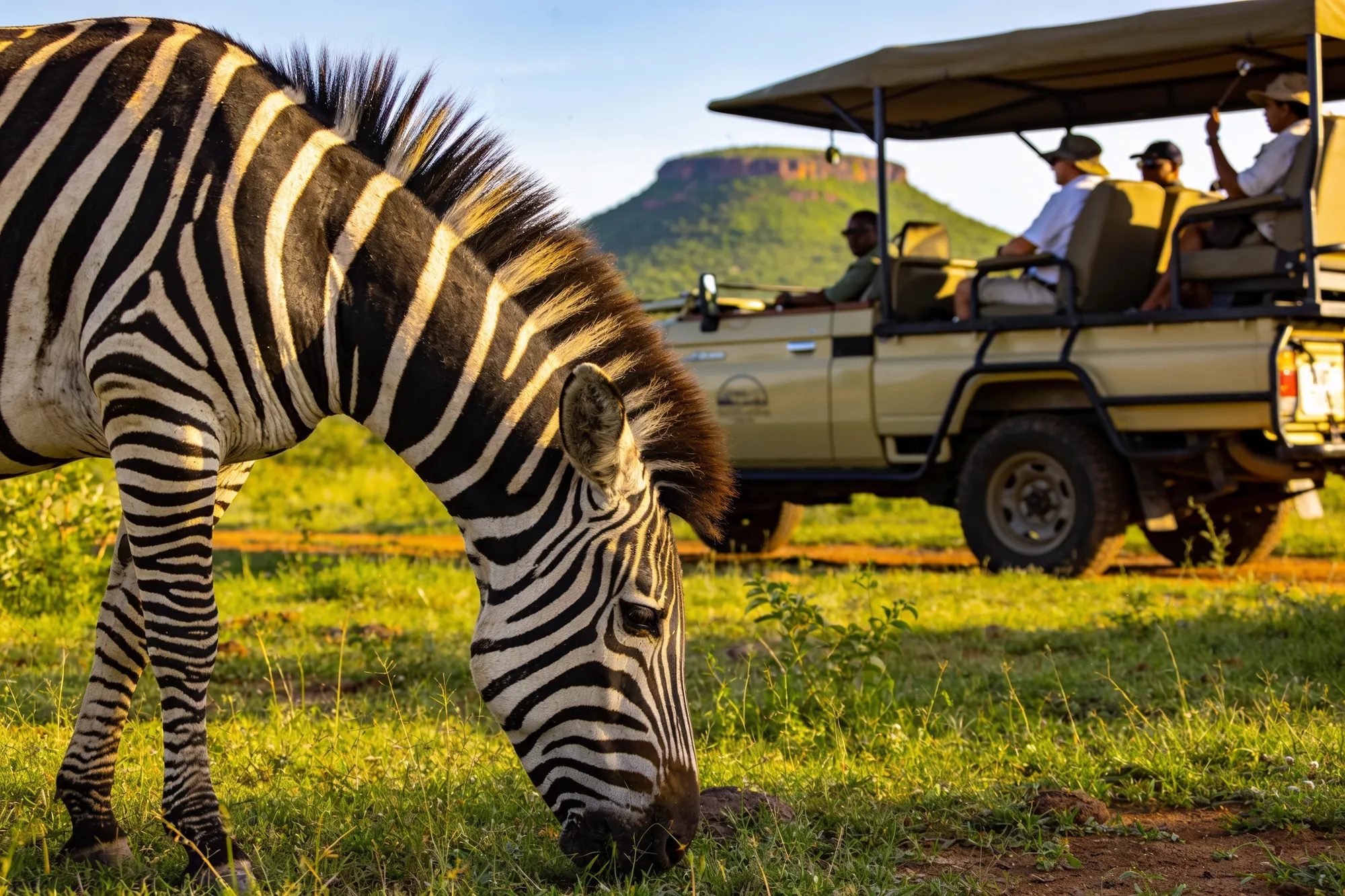
Full day · UNESCO Book →A long day trip to a malaria-free Big Five reserve in an extinct volcanic crater, about 2.5 hours away. Two game drives and lunch.
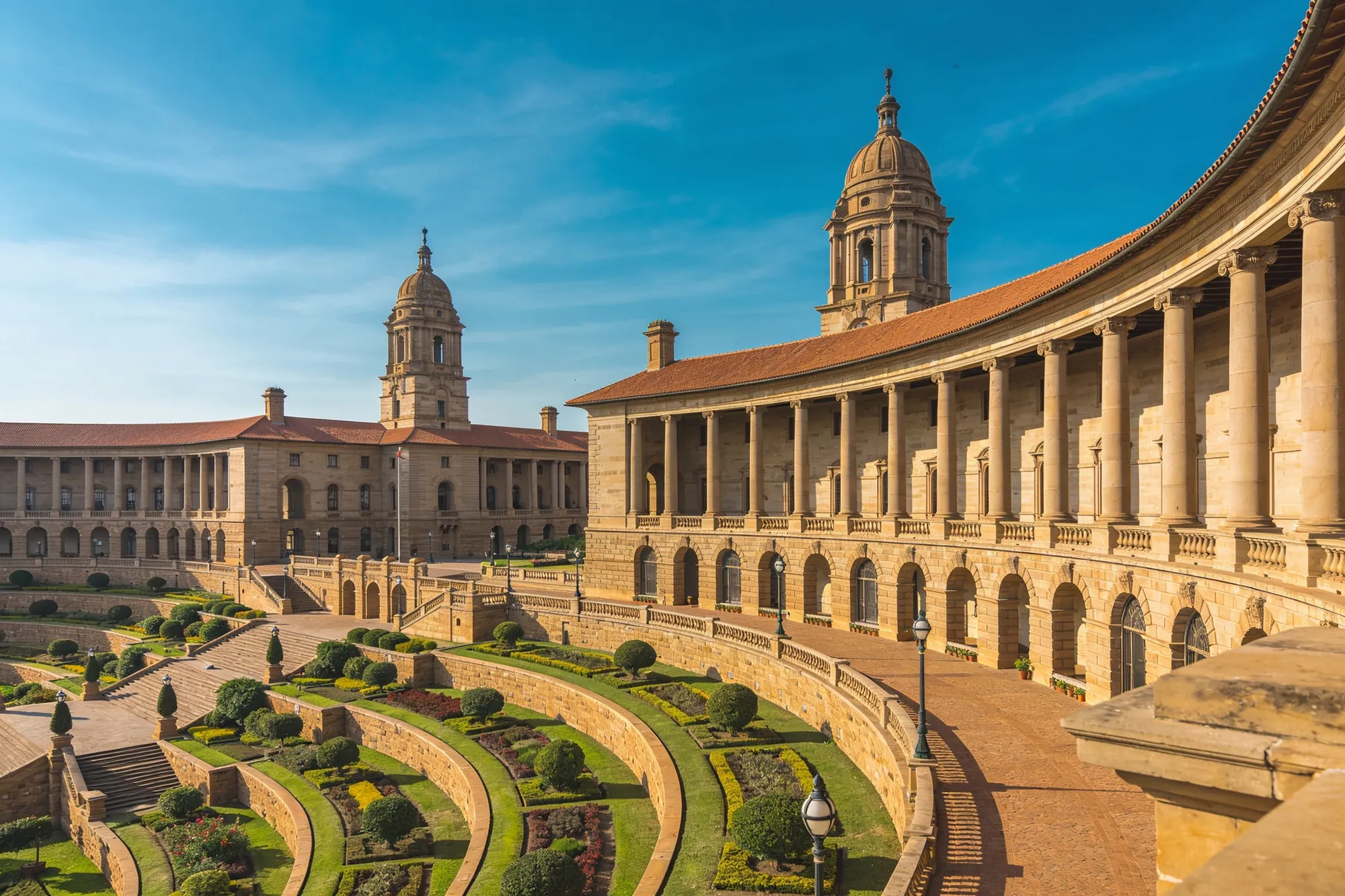
Full day · Safari Book →The administrative capital an hour north: the Union Buildings, the Voortrekker Monument and a very different feel from Joburg.
Half day · Capital Book →Tour the mine near Pretoria that produced the largest diamond ever found. A look at the wealth that built this city.
Half day · Mining Book →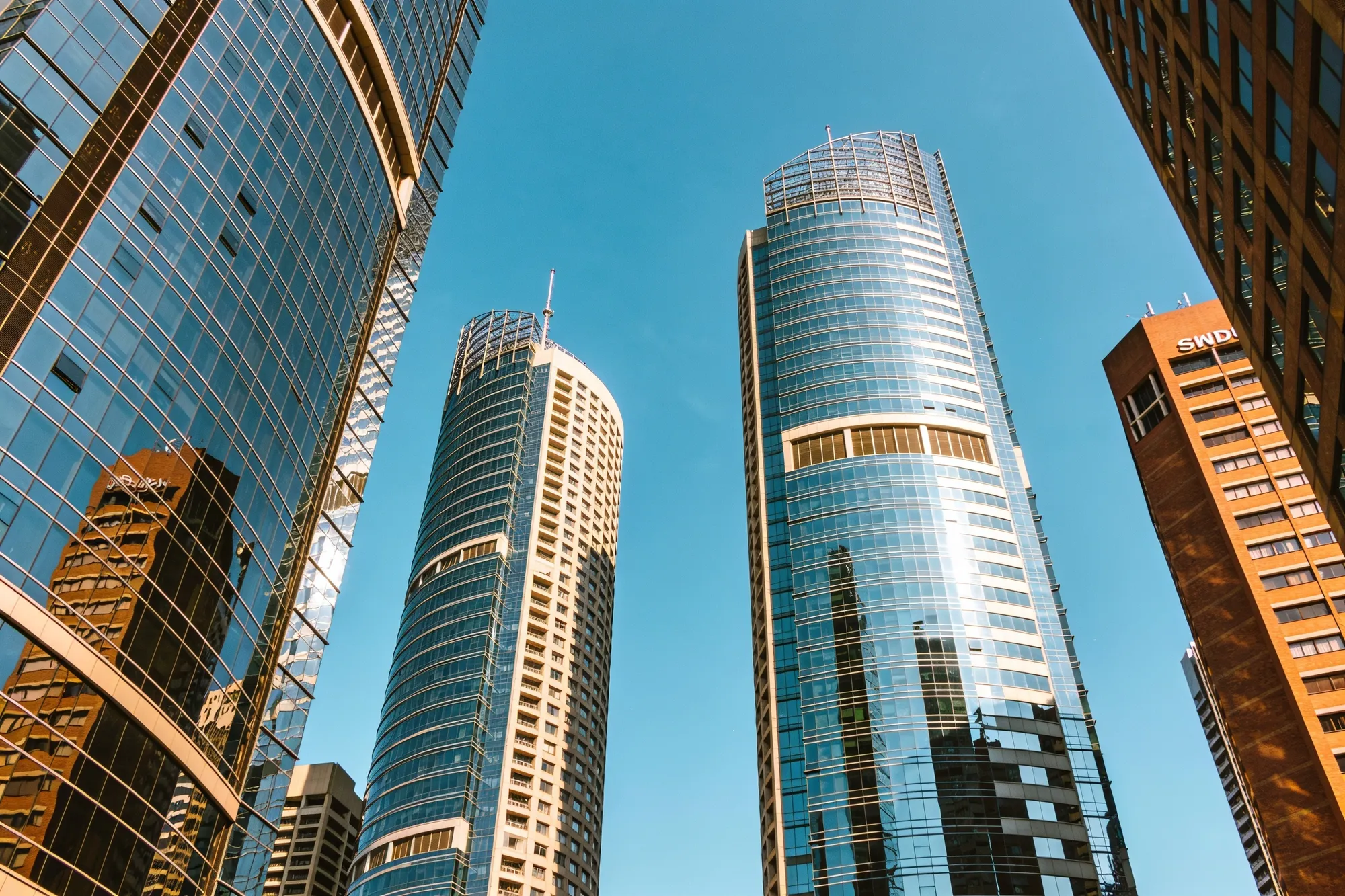
The corporate north and the easiest base: most of the hotels, the Gautrain hub, big malls and Nelson Mandela Square. Safe to walk and well connected.
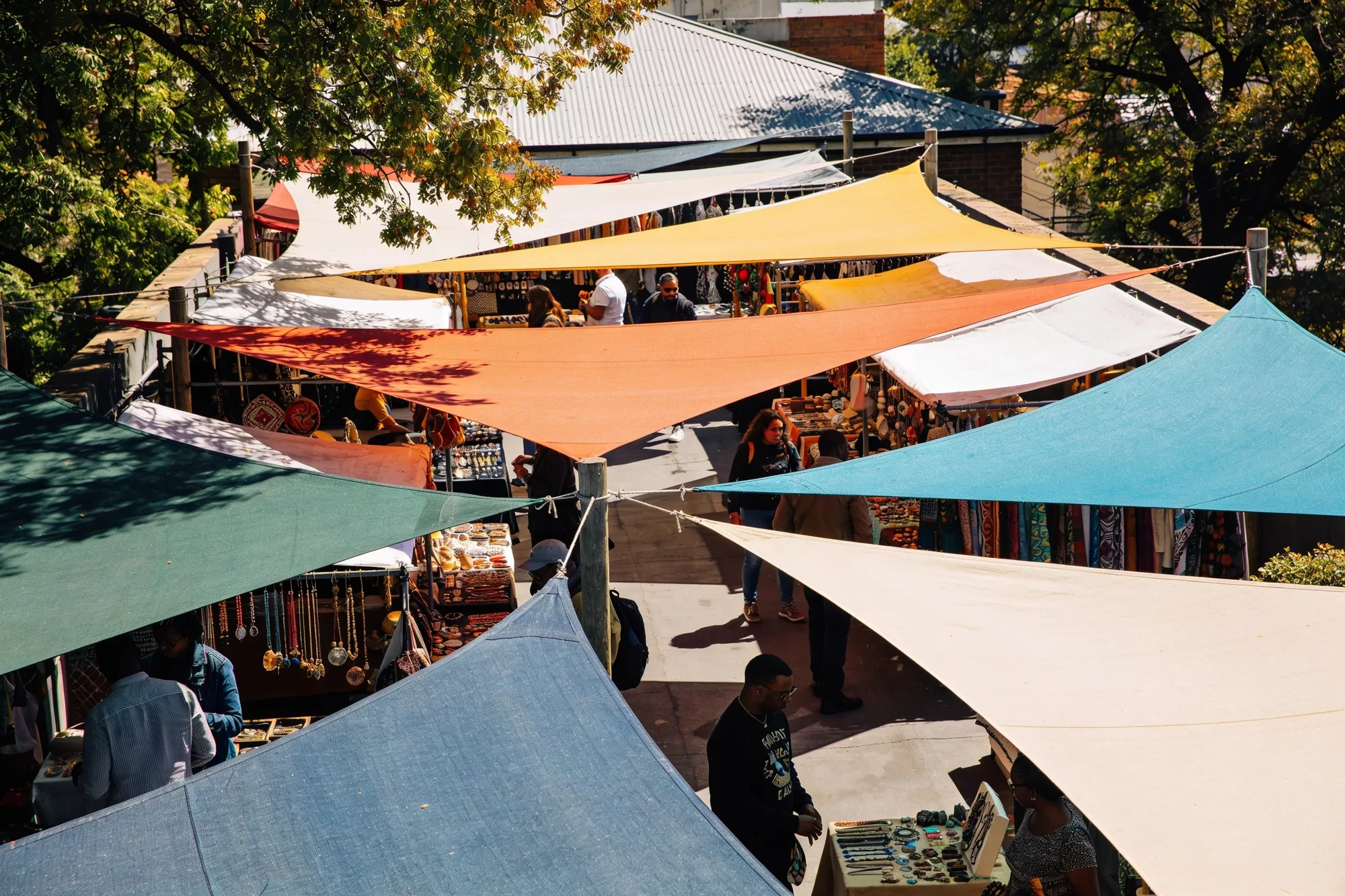
Leafier and more relaxed than Sandton, with art, a good Sunday market and walkable streets. A short Gautrain hop from the airport and the centre.
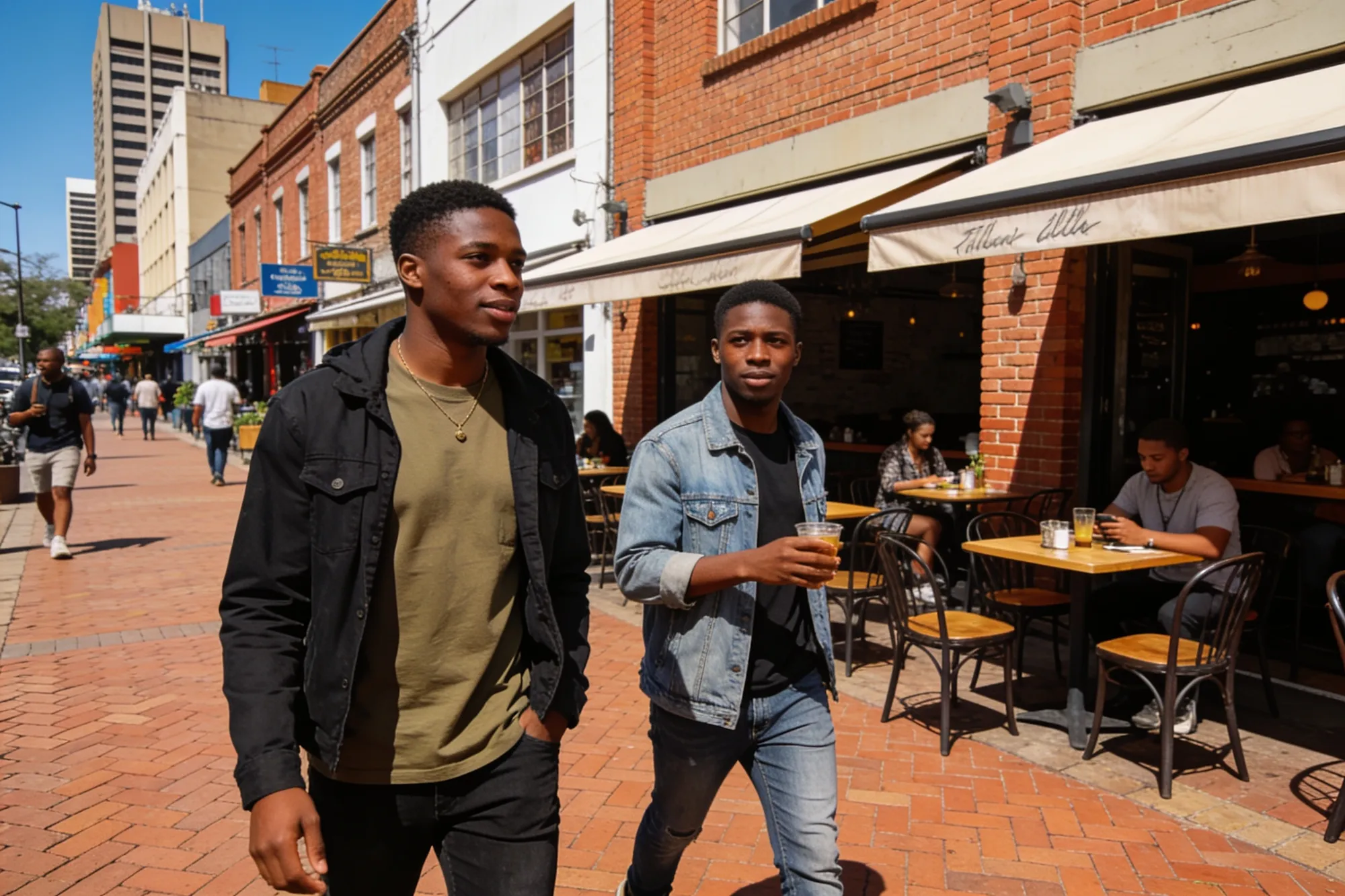
The inner-city creative districts, edgier and more energetic. For travellers who want culture and nightlife over polish, and don't mind keeping their wits about them.
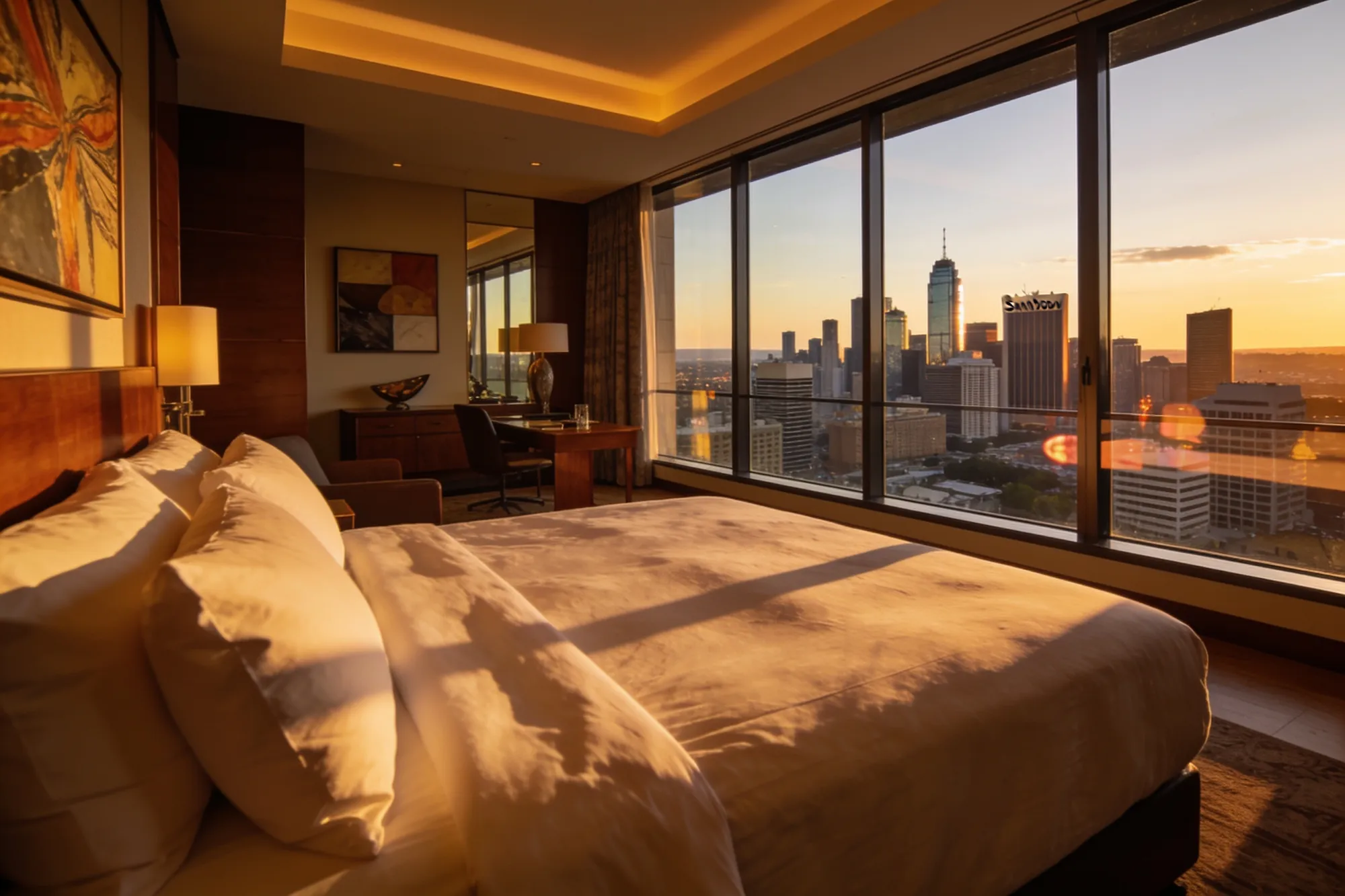
The landmark luxury hotel on Nelson Mandela Square, linked to the malls and a short walk from the Gautrain. Reliable five-star comfort in the safest part of the city.
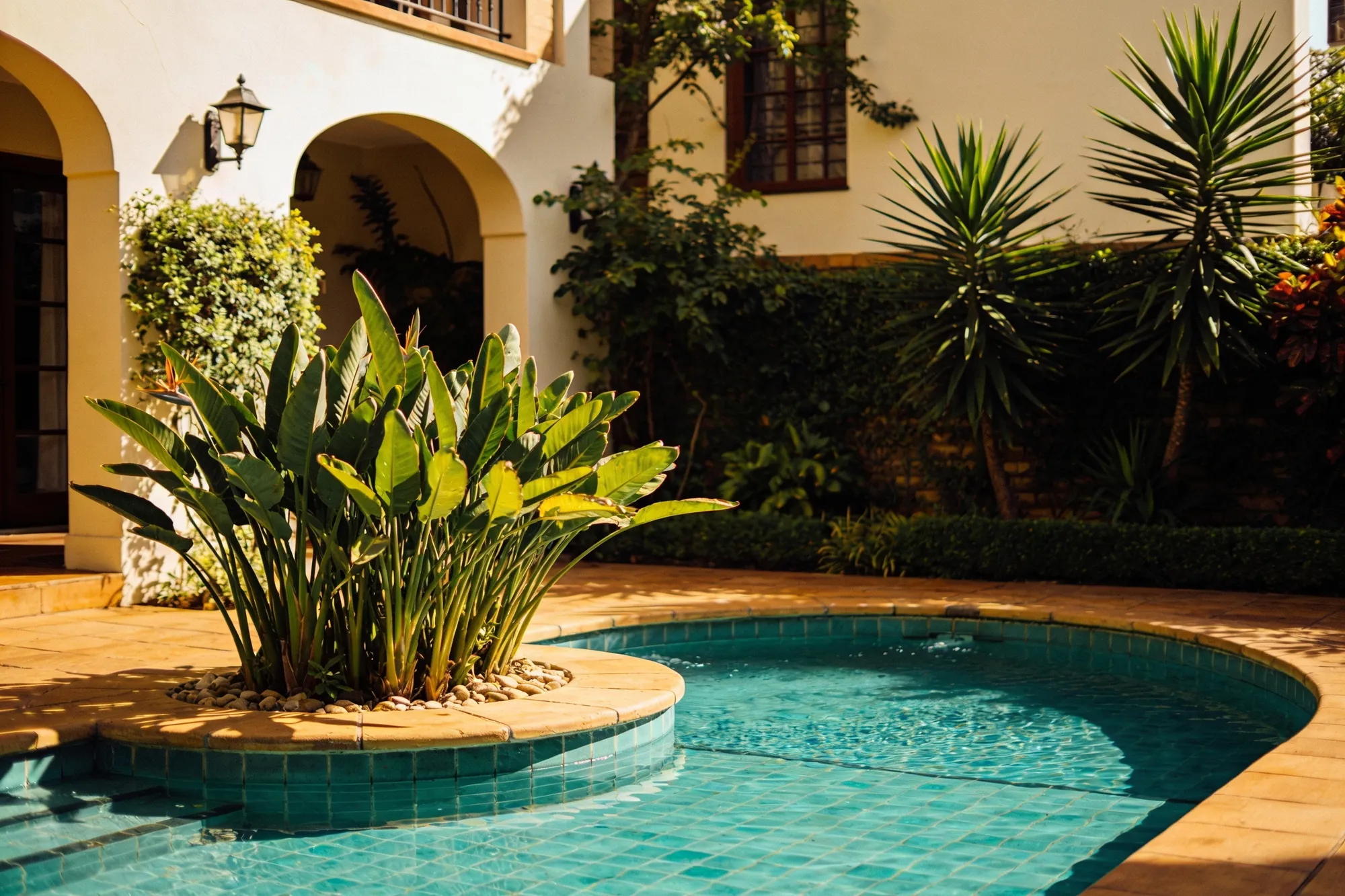
A polished boutique hotel on Rosebank's Bath Avenue, steps from the market and the Gautrain. Quieter and more personal than the Sandton towers.
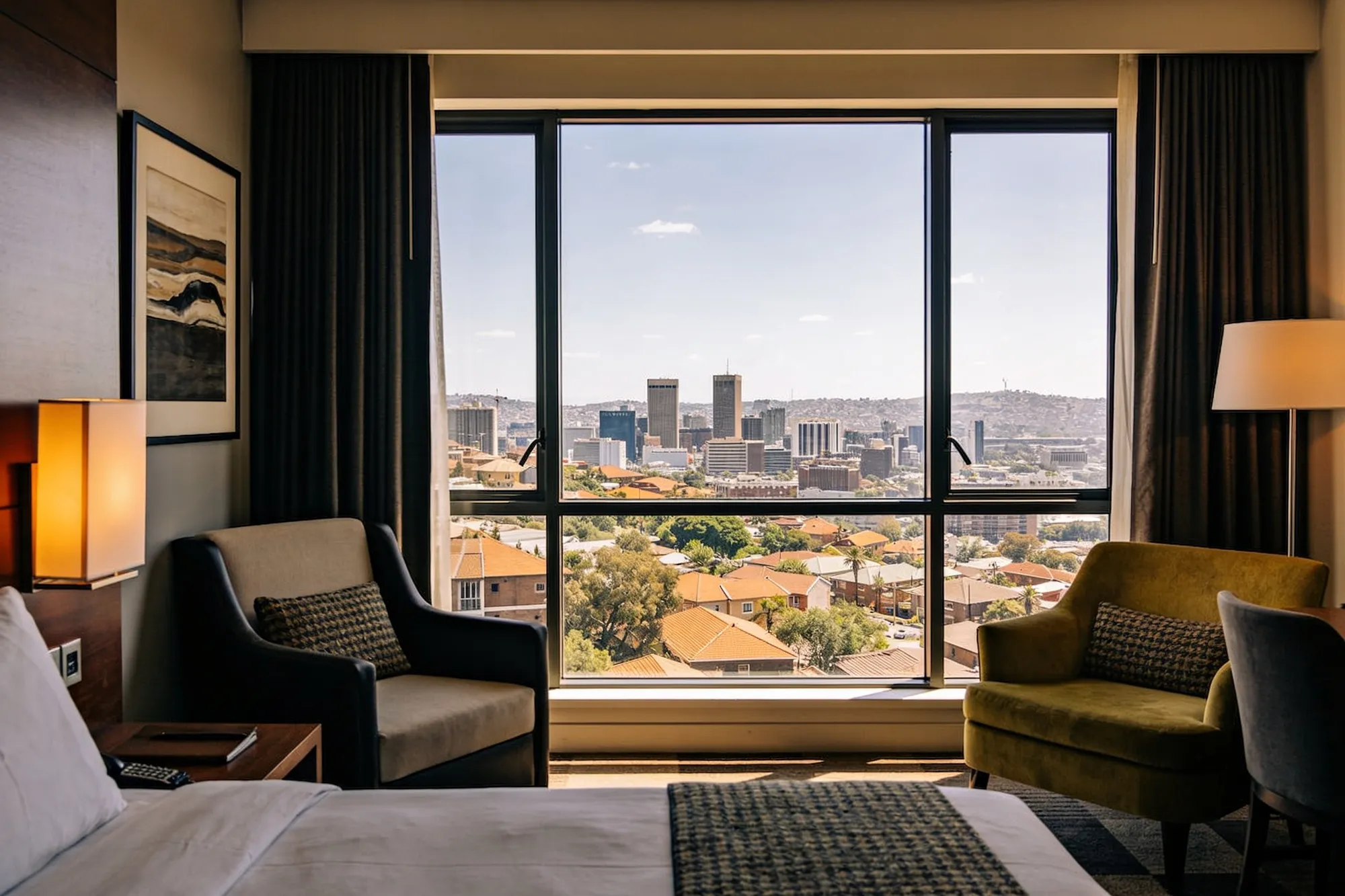
A solid, good-value hotel by the Rosebank Gautrain station and mall. An easy, well-located base for a night or two on arrival.
OR Tambo (JNB) is Africa's busiest airport and South Africa's main gateway, with direct flights from Europe, the Gulf and the US. The Gautrain reaches Sandton in about 15 minutes.
Don't plan to walk the centre. Uber and Bolt are cheap and everywhere. The Gautrain links the airport, Sandton, Rosebank and Pretoria. Hire a car only for day trips out of town.
Type M plugs, 230 V. Coverage is excellent across the city. A local eSIM (Vodacom, MTN) sets you up the moment you land.
Good year-round. Winter (May–Aug) is dry, sunny and cool, with cold nights. Summer (Oct–Mar) is warm and green, with short, heavy afternoon storms.
Joburg needs more street-sense than the coast. Use ride-hailing, keep phones out of sight, avoid the inner city after dark, and see Soweto and downtown with a guide.
The rand (ZAR). Cards work everywhere. Hotels and food are good value; the malls of Sandton and Rosebank are the easy, safe places to spend. A 10% tip is customary.
Joburg is the start of most South Africa trips. Pair it with a Kruger safari, or fly on to Cape Town and the Garden Route. See our ready-made itineraries.