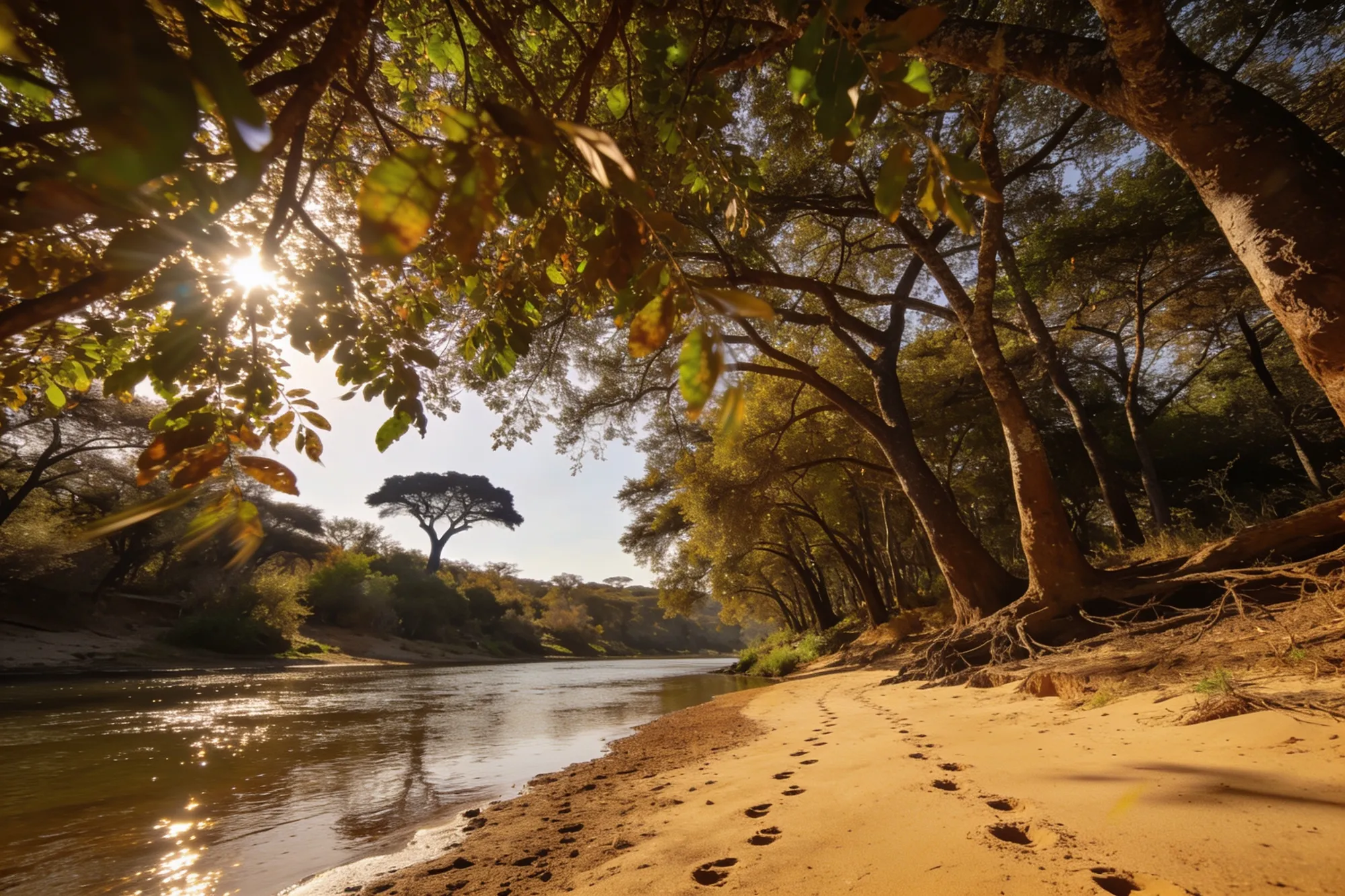
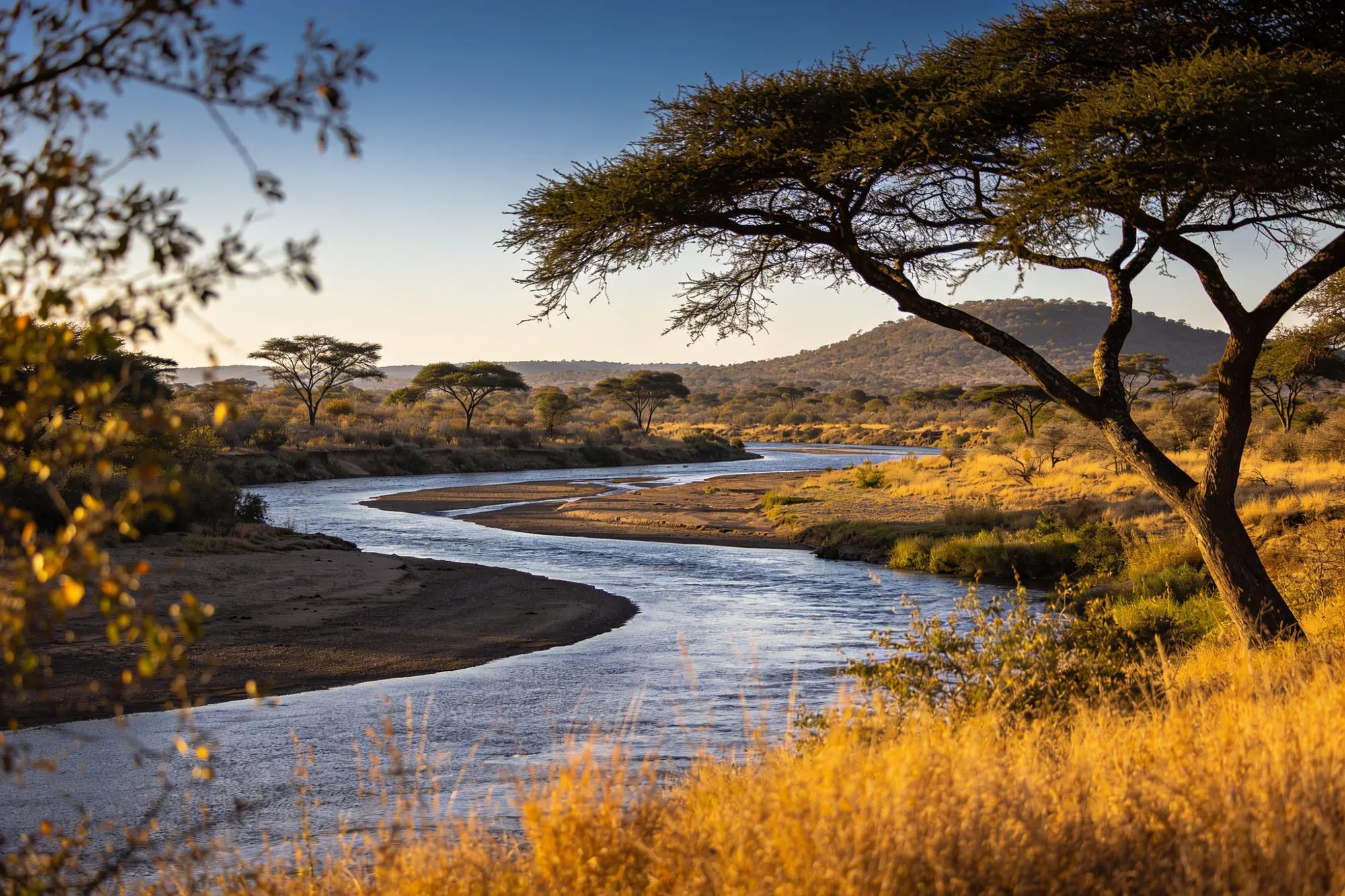
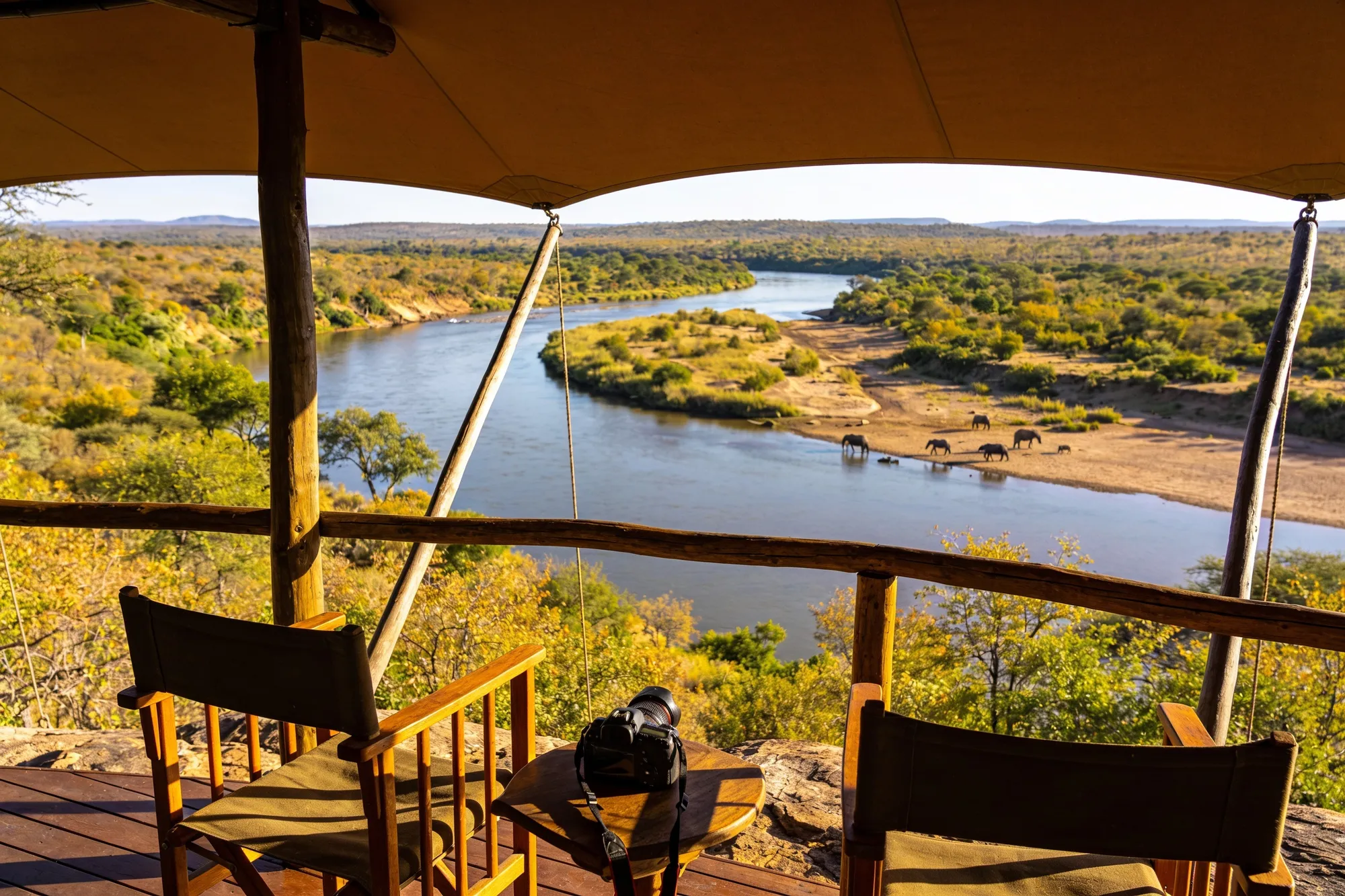
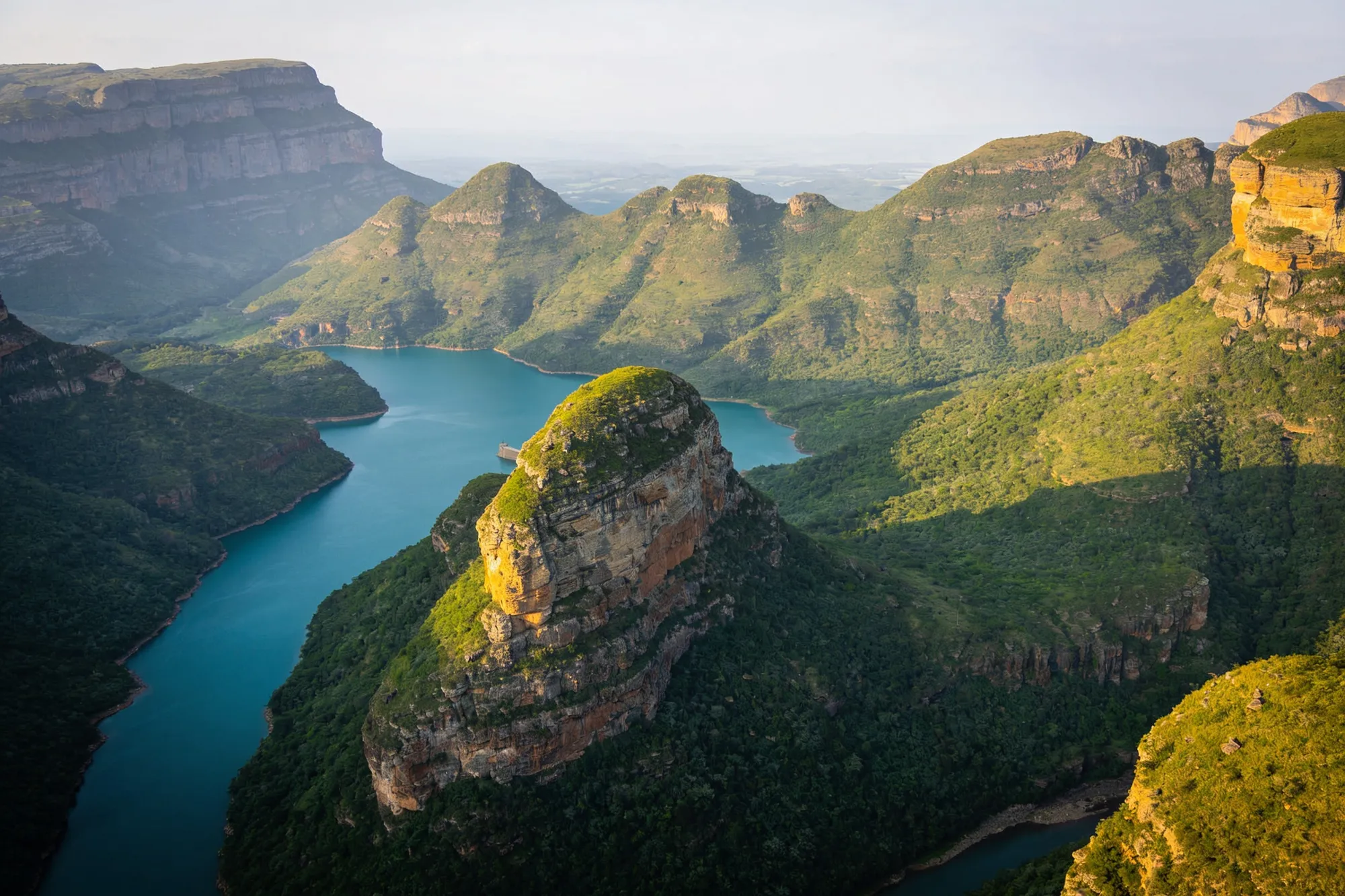
Pafuri is Kruger at its wildest and least visited, the far northern tip of the park where almost nobody goes. It lies in the Makuleke concession, a 24,000-hectare triangle of land caught between the Luvuvhu and Limpopo rivers, and it feels like a different country from the busy south. There are no crowds, no traffic at sightings, just riverine forest, floodplains and a deep sense of wilderness. People who make the long trip up here come for something the rest of Kruger doesn’t offer.
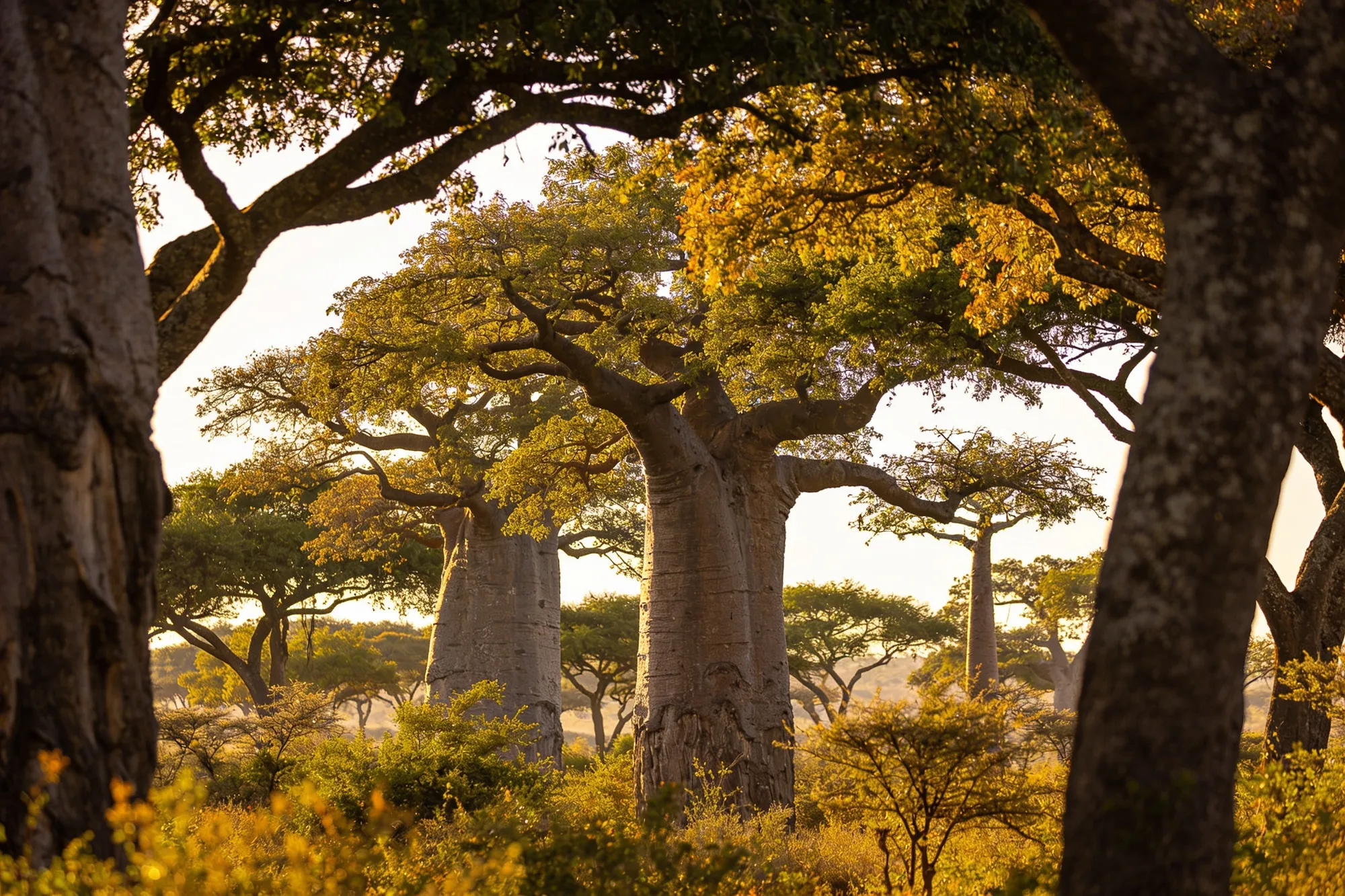
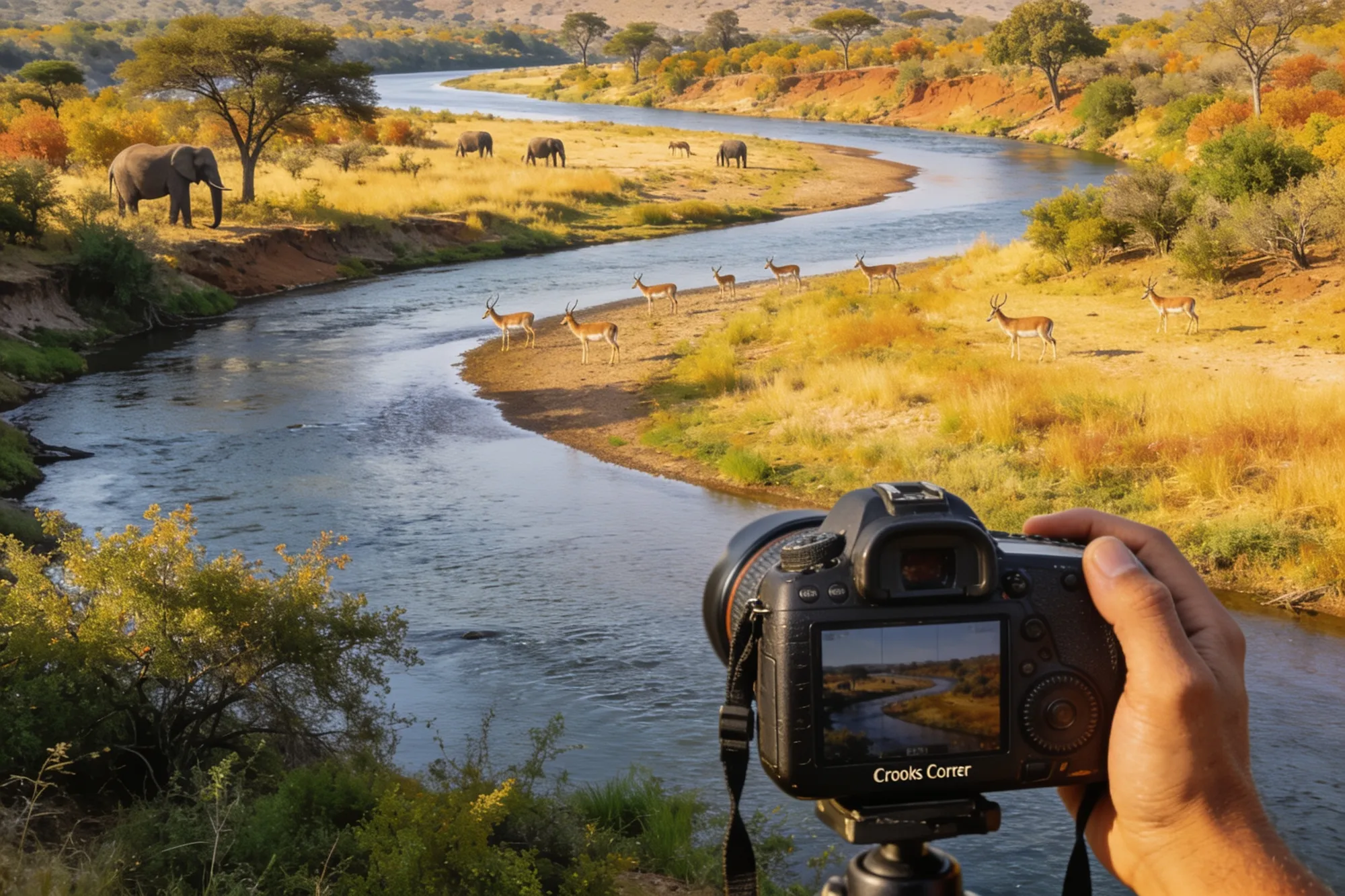
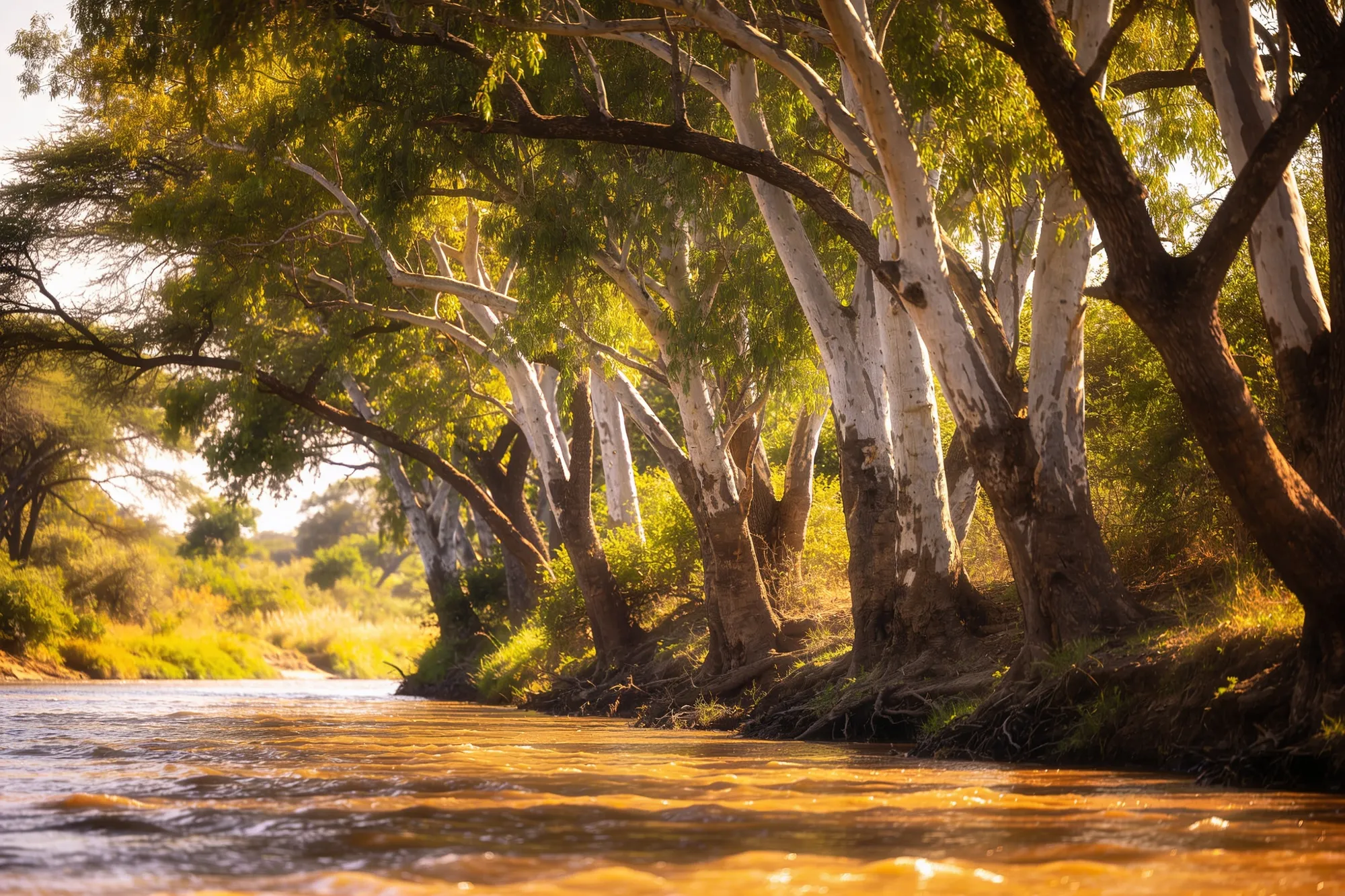
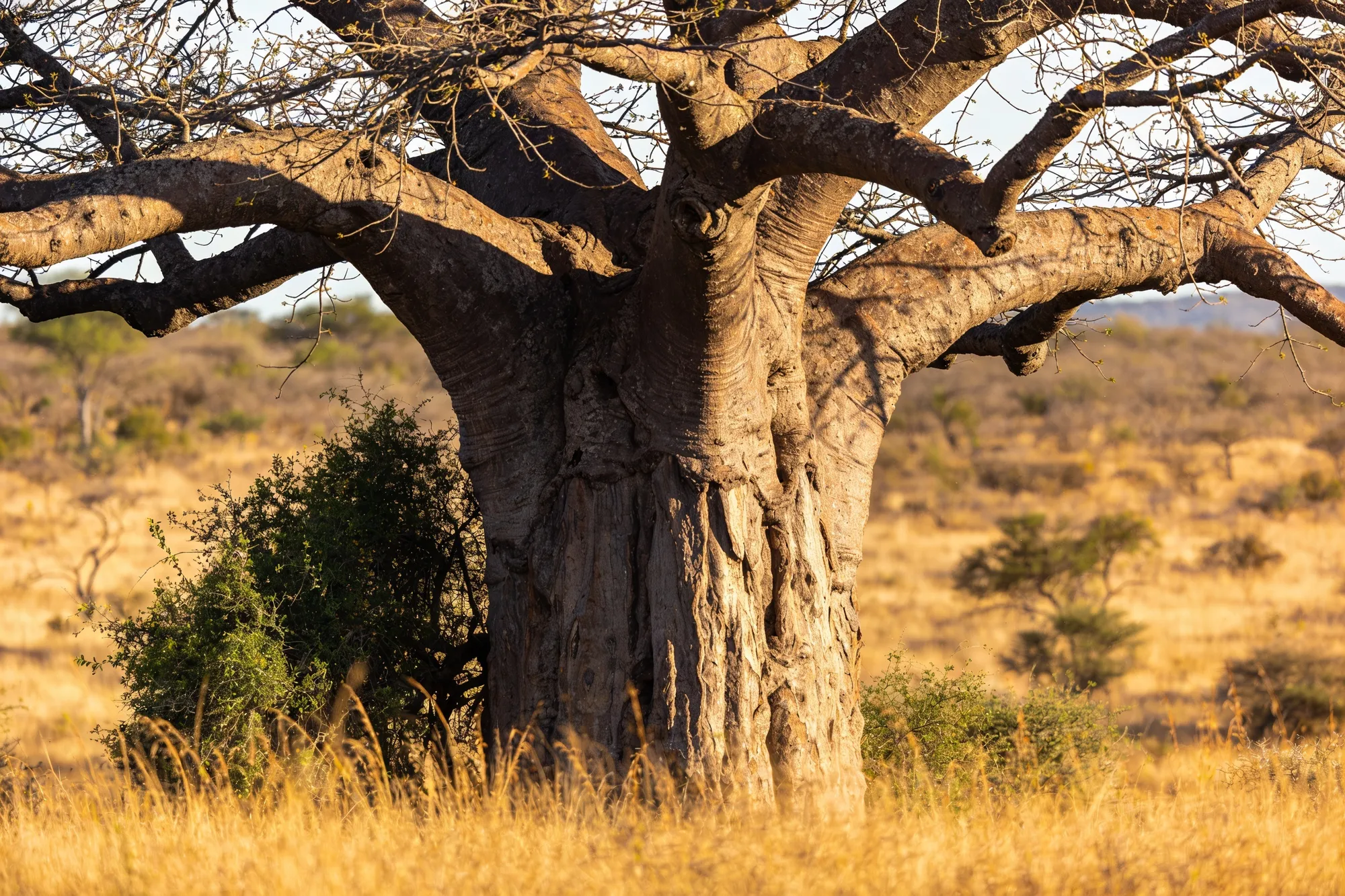
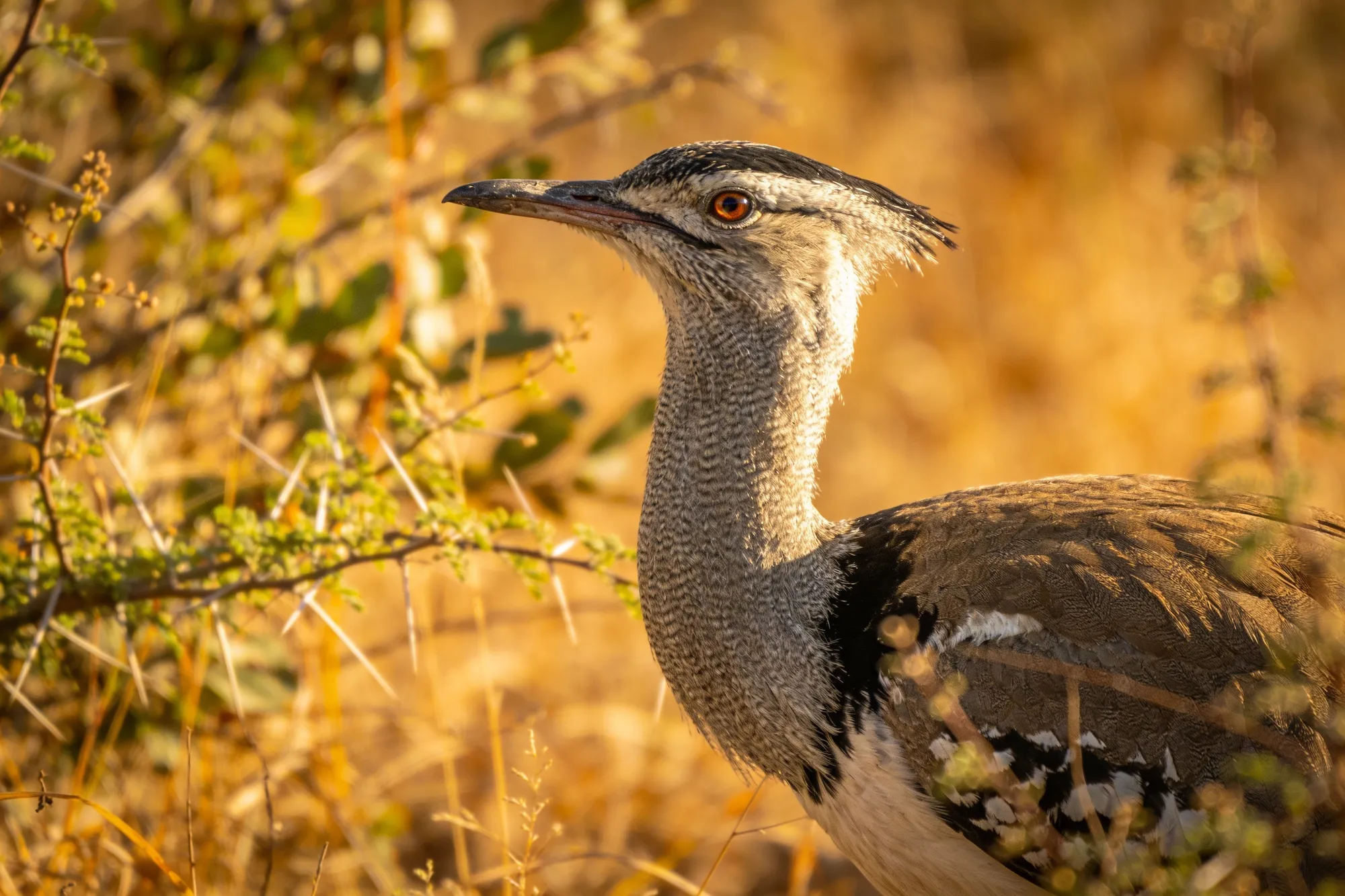
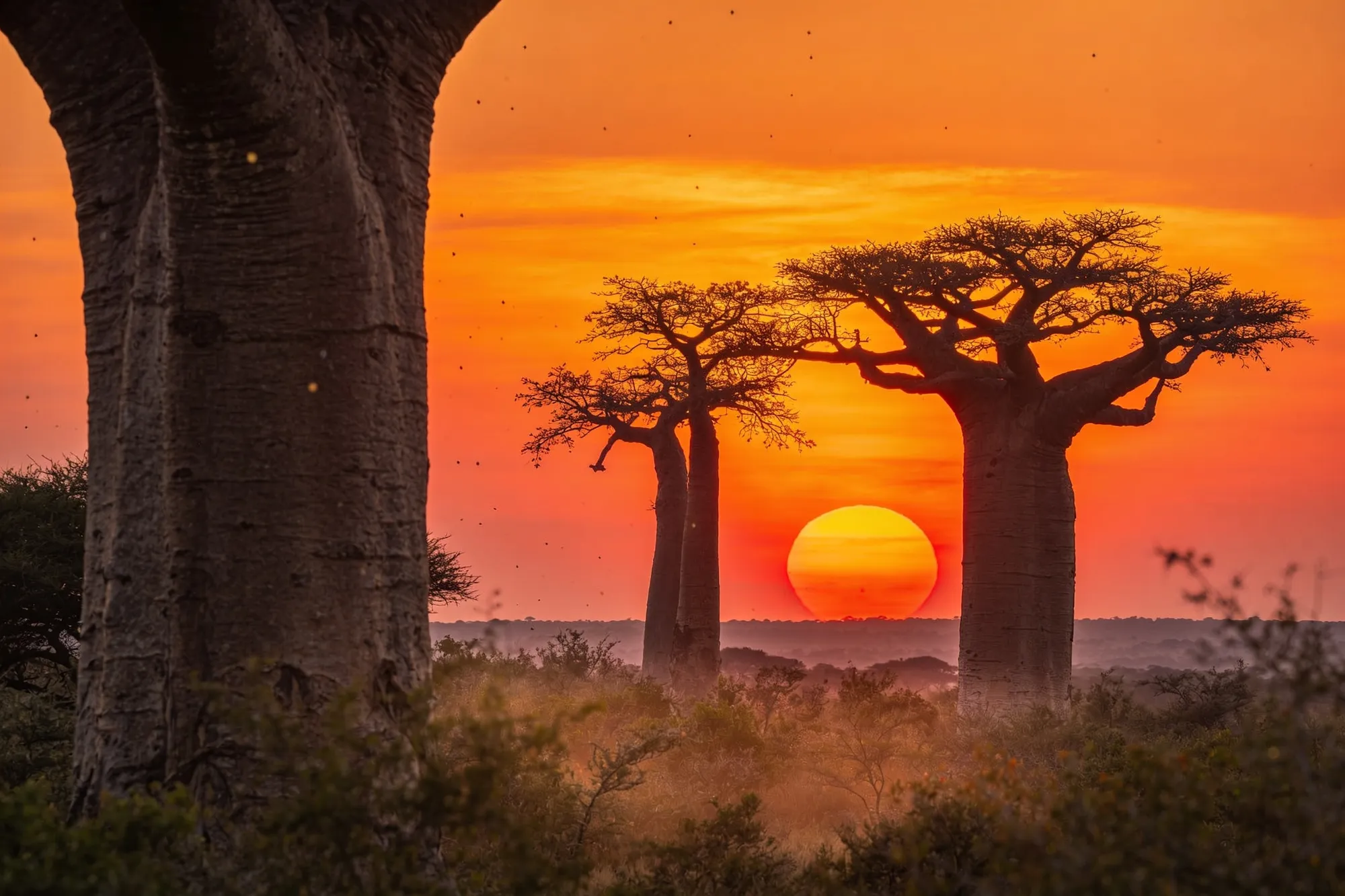
That something is partly the landscape. Pafuri holds rare forests of fever trees, their bark a pale luminous green, growing beside giant baobabs along the rivers, a scene found nowhere else in the park. It is also the birding capital of Kruger, with over 450 species recorded in the Makuleke and northern specials that draw birders the length of the country to tick them off. Unlike the rest of the park, it’s at its best in the green summer, when the migrants arrive and the bush comes alive. At the northern point, the Luvuvhu meets the Limpopo at Crooks’ Corner, where South Africa, Zimbabwe and Mozambique converge and where, a century ago, poachers and gunrunners slipped between three borders to escape the law.
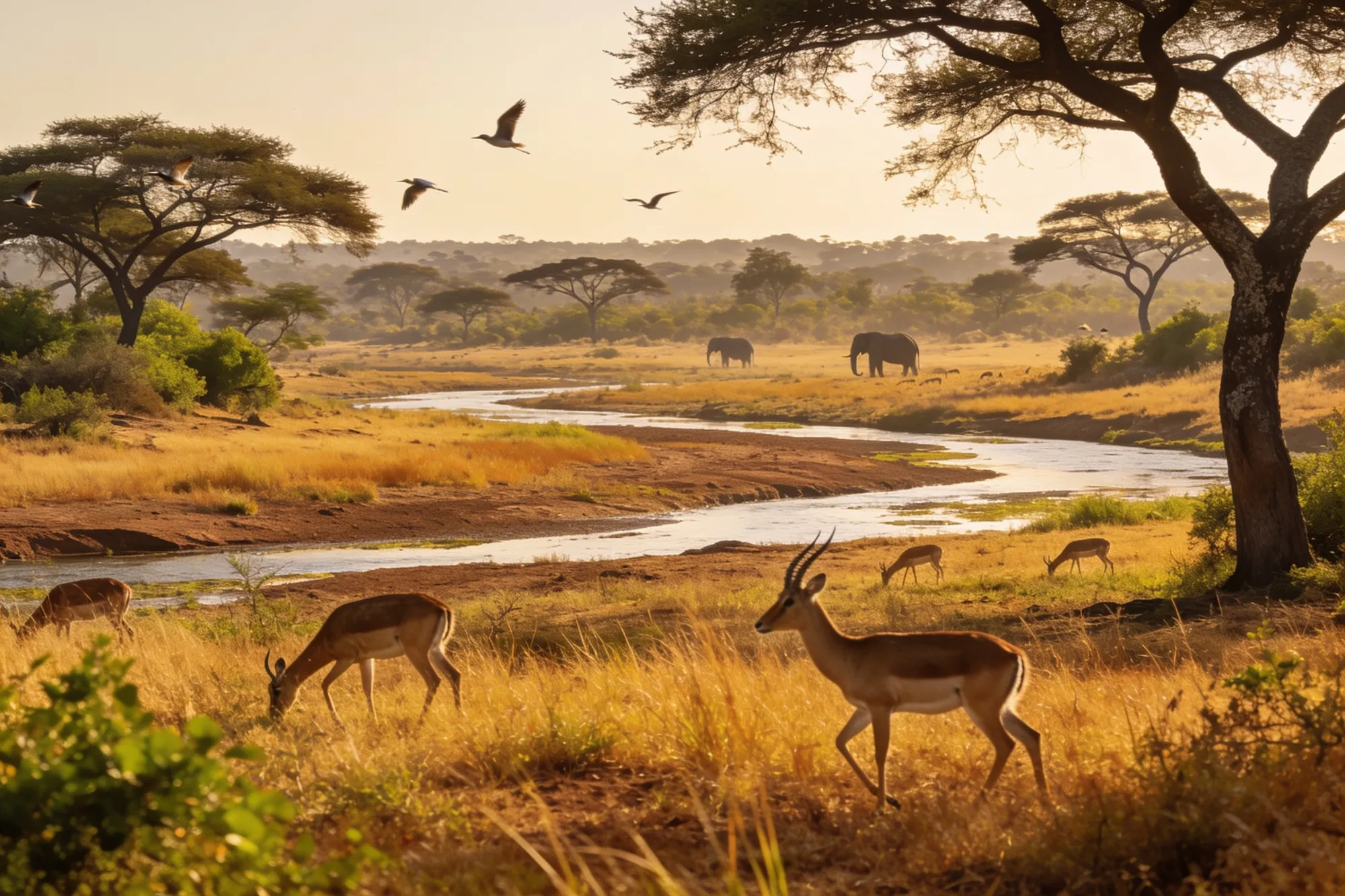
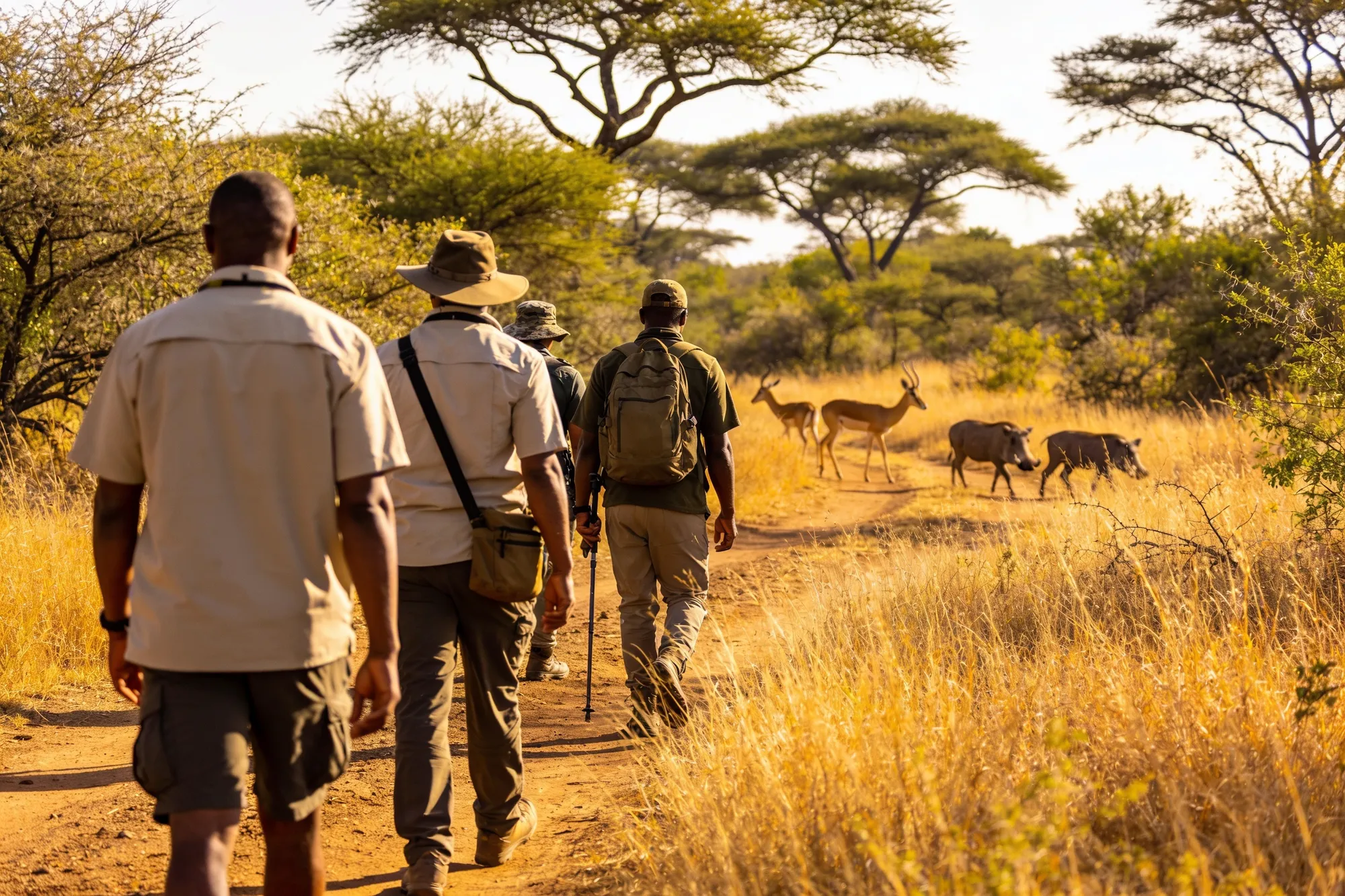
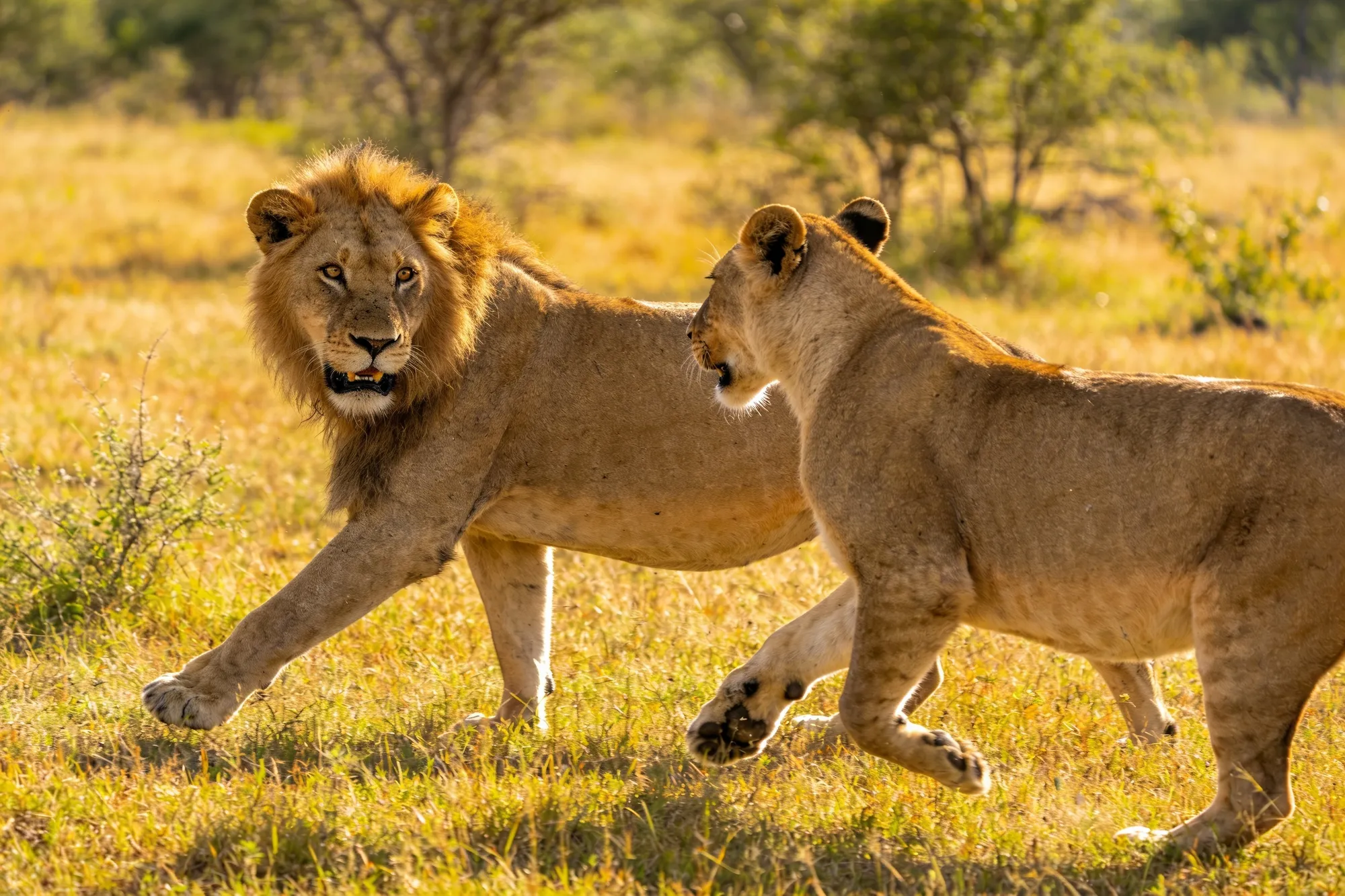
There is history in the ground as well. This land was taken from the Makuleke people under apartheid and returned to them in the late 1990s after a landmark court case, and it is now run as a community concession, with tourism funding the community that won it back. The way to experience it is on foot, on a guided walking safari among the fever trees and along the rivers, reading tracks and birdsong rather than ticking off the Big Five. Come for the birds, the trees and the solitude, plan for the distance with at least two nights, and accept that this is wilderness rather than dense game country. That is exactly the point of Pafuri.