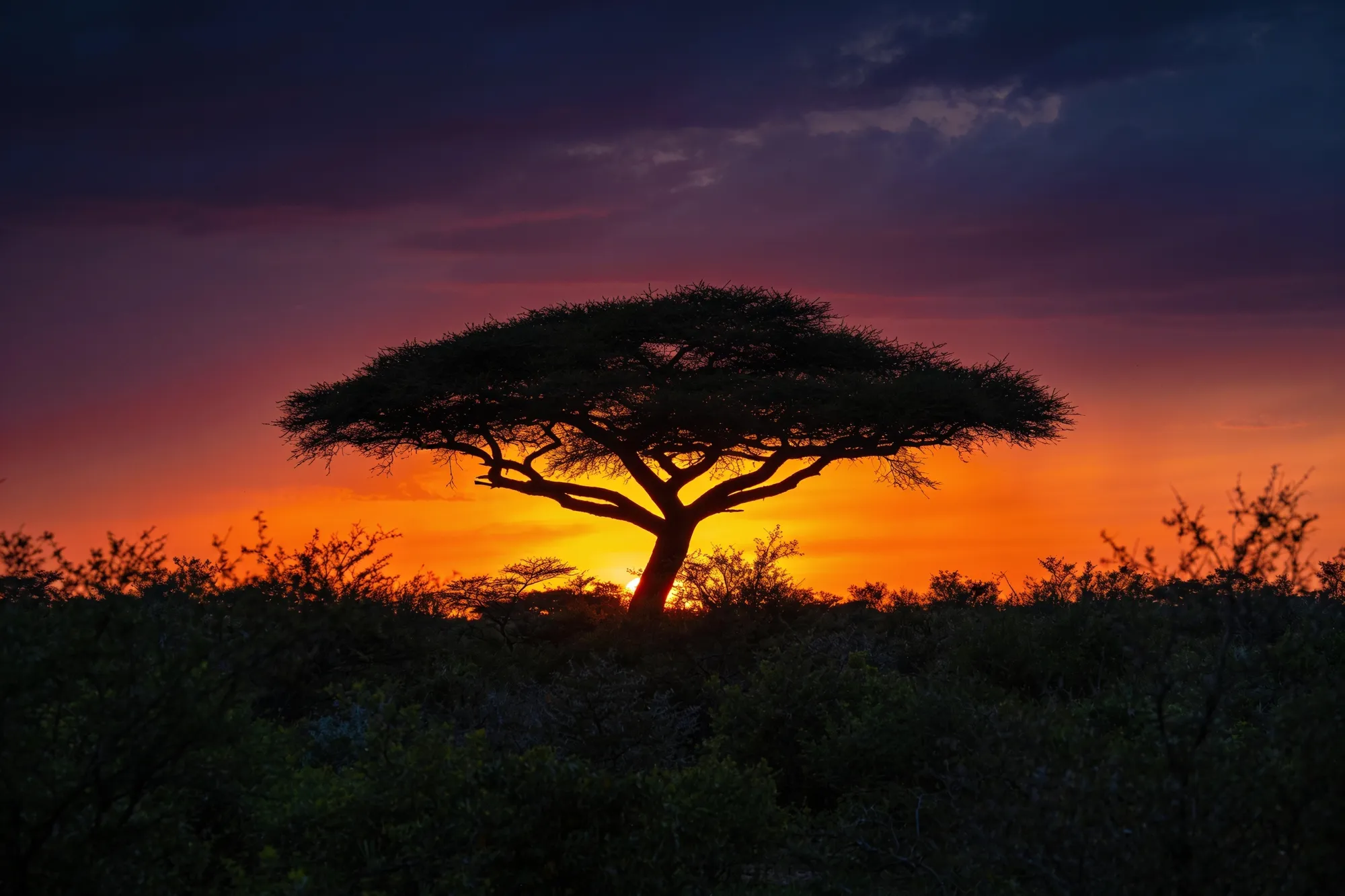
Skukuza & the Sabie River
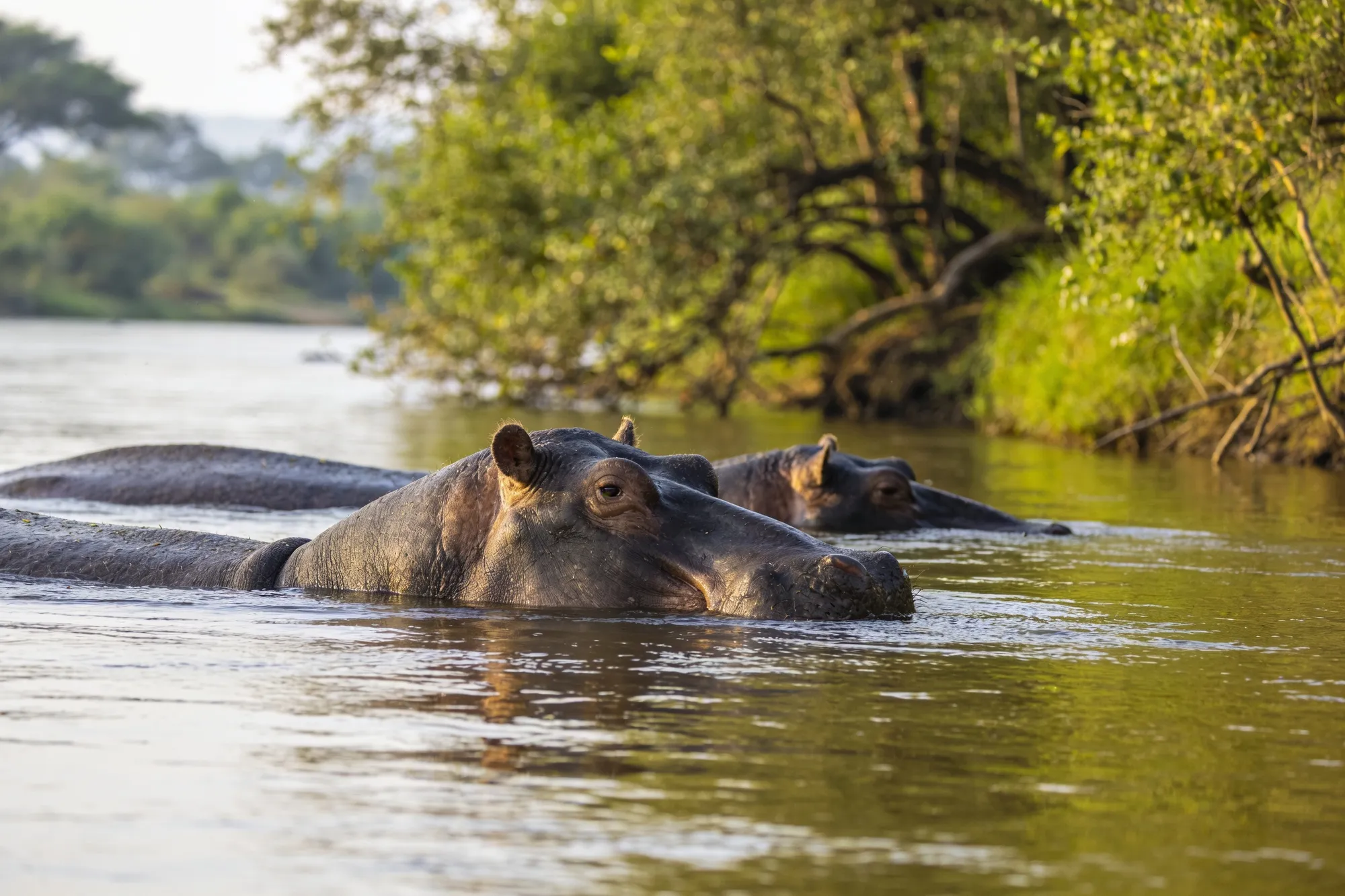
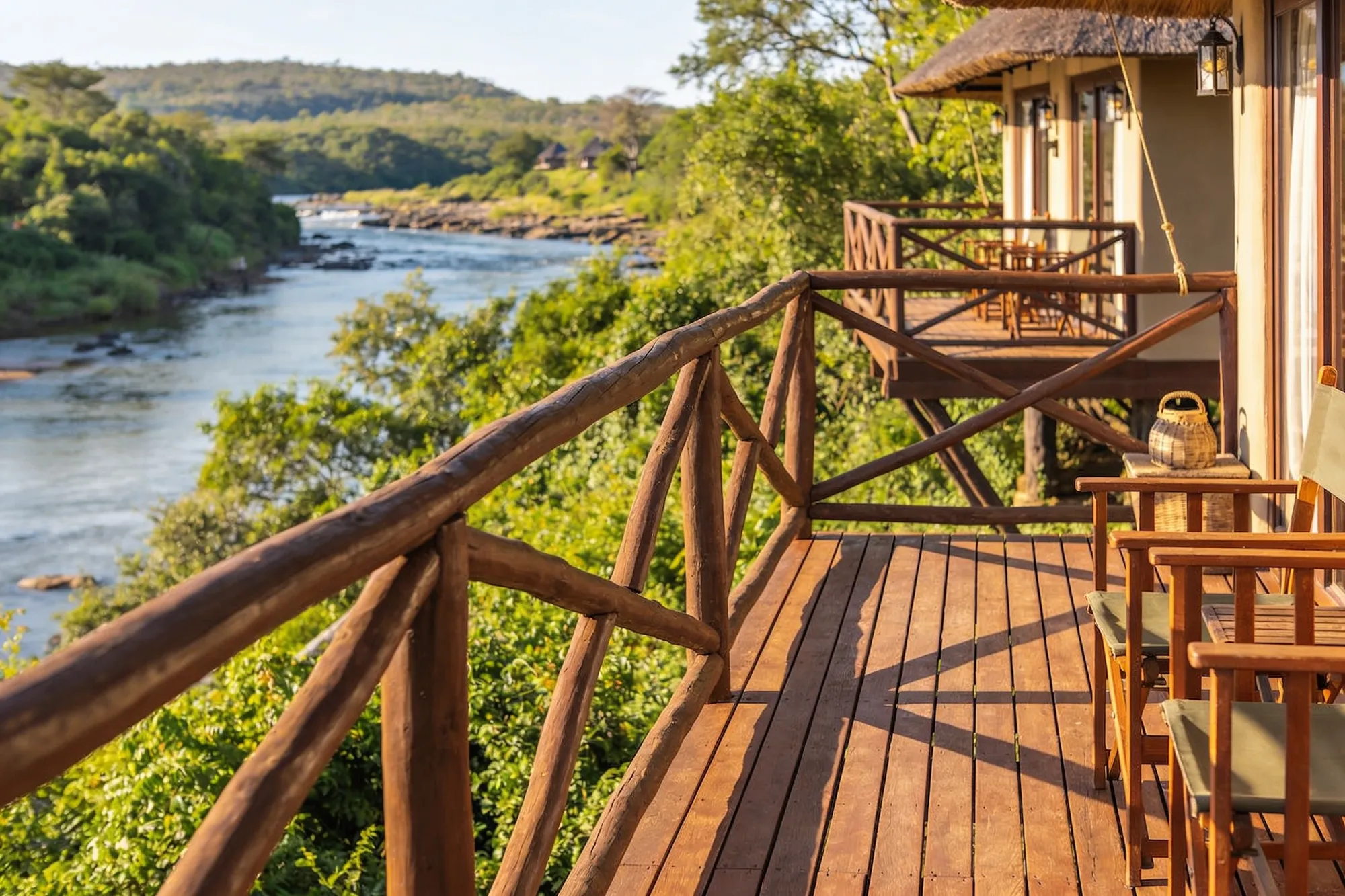
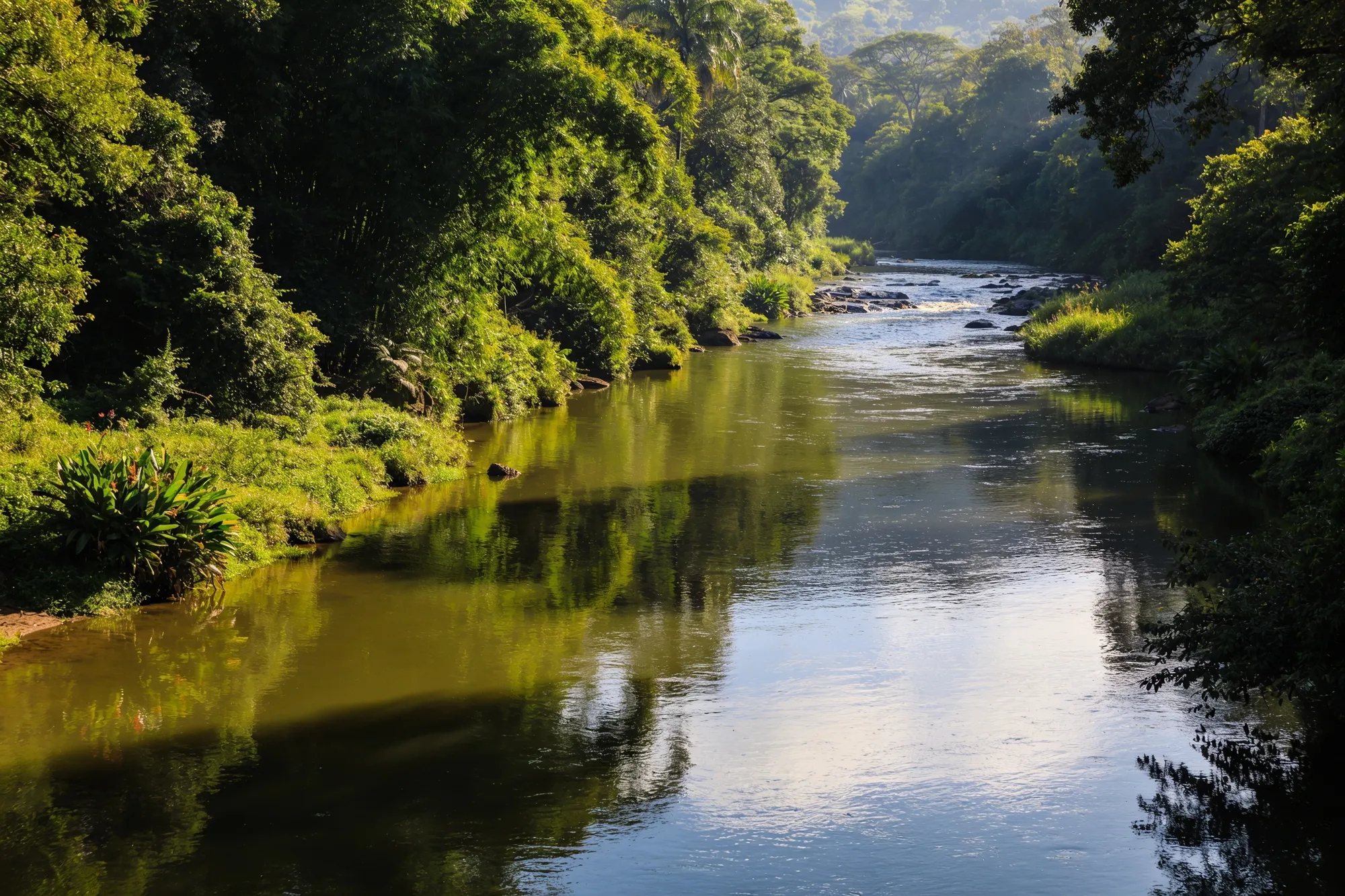
The park's main camp and its busiest corner, for good reason. The Sabie River pulls in elephant, hippo and big cats, and the dense road network here gives you the best odds of a full Big Five day.
Read the visitor guide →
Nearly two million hectares of bushveld where the Big Five roam free. Kruger is the most accessible of Africa's great parks: self-drive it in a hire car, or hand the wheel to a ranger at a private lodge.
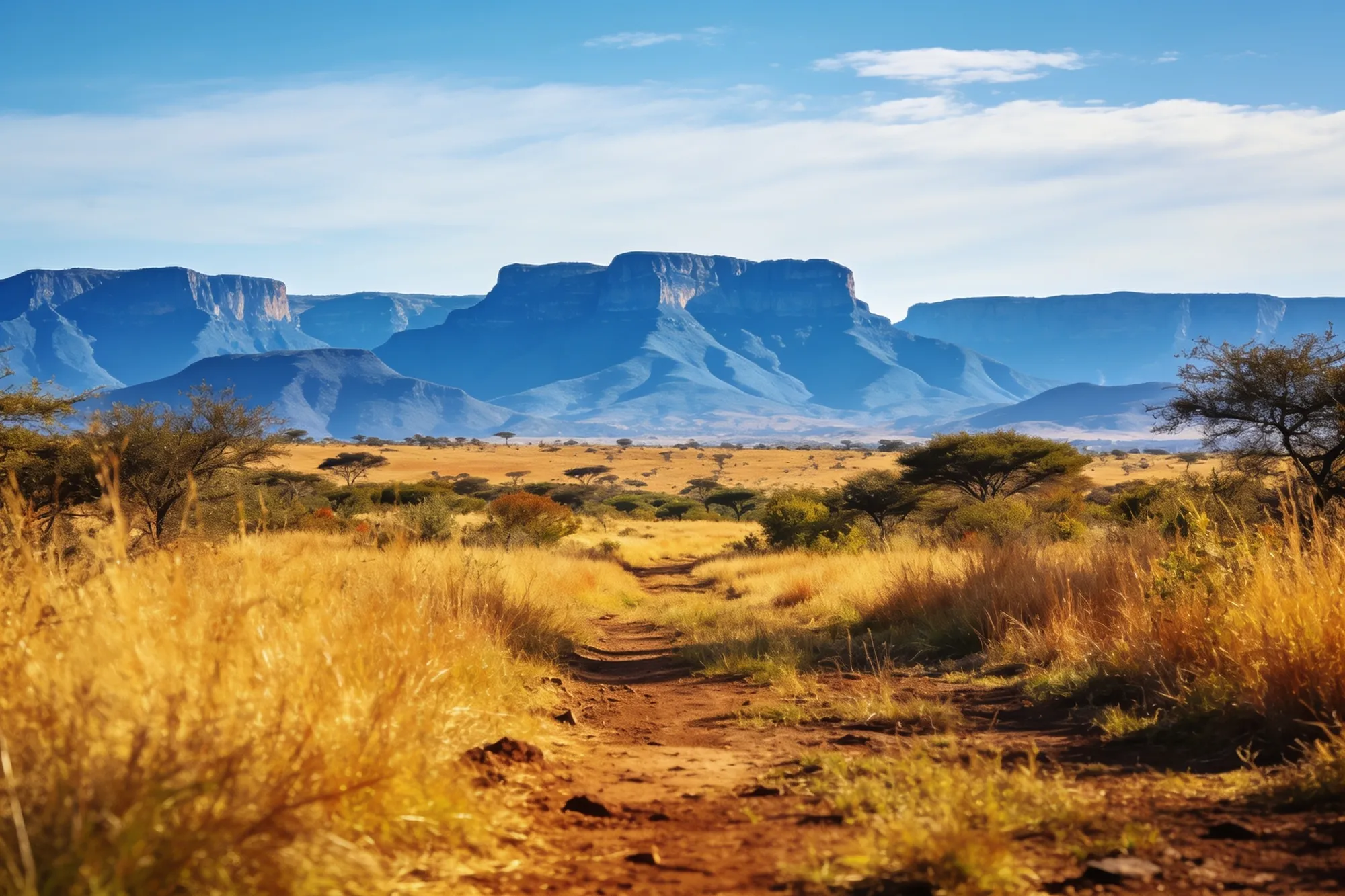
Kruger is where most South Africa trips find their wild heart. It runs about 360 km down the eastern edge of the country, from the Crocodile River in the south to the Limpopo in the north, and it protects all of the Big Five along with several hundred bird species.
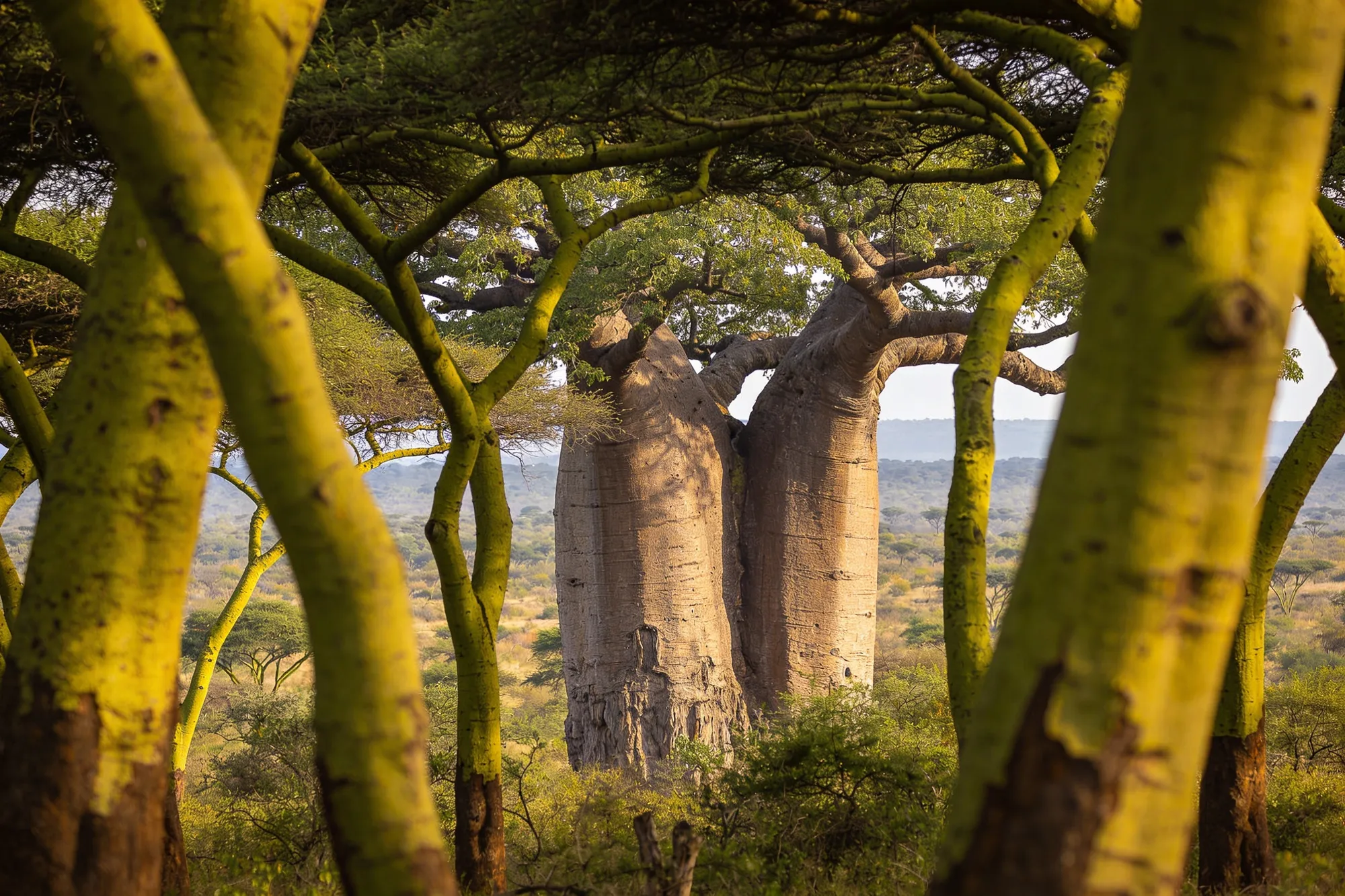
The south is the easy, busy end: tarred roads, a dozen rest camps, and the best general game viewing, especially along the Sabie and Crocodile rivers. Go north and the traffic thins, the bush turns to mopane and baobab, and the birding gets serious around Pafuri.
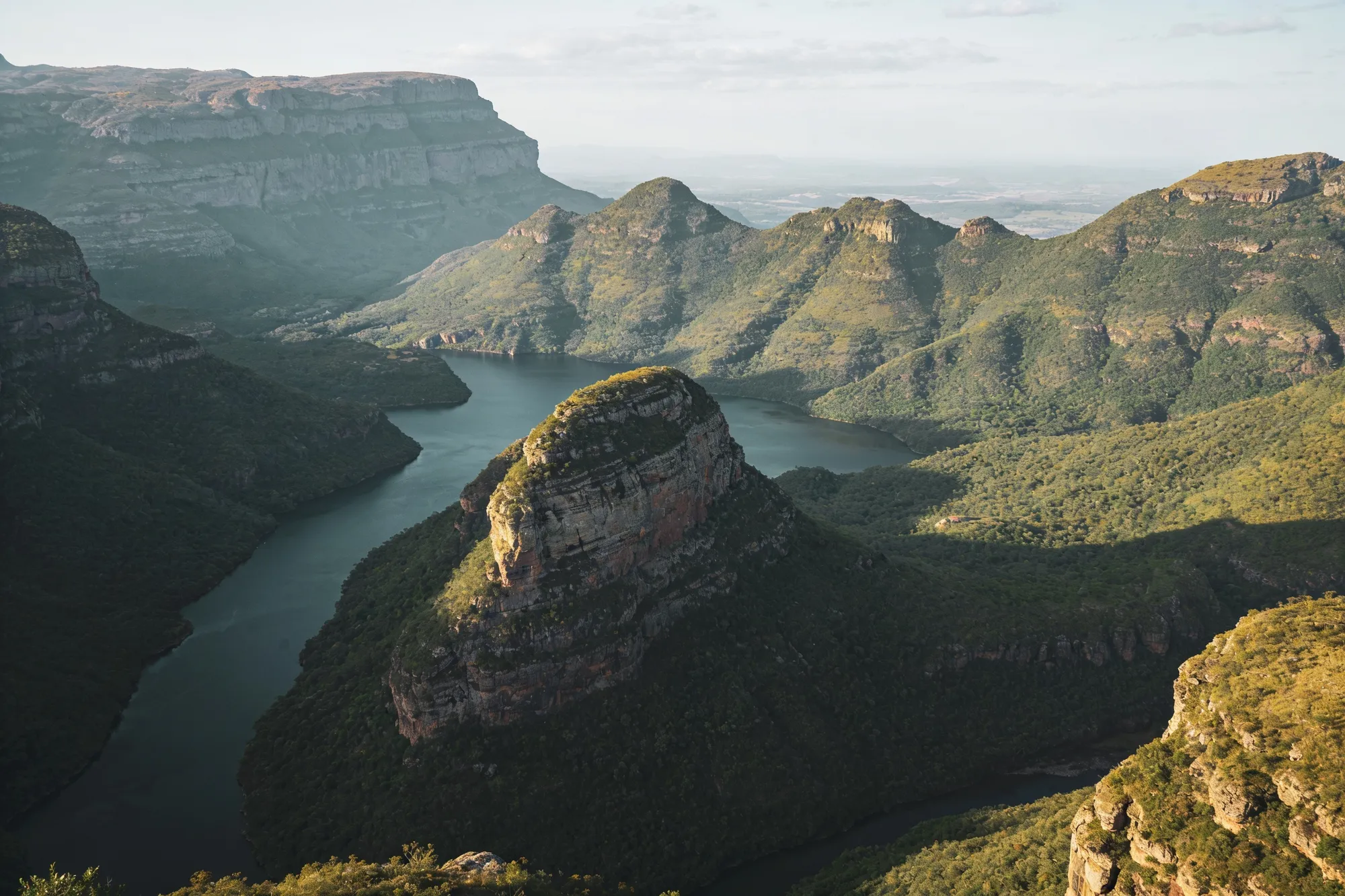
You can do Kruger two ways. Self-drive and sleep in the SANParks rest camps for a budget, do-it-yourself safari, or book a private reserve like Sabi Sand, where rangers track leopard off-road and meals come with the room. Plenty of travellers tack on the Panorama Route and Blyde River Canyon, an hour or two to the west.

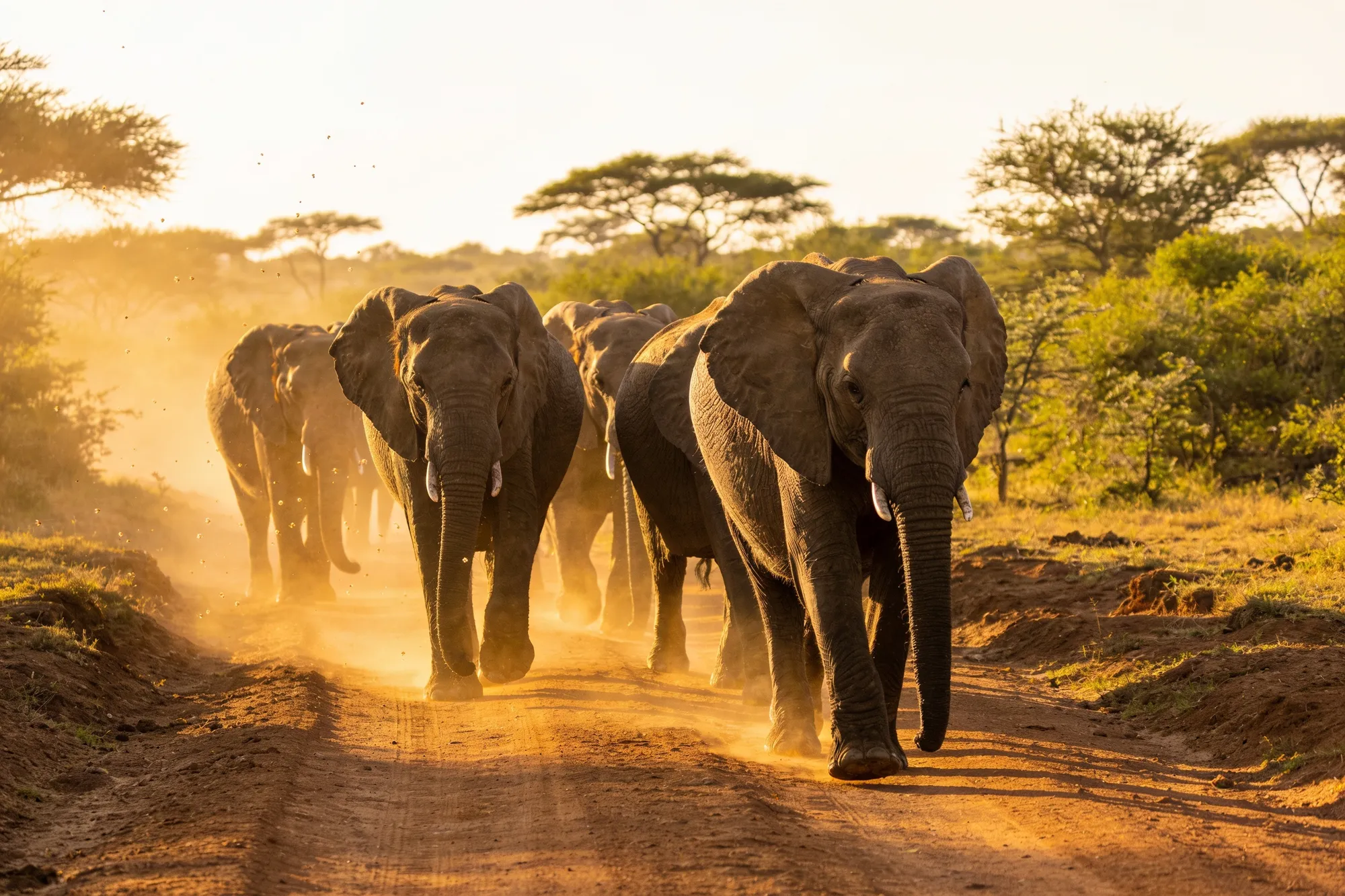
The park's main camp and its busiest corner, for good reason. The Sabie River pulls in elephant, hippo and big cats, and the dense road network here gives you the best odds of a full Big Five day.
Read the visitor guide →
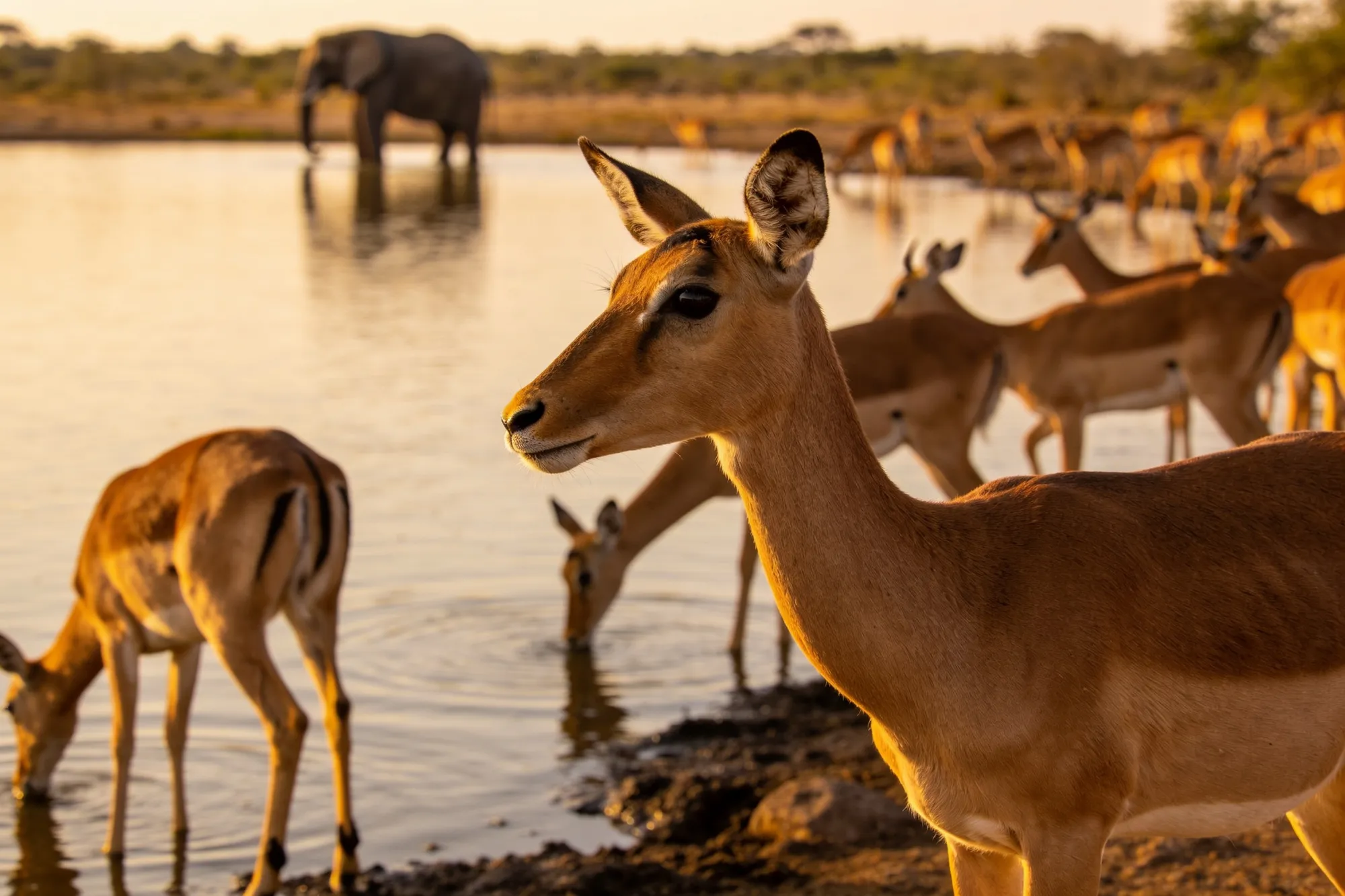
The game-viewing loop most guides rate highest in Kruger. Sunset Dam sits right by the camp and works like a grandstand over a waterhole at dawn and dusk.
Read the visitor guide →
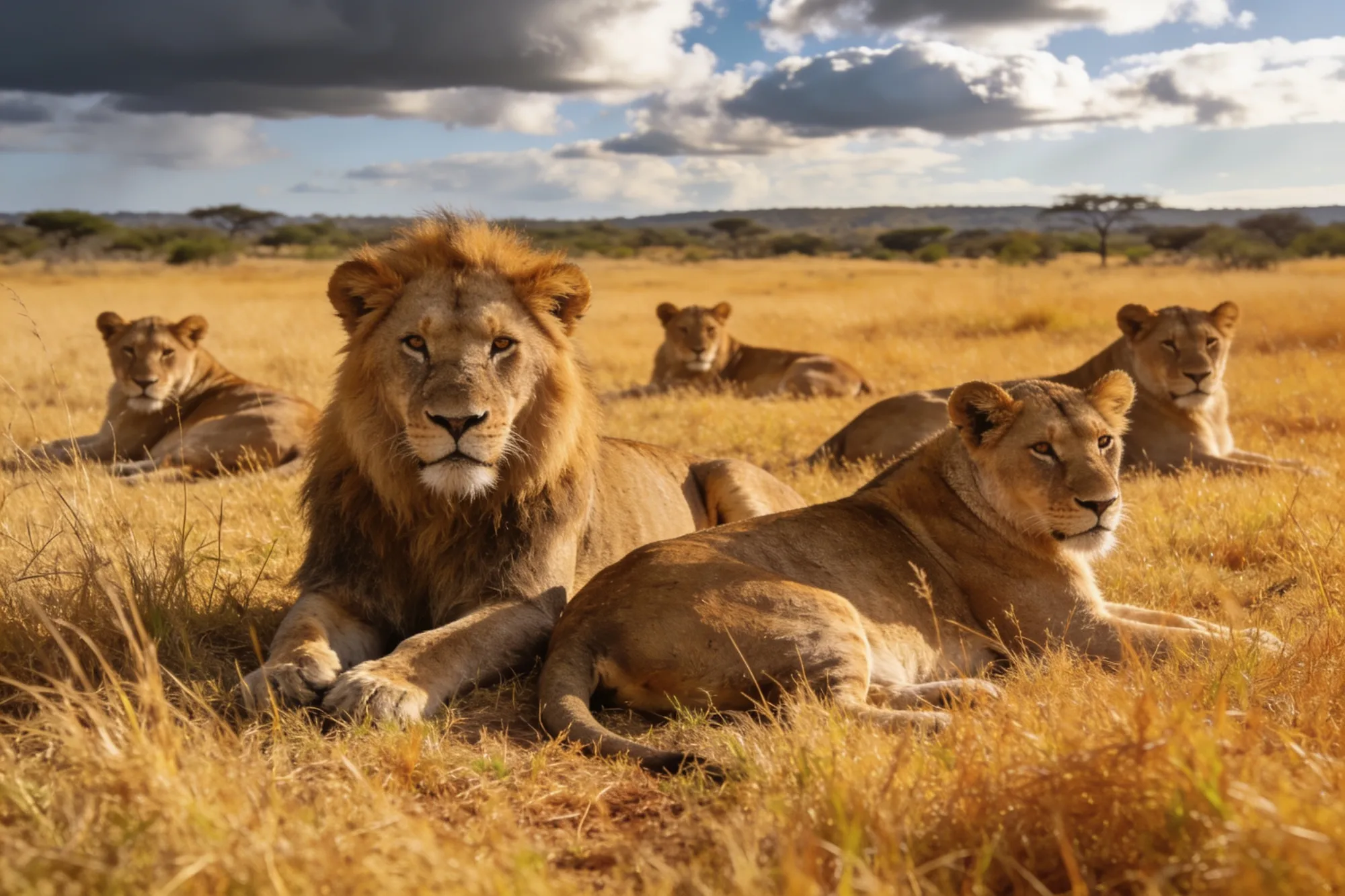
Open grassland that feeds big herds, and the lions and cheetah that follow them. Satara camp is known for the lions you hear roaring at night.
Read the visitor guide →
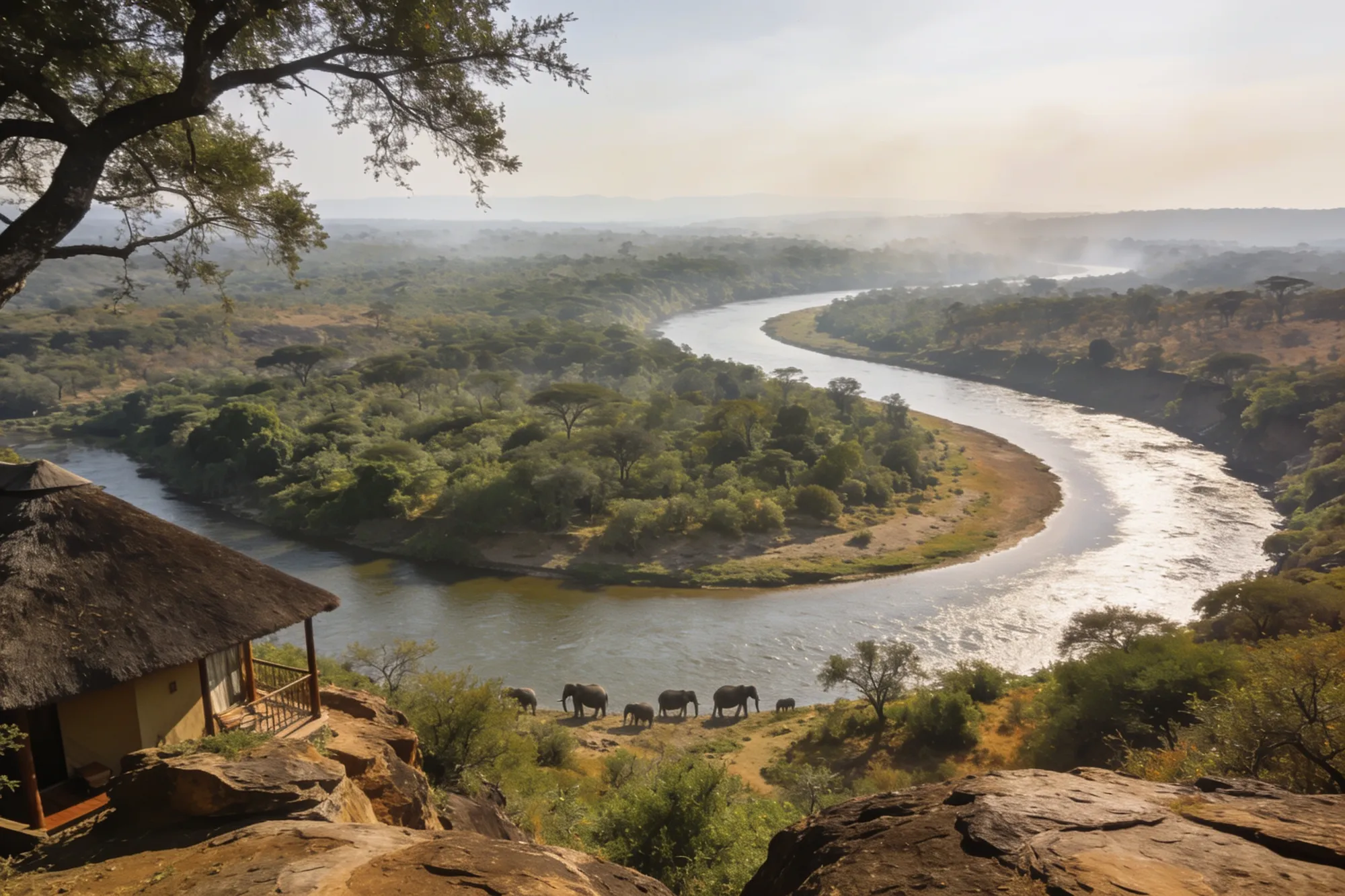
A rest camp set on a cliff above the Olifants River, with one of the best views in any African park. Fewer cars up here, and big elephant herds.
Read the visitor guide →
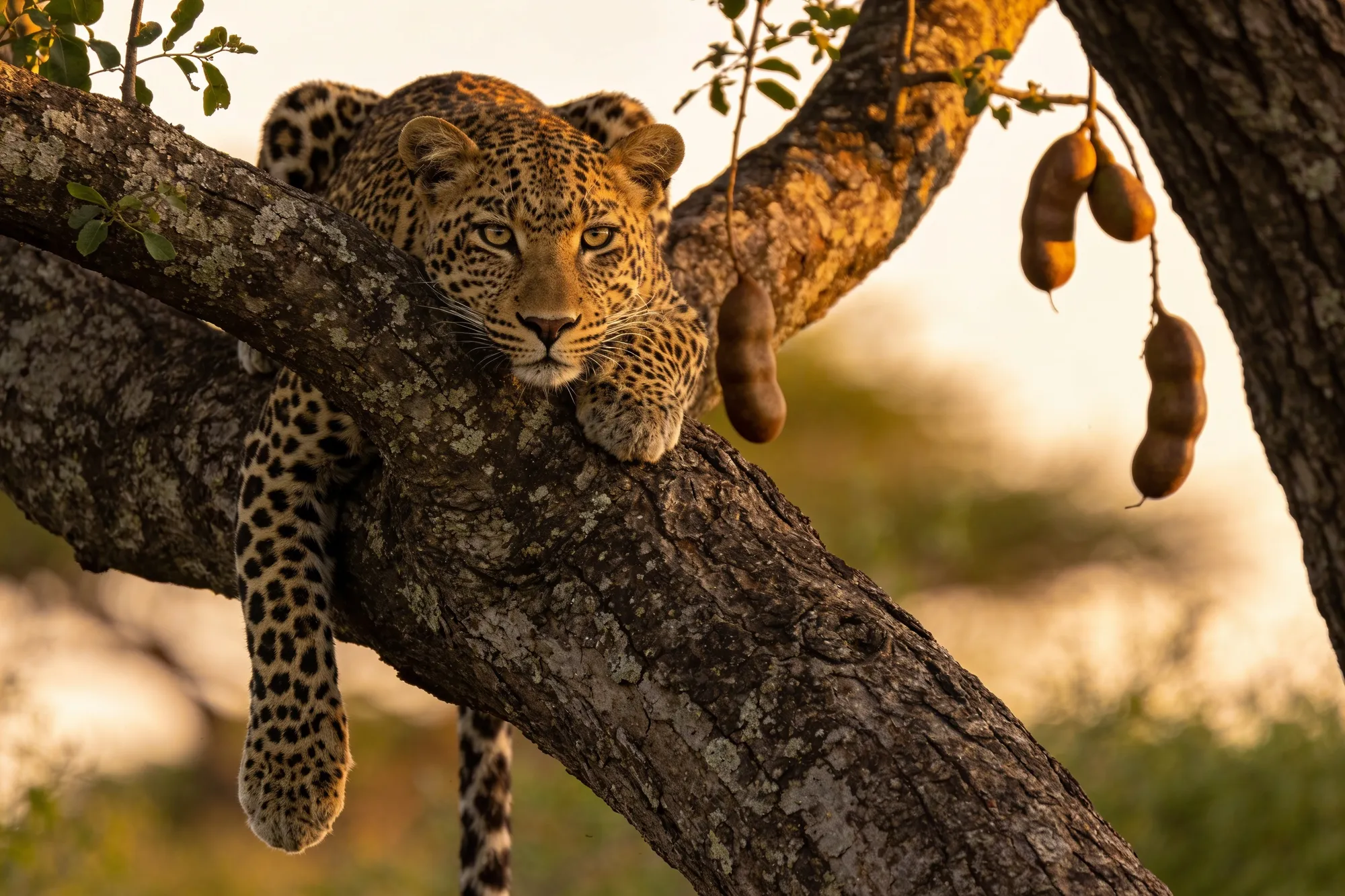
It borders Kruger with no fence between them. Rangers track off-road and lead walking safaris, which is why leopard sightings here are close and reliable. All-inclusive lodges only.
Read the visitor guide →
Fever-tree forests, baobabs and the point where South Africa, Zimbabwe and Mozambique meet. Over 500 bird species have been recorded here, which is why birders drive this far.
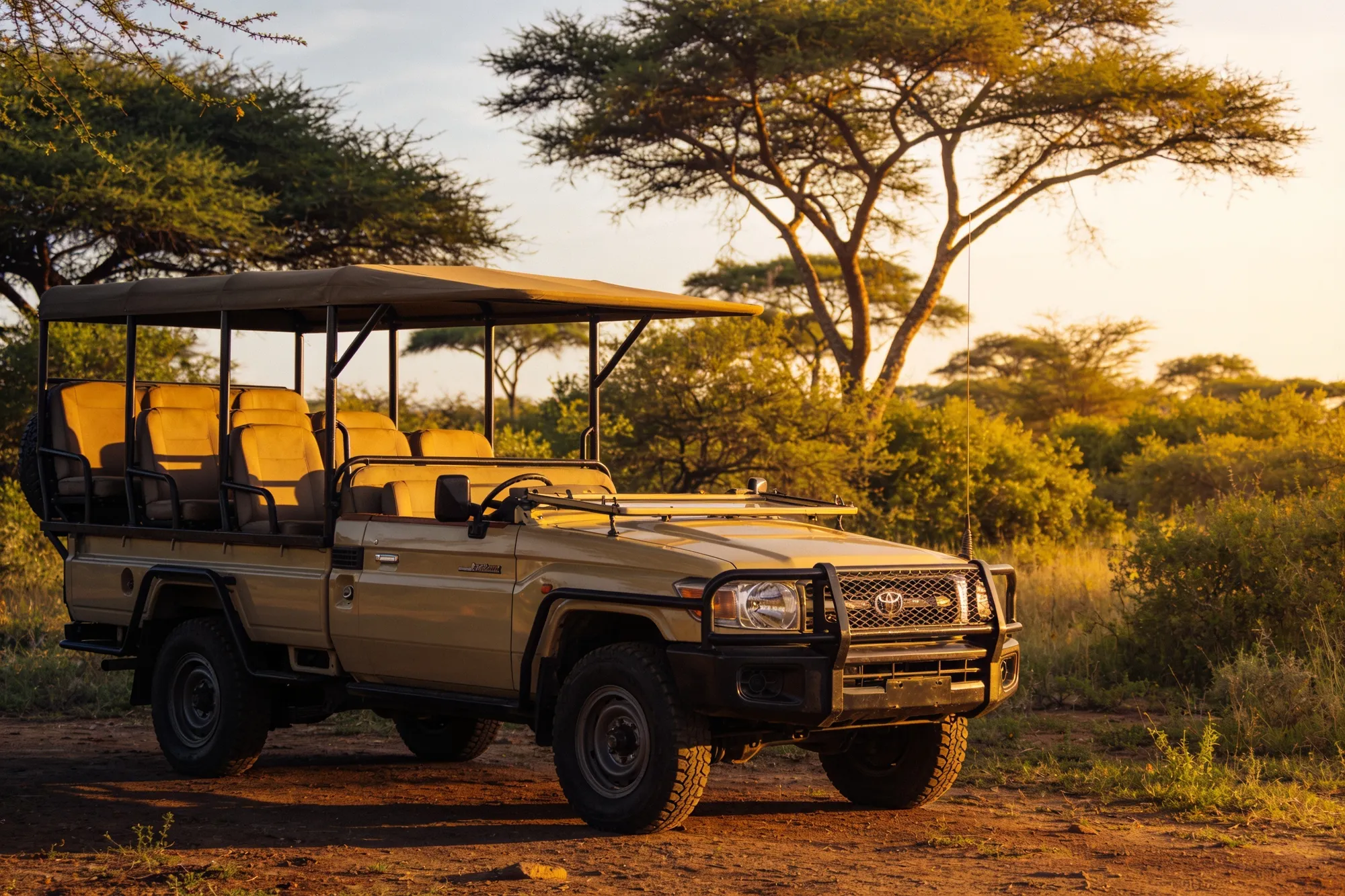
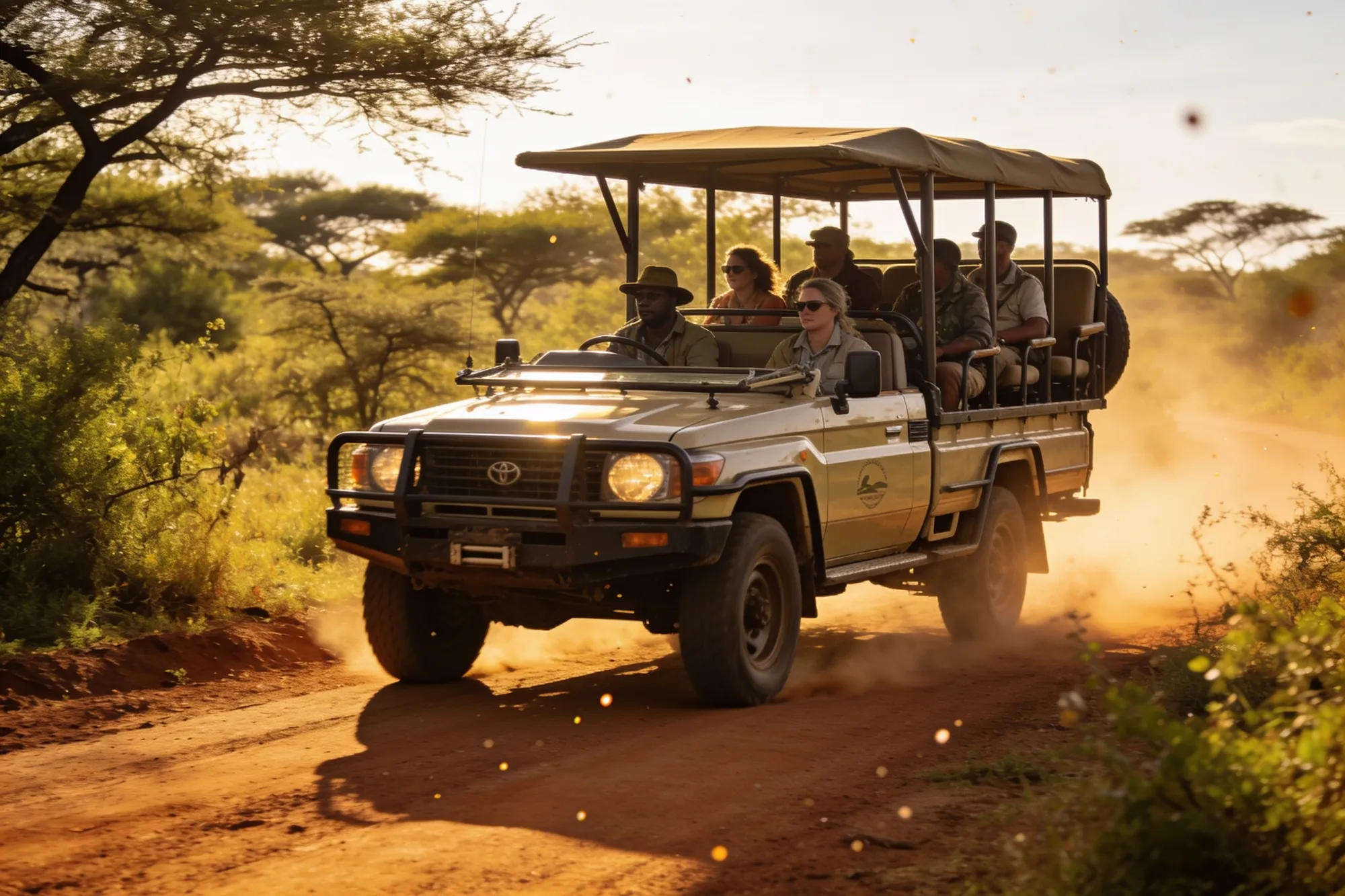
Read the visitor guide →Leave camp as the gates open, for the cool hours when predators are still on the move. Open vehicles sit higher and spot more.
3–4 h · Dawn Book →A guided drive into the dark for the animals you never see self-driving: leopard, civet, bushbaby, hunting hyena.
3 h · Book at camp Book →Track wildlife on foot behind two armed rangers. You learn to read tracks, dung and birdsong instead of ticking off the Big Five.
Half day · Ages 12+ Book →Hire a car, buy a map at the gate and set your own pace between waterholes. The cheapest way to see Kruger.
Full day · Sunrise–sunsetSummer (Nov–Mar) brings migrants and breeding plumage. The rivers and the far north are the hotspots.
Seasonal Book →Drive the escarpment to Blyde River Canyon, the Three Rondavels and God's Window. An easy add-on from the southern gates.
Full day Book →
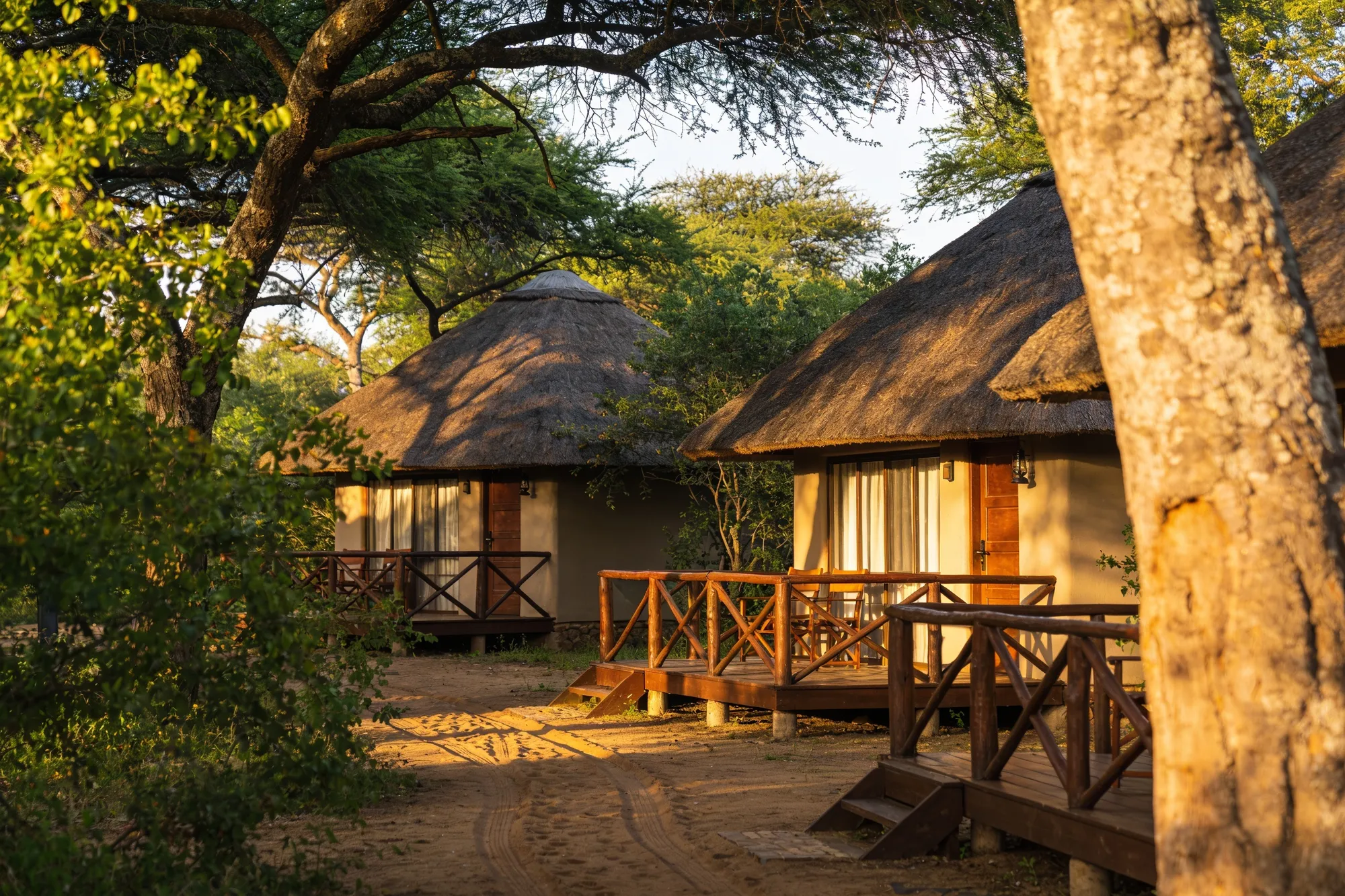
Easiest to reach and richest in game. The SANParks rest camps here are comfortable and affordable, and you can self-drive everything.

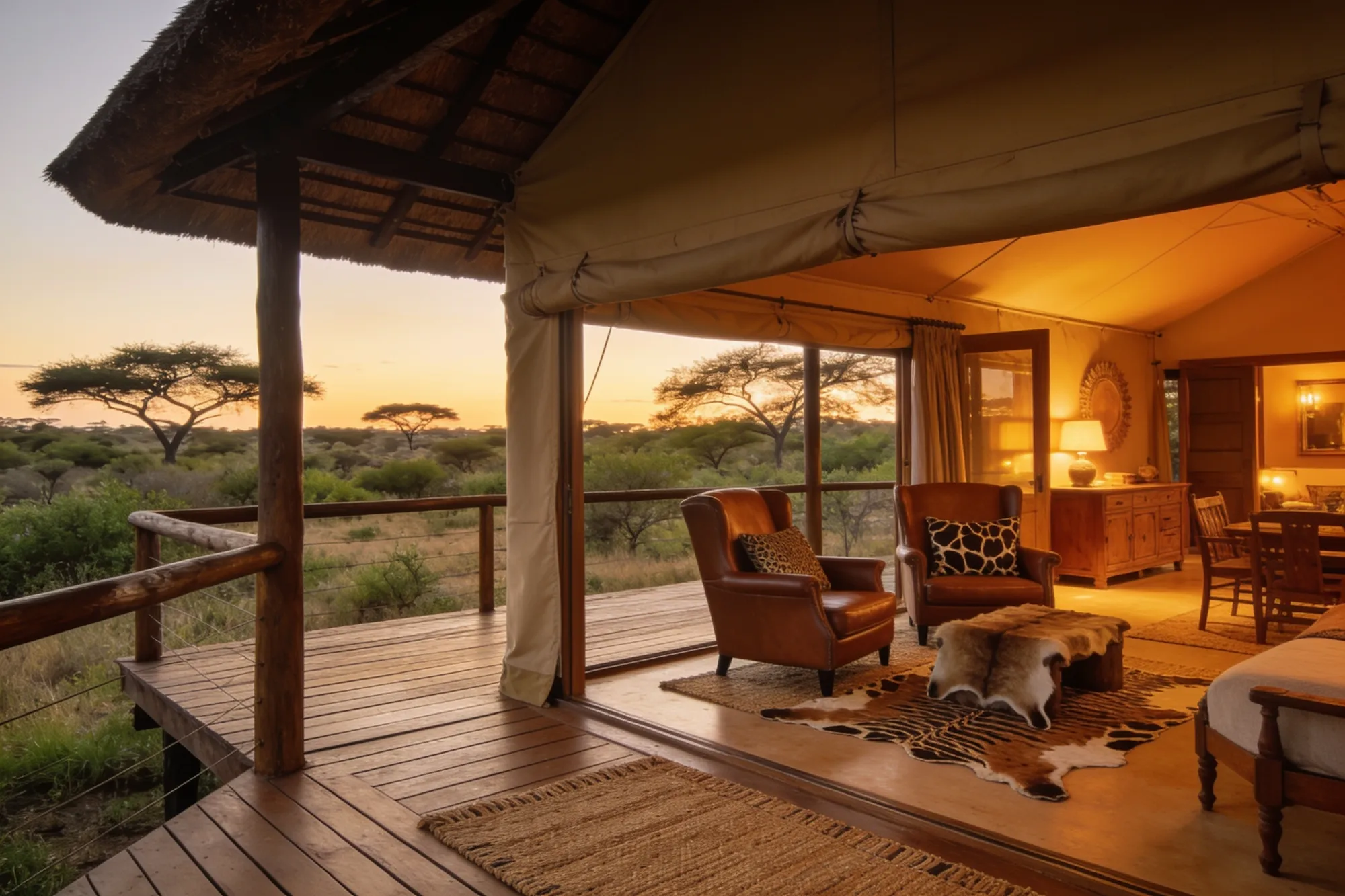
Luxury lodges with their own rangers, off-road drives and walking safaris. All-inclusive, expensive, and the surest bet for leopard.

Sleep outside the park for less and drive in by day. Handy if you want to pair Kruger with the Panorama Route.

A small bush lodge near the northern reserves, with game drives on tap and dinner served under the stars.

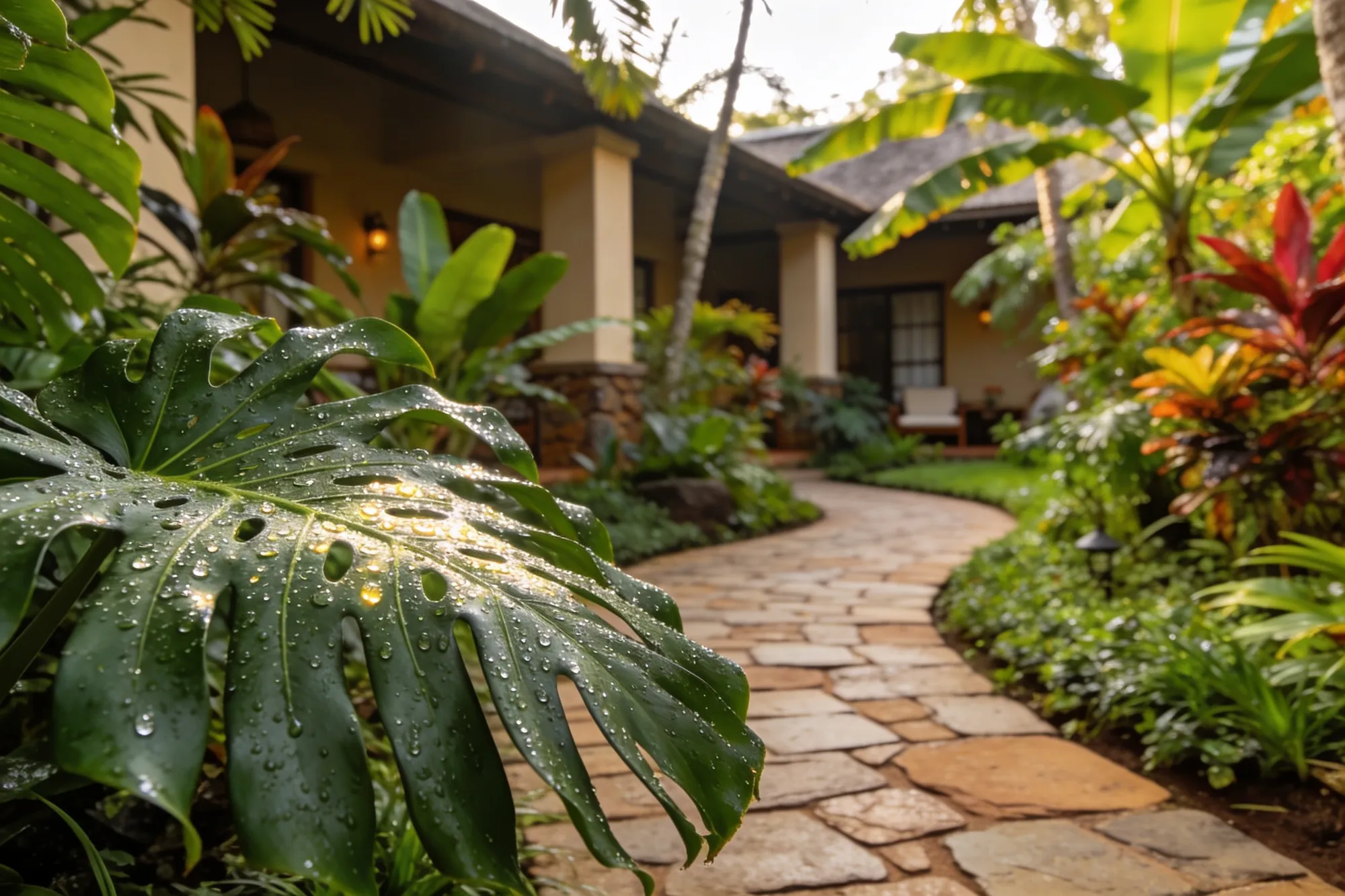
A relaxed boutique hotel near the southern gates, in a green garden setting. A good base for self-drive days in the park.

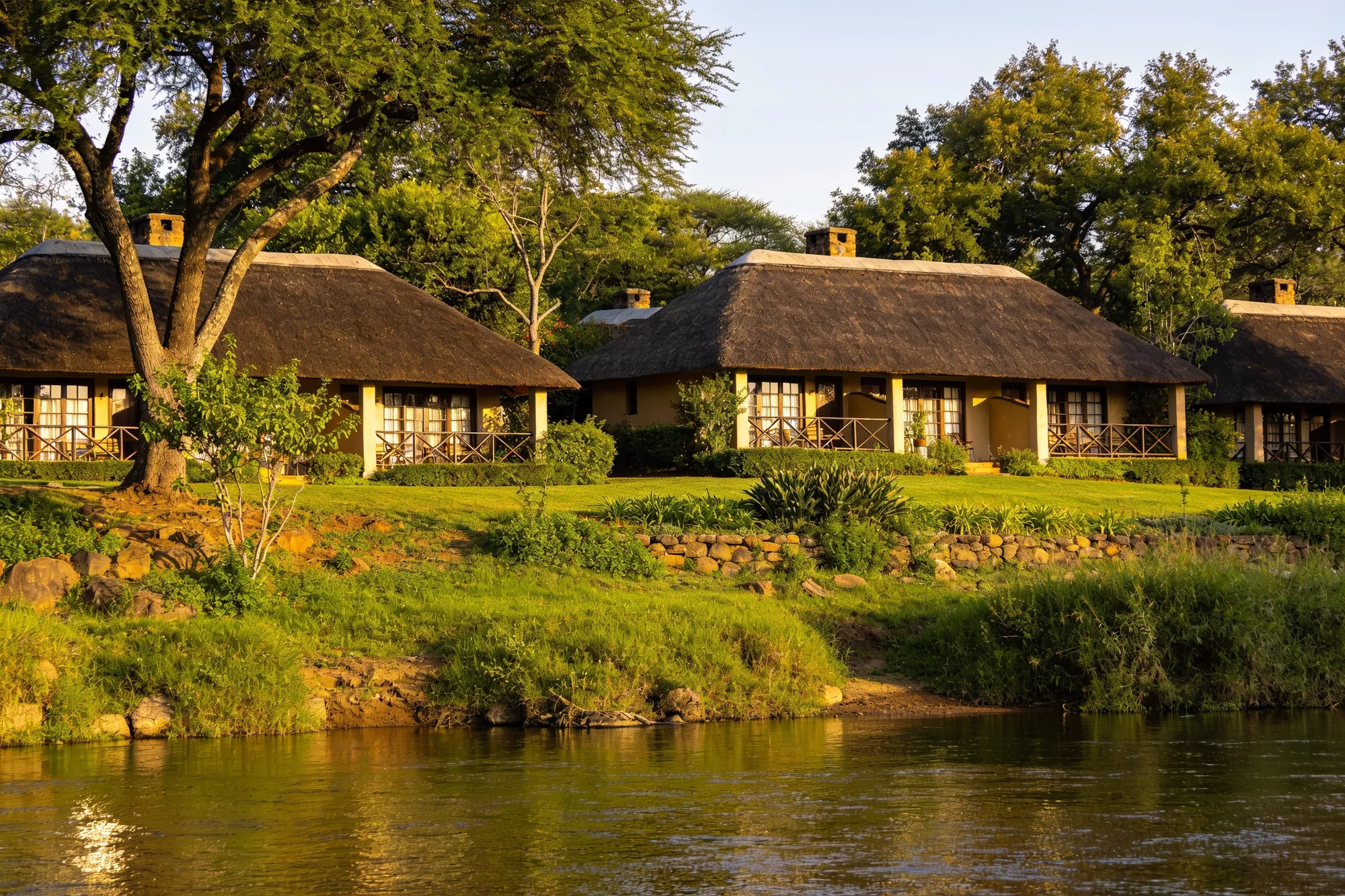
On the Sabie River, with hippos below the deck and family rooms. Quick reach of the Phabeni and Numbi gates.
Fly Johannesburg to Skukuza (SZK) inside the park, or to Kruger Mpumalanga (MQP) an hour from the southern gates. Hoedspruit (HDS) suits the north. Self-driving from Joburg takes about 5 hours.
Sealed and gravel roads are fine in a normal car. Gates open at sunrise and you must be back in camp by sunset. Guided drives reach hours and areas you can't on your own.
Type M plugs, 230 V. Signal is patchy in the bush but works around the main camps. A local eSIM (Vodacom, MTN) is the simplest fix.
Dry winter (May–Sep) is best for game viewing: thin bush, animals at the water. Green summer (Oct–Mar) is hot and lush, good for birds and newborns, with afternoon storms.
Kruger is a low-risk malaria area, highest in summer. Ask a travel doctor about prophylaxis before you go. In the park, stay in your vehicle and keep your distance from animals.
The rand (ZAR). A daily SANParks conservation fee is paid at the gate. Cards work in the camps. Rest camps and gateway hotels are affordable; private lodges run into the hundreds of euros a night.

Kruger pairs naturally with the Panorama Route, or with a Cape Town and Garden Route trip. See our ready-made itineraries.