South Africa Travel Guide · Updated 2026
South Africa Guide
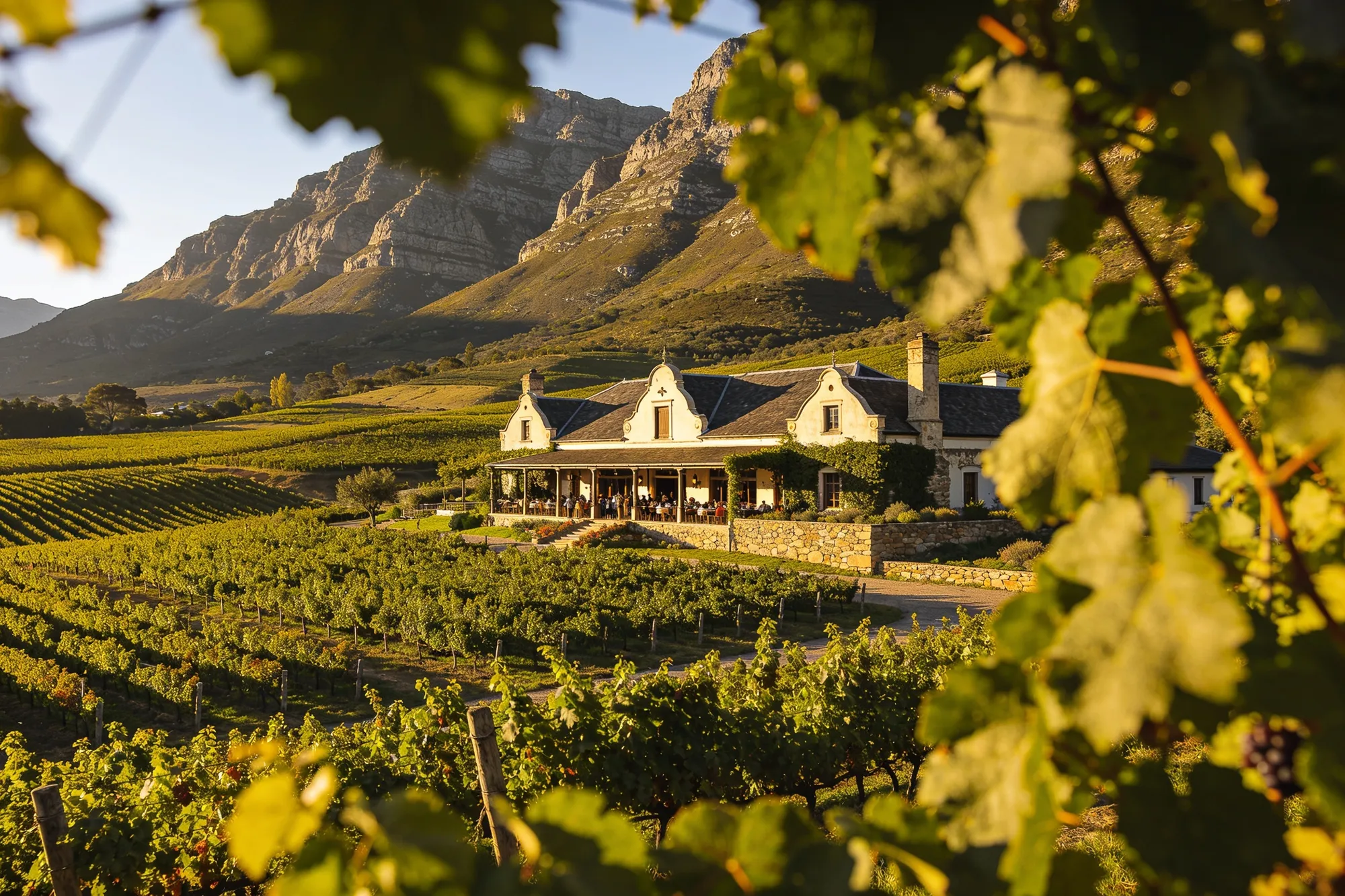
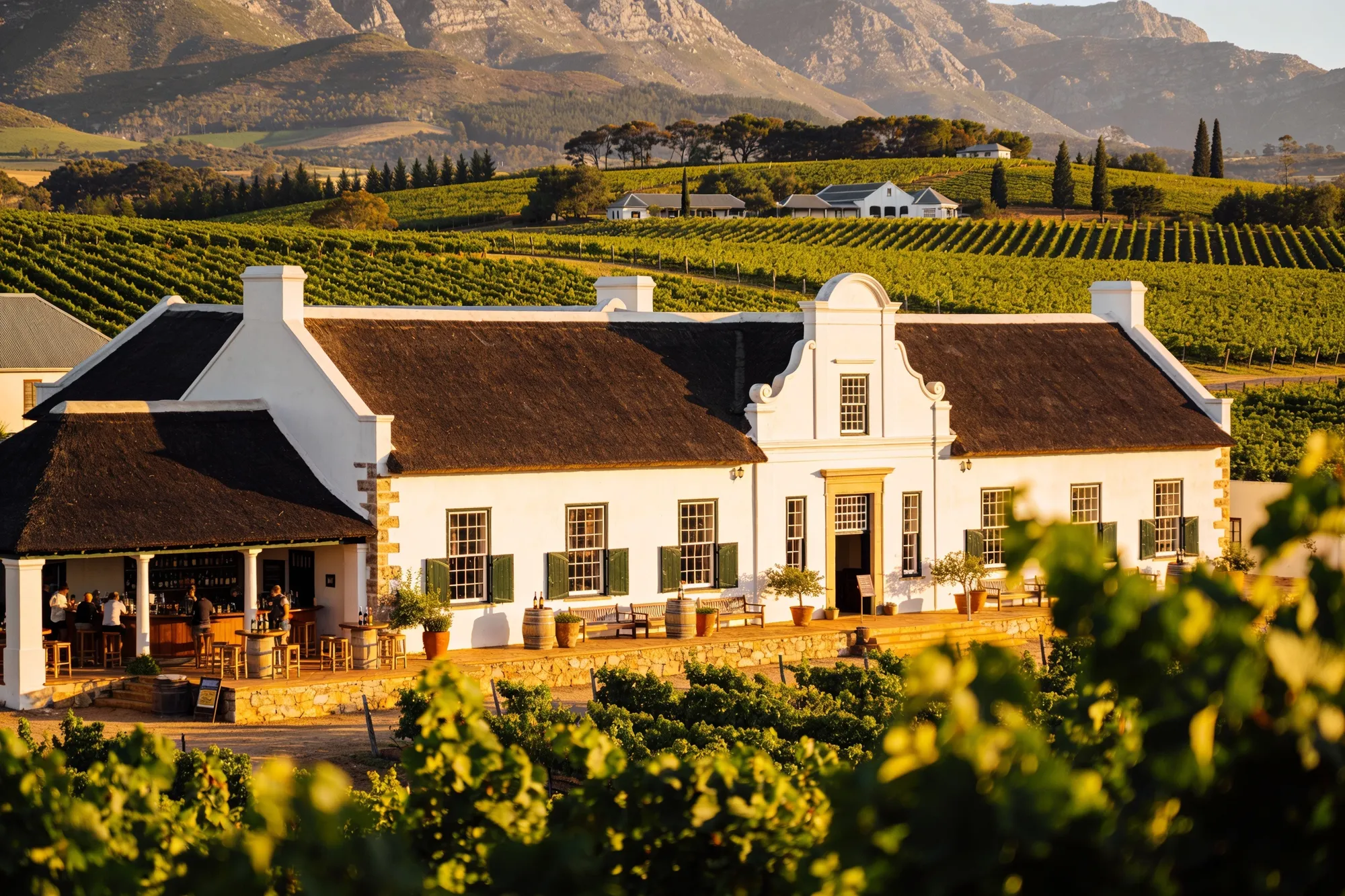
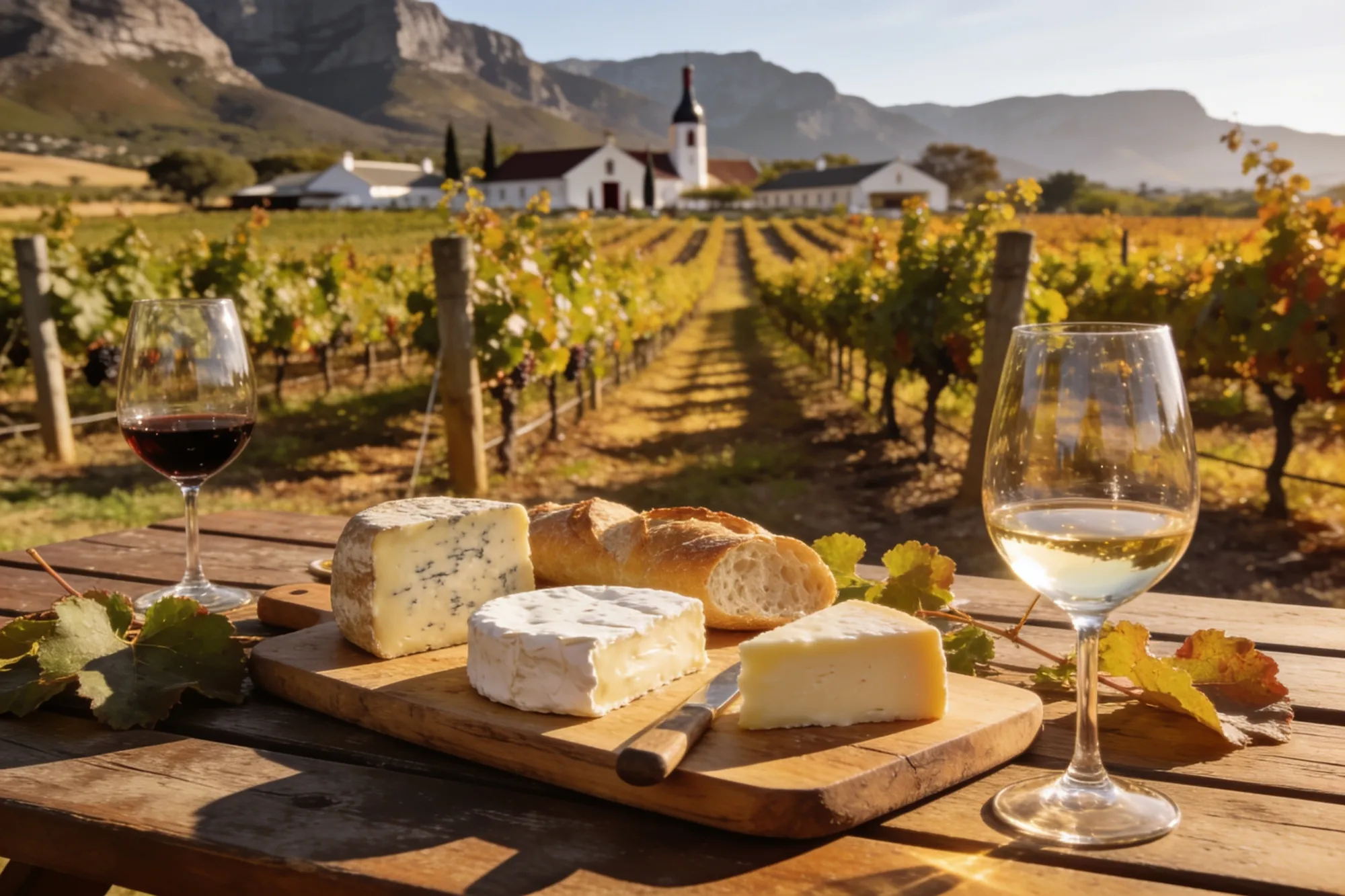
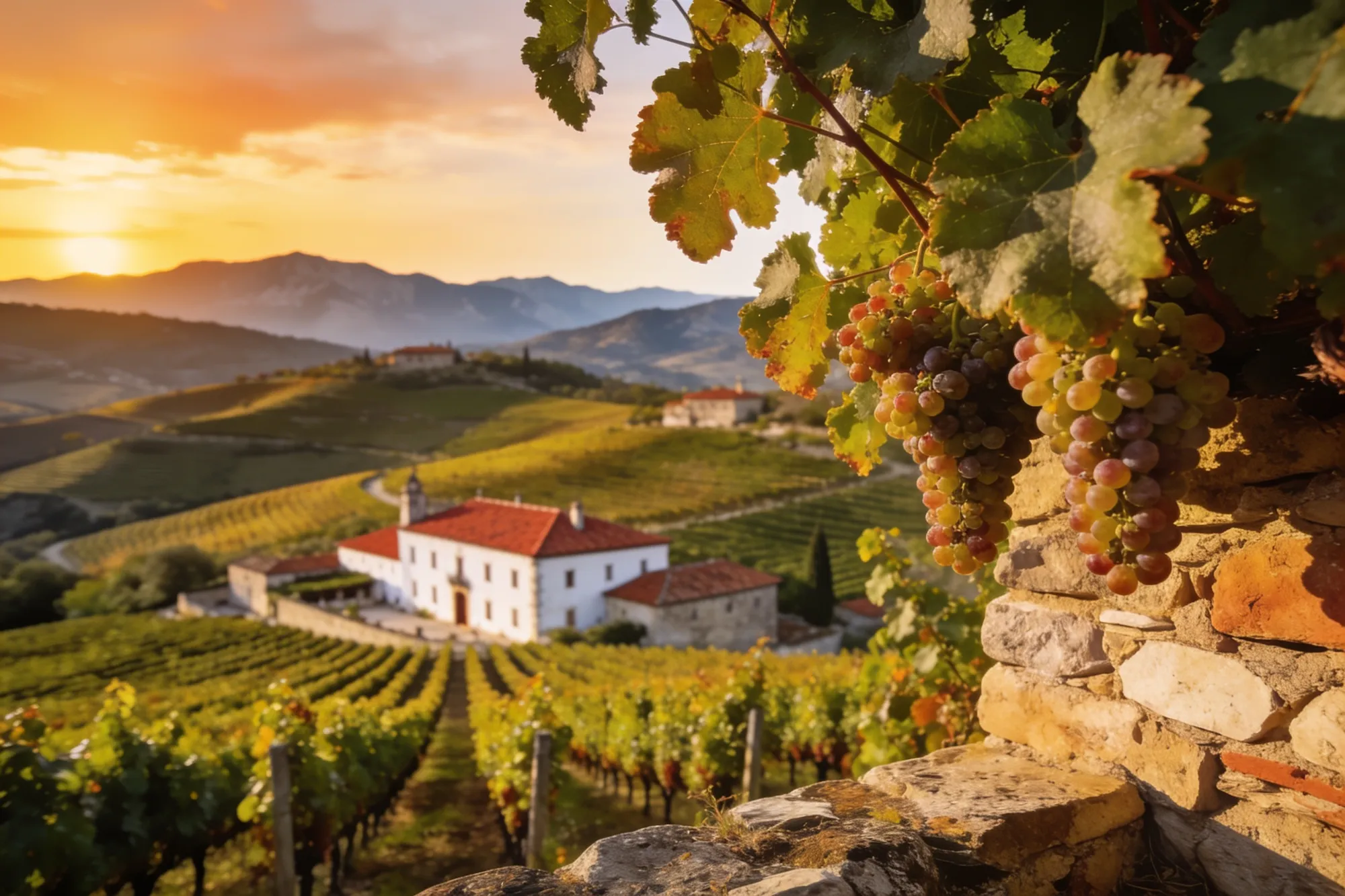
Vineyards below mountains in the Stellenbosch winelands at golden hour
Food & wine

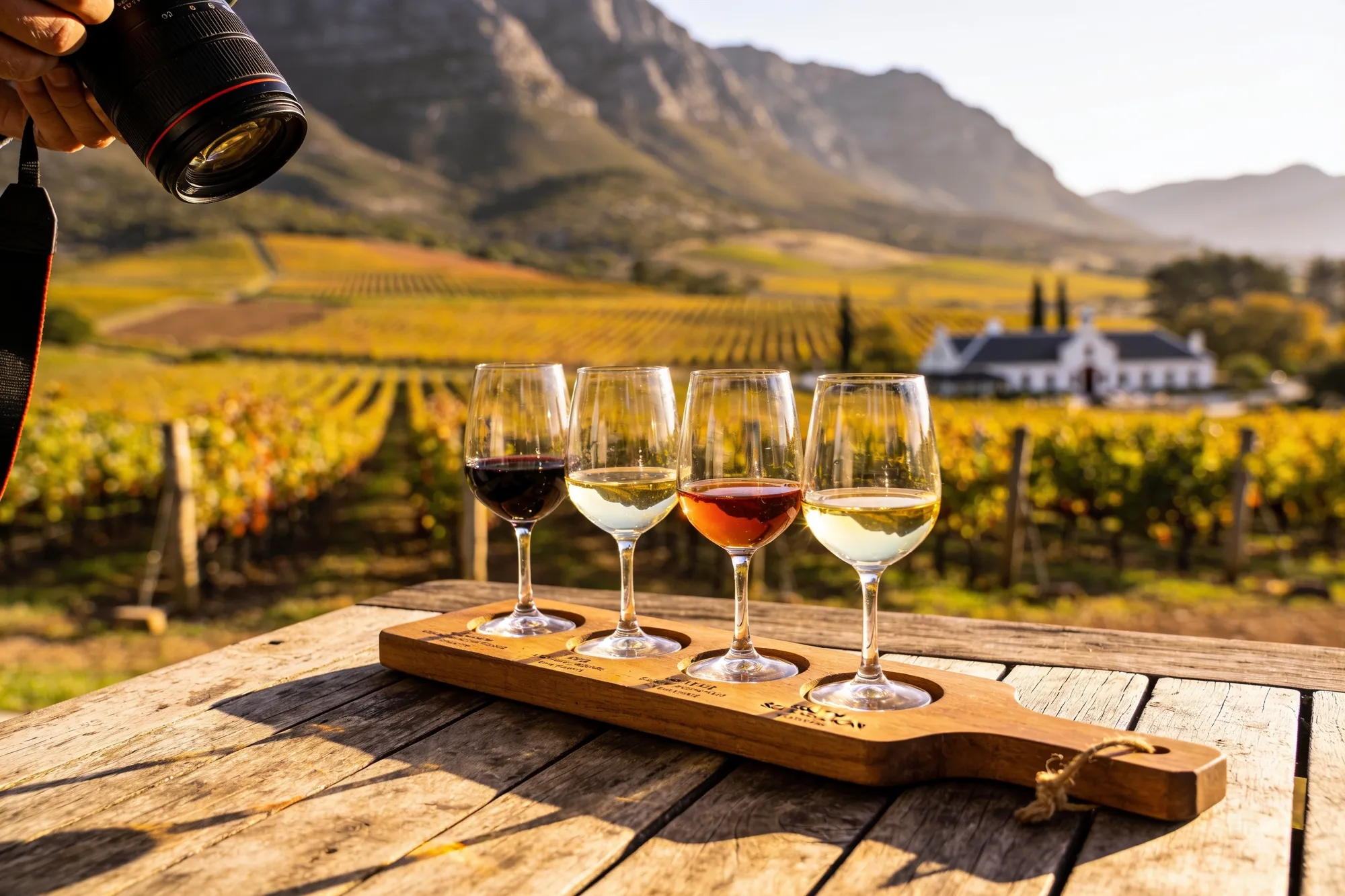
Wine tasting in South Africa

South Africa has made wine since 1659, and today its regions run from the Cape Winelands to cool coastal Walker Bay. Here is where to taste, which grapes to look for, and how to do it.

Heartland
Cape Winelands, an hour from Cape Town
Signature grape
Pinotage, born here in 1925
Harvest
February to April
Tasting fees
Around R50-R200 per tasting
Overview

South Africa has been making wine since 1659, when the first grapes were pressed at the Cape, and the industry the country has today was shaped by two forces: French Huguenot settlers who brought their craft to Franschhoek, and the end of apartheid in 1994, which reopened the world’s markets and triggered a quality revolution. The result is a wine country that punches well above its size, with estates an easy hour from Cape Town and a back catalogue that runs from a 1685 farm to a Swartland start-up.

This page is the overview, not a single town. The heartland is the Cape Winelands, the trio of Stellenbosch, Franschhoek and Paarl, with Constantia tucked inside Cape Town itself and cooler regions like Walker Bay, Robertson, Swartland and Elgin spreading out beyond. Two grapes are worth knowing before you arrive: Pinotage, a 1925 South African cross that exists nowhere else, and Chenin Blanc, the country’s most planted variety and quietly its best-value white. Add the local sparkling, Méthode Cap Classique, and the Wine of Origin system that certifies where each bottle comes from, and you have the shape of the place. Our guides to Stellenbosch, Franschhoek and the Wine Tram cover the towns and the logistics in detail.

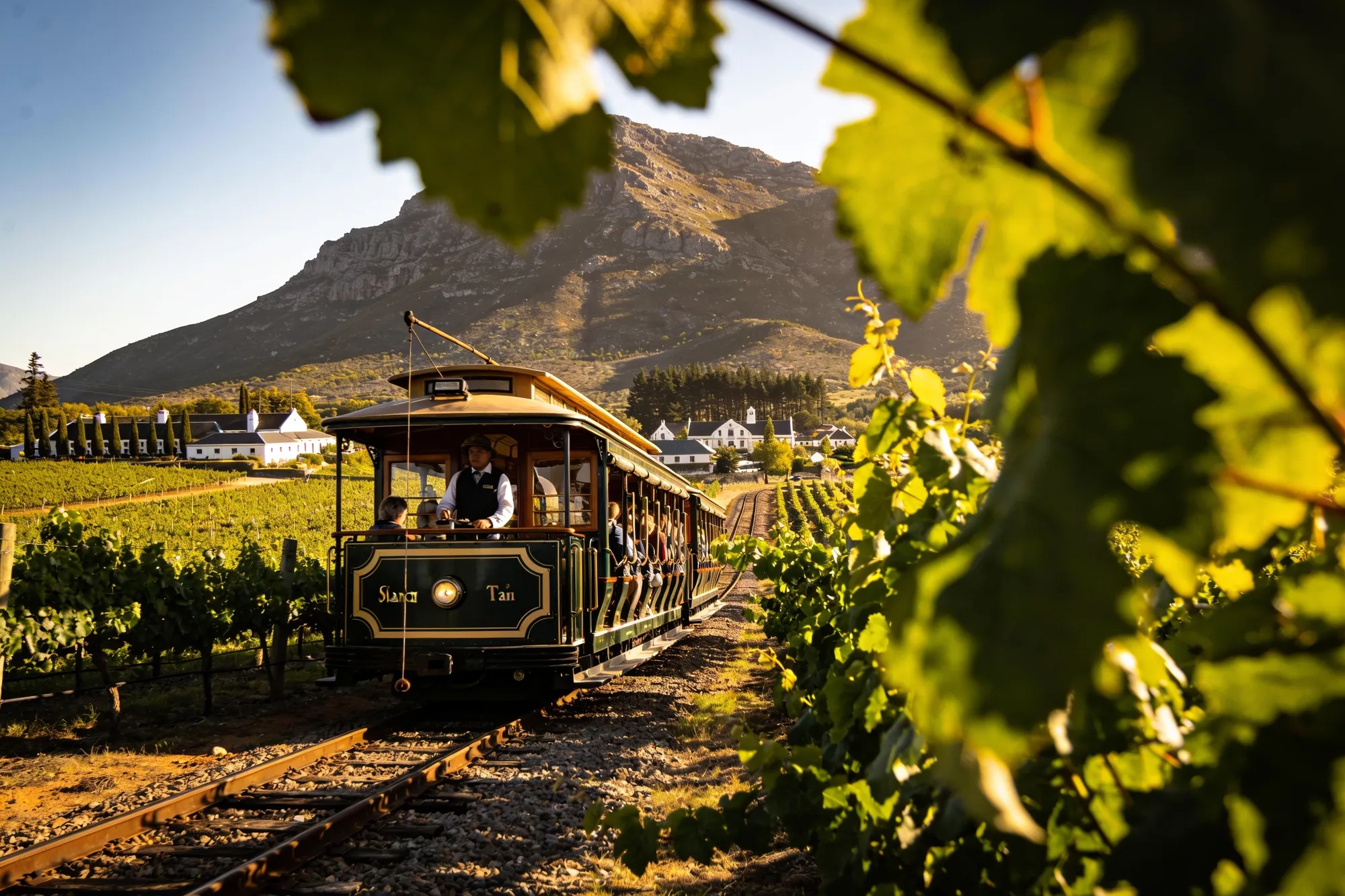
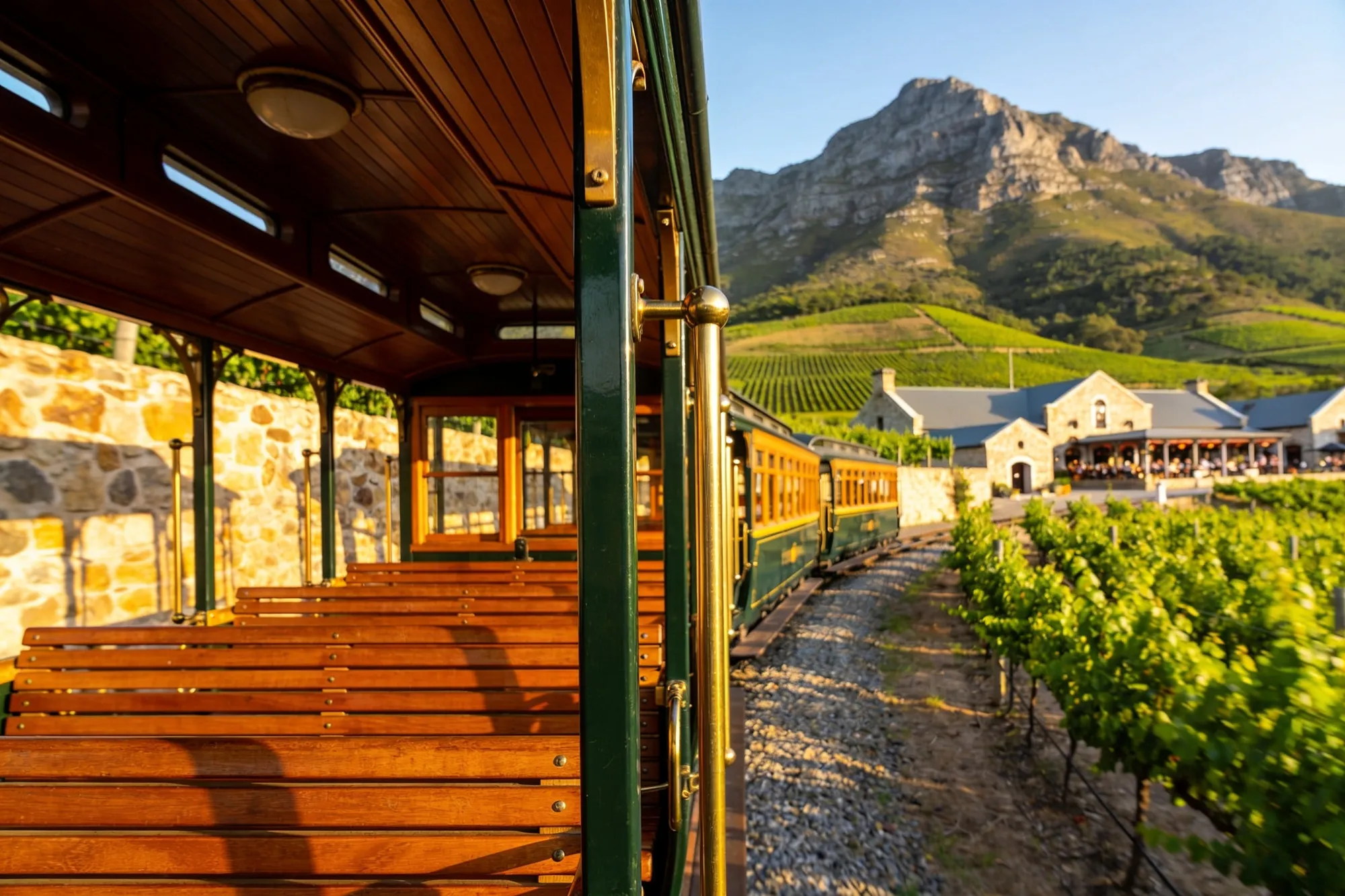
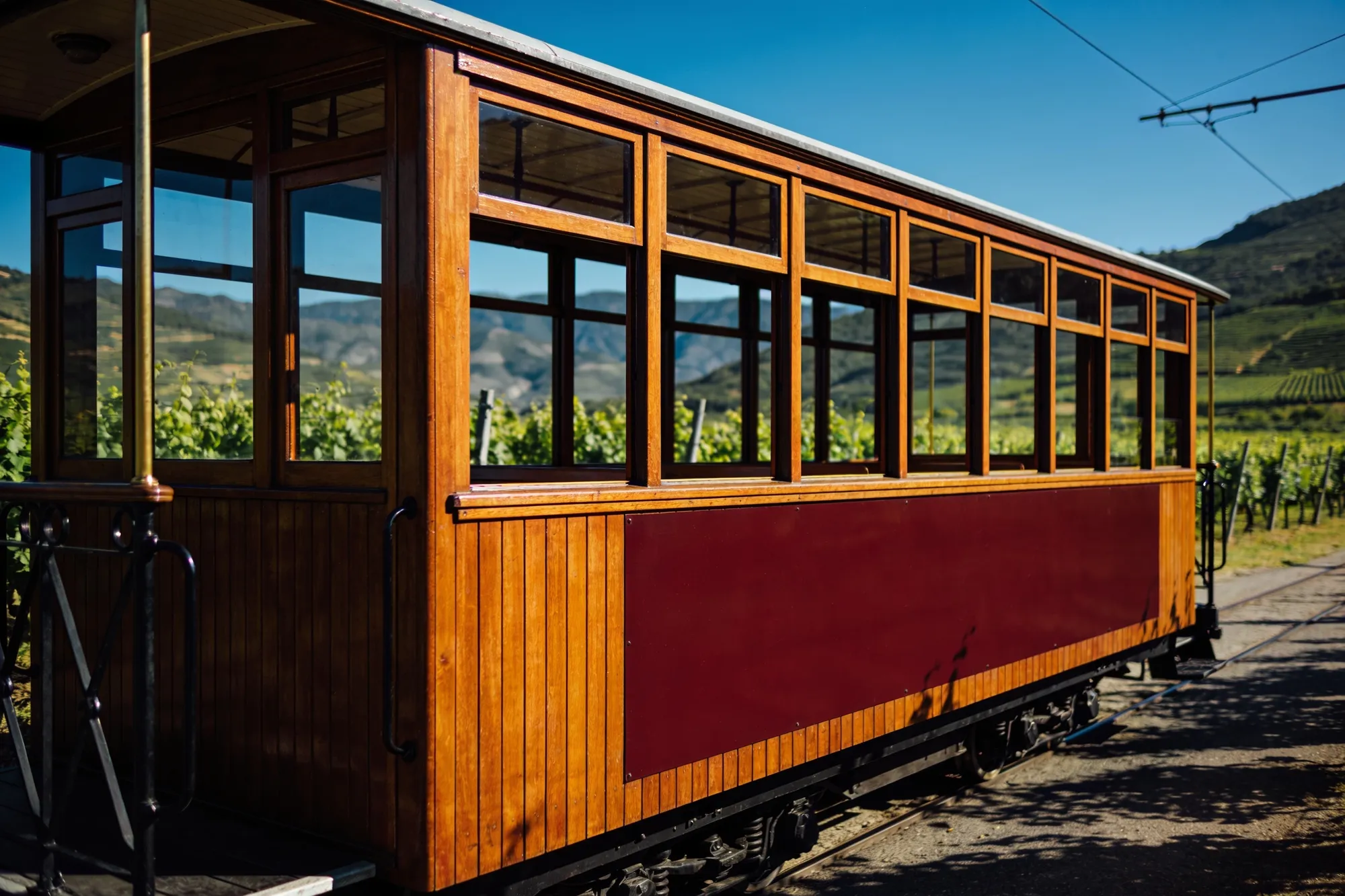
The one decision that shapes a wine day is how you get around, because tasting and driving don’t mix. The Franschhoek Wine Tram is the sociable, sober way to hop between estates, a private tour with a driver gives you the run of the region, and a group tour from Cape Town is the cheapest hands-off option. Self-drive works only with a designated driver, which rather defeats the day. Pick three or four estates rather than eight, book a long lunch in the middle, and visit in harvest from February to April if you can, when the cellars are working and the vines are full.

How to choose

How to taste your way through

The decision is which region, which grapes, and how to get between estates without someone having to stay sober at the wheel.

Cape Winelands, Constantia or further out
Option 1: Choose your region

Cape Winelands, Constantia or further out

Most first trips go to the Cape Winelands, the trio of Stellenbosch, Franschhoek and Paarl an hour from Cape Town. Stellenbosch is the largest and most varied, Franschhoek the prettiest and most food-led, Paarl the quietest. Constantia sits inside Cape Town itself, the oldest vineyards in the country and an easy half-day. Beyond them, Walker Bay near Hermanus makes cool-climate whites and pinot noir, Robertson is a warm inland valley, and Swartland is where the independent winemakers are reinventing things. Our city guides cover each town; this is about which to pick.

StellenboschFranschhoekConstantia
Pinotage, Chenin and the rest
Option 2: Know the grapes

Pinotage, Chenin and the rest

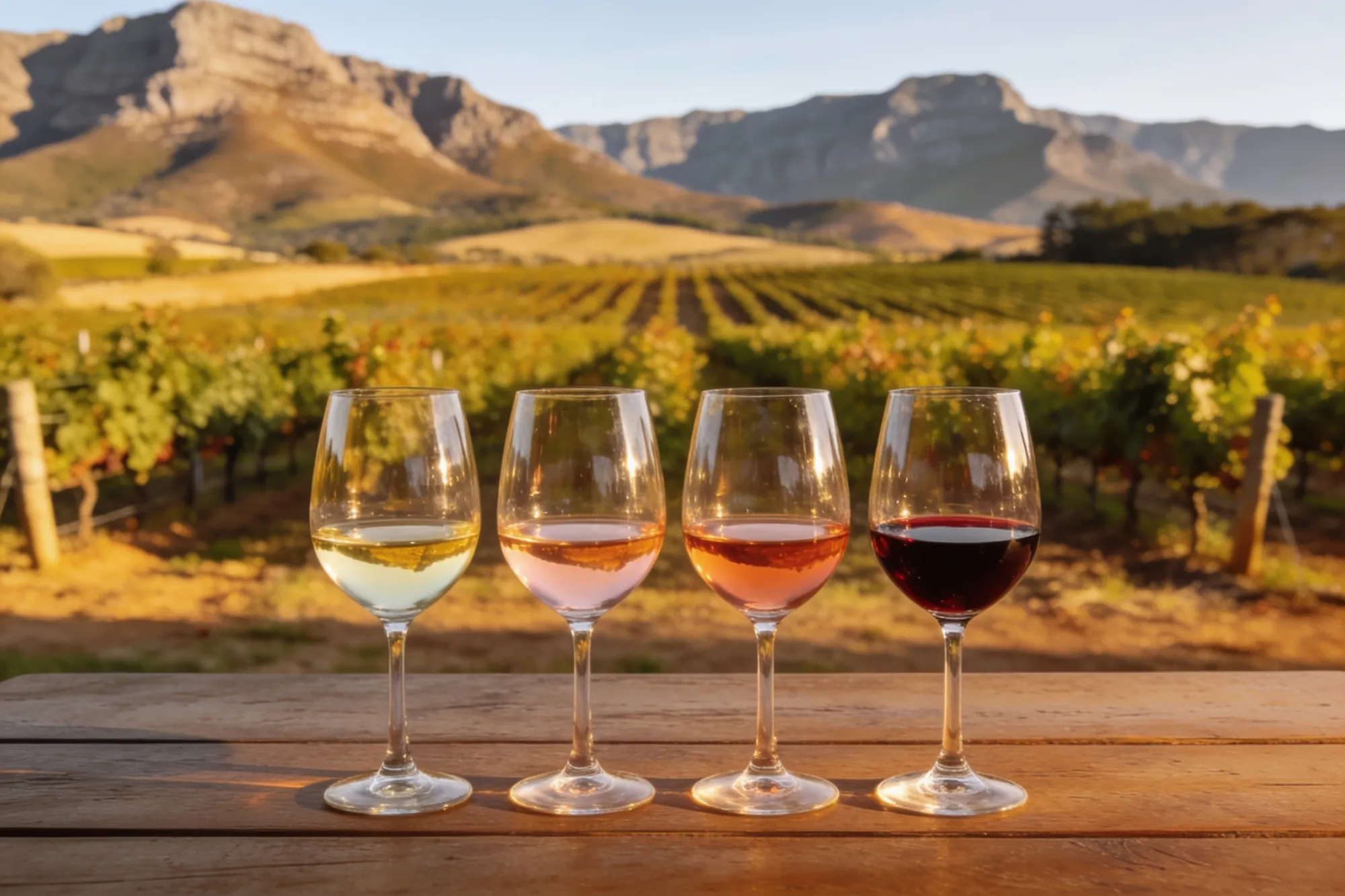
Two grapes tell South Africa's story. Pinotage is its own, a 1925 cross of Pinot Noir and Cinsault by Abraham Perold, dark and smoky and divisive. Chenin Blanc, known locally as Steen, is the most planted grape in the country and ranges from crisp to rich. Add Sauvignon Blanc, Cabernet Sauvignon and Shiraz among the reds, and Méthode Cap Classique, the local sparkling made like Champagne. Tasting a flight of these, side by side, is the fastest way to understand what the Cape does well.

PinotageChenin BlancMCC
Tram, private tour, e-bike or self-drive
Option 3: Decide how to get around

Tram, private tour, e-bike or self-drive

How you travel shapes the day. The Franschhoek Wine Tram is the easy, sociable hop-on hop-off option, and our Wine Tram guide covers the lines. A private tour with a driver lets you choose the estates and taste freely. A group tour from Cape Town is the cheapest hands-off route. Self-drive gives total freedom but needs a designated driver, which is the catch on a wine day. E-bike tours around Stellenbosch split the difference for a slower, sober pace.

Wine TramPrivate tourDesignated driver
Good to know

Tips to do it well

1

Sort the driving before you book

Tasting and driving don't mix, and the Winelands roads are policed. Take the wine tram, a guided tour or a private driver, or nominate someone to stay dry. Decide this first, because it shapes which estates you can reach.

2

Three or four estates is plenty

It's tempting to cram in six. Don't. Three or four tastings with a lunch in the middle is a better day than a blur of eight. Pick a mix: one big name, one small grower, one with a view.

3

Don't skip Pinotage because you've heard it's harsh

Cheap Pinotage gave the grape a bad name. A good one, from a serious producer, is worth the open mind, and it's the one wine you can't taste anywhere else. Ask the estate for their best example.

4

Book lunch, especially in Franschhoek

The best estate restaurants fill up, particularly in Franschhoek and over weekends. Reserve a table when you plan the day, and build the tastings around it rather than the other way round.

5

Visit in harvest if you can

February to April is harvest, when the cellars are working and the vines are heavy. The Winelands are beautiful year-round, but a tasting feels different when the grapes are actually coming in.

6

Tasting fees are small and often waived

Most estates charge around R50 to R200 to taste, frequently deducted if you buy a bottle. It's not the expensive part of the day, so taste widely rather than rationing yourself to the cheapest cellars.

Plan & book

Ways to experience it

Book a wine tour through our partners, at the same price as booking direct.

Private Cape Winelands tour

A private full-day tour from Cape Town with a driver, tasting at estates of your choice across Stellenbosch and Franschhoek.

See private tours →

Stellenbosch wine tour

A guided small-group day in the Stellenbosch winelands, with cellar tastings and a vineyard lunch.

See Stellenbosch tours →

Constantia wine tasting

A half-day in Constantia within Cape Town, the country's oldest vineyards, including Groot Constantia.

Book on Viator →

Stay in the Winelands

Guesthouses and wine estates to stay on in Stellenbosch, Franschhoek and Paarl, for a slower visit.

Find a stay →

We may earn a commission when you book through our partner links — at no extra cost to you.

Find your bearings

Where to go

Make it part of your trip

Build your South Africa trip

Wine is one half of a Winelands trip. See the towns, food and mountains that come with it.

All activities See the itineraries