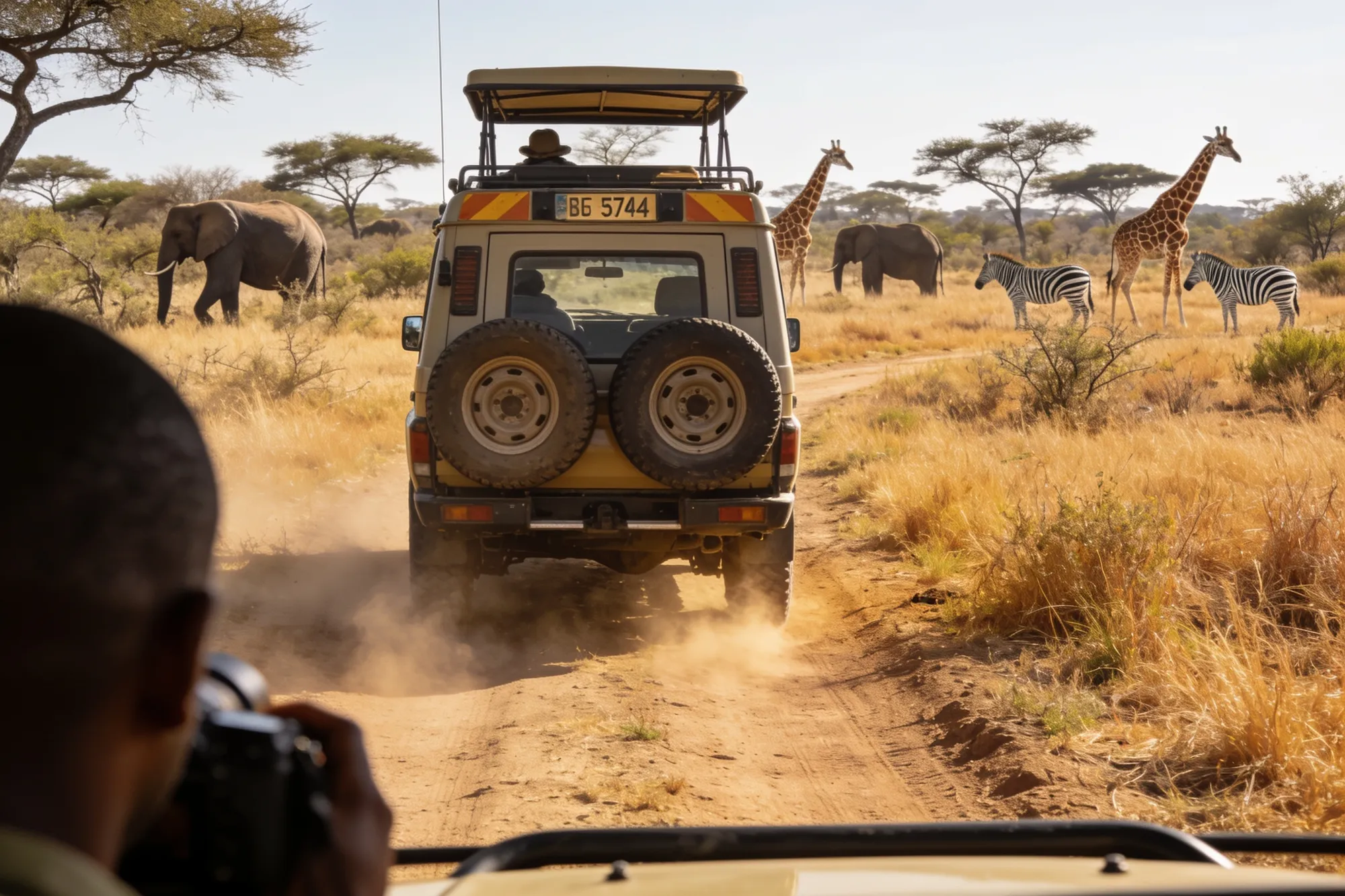
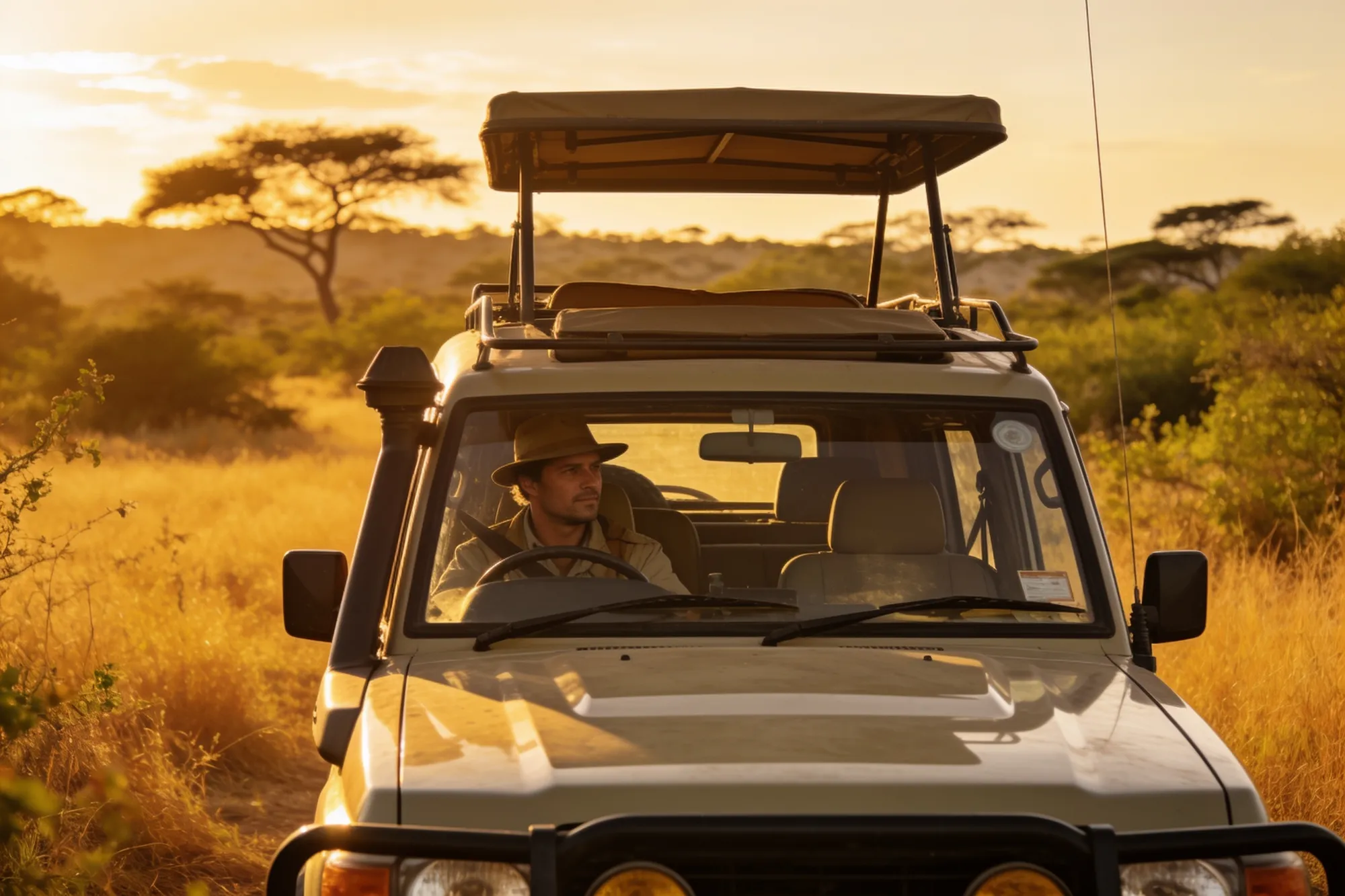
Sabi Sand is the most famous private reserve in South Africa, and the surest place on earth to see a leopard. It covers 65,000 hectares along the western edge of Kruger, and since the dividing fences came down in 1993 it has shared a fifty-kilometre open border with the national park. The animals are the same, moving freely between the two. What changes is how you see them, and what it costs.
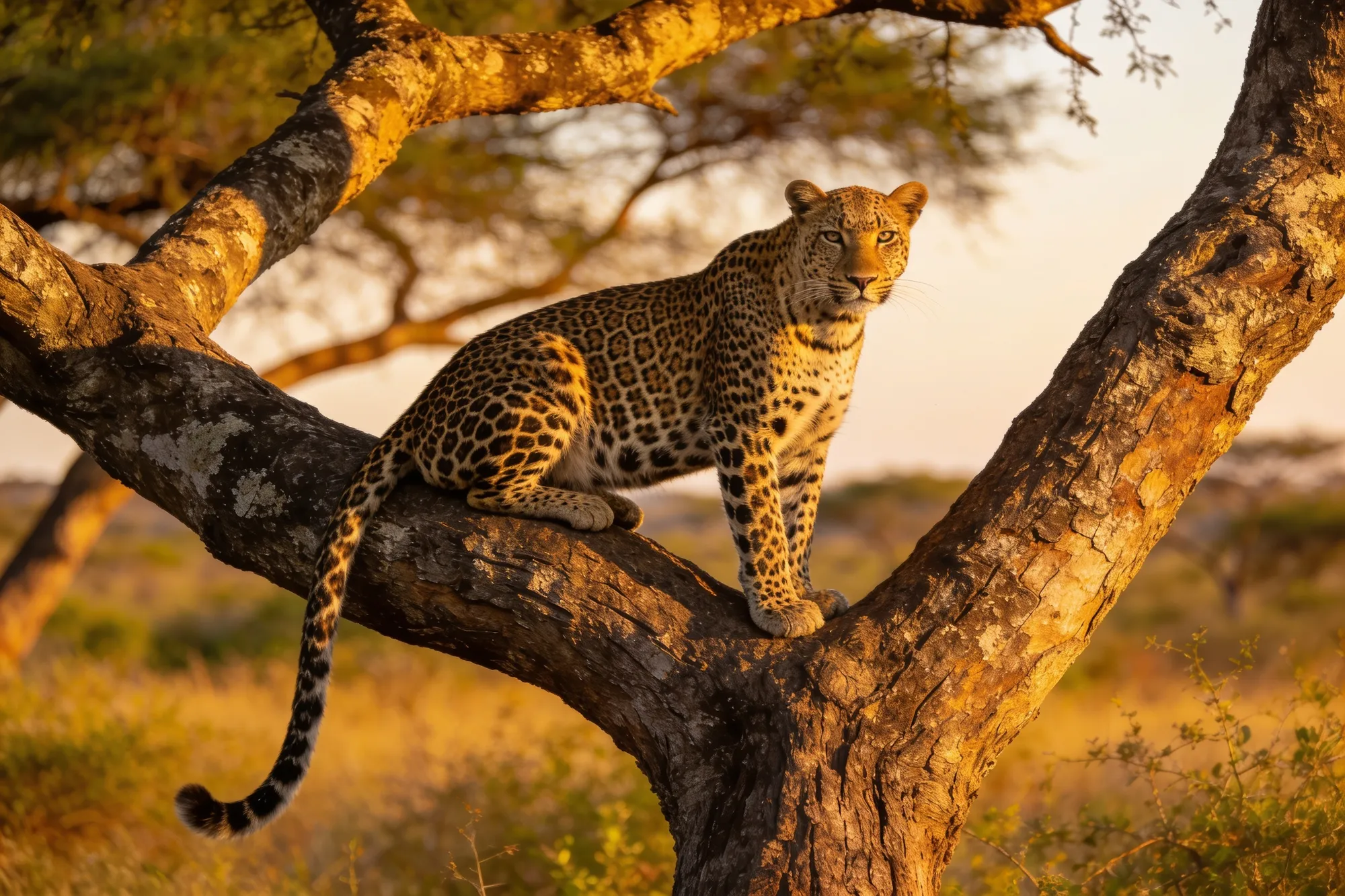
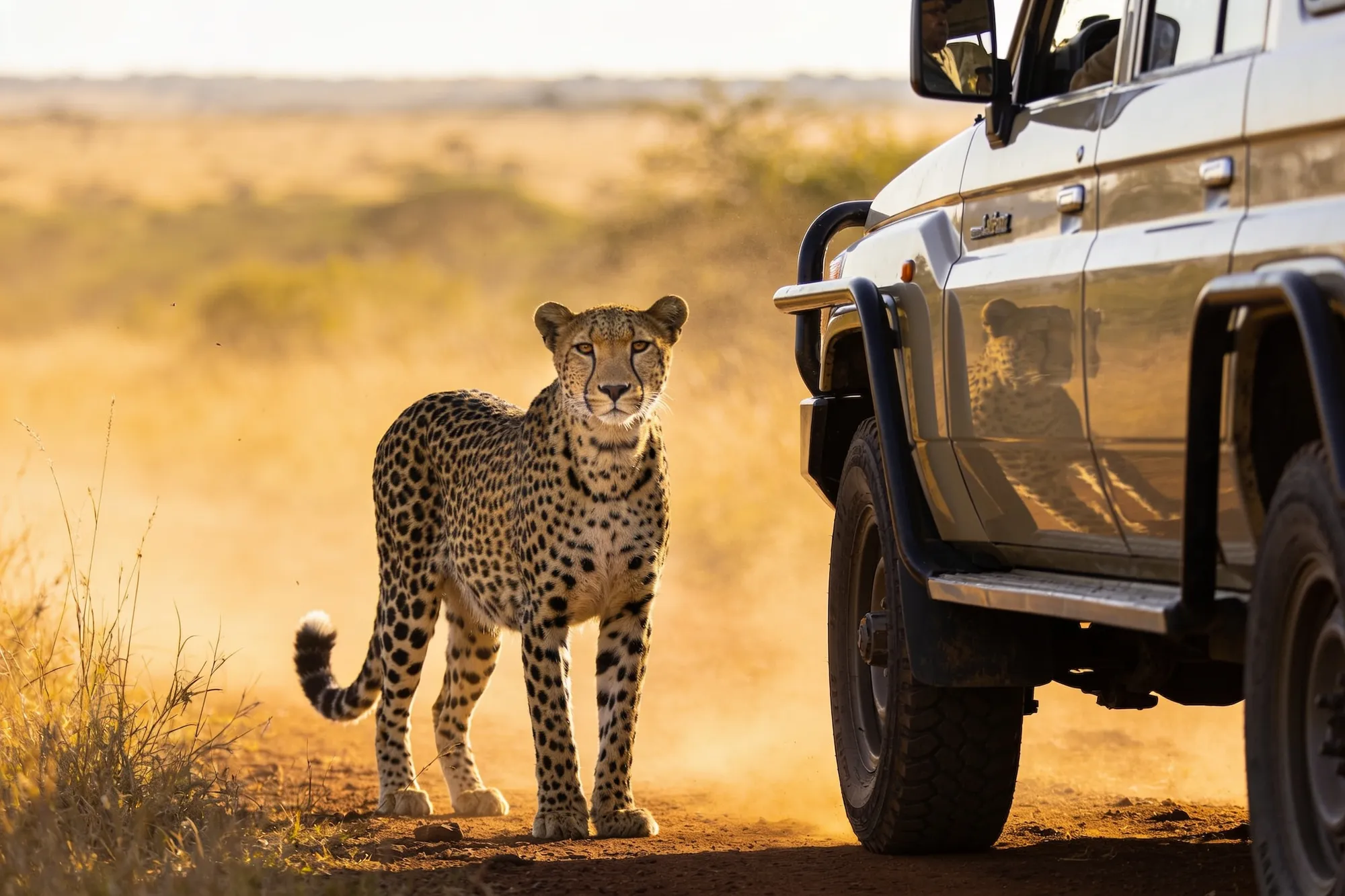
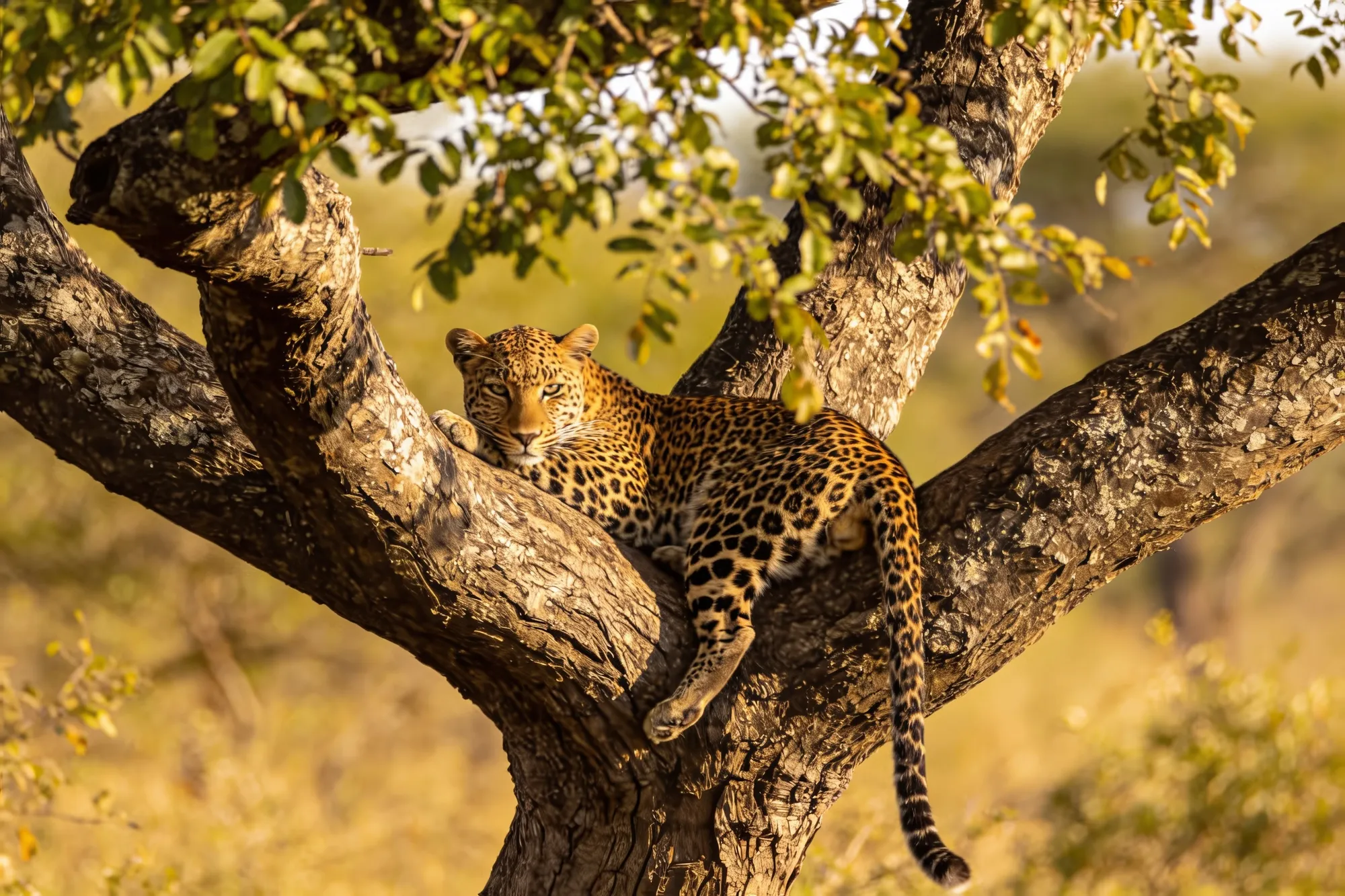
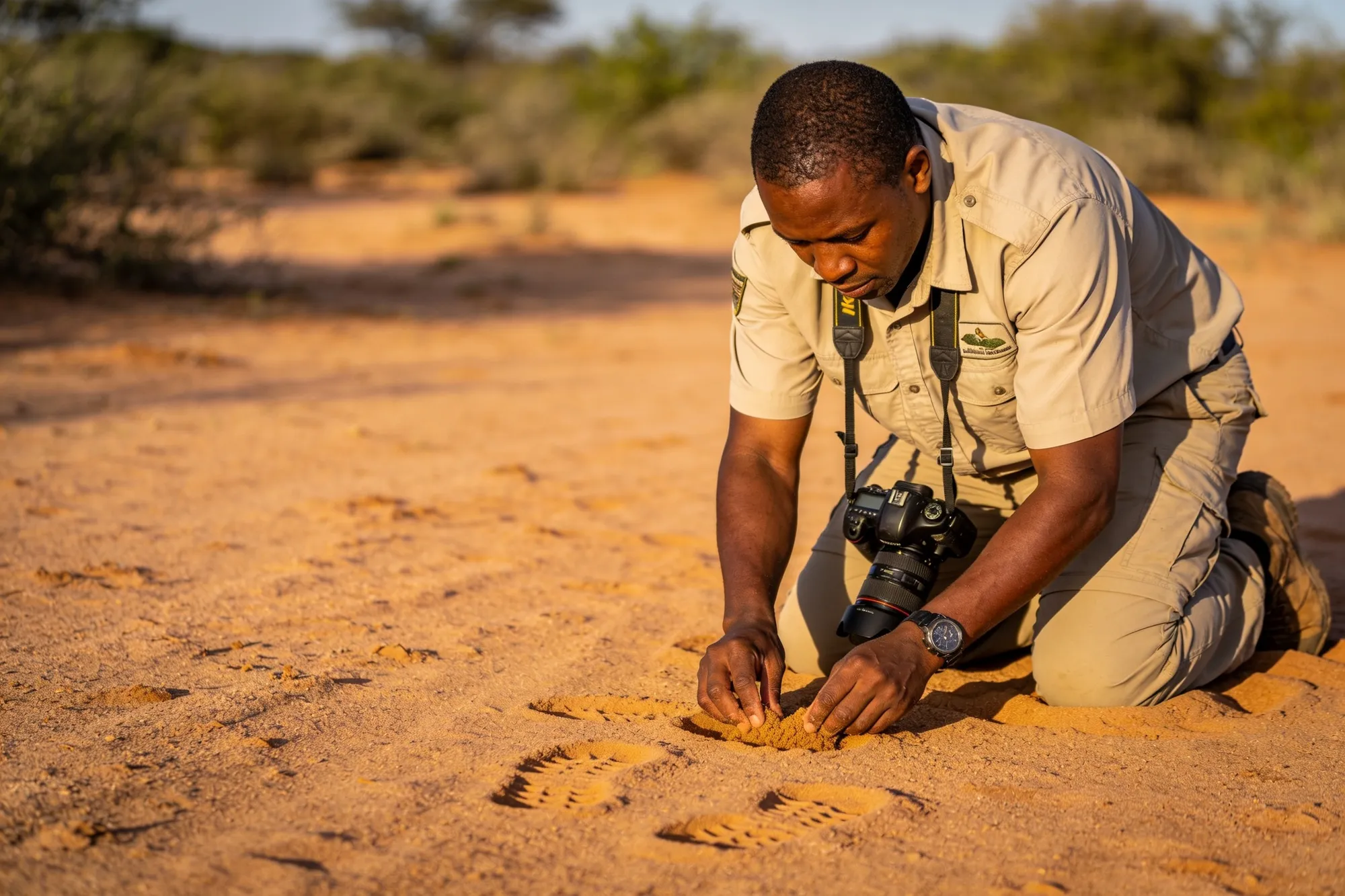
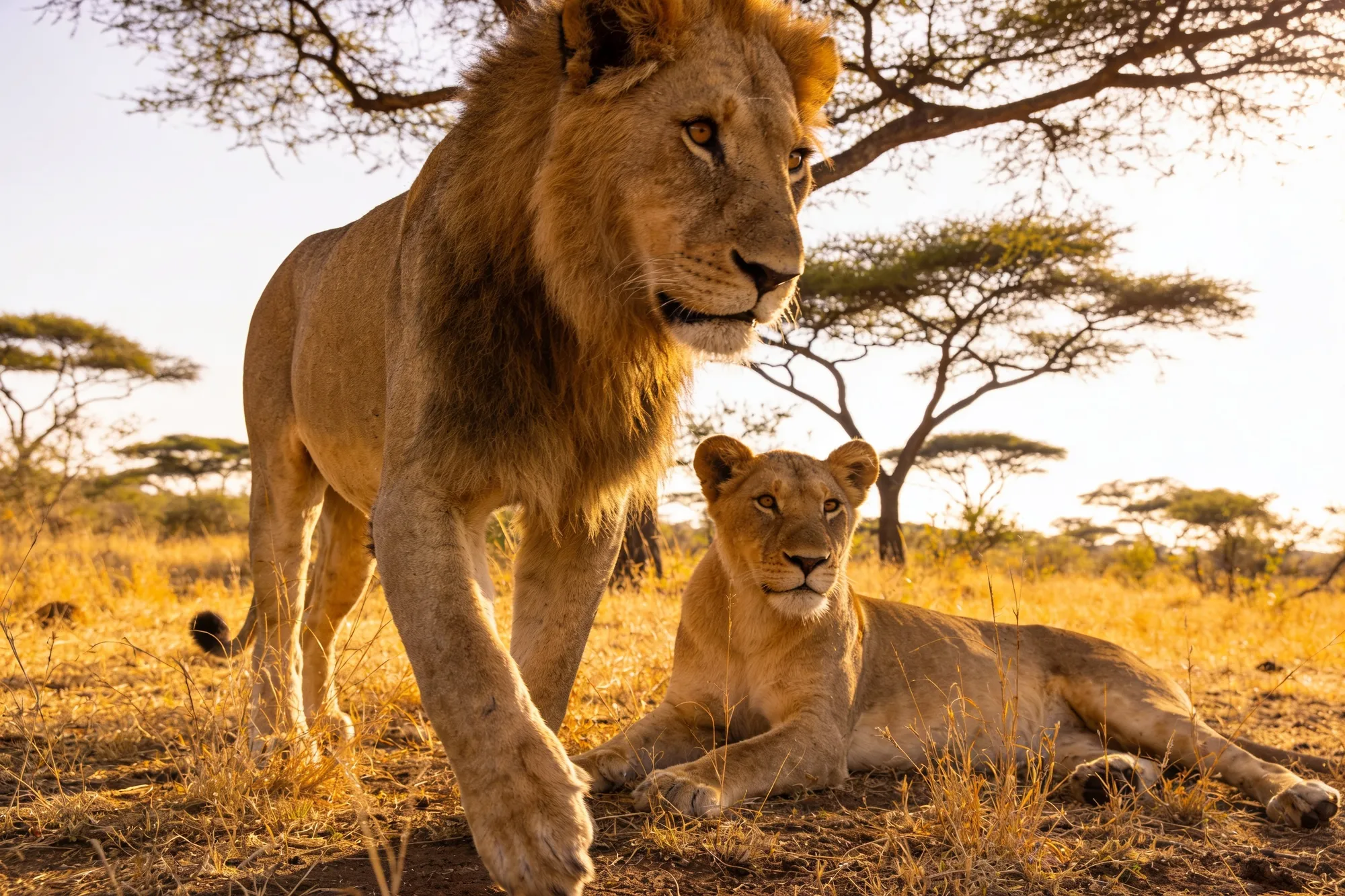
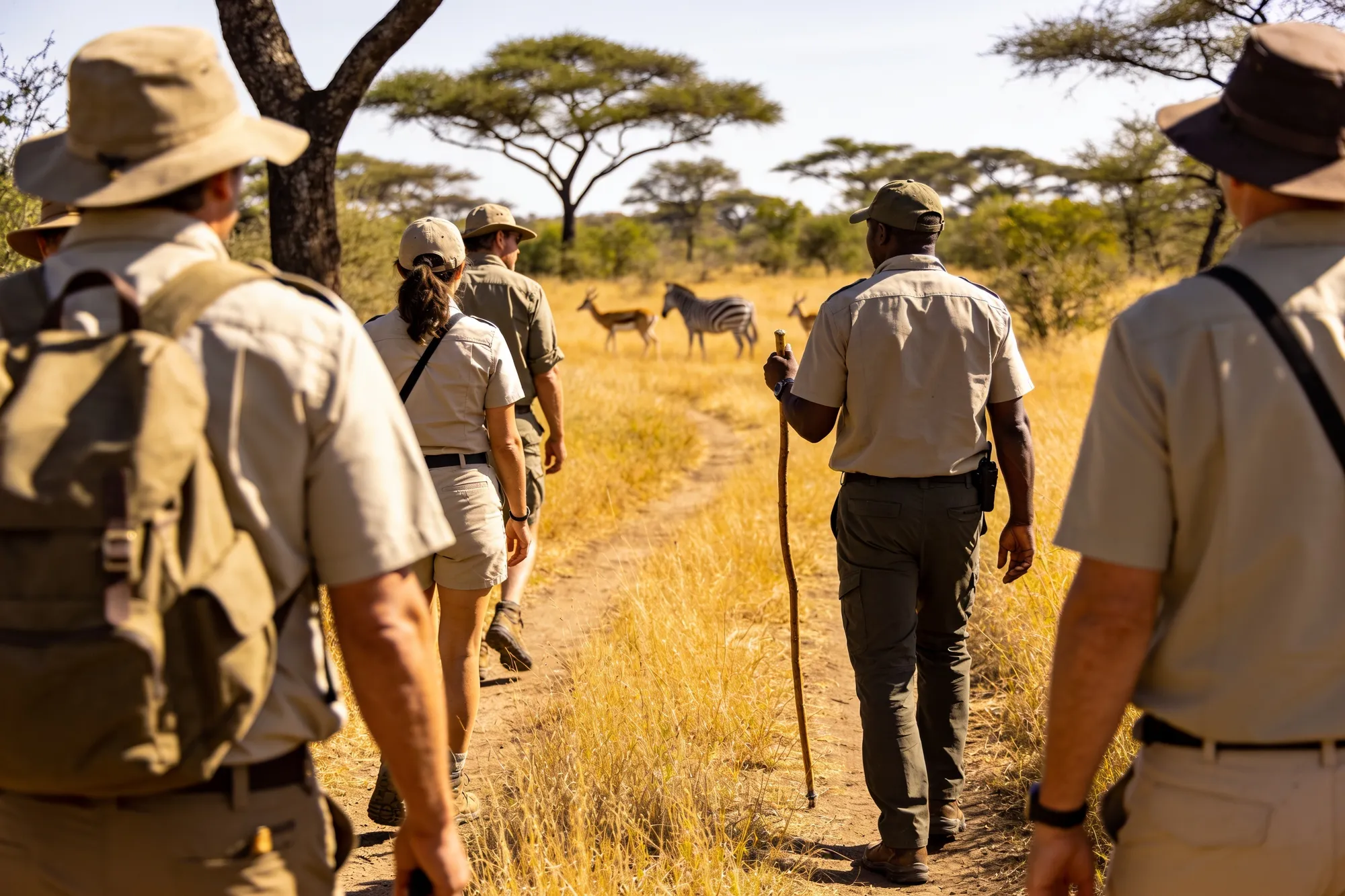
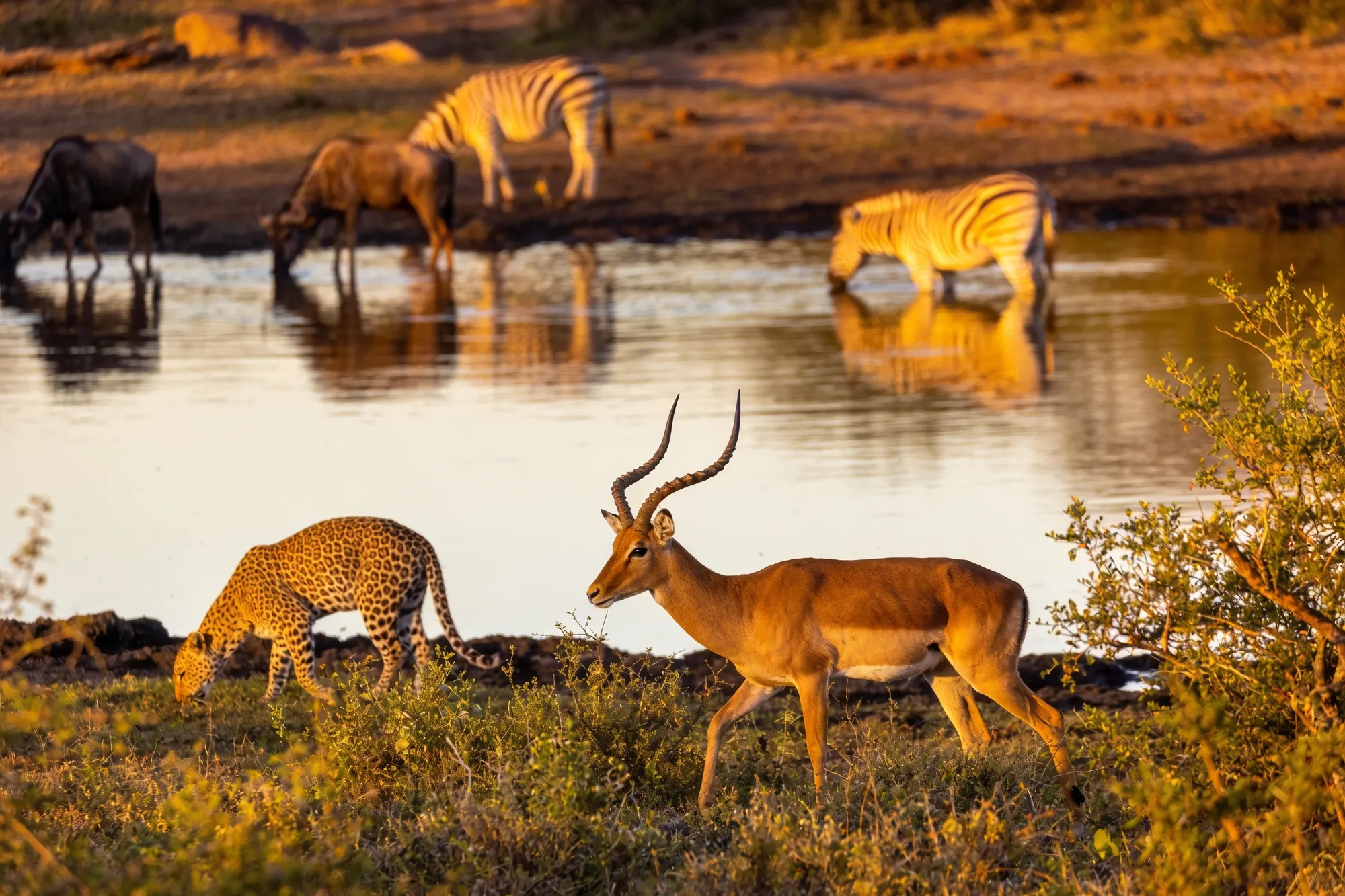
The leopards are the headline. In Sabi Sand, your ranger can leave the road and drive straight to a sighting, and the cats have grown so used to vehicles over the decades that they ignore them entirely, hunting and raising cubs in full view. Add a tracker reading the sand from a seat on the bonnet, two open-vehicle drives a day, night drives and guided walks, and you have the closest, most reliable big-cat viewing anywhere. This is the reserve that taught the world what a leopard safari could be, and it still does it better than anywhere else.
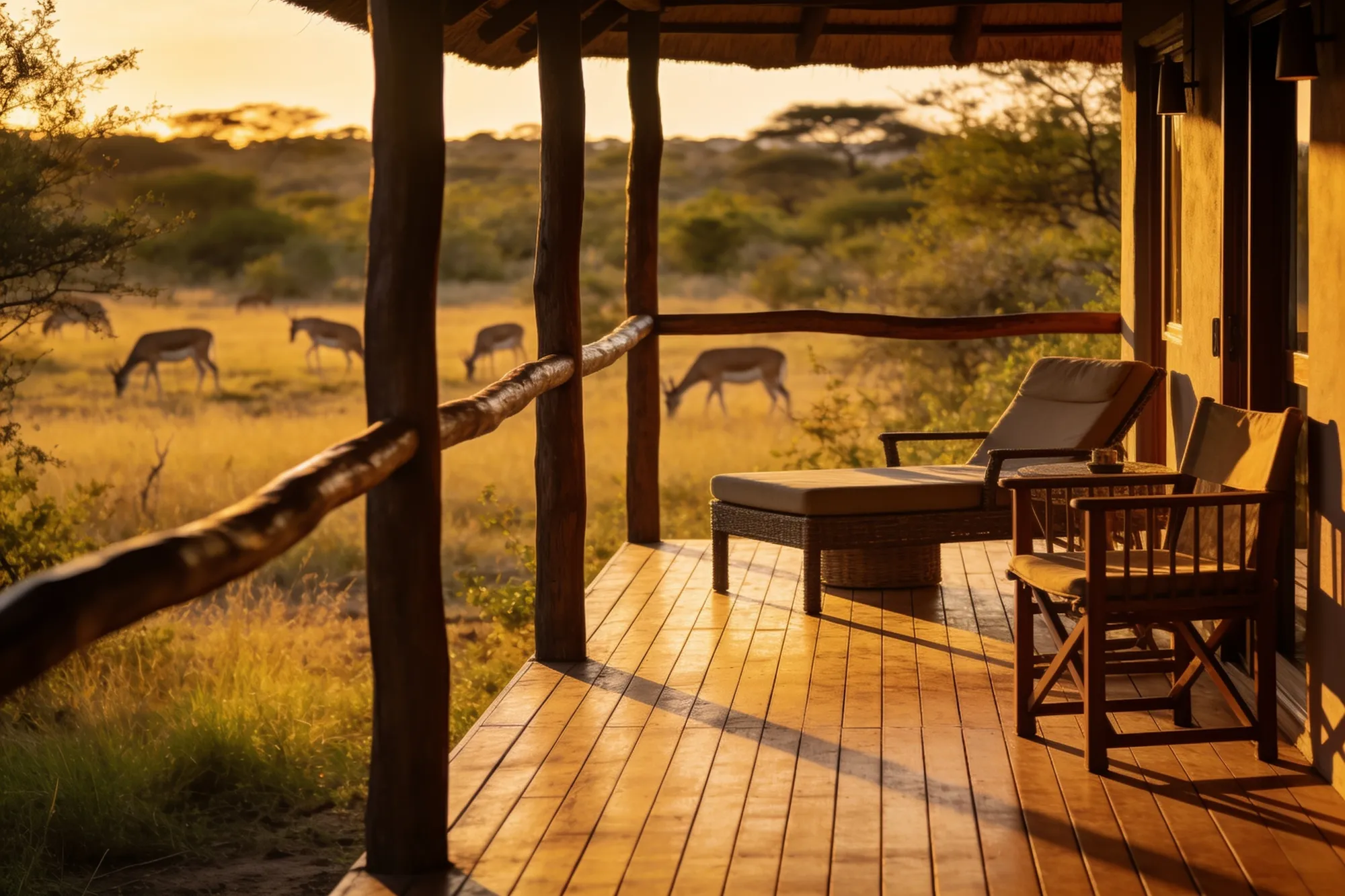
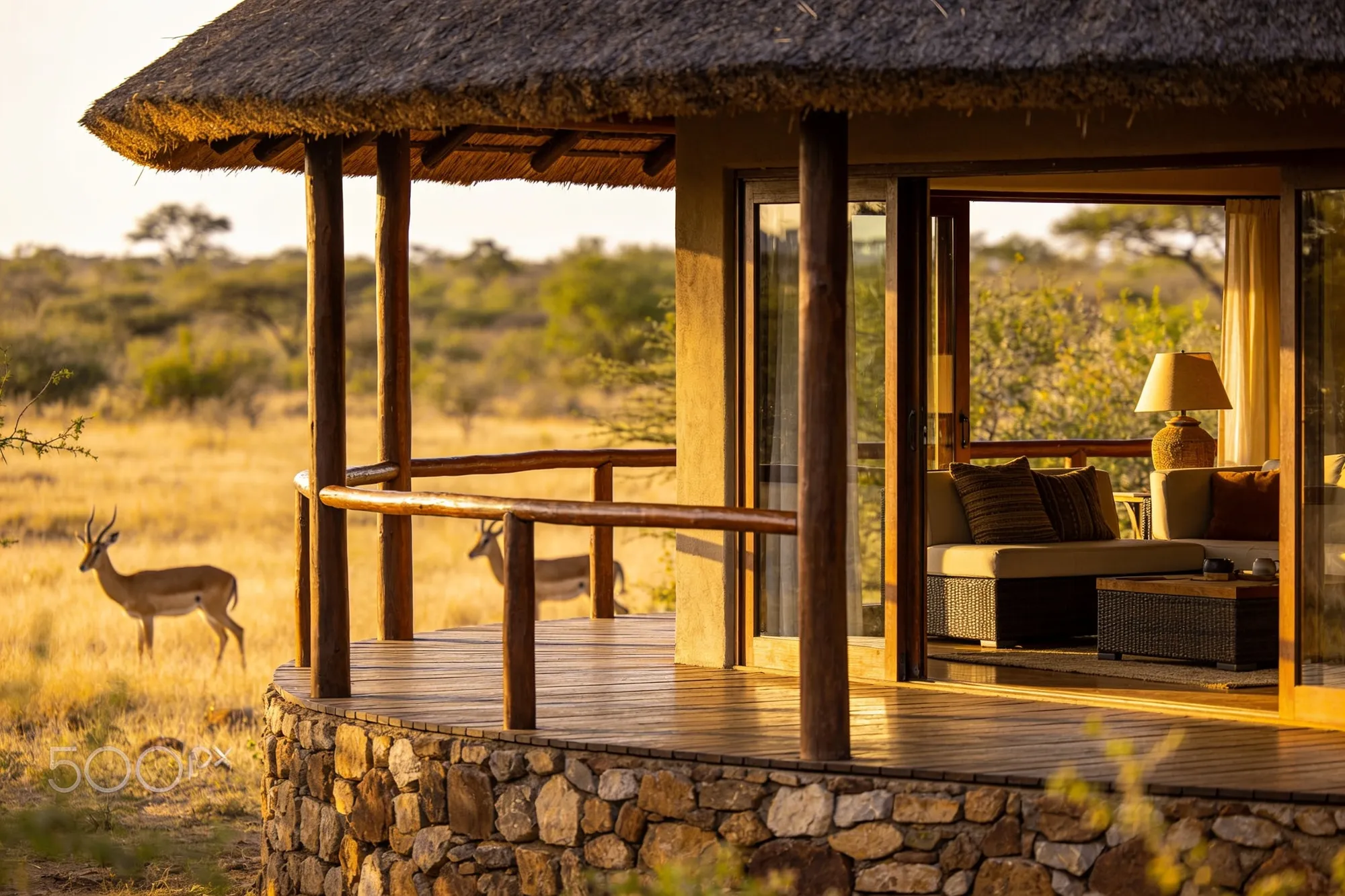
The trade is the format and the price. There are no self-catering camps here, only lodges, from small private camps to some of the best-known names in the business, Singita, Londolozi, the historic MalaMala and Sabi Sabi among them. Rates are all-inclusive, covering your room, all meals and drinks, and the two daily drives with a ranger and tracker dedicated to your vehicle, which is why the nightly figure runs into the hundreds of euros and reads as close to the full cost of those days. The classic way to handle it is to pair a couple of guided nights here with cheaper self-drive nights in the SANParks camps, getting both halves of Kruger in one trip.