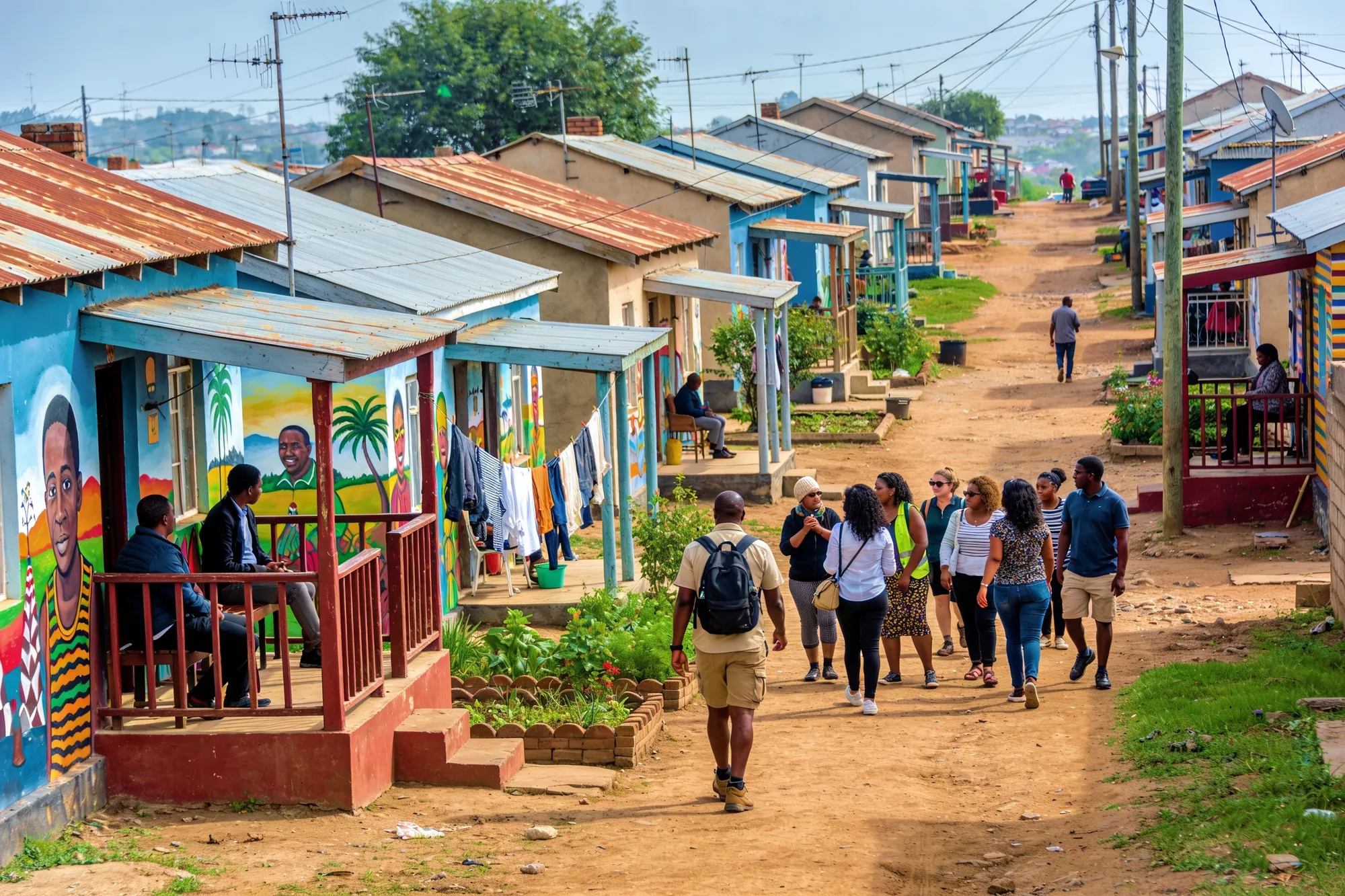
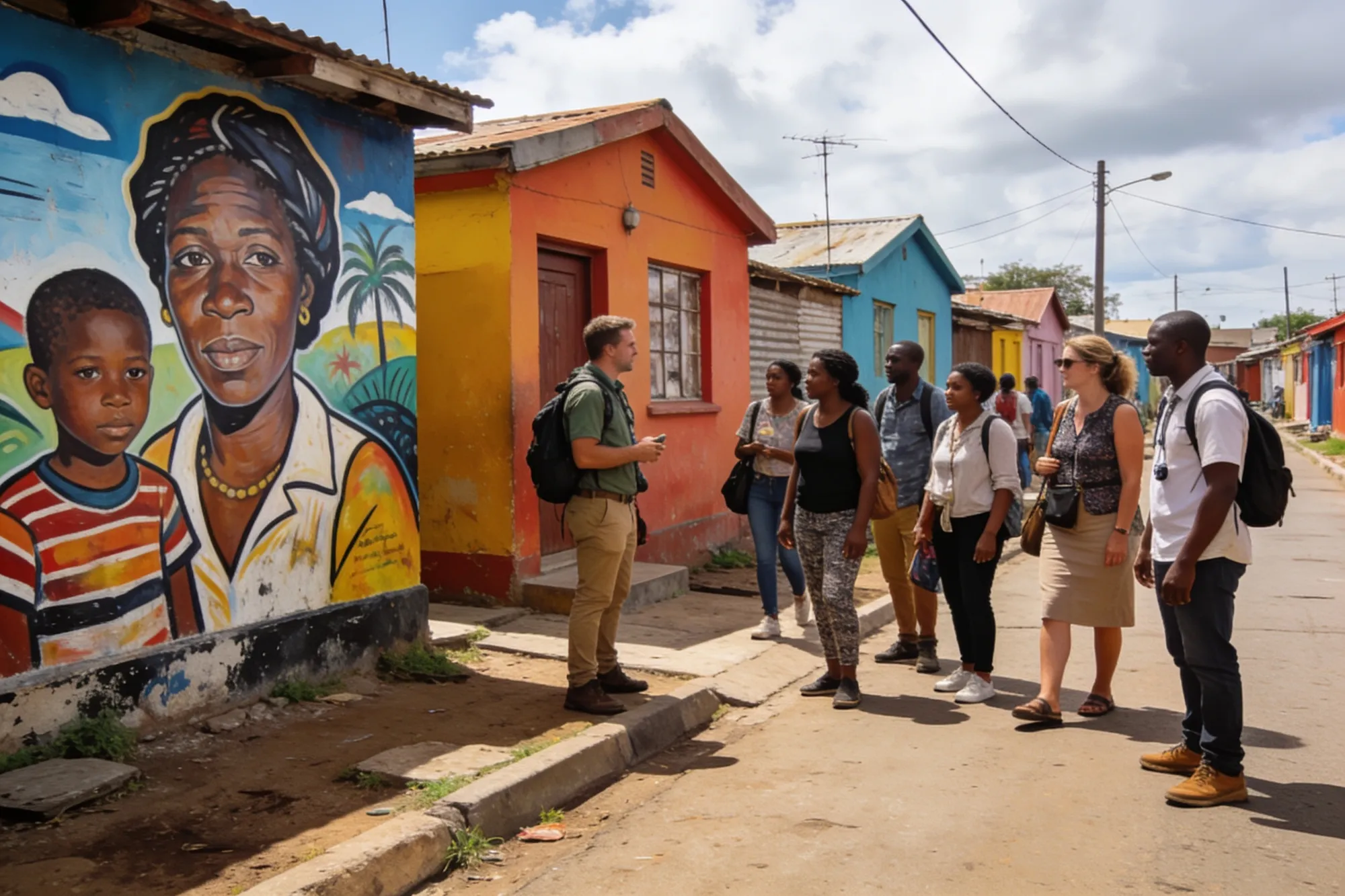
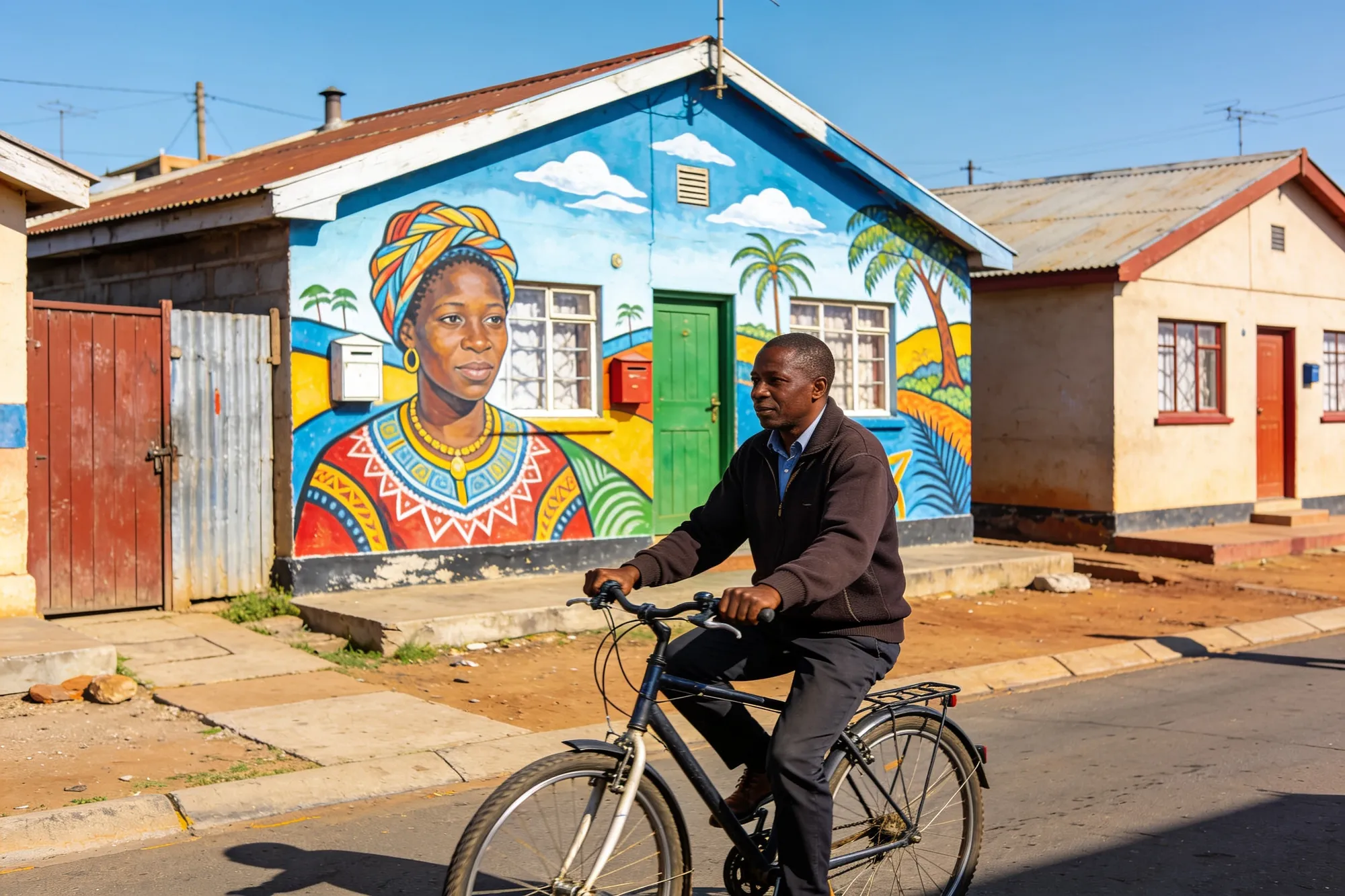
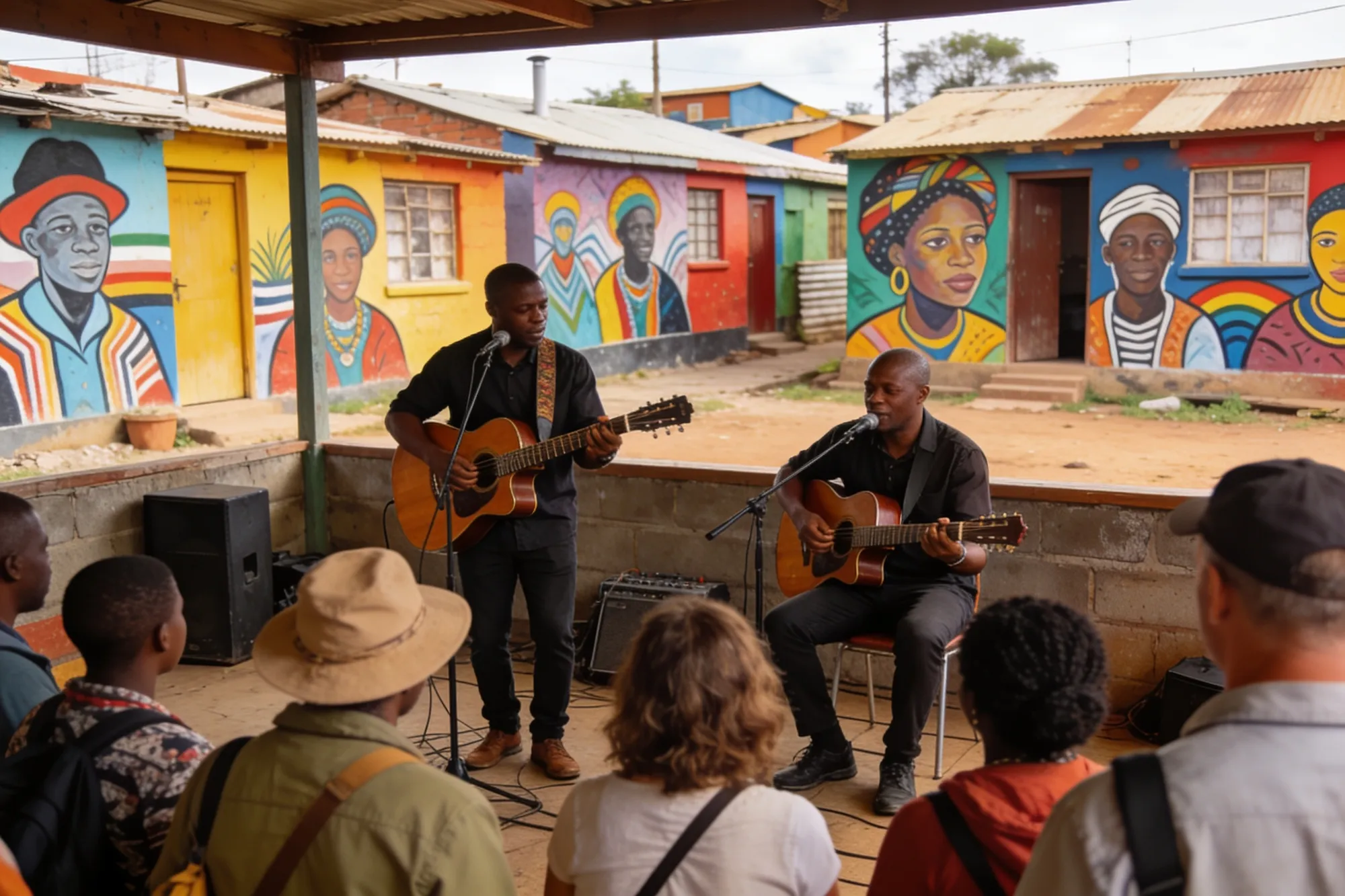
A township is where apartheid forced non-white South Africans to live, on the edges of the cities, under laws like the Natives (Urban Areas) Act of 1923 and the Group Areas Act of 1950. The legal category was scrapped in 1991, but the geography it created did not move, and millions of people still live in these neighbourhoods today. That is the first thing to grasp before booking a tour: a township is not a museum or a slum to gawp at, but a living place with its own history, economy and pride. How you visit decides whether you honour that or exploit it.
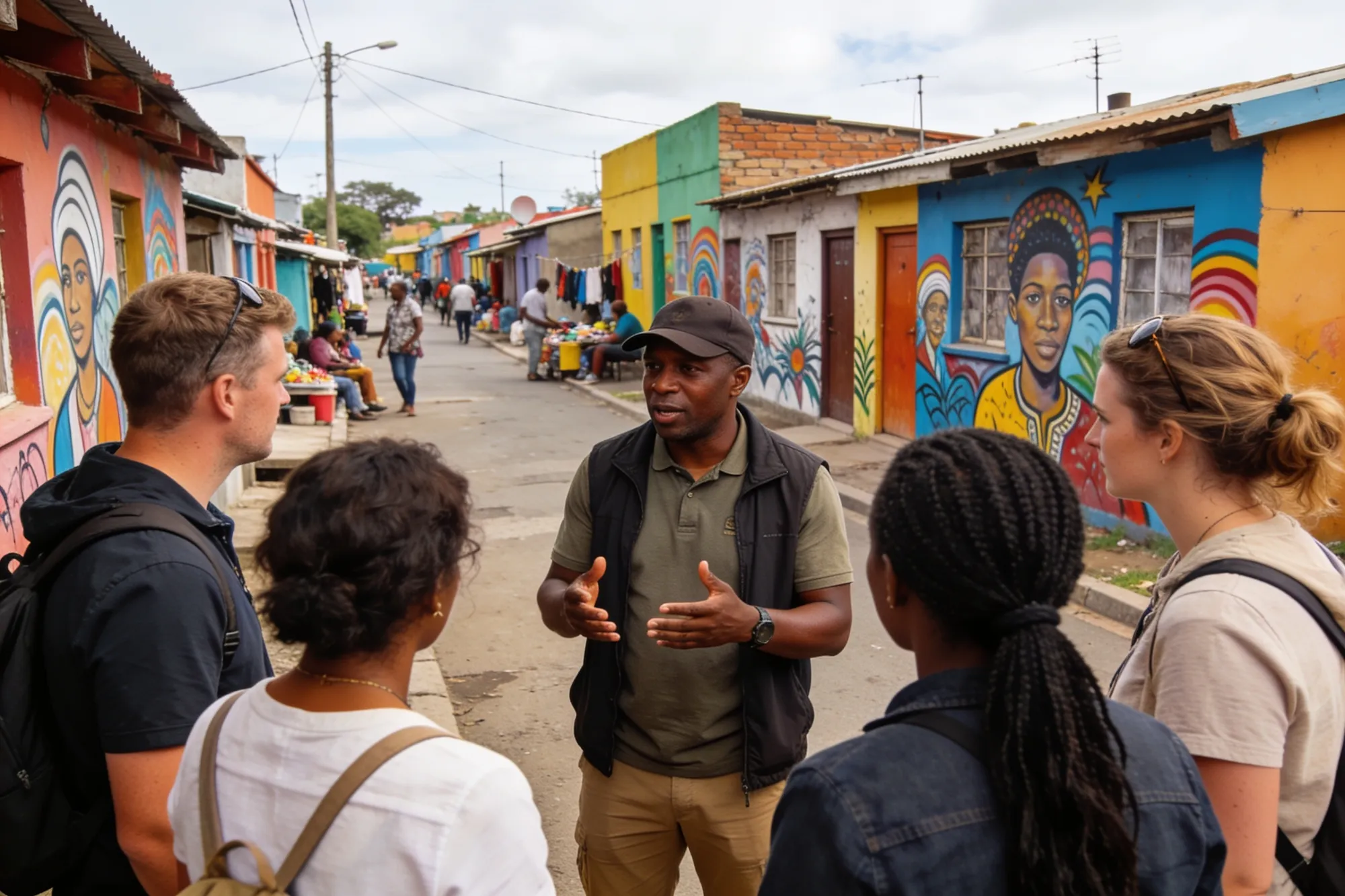
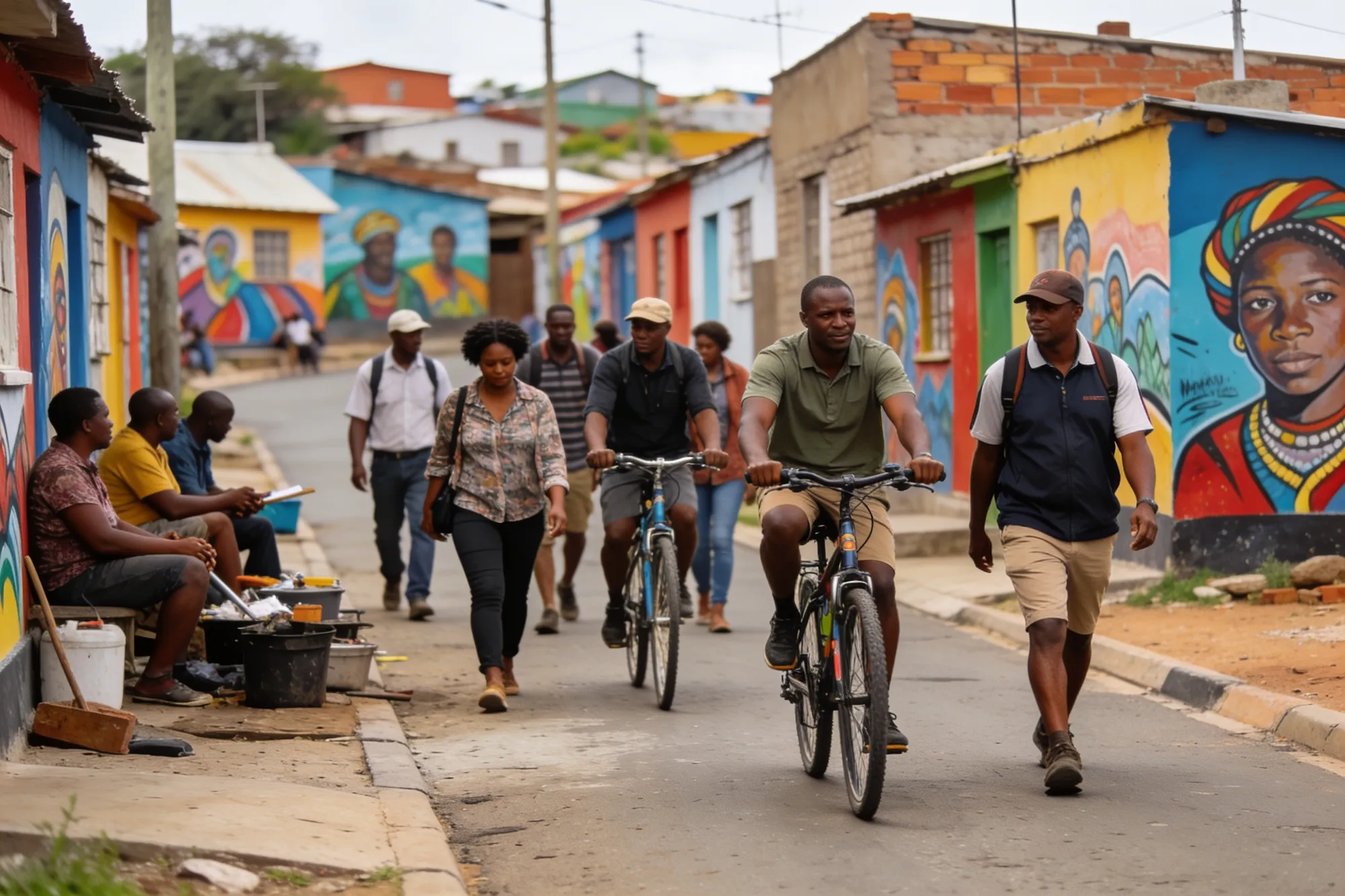
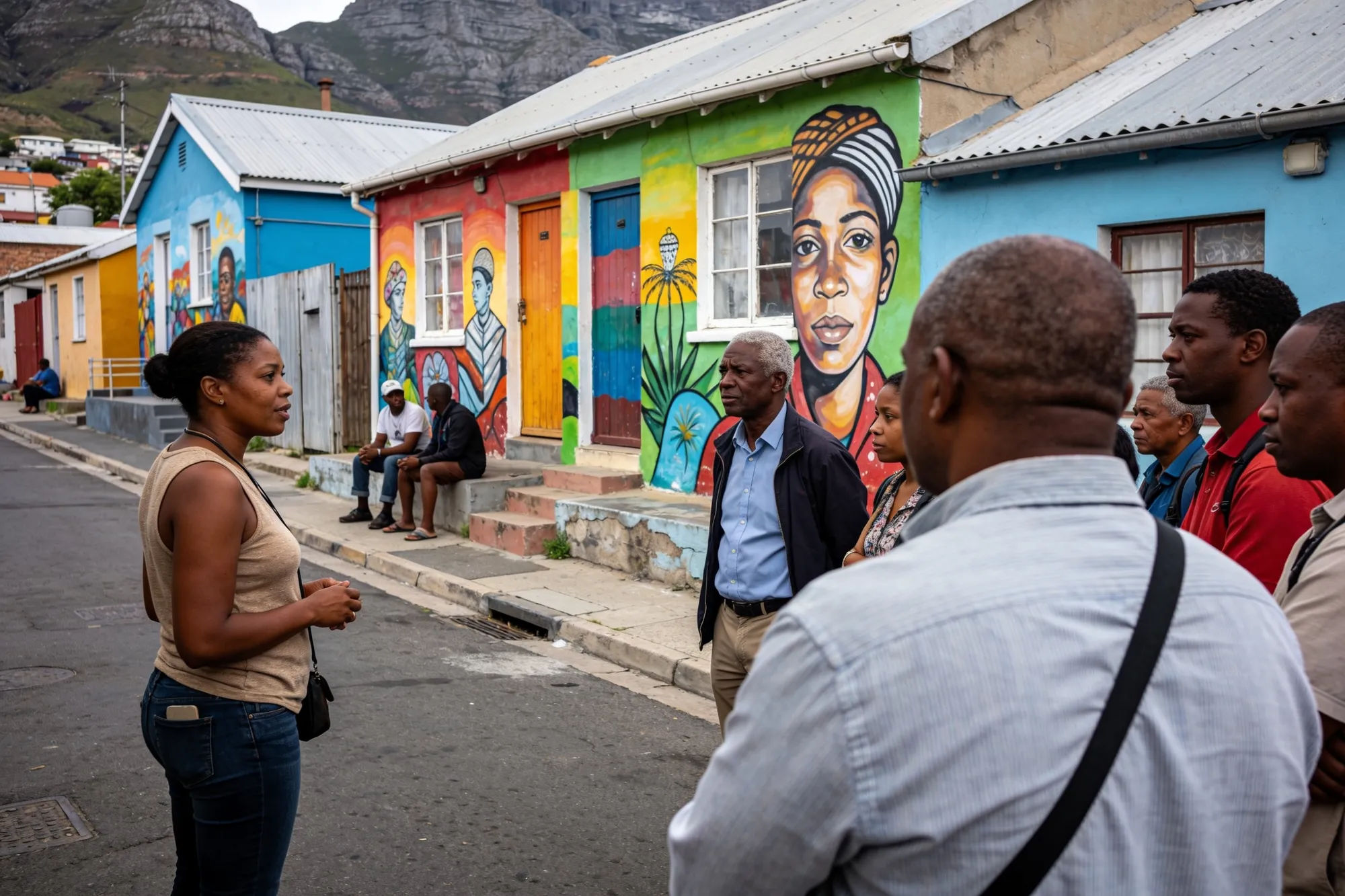
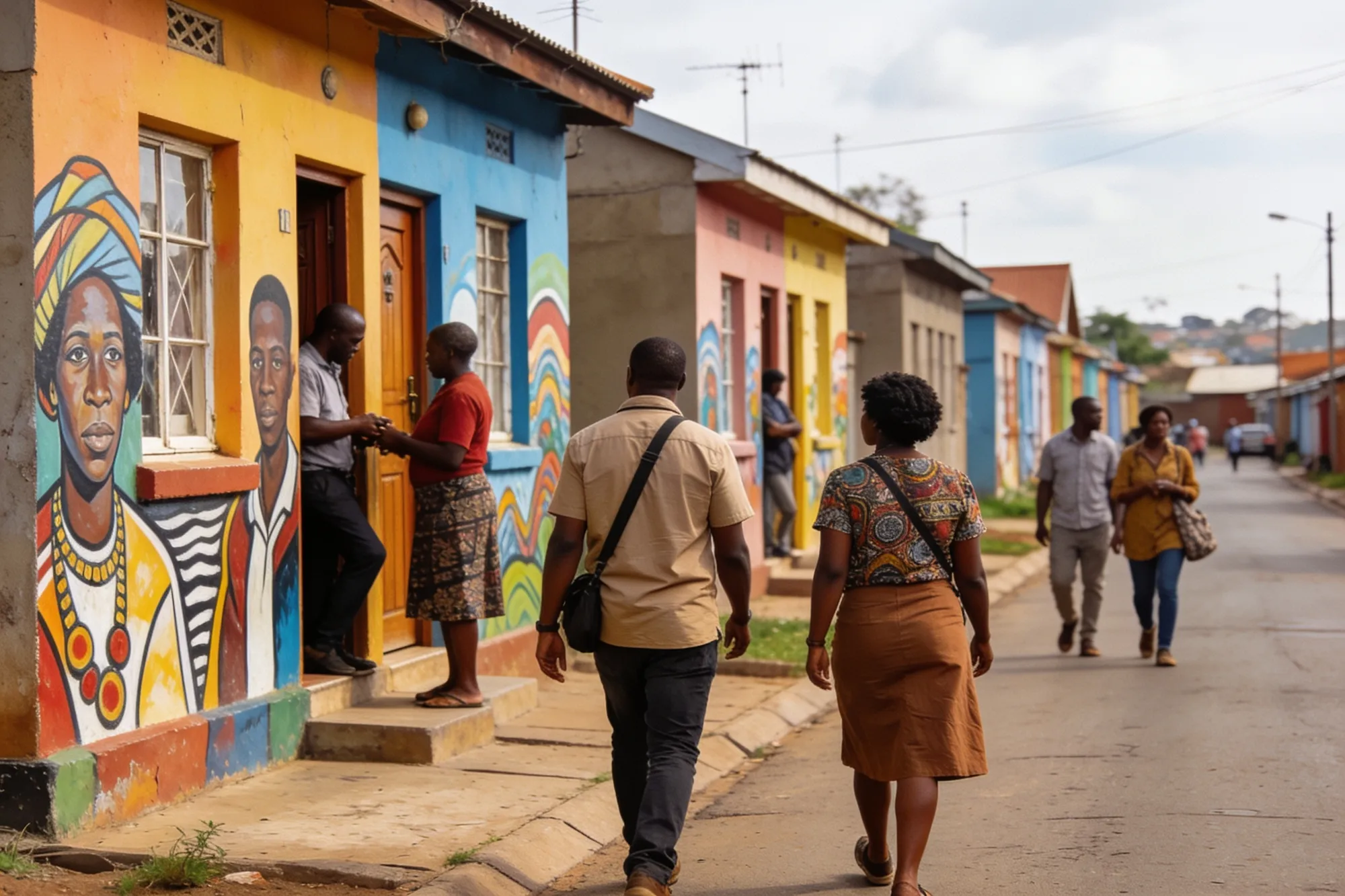
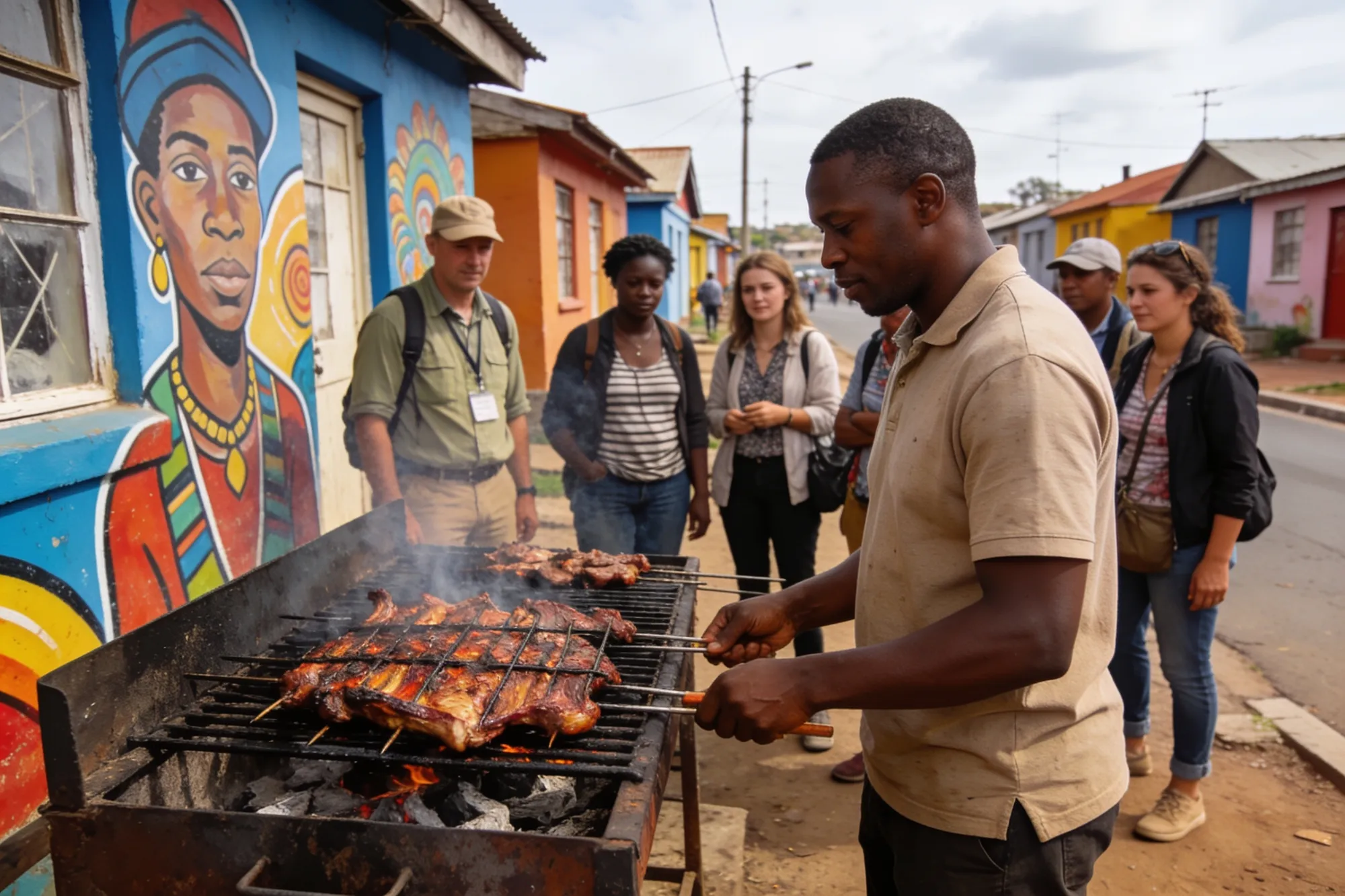
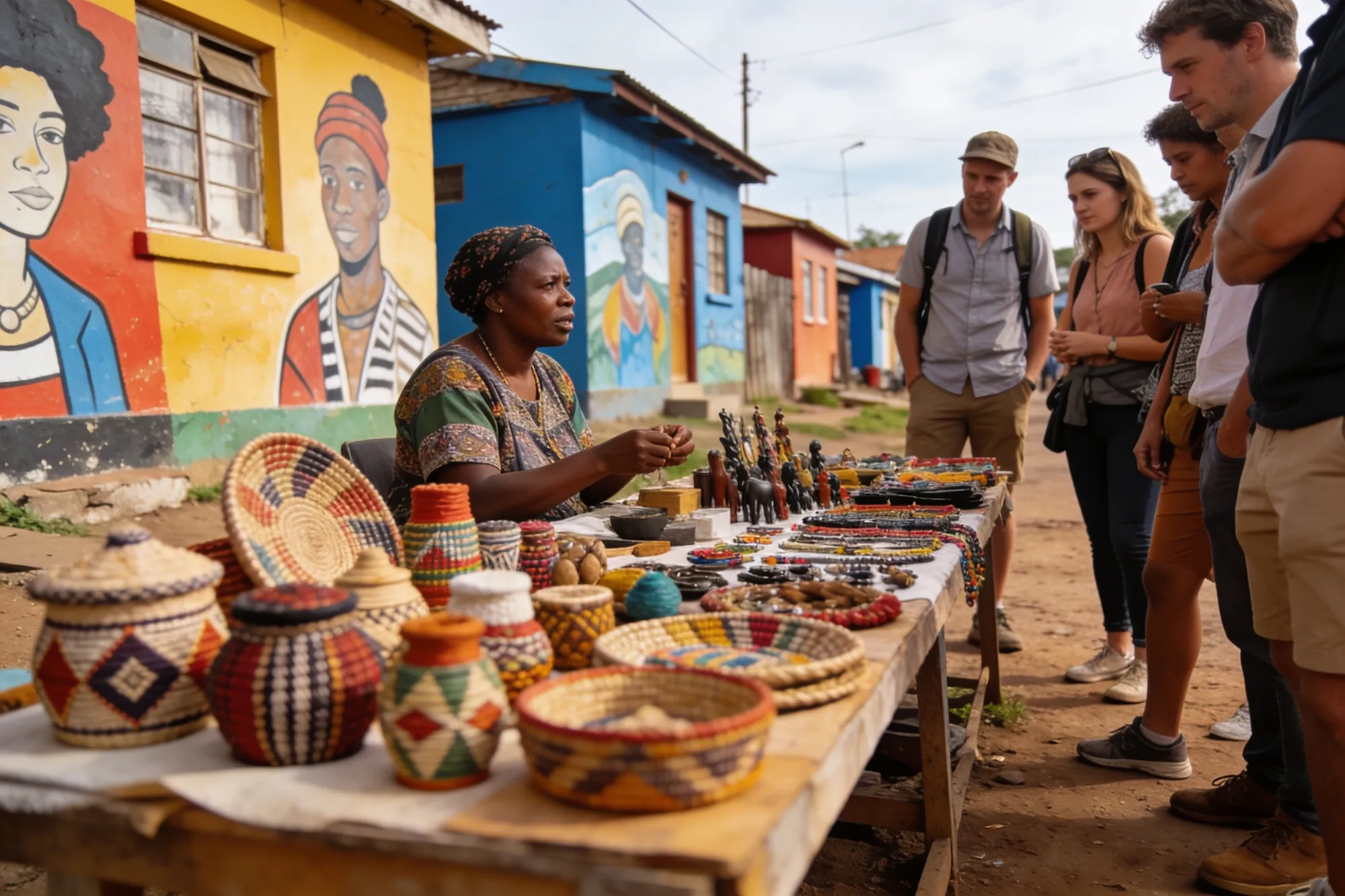
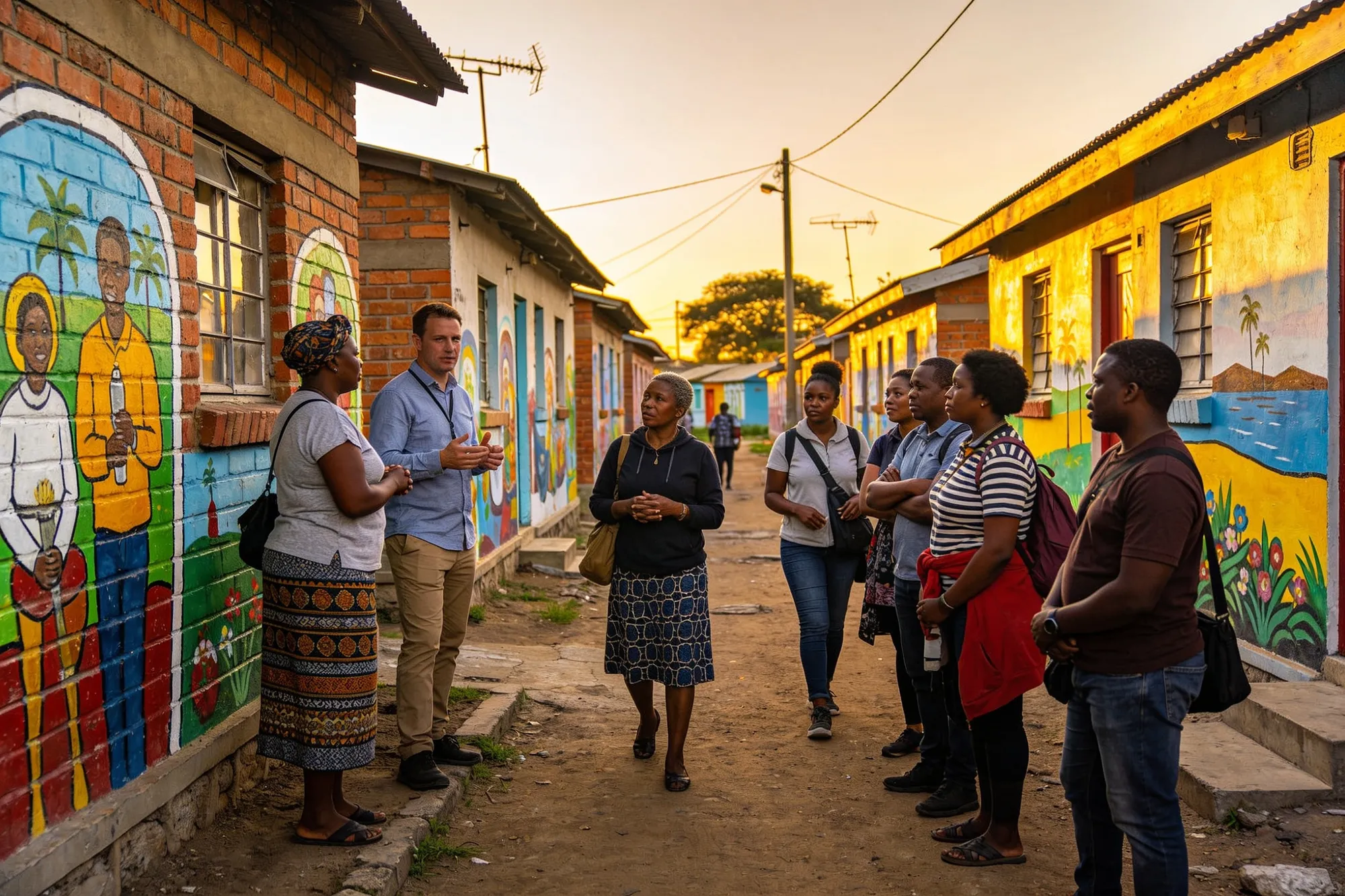
The honest debate is worth meeting head on. Critics call township tourism voyeurism, and at its worst, a coach crawling past front doors while people photograph poverty, they are right. Defenders point to the jobs it creates, the pride of guides showing their own home, and the fuller picture of the country it gives visitors who would otherwise see only the wine farms and the game lodges, and they are right too. The way to resolve it is in the format. A visit led by a guide from the township, on foot or by bike, with an operator that reinvests locally and where you actually eat, talk and spend, is worthwhile and often the most memorable day of a trip. A drive-through with photo stops is the version to refuse.
The country’s townships each carry their own story. Soweto in Johannesburg is the most visited and the most historic, around 1.3 million people and the cradle of the resistance, and our Soweto guide covers its streets and sights. Alexandra, where a young Mandela lived, sits in stark contrast to the towers of Sandton nearby. In Cape Town, Langa is the oldest, dating to 1927, Khayelitsha is among the largest, and Gugulethu holds the memory of Amy Biehl. Whichever you visit, the rules are the same: choose a local guide, go on foot, ask before you photograph anyone, never hand money or sweets to children, and spend where you walk. Get that right and a township tour becomes the human heart of a South African trip rather than its most uncomfortable hour.