The single biggest decision on a South African safari isn’t where to go, it’s how. Do you hire a car and drive yourself through a national park like the Kruger, or hand the wheel to a ranger at a private lodge? Our safari guide gives the headline answer, that the two suit different travellers and many people do both. This article is the full breakdown: what each option really costs, what you actually gain and lose, and how to decide. South Africa is unusual in offering both at a high level, which is exactly why the choice is worth getting right.
What self-drive really is
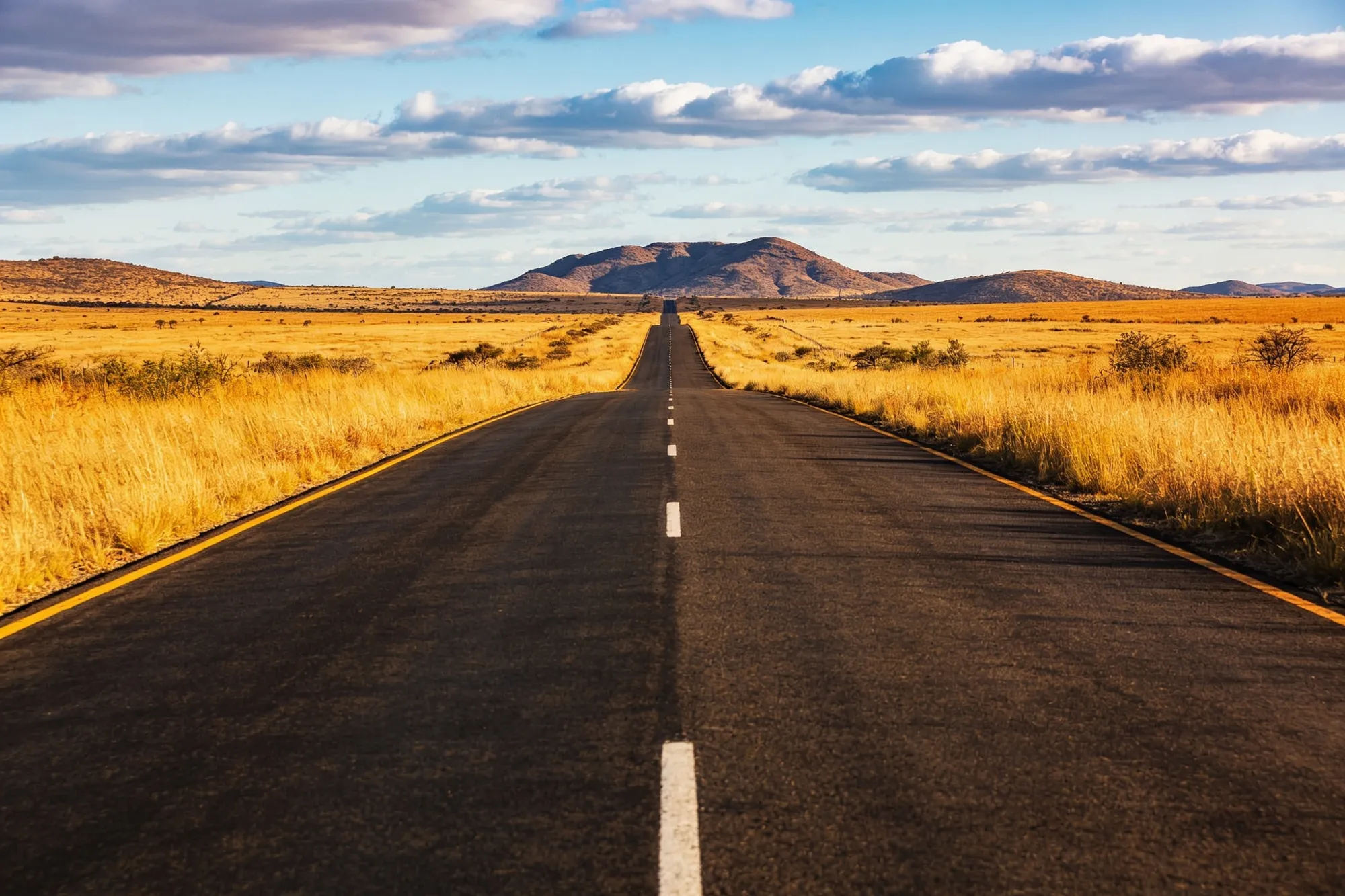
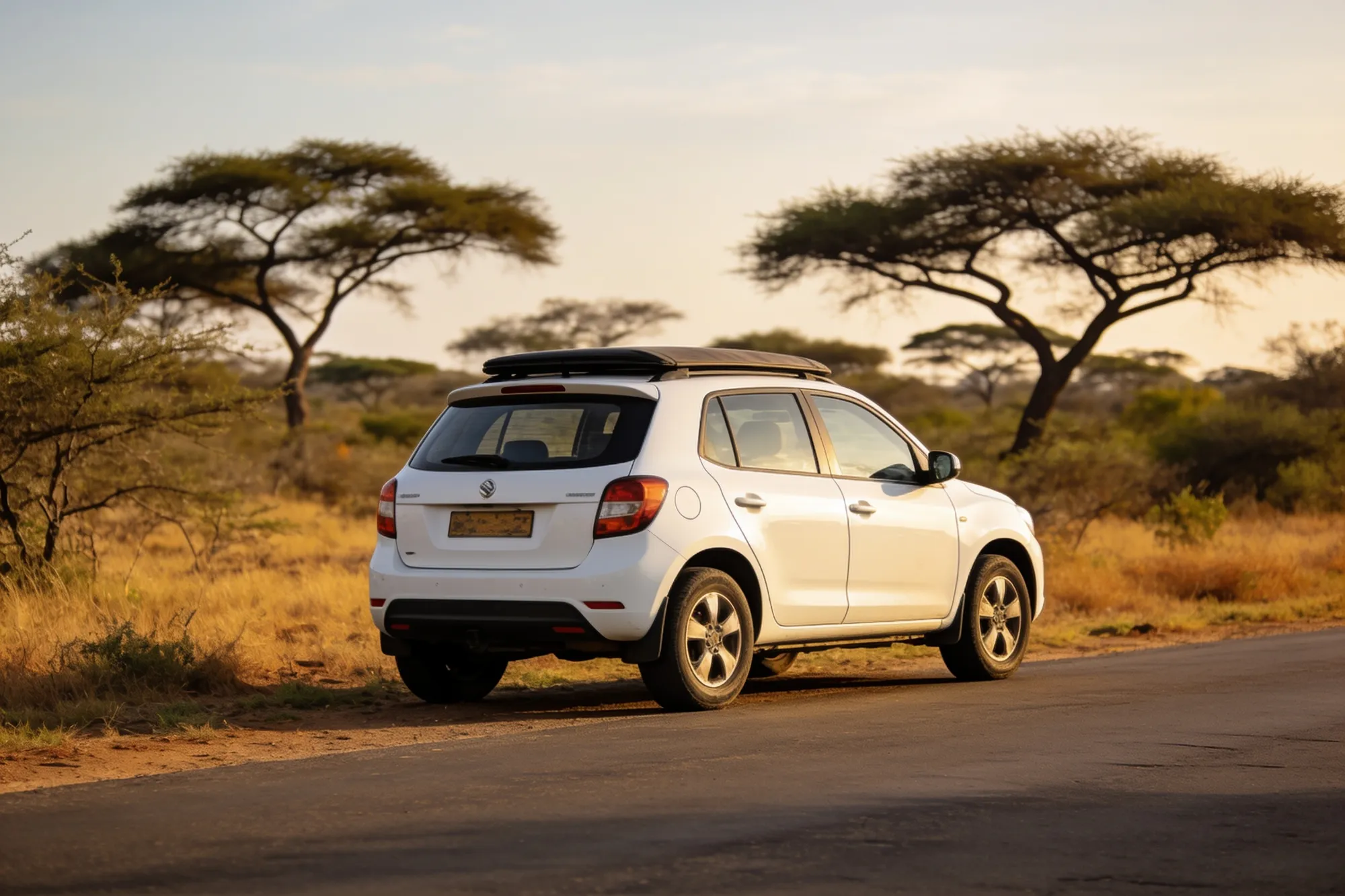
A self-drive safari means renting a normal car, paying a daily conservation fee at the gate, and exploring a national park’s roads at your own pace. In the Kruger this is a genuinely great experience: hundreds of kilometres of tarred and gravel roads, a dozen SANParks rest camps to sleep in, and total freedom to stop as long as you like at a sighting. You are your own guide. You buy a map, you decide the route, and you sleep in affordable rest-camp bungalows behind a fence. The catch is built into the format. You can’t leave the road, you have no tracker or radio network, you sit low in a car rather than high in an open vehicle, and you must be back in camp by the gate’s closing time, which cuts out the prime dusk and night hours.
What guided really is
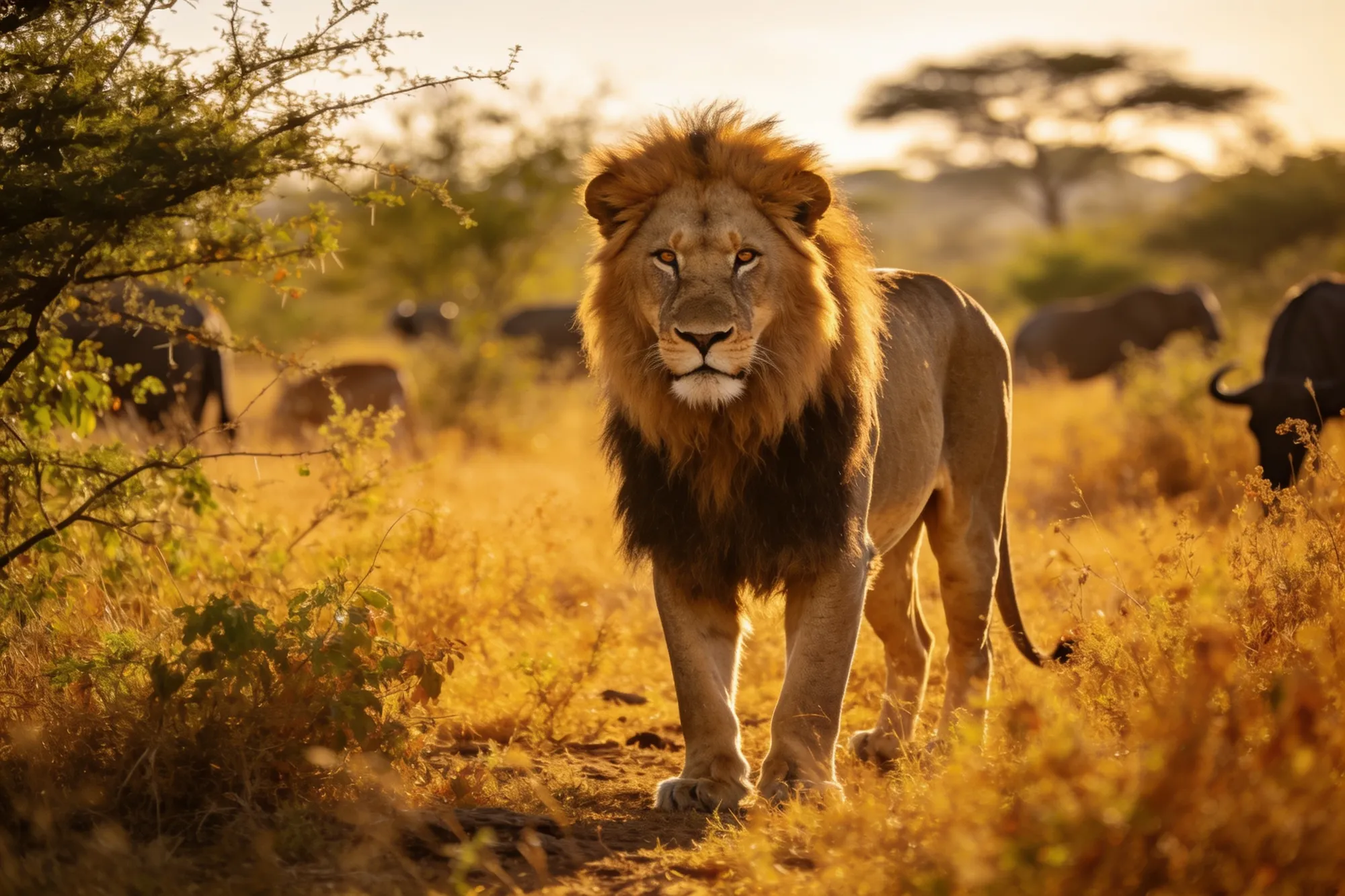
A guided safari almost always means a private reserve and a lodge, somewhere like Sabi Sand or Timbavati on the edge of the Kruger. Here a ranger drives an open vehicle and a tracker reads the sand from a seat on the bonnet, the vehicle goes off-road right up to a sighting, and the day includes a dawn drive, a dusk-into-night drive and often a guided walk. Rates are all-inclusive: your room, all meals, drinks and the two daily drives. You see far more, predators above all, because the guiding, the off-road access and the radio network between vehicles turn luck into reliability. The leopard that you might pass unseen on a self-drive is the leopard the tracker takes you straight to.
What you see, and what you miss
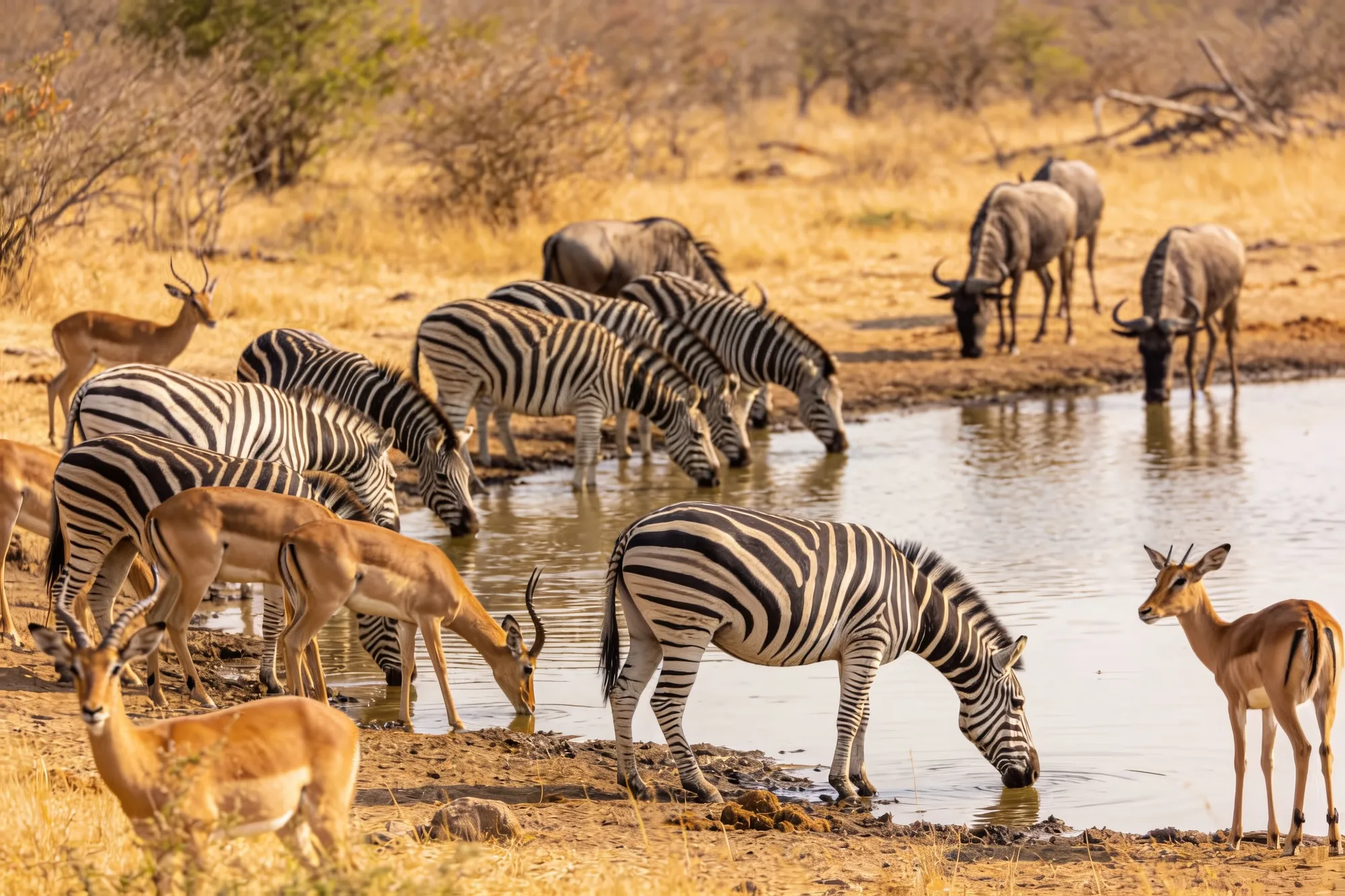
This is the heart of it. On a self-drive you will see plenty, elephant, buffalo, general game, and with patience lion, but you will miss a lot, especially leopard and most night activity, and you’ll work harder for every sighting. On a guided drive you see more, you see it closer, and you understand it better, because someone is explaining the behaviour in front of you. The trade is freedom and cost against access and expertise. Neither is wrong. A self-drive is an adventure you author yourself; a guided drive is a masterclass with the best seats in the house.
The cost, honestly
The money is where the two options separate hardest. A self-drive is cheap once you add it up: a hire car, fuel, the daily conservation fee, and a rest-camp bungalow you self-cater or eat simply in. For a couple, a few self-drive days in the Kruger can cost less per day than a single restaurant dinner back home. A private lodge is the opposite. The all-inclusive rate runs into the hundreds of euros per person per night, sometimes well beyond, because that figure is close to the total cost of those days, not just a room. Read the two the right way and the gap makes sense: self-drive looks cheap because you do the work, and a lodge looks expensive because it does everything for you.
The numbers, roughly: a self-drive Kruger day, all in, can sit in the tens of euros per person. A private-reserve lodge typically starts in the low hundreds of euros per person per night and climbs from there. That gap, more than anything, drives the decision.
Who each suits
Self-drive suits independent travellers, families on a budget, anyone who likes being in charge of their own day, and people staying a week or more where the savings really add up. Guided suits travellers short on time who want the most wildlife per day, anyone whose heart is set on leopard, honeymooners and special trips, and those who simply don’t want to drive or navigate the bush. Be honest about which you are. There is no prize for suffering through a self-drive you didn’t enjoy to save money, and none for spending a fortune on a guided trip when a hire car and a map would have thrilled you.
The hybrid, which often wins
For most people, the smartest answer is both. Spend a few nights self-driving the Kruger’s rest camps, cheap, independent and adventurous, then add one or two nights at a private lodge for the guided drives and the leopards. You get the freedom and the saving of self-drive and the access and expertise of guided, and the blended cost is far below an all-guided trip. It’s the way a lot of experienced safari-goers do it, and it’s what we’d suggest to anyone torn between the two.
The practical logistics
The two also differ in how you book. Self-drive means reserving SANParks accommodation months ahead, especially for the best southern camps and over South African school holidays, plus a hire car and your own route. Our driving guide covers the road side of it. A guided lodge is usually a single all-inclusive booking, and many lodges arrange a transfer from the nearest airport, so you often fly in rather than drive, which protects your game-viewing days on a short trip. Decide your split first, self-drive nights versus guided nights, then book the camps early and let the lodge handle the rest. Our safari guide and Kruger pages will help you place each piece.
Driving yourself?
Compare hire cars for a self-drive safari and lock in your dates, with our partner.