If you only want the one-line answer, here it is: for the best game viewing in the Kruger, go in the dry winter, roughly May to September. But that line hides a lot, because the “best” season depends on whether you care most about spotting predators, watching newborns, chasing birds, dodging crowds or saving money. Our general guide to when to visit South Africa takes the country-wide view; this is the Kruger safari in detail, season by season, so you can choose the month that fits your trip.
The two seasons that matter
The Kruger has two seasons, and the difference between them shapes everything on a safari. The dry winter, from about May to September, is cool, brown and sparse. The green summer, from October to April, is hot, lush and wet. For game viewing those are almost opposite conditions, and which one suits you depends on what you want from the bush.
Dry winter, May to September: the game-viewing peak
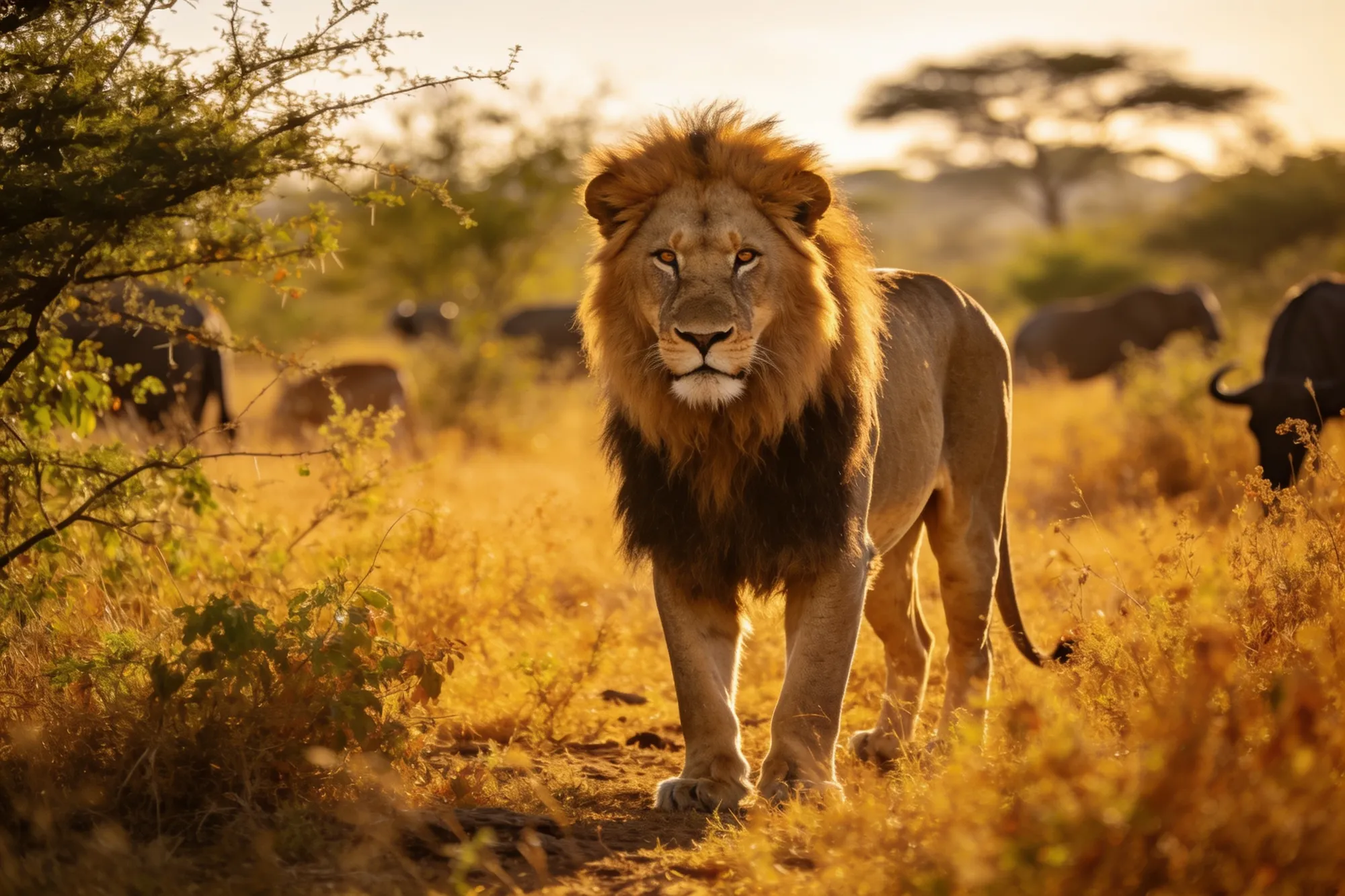
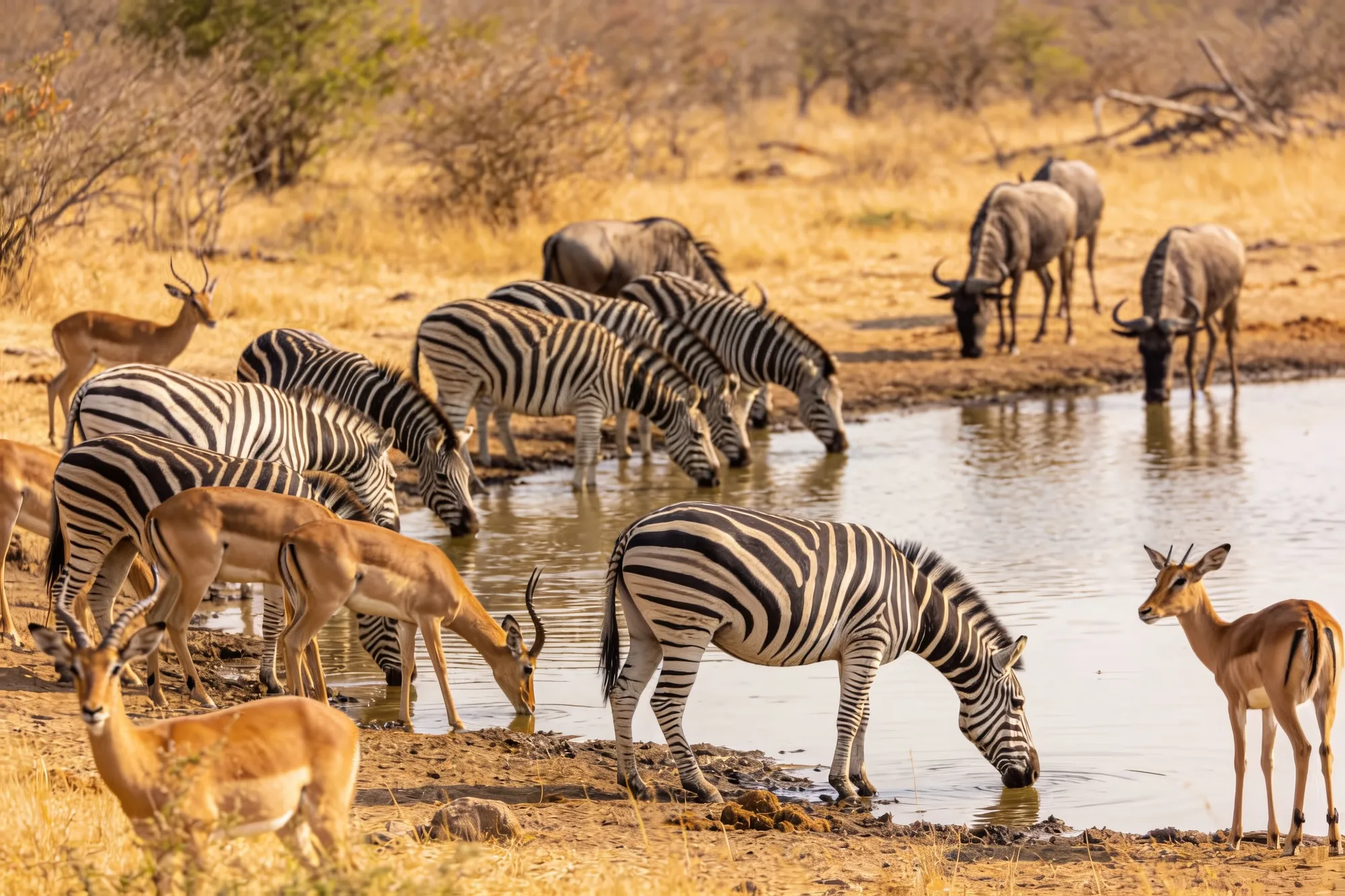
This is the classic safari season, and for good reason. The bush thins out as the grass dies back and the trees drop their leaves, so animals are far easier to spot. Water becomes scarce, which concentrates wildlife around the rivers and waterholes, where you can sit and wait as everything comes to drink. The cooler air keeps predators active later into the morning, and there are no afternoon storms to wash out a drive. The trade-offs are real but manageable: winter dawns are genuinely cold, so you need layers for an open vehicle, the landscape is dusty and drab rather than green, and this is peak season, so the camps fill and prices rise. For a first safari focused on the Big Five, it’s still the season to beat.
Green summer, October to April: birds, babies and storms
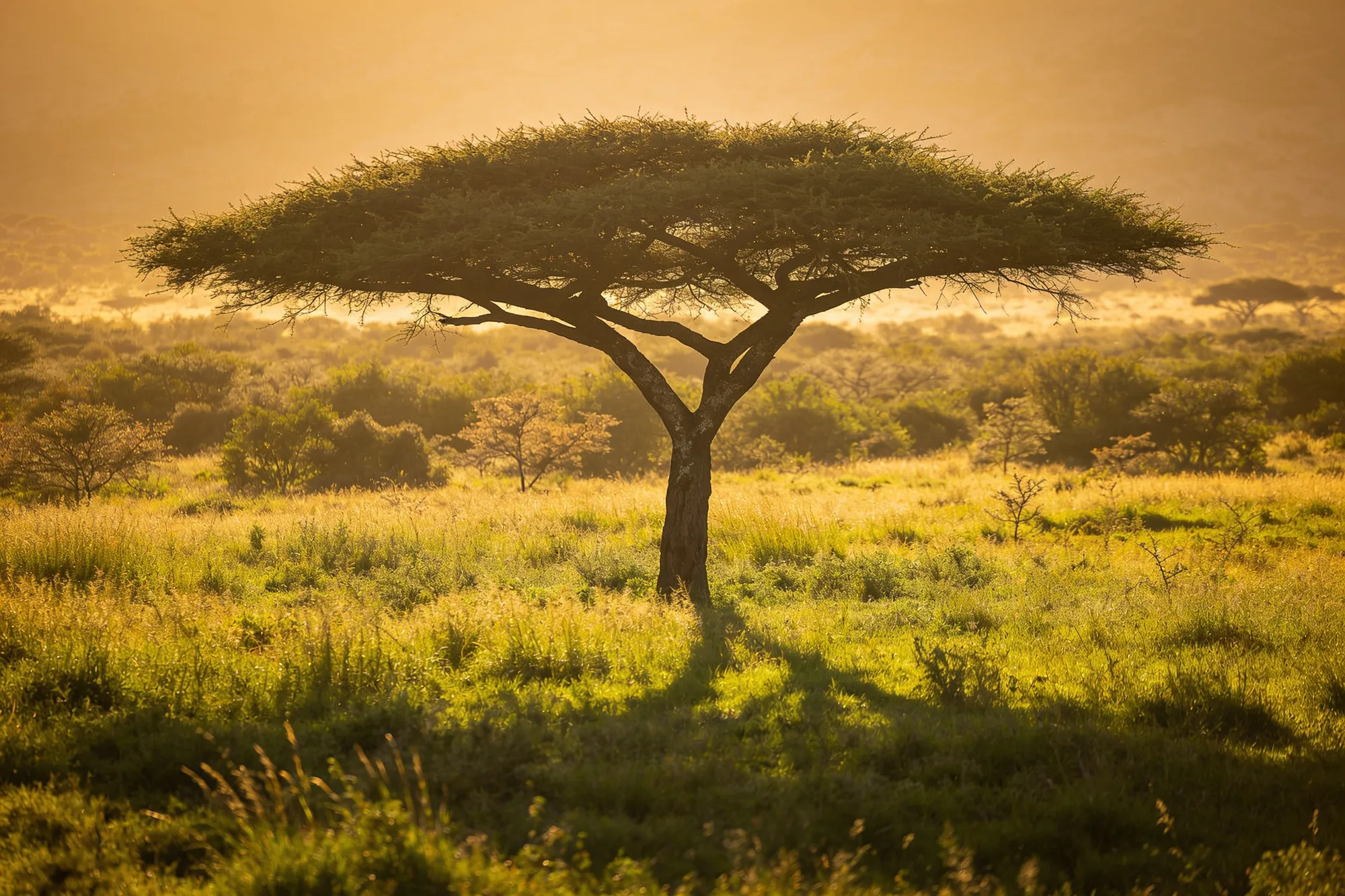
Summer is the underrated season. The rains turn the Kruger lush and green, the light is dramatic, and two things happen that winter can’t match. First, the migrant birds arrive and the residents come into breeding plumage, turning the park into one of Africa’s great birding destinations. Second, it’s calving season: November and December bring a wave of newborn impala, wildebeest and zebra, and with them the predators that hunt them, so the drama of the hunt is at its highest. The cost is visibility. The thick green bush hides animals, the heat is serious by midday, and afternoon thunderstorms can be heavy. Prices are lower and the camps quieter, which for birders and value-seekers can tip the balance.
Month by month, in short
A quick run through the year. January and February are hot, green and wet, with newborns and birds but harder spotting. March and April are the green shoulder, still lush but easing, often a sweet spot of decent game viewing and low crowds. May is the start of the dry season and one of the best all-round months. June, July and August are peak winter: superb game viewing, cold mornings, busiest camps. September is many guides’ favourite, dry and thinning bush before the heat returns, with excellent sightings. October turns hot and the first storms build, the last of the dry-season viewing. November and December bring the rains, the calving and the festive-season crowds at the rest camps.
Malaria, by season
The Kruger is a low-risk malaria area, and the risk is not constant through the year. It is highest in the warm, wet summer months and lowest in the dry winter, which is one more reason winter suits a first safari or a trip with children. Whenever you go, treat it sensibly: ask a travel doctor about prophylaxis before you travel, and use repellent and cover up at dawn and dusk. Don’t let it stop you, but do plan for it, especially in summer.
Quick steer: for a first Big Five safari, aim for the dry winter, with May and September the sweet spots for game and slightly smaller crowds. For birds, newborns and lower prices, take the green summer and accept thicker bush.
Crowds, prices and school holidays
Two calendars sit on top of the seasons. Dry winter is peak demand, so the SANParks rest camps and the private lodges are at their busiest and priciest from June to September. On top of that, South African school holidays, especially the long December-January break and the shorter winter holidays, fill the rest camps fastest of all and need booking many months ahead. If you can travel outside those windows, the shoulder months of May and September, or the green months of March and April, give you strong game viewing with fewer cars at each sighting and easier availability.
So, when should you go?
For most people on a first Kruger safari, the dry winter is the answer, with May and September the months we’d pick for the best mix of game viewing, comfort and slightly thinner crowds, and lower malaria risk. If you’re a birder, travelling on a budget, or drawn to the drama of calving season and the green landscape, the summer rewards you, just go in knowing the bush is thicker and the spotting harder. Whichever you choose, book early, because the best camps and lodges sell out by season. Our safari guide will help you decide where to point the trip, and our Kruger pages cover the camps in detail.
Found your month?
Find a rest camp or a lodge for your Kruger dates and book early, with our partner.