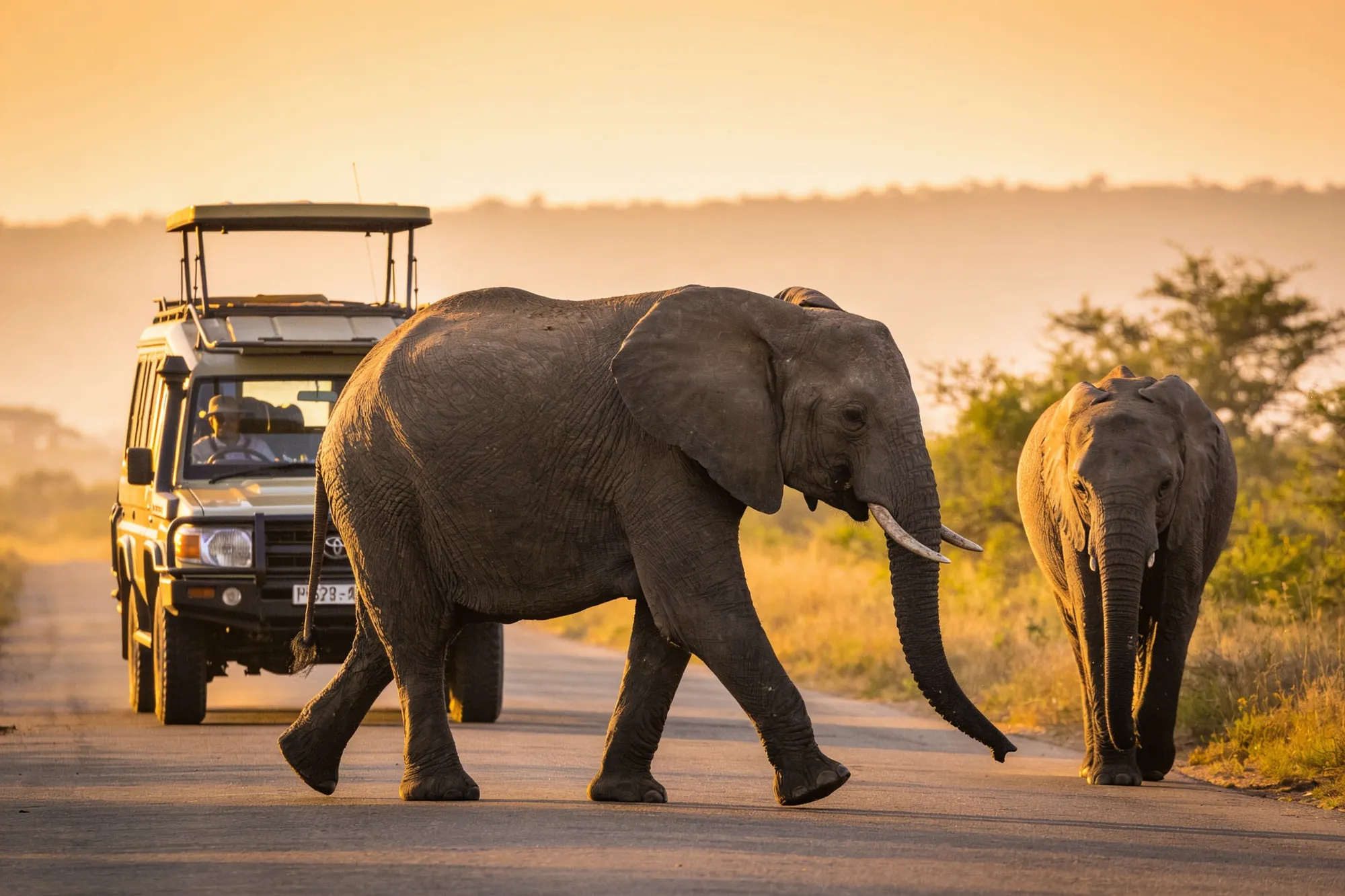
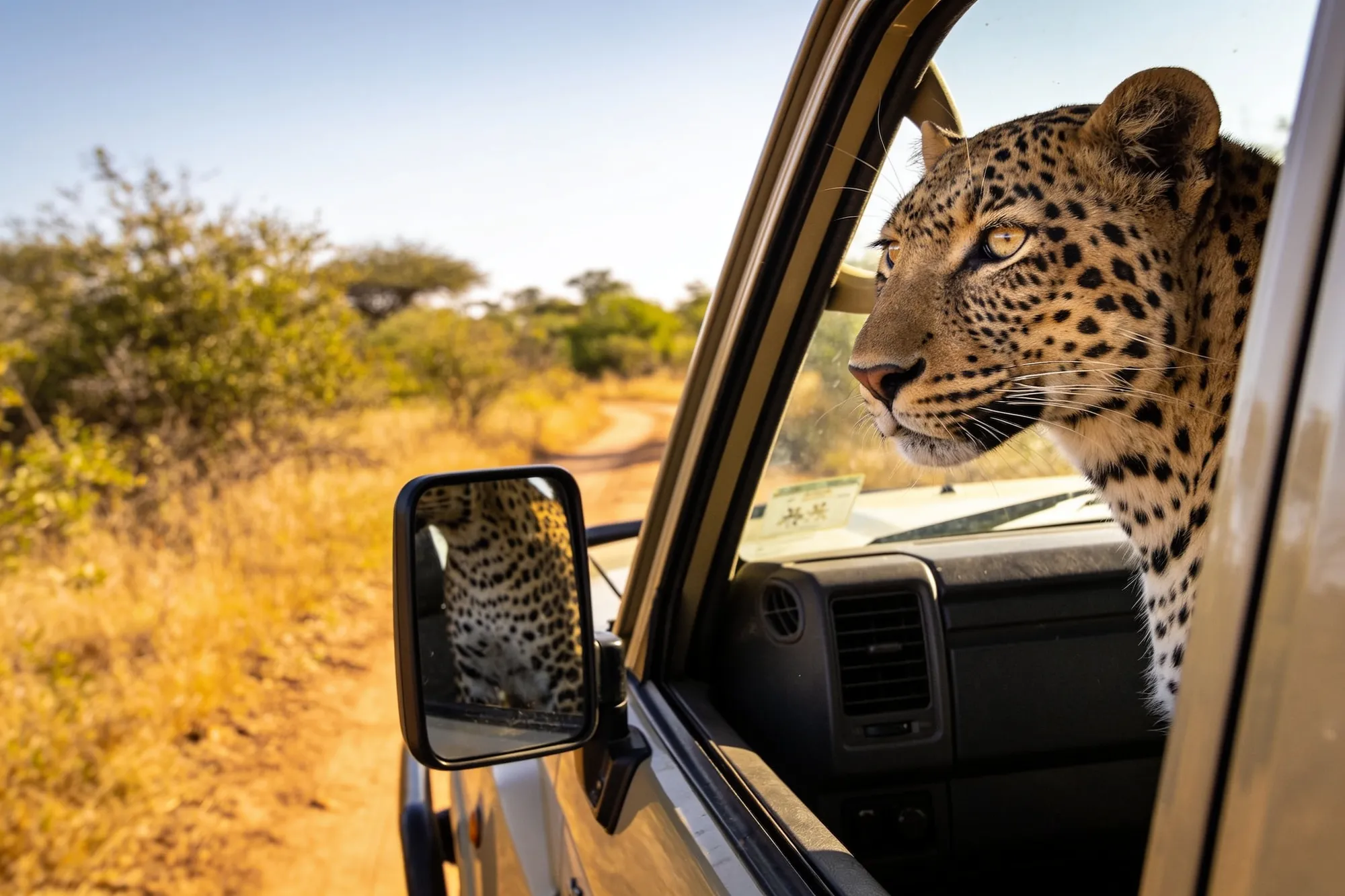
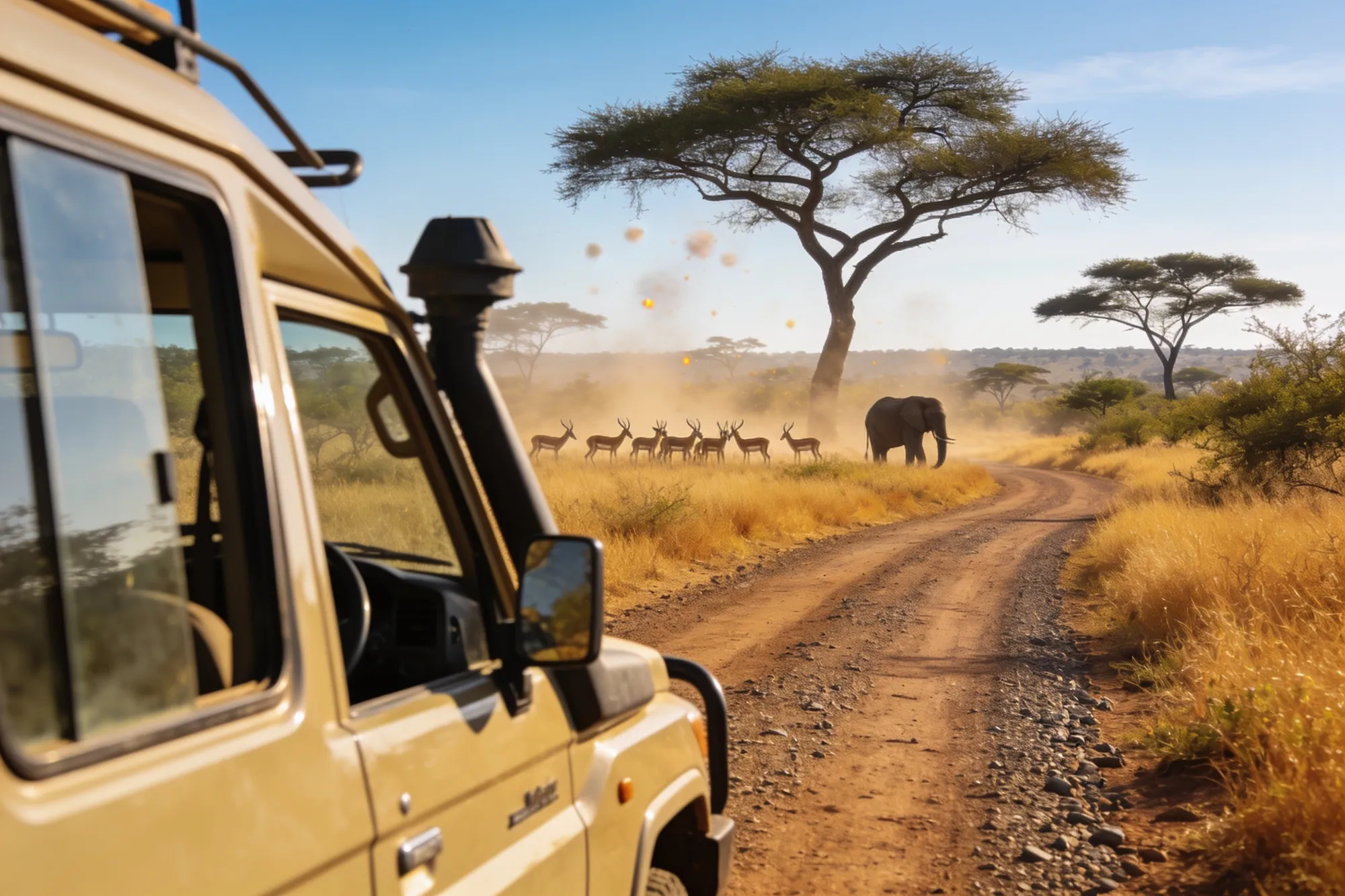
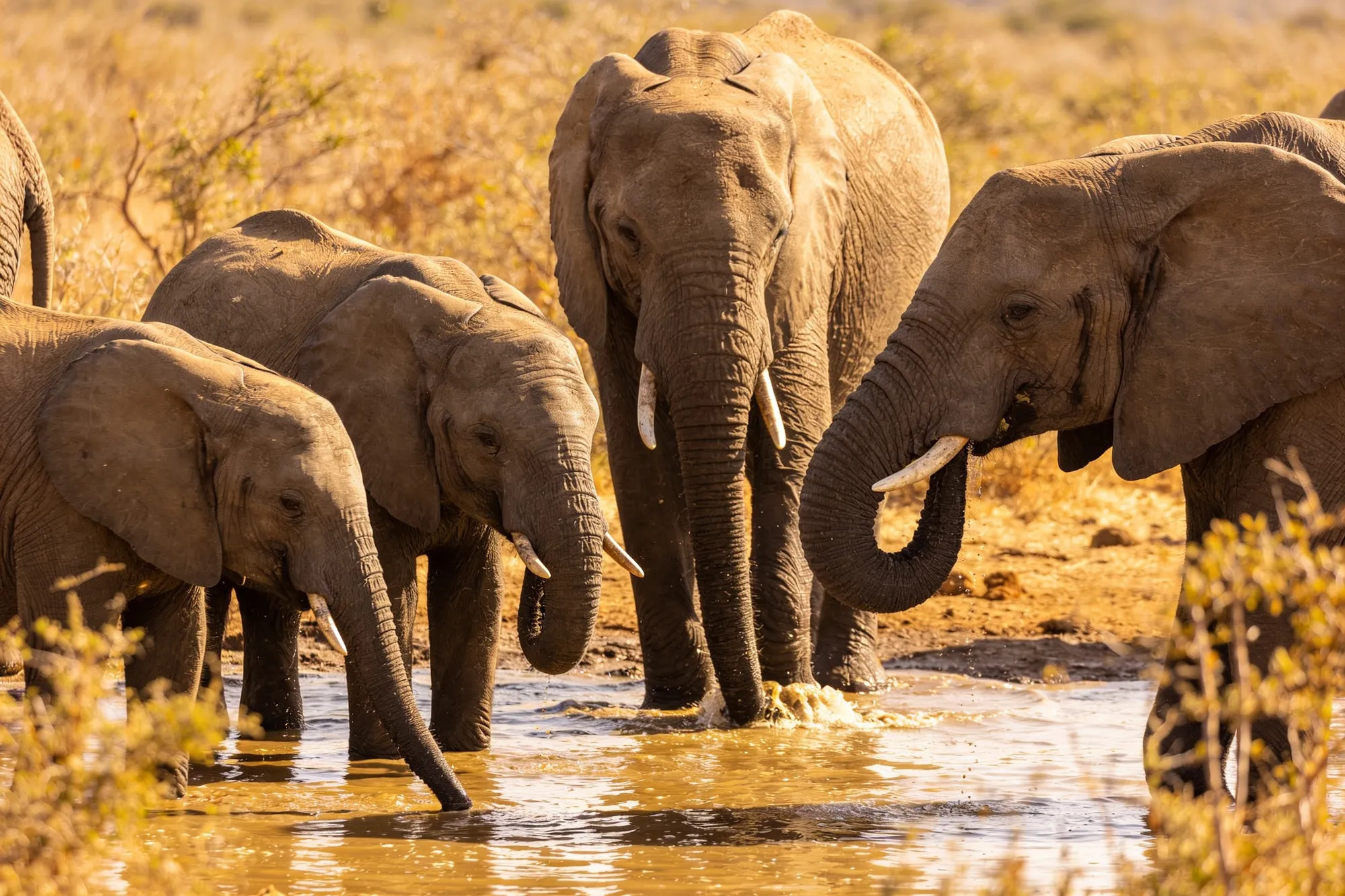
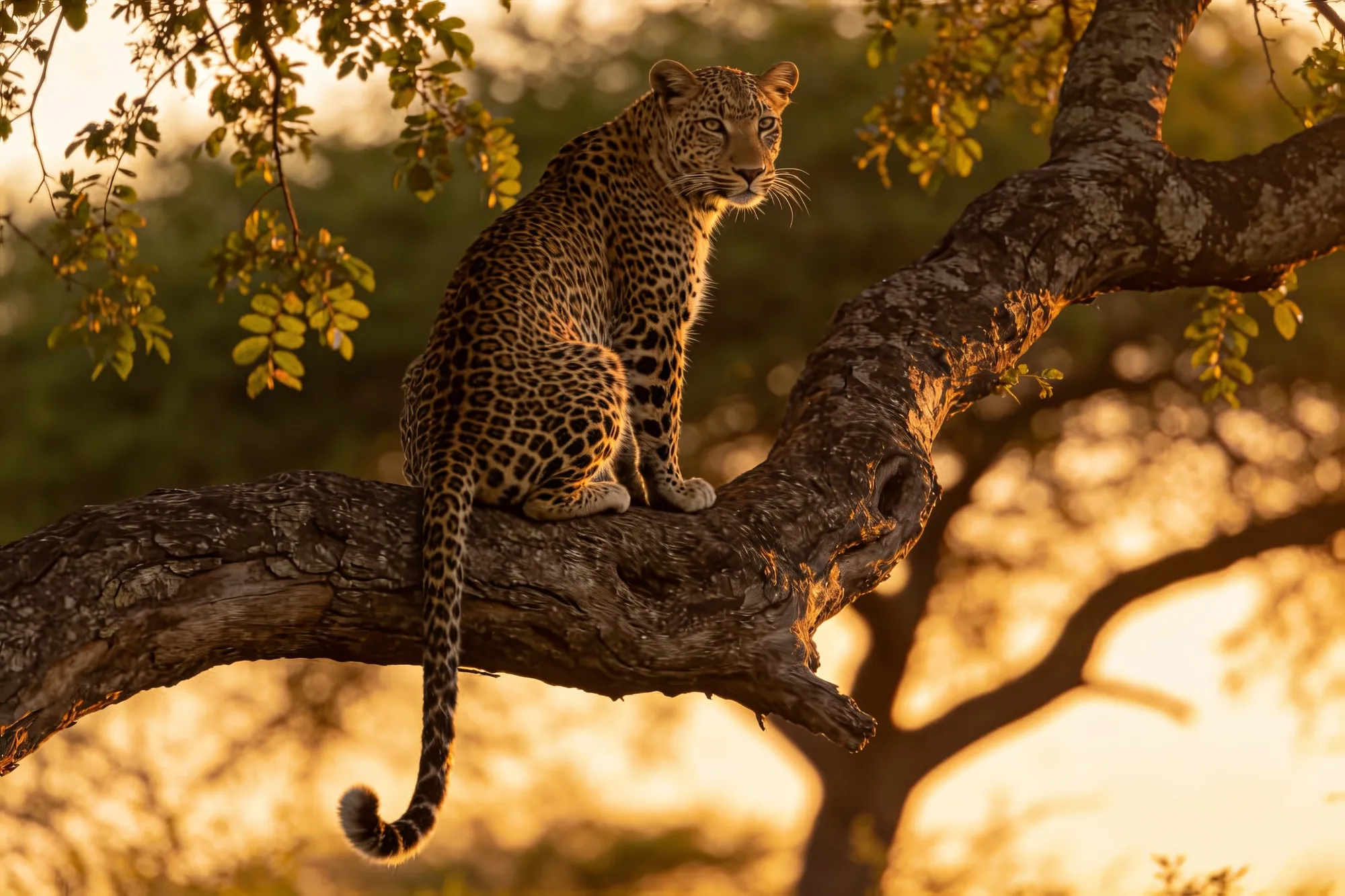
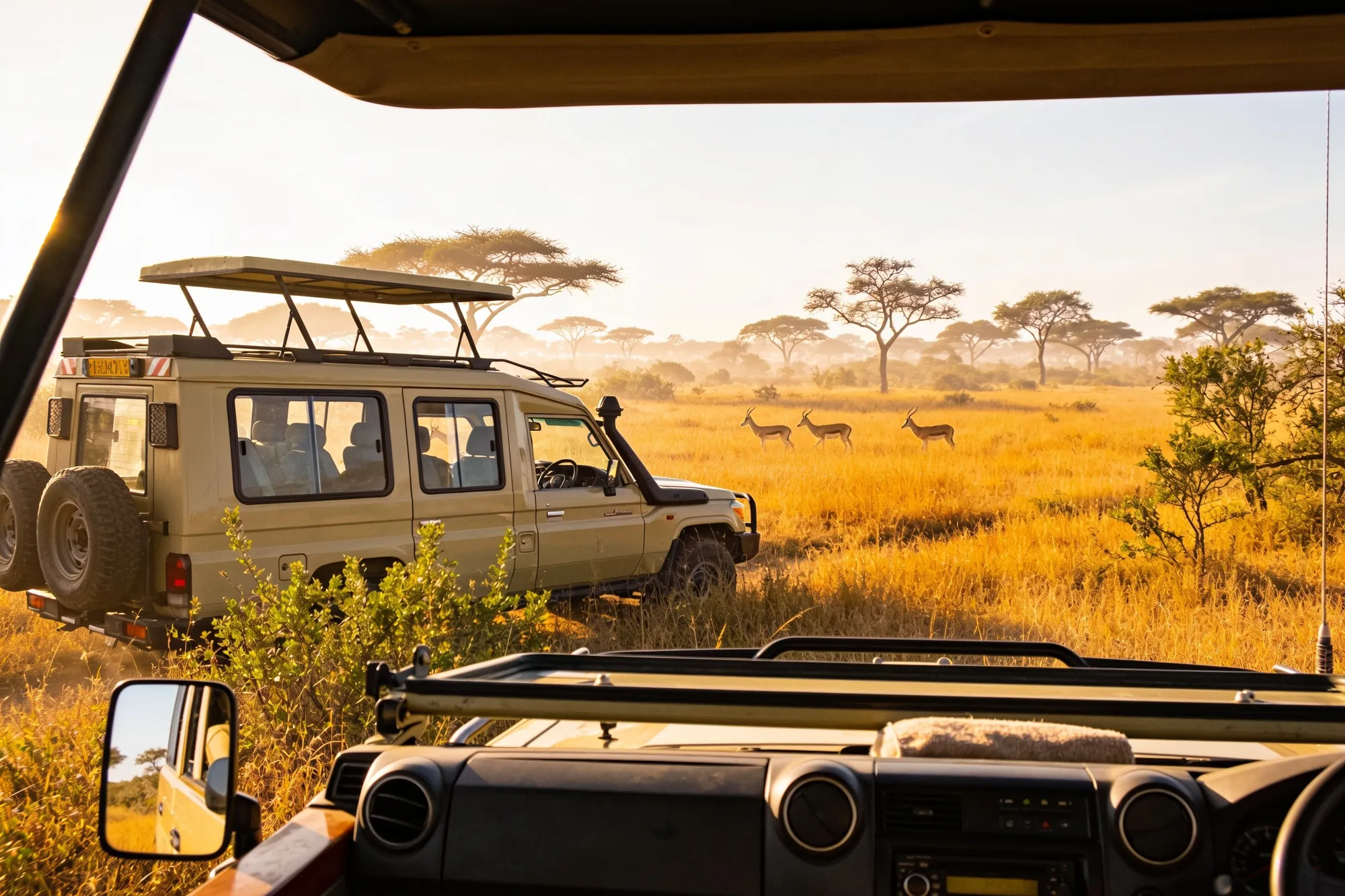
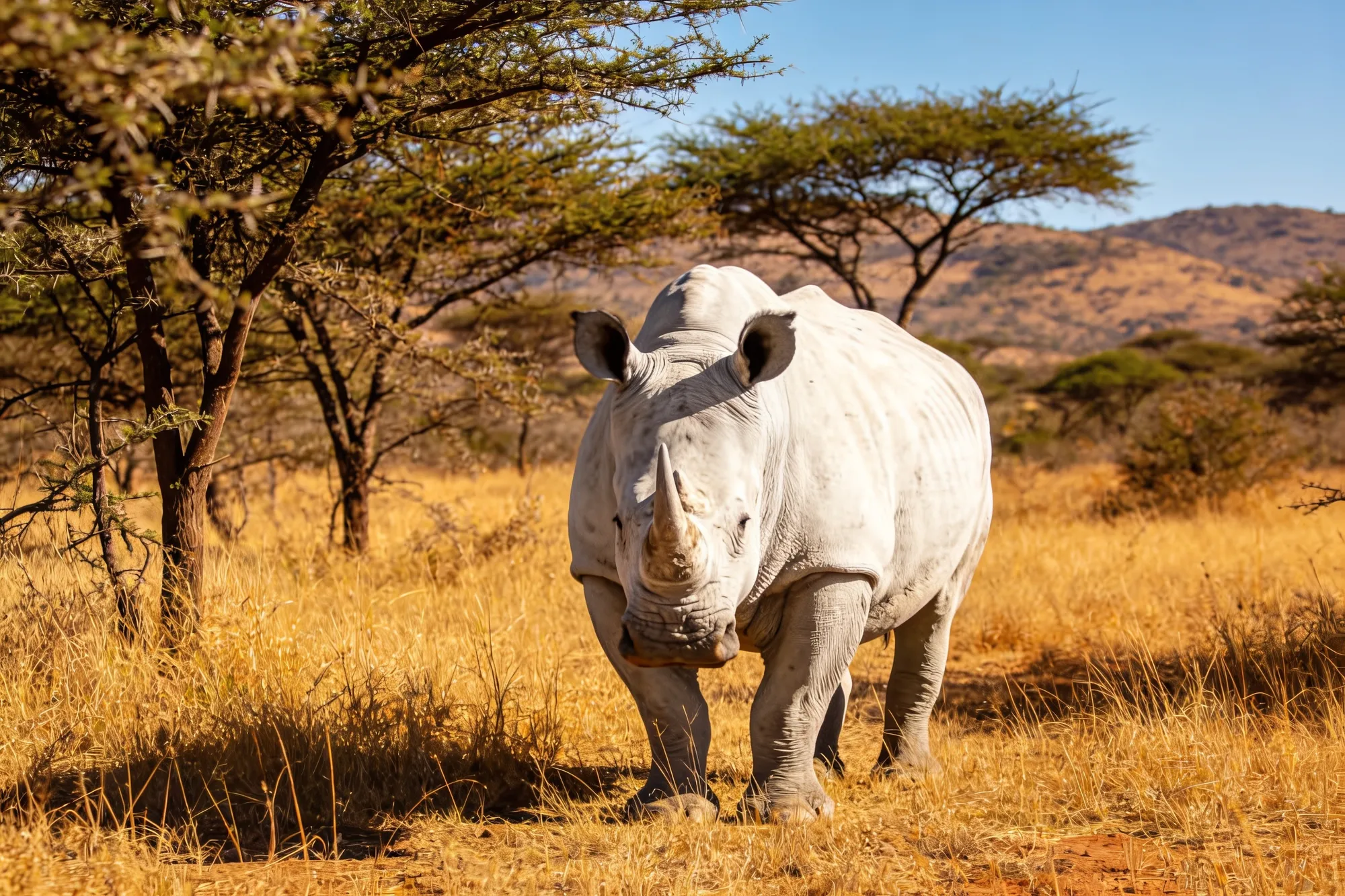
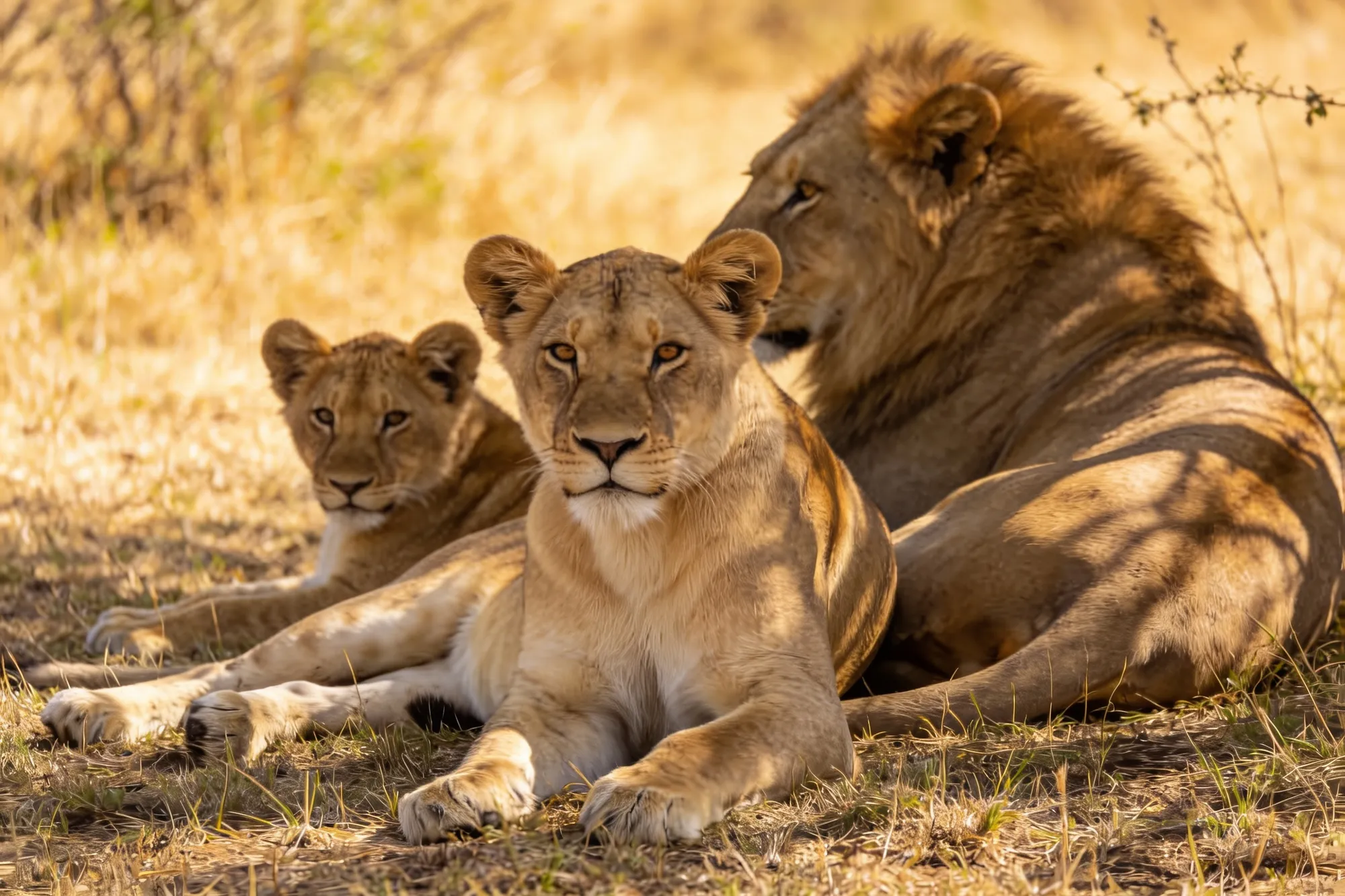
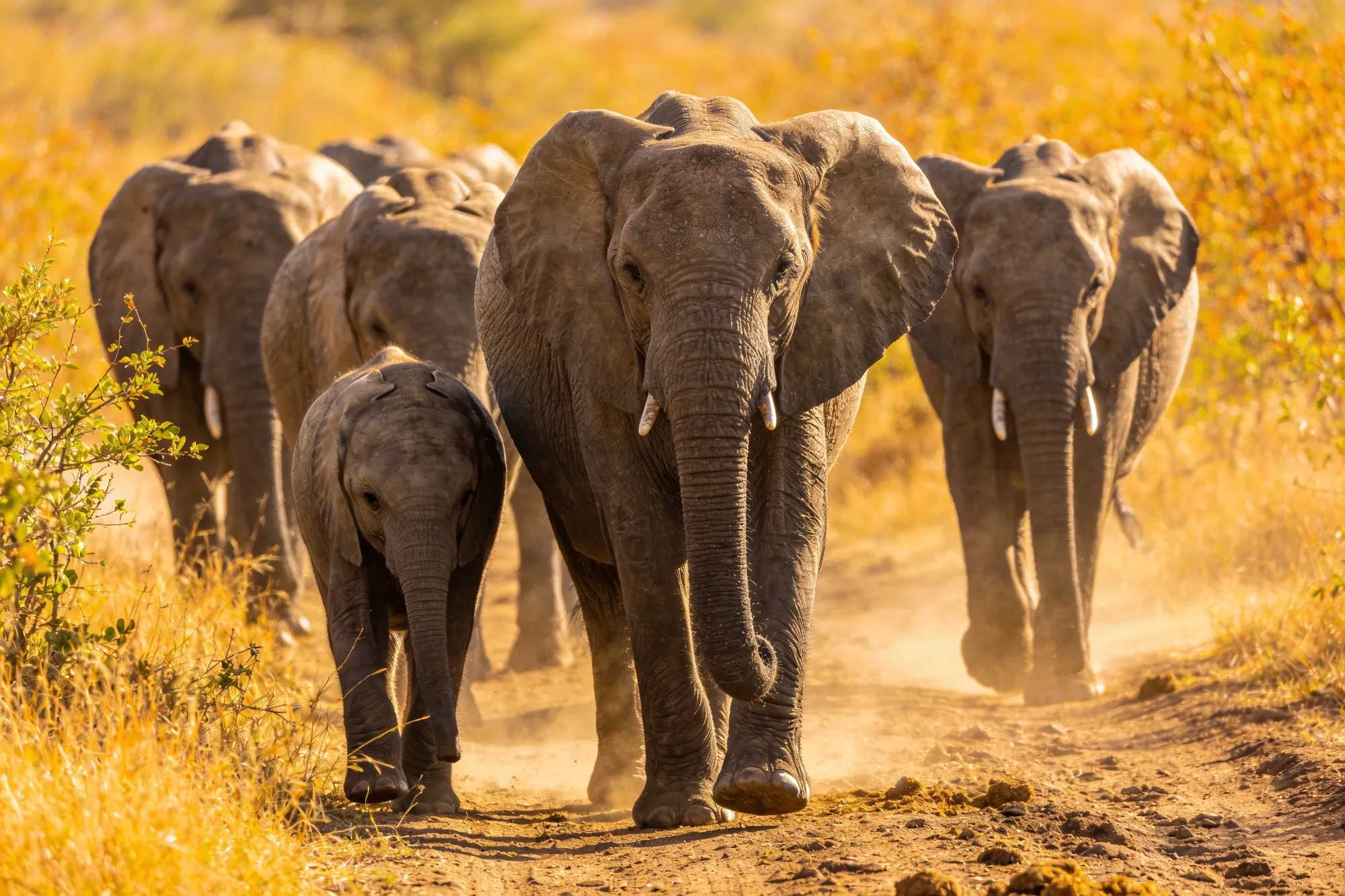
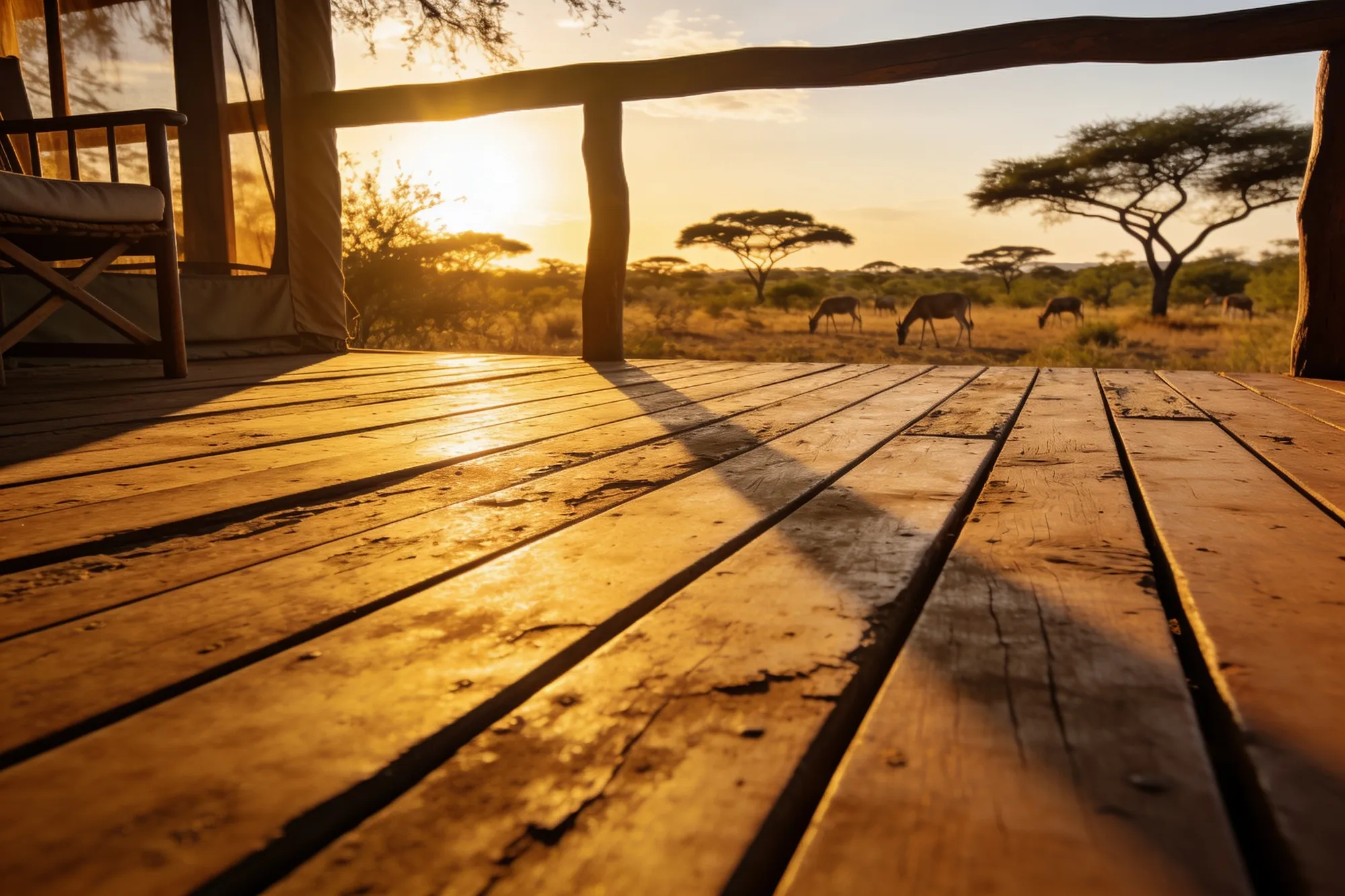
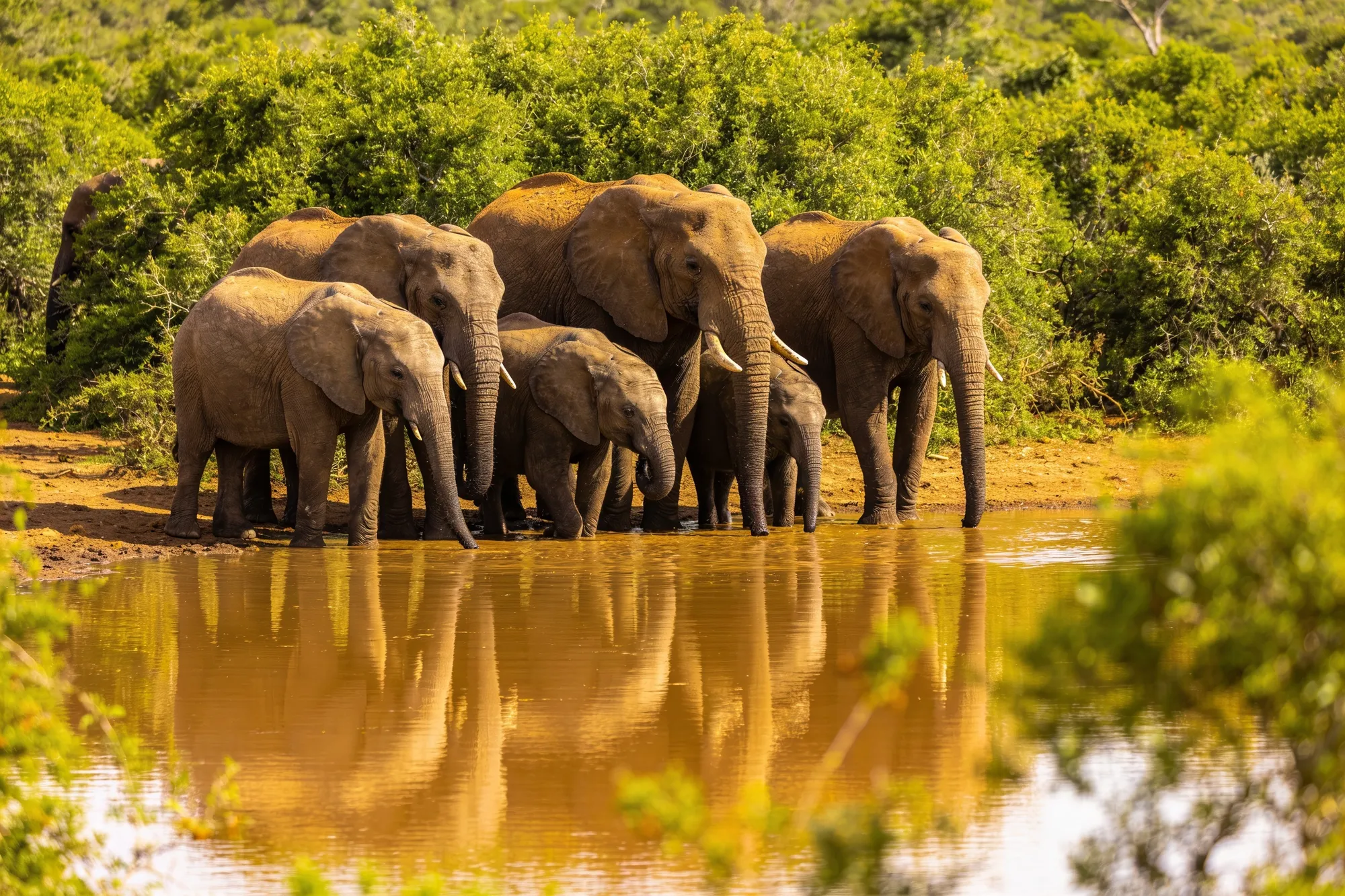
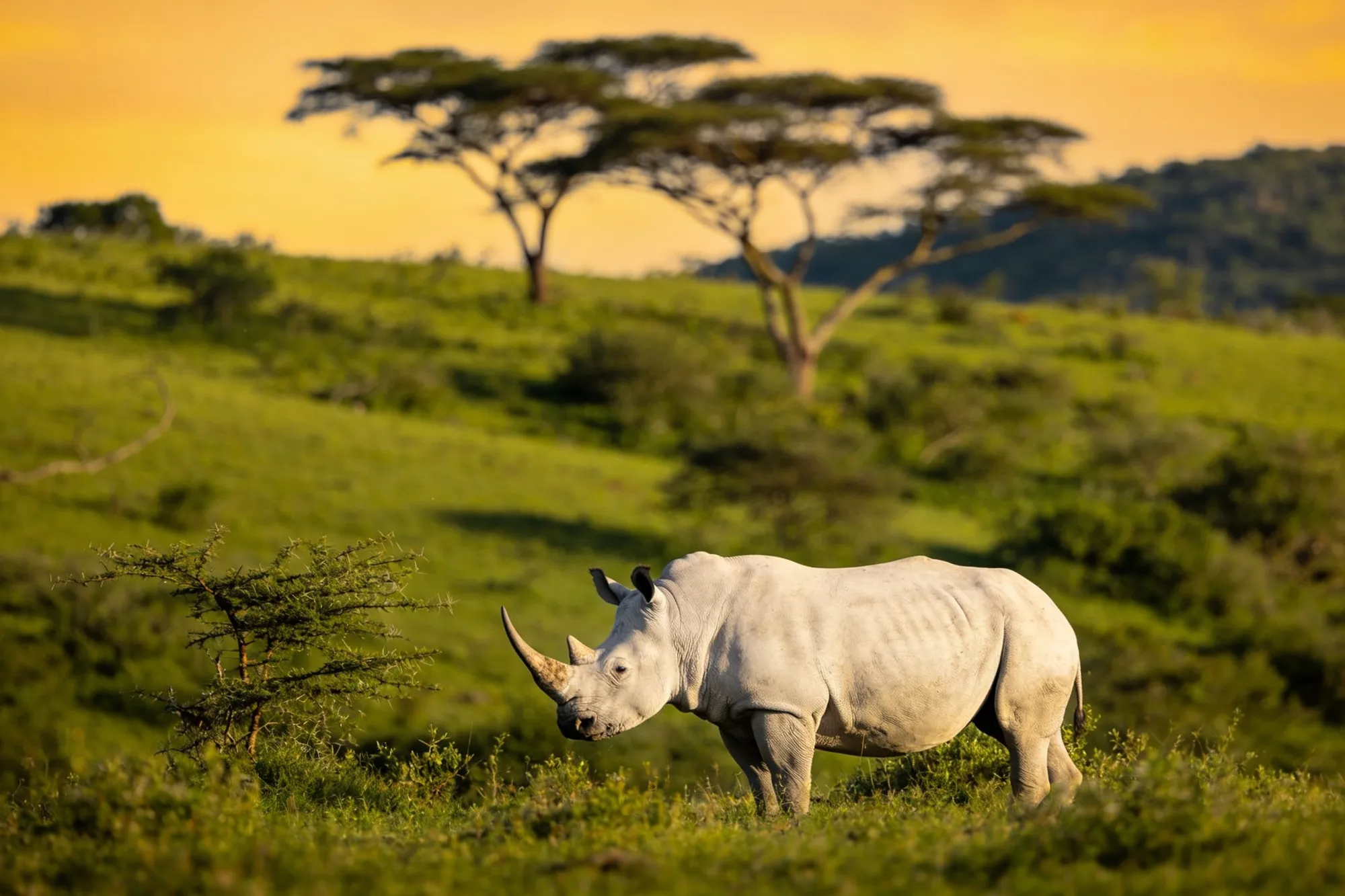
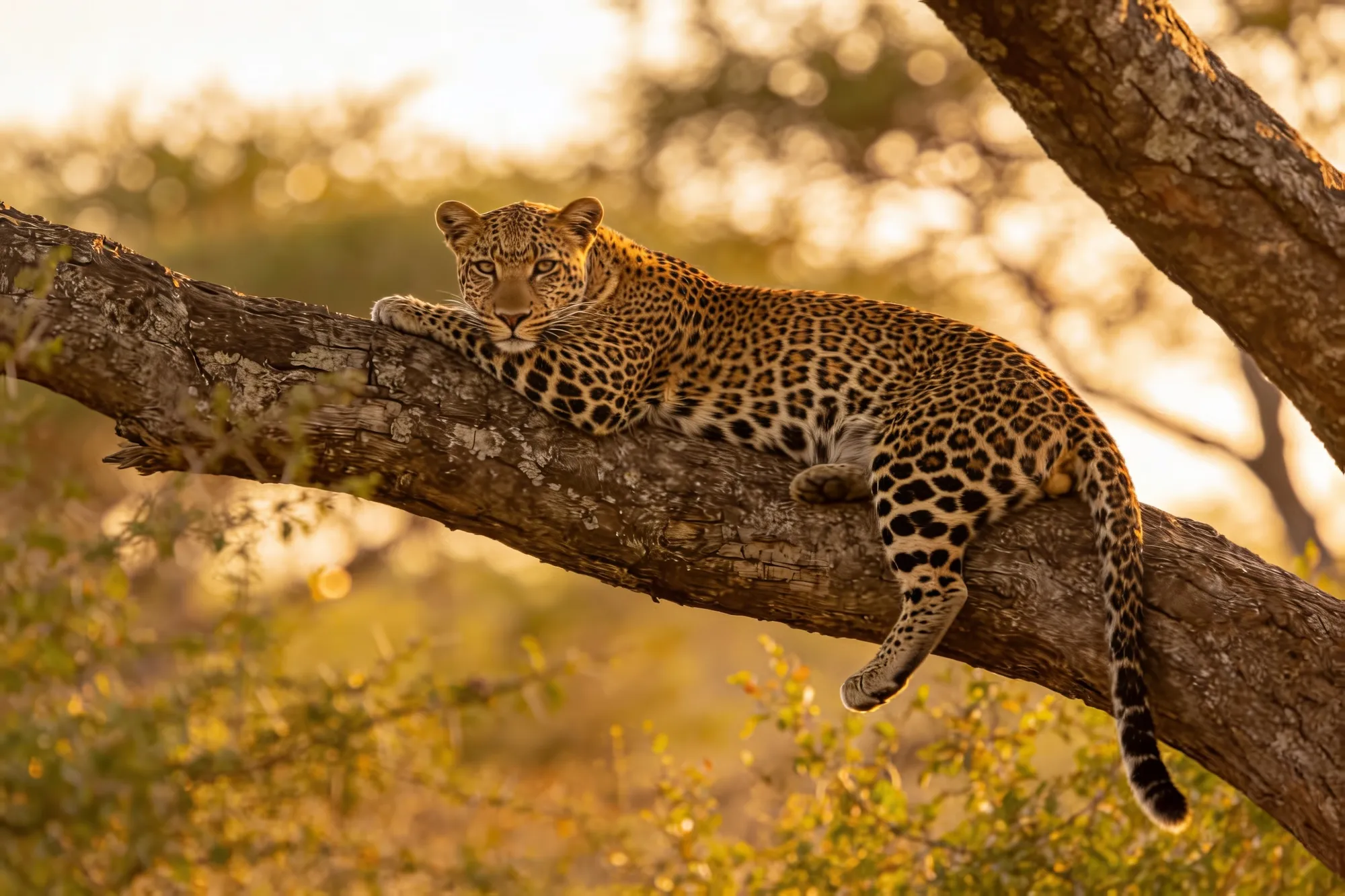
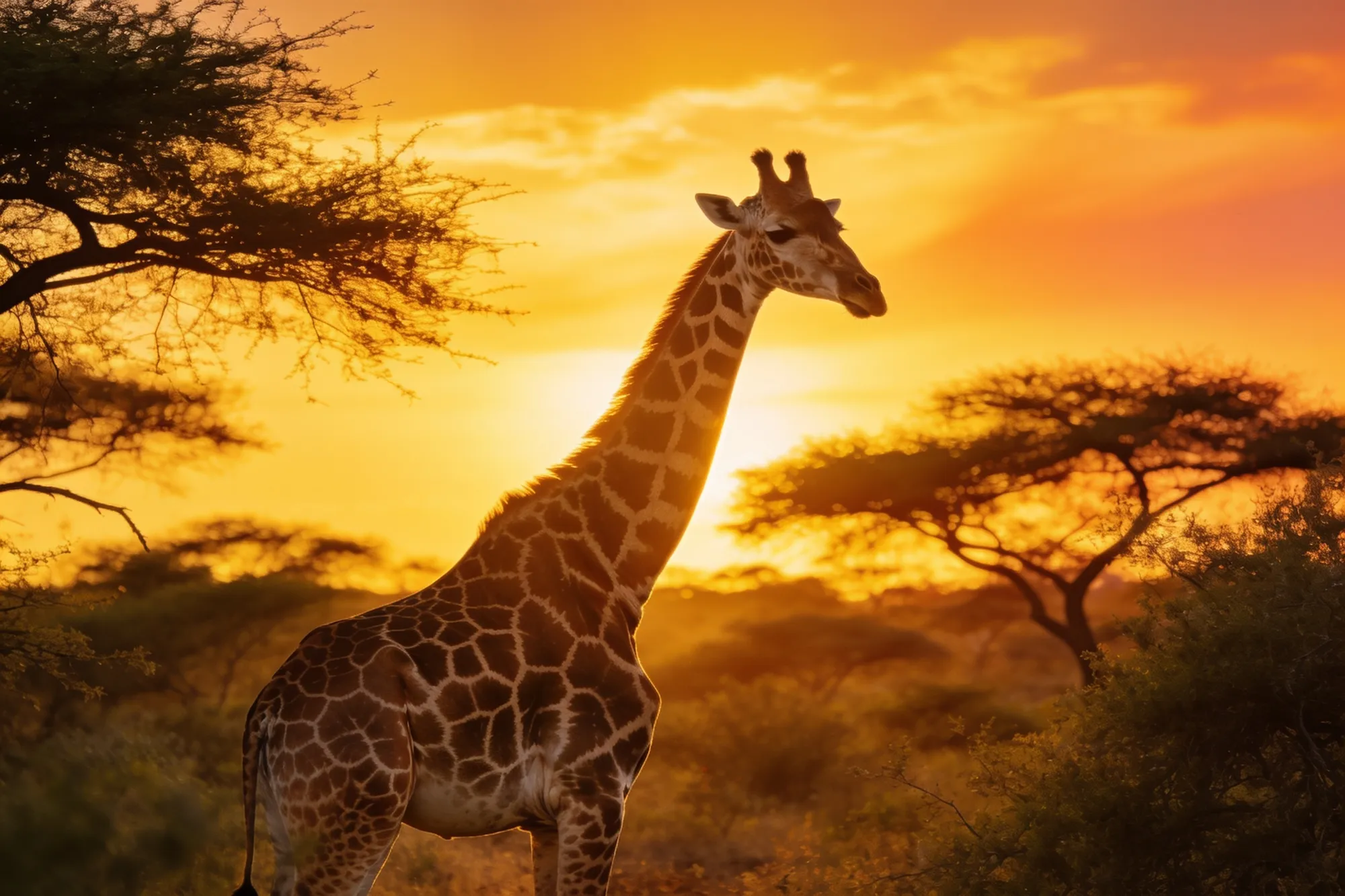
A safari is the reason most people come to South Africa, and the country makes it unusually easy to arrange a first one. You can drive yourself through the Kruger for the cost of a daily park fee, or be guided in a private reserve where a tracker finds the leopard for you. You can do it with malaria pills, or skip them entirely in a park that has none. The animals are the same wild Big Five throughout. What changes is the price, the comfort, and how much you actually see.
This page is the map of those choices, not a single destination. The first decision is the Kruger versus a private reserve. The Kruger National Park is enormous, public and affordable, and you explore it on its own roads in a hire car. The private reserves that border it, Sabi Sand and Timbavati among them, share the same unfenced wildlife but add guides, off-road driving and night drives, which is why predators are so much easier to see there. You pay a lot more for that access. The second decision is self-drive or guided, and it comes down to the same trade: freedom and a low cost against far more wildlife found for you. Many people do a bit of both.
The third decision is malaria. The Kruger and its reserves carry a low malaria risk that rises in the wet summer, so families with young children, or anyone who would rather not take antimalarials, often choose a malaria-free park instead. Madikwe and Pilanesberg are a few hours from Johannesburg, and Addo Elephant Park sits off the Garden Route near the coast. The wildlife is real and the worry is gone. Whichever way you lean, go in the dry winter if you can, give it at least three nights, and read the detailed pages on each park to decide where to point the car.