A free wander
The streets are open to walk. Climb the cobbled lanes for the colour and the views back over the city, look in at the little Bo-Kaap Museum on Wale Street, and pick up a koeksister from a corner shop on the way down.

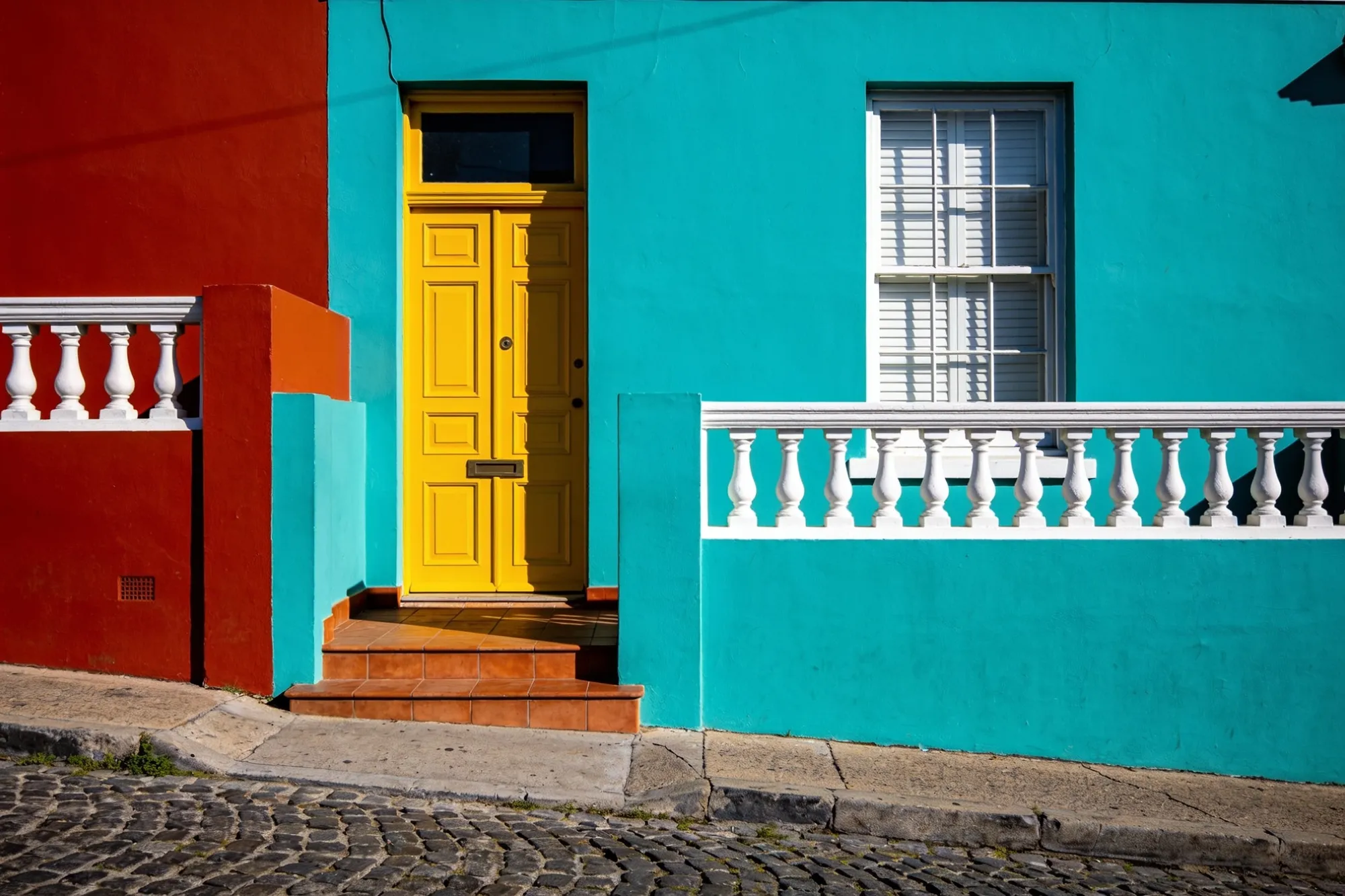
Cape Town's Cape Malay quarter, a hillside of cobbled lanes and houses painted every colour, with the country's oldest mosque, a proud Muslim community and a kitchen worth travelling for.
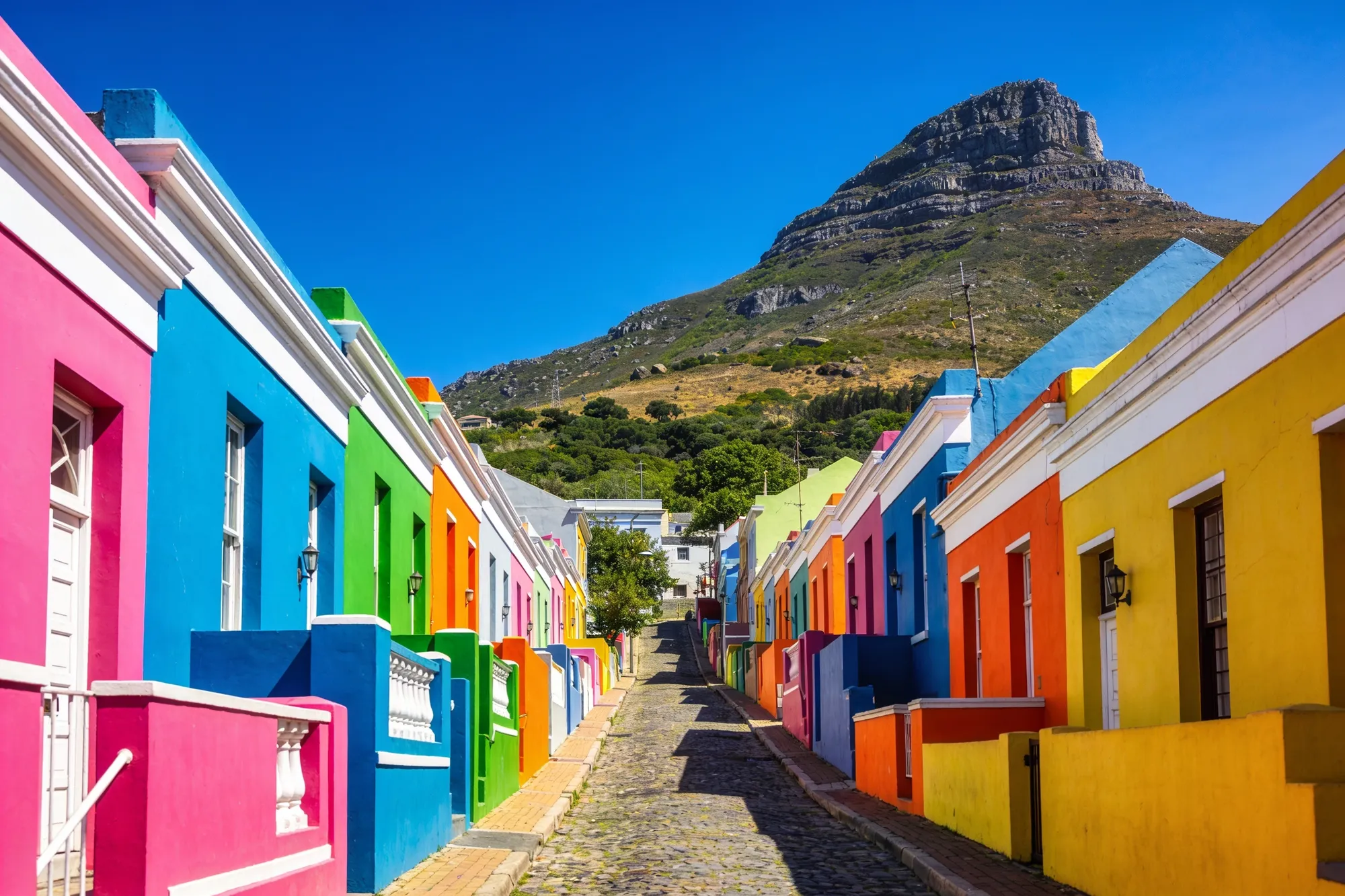
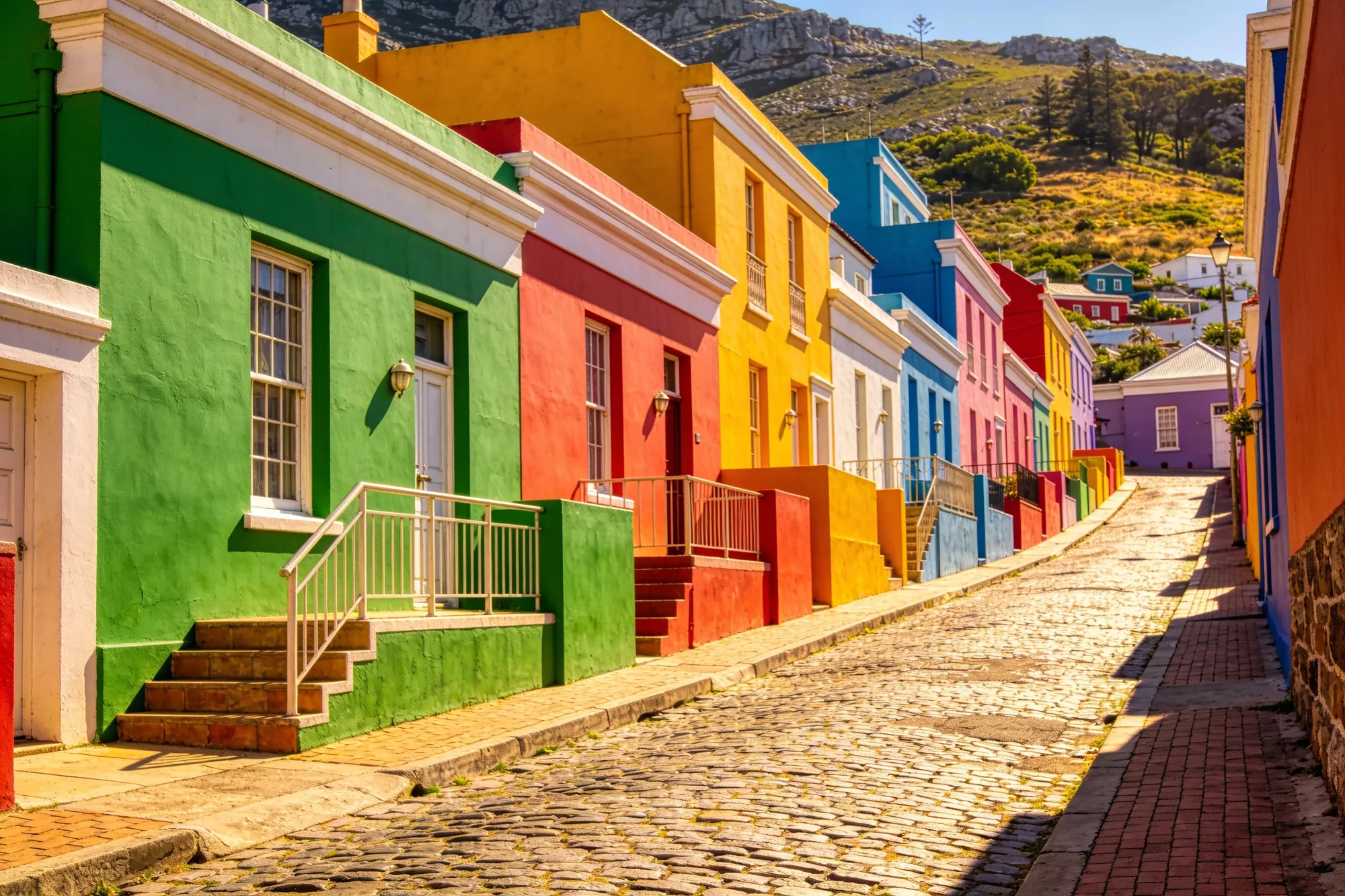
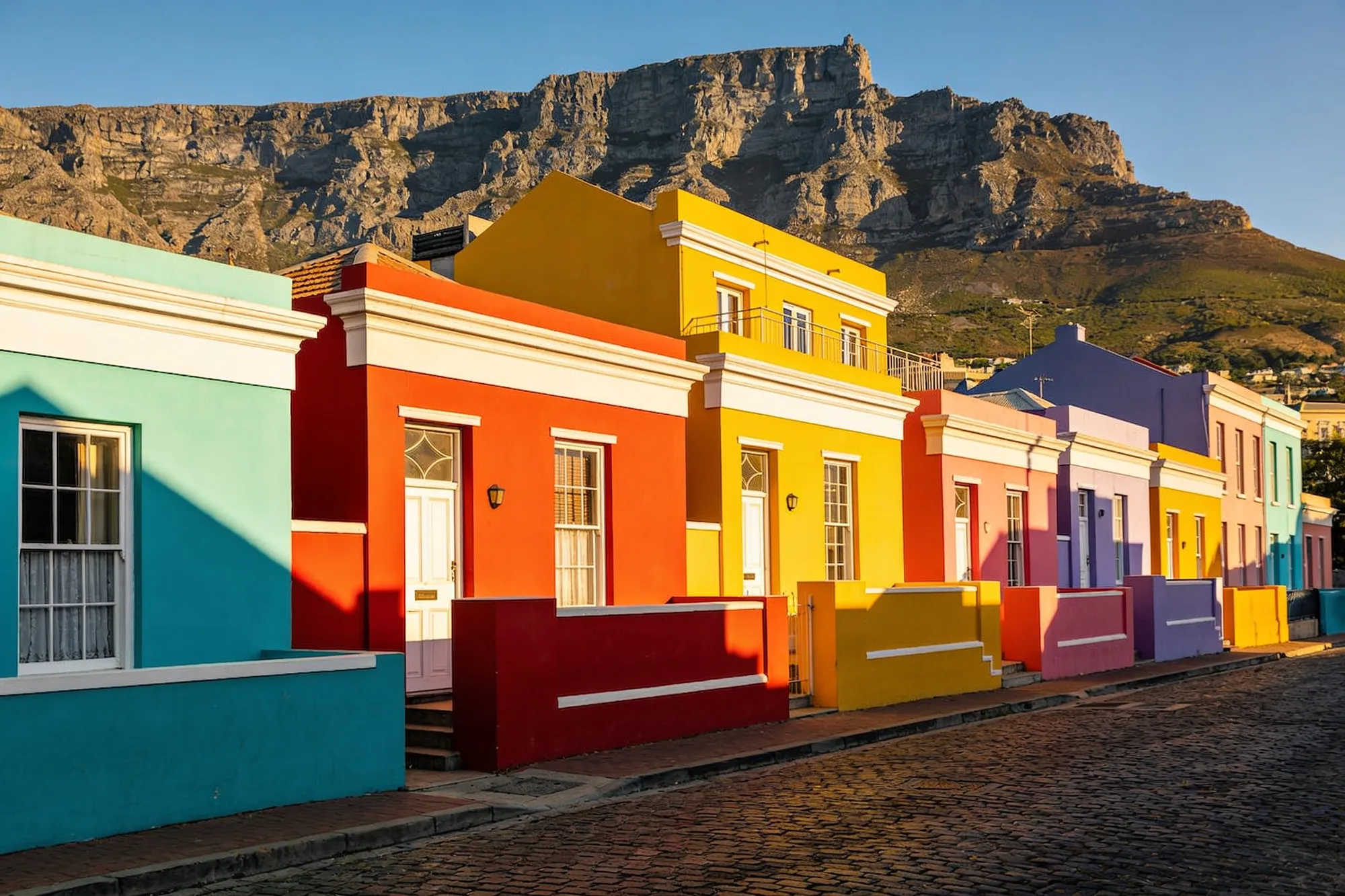
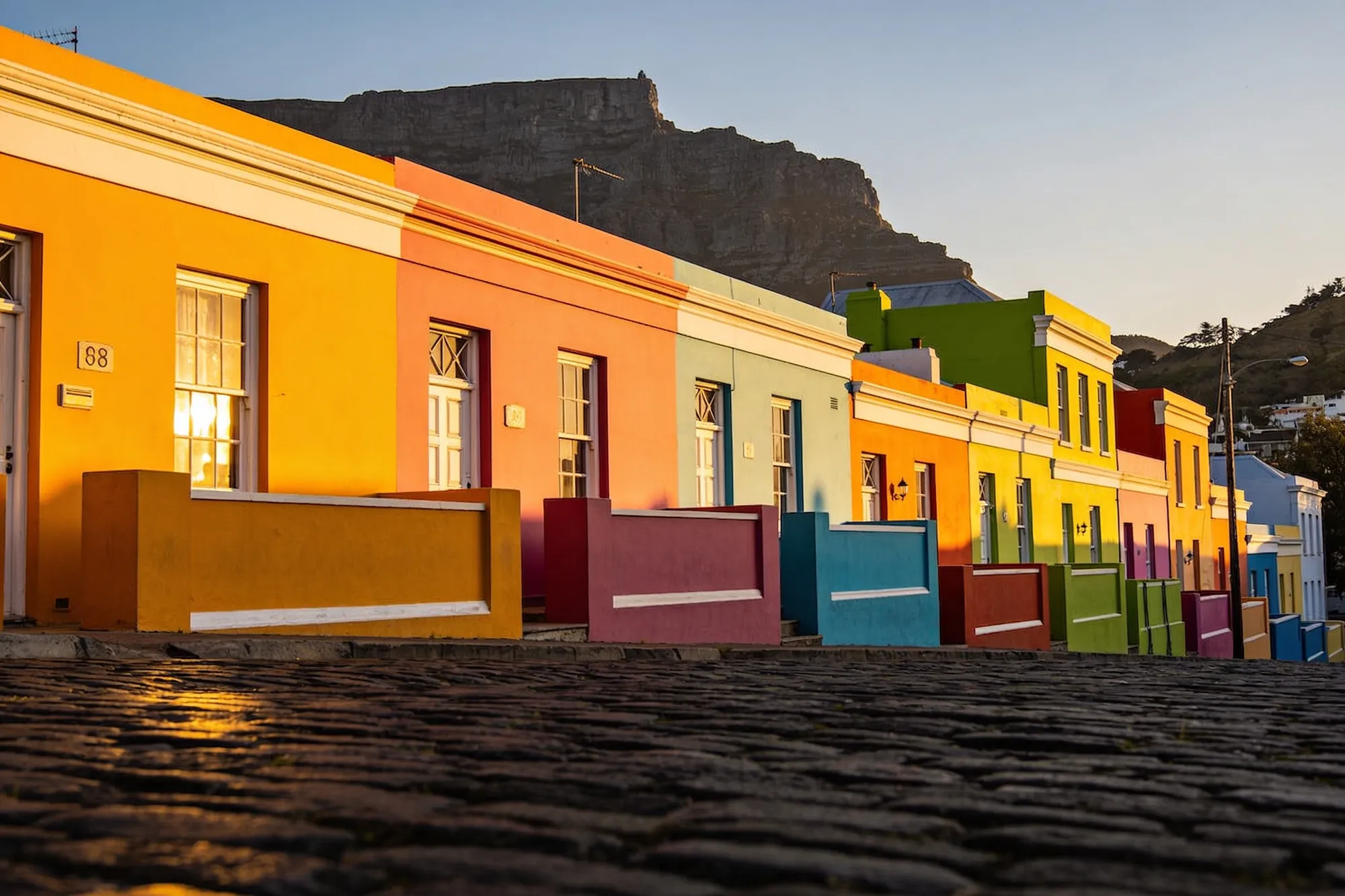
Bo-Kaap climbs the slopes of Signal Hill just above the Cape Town city centre, a grid of steep cobbled lanes lined with houses painted pink, green, blue and yellow. It is the historic heart of the Cape Malay community and one of the oldest neighbourhoods in the city.
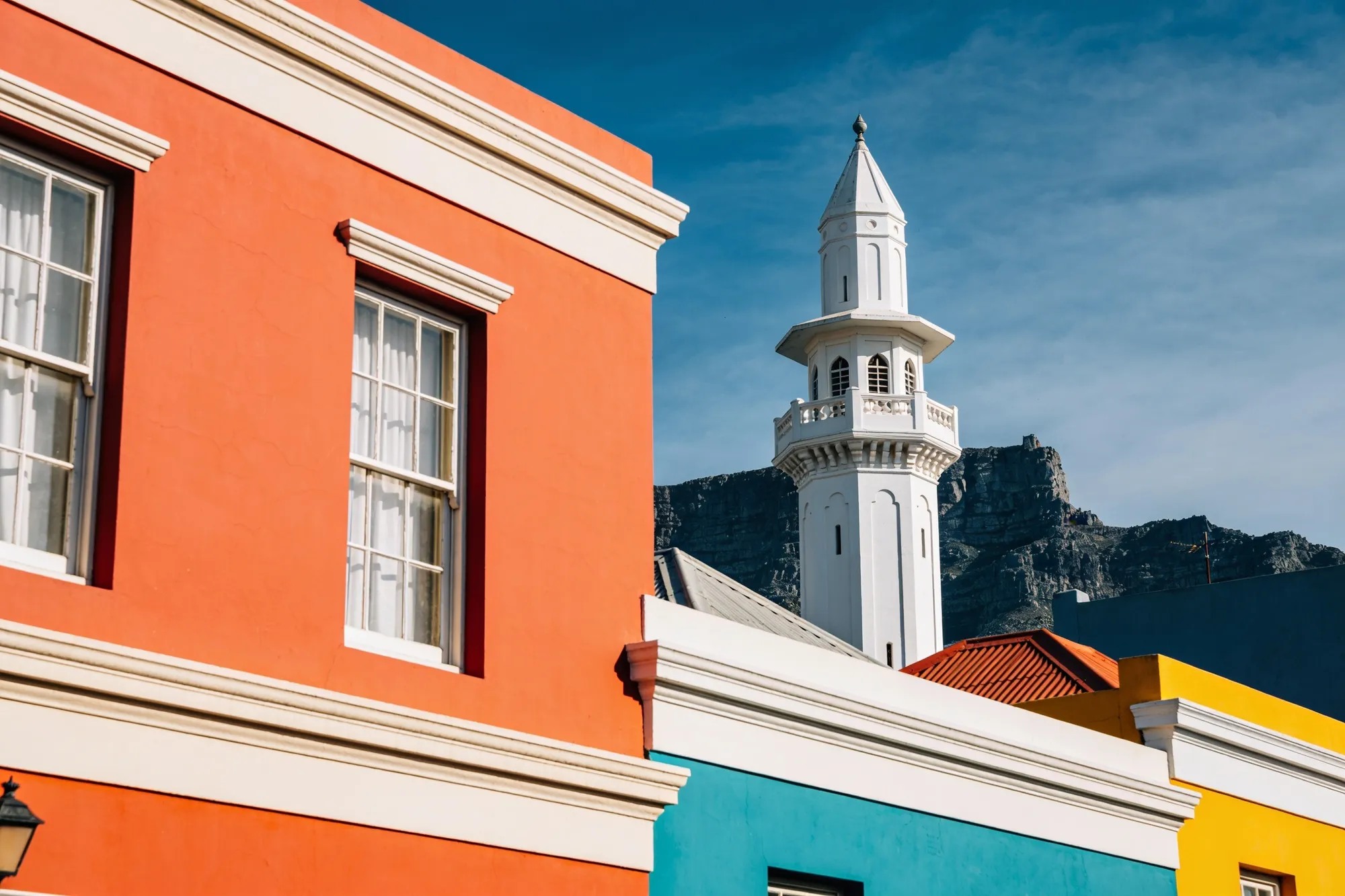
Its people are descended from enslaved men and women brought by the Dutch from Indonesia, Malaysia and elsewhere from the 1600s on. They built South Africa’s first mosques, and the Auwal Mosque on Dorp Street dates from 1794. They also gave Cape Town much of its food. The bright colours are more recent: a post-apartheid statement of identity on streets residents finally owned.
It’s free to wander, a short walk from the Company’s Garden and the centre. But Bo-Kaap is a living neighbourhood, not a museum, so tread lightly. Ask before you photograph people or doorways, dress modestly near the mosques, and if you have time, book a Cape Malay cooking class to taste what the colours are really about.

Wander it yourself, or go with a local for the history and the food.

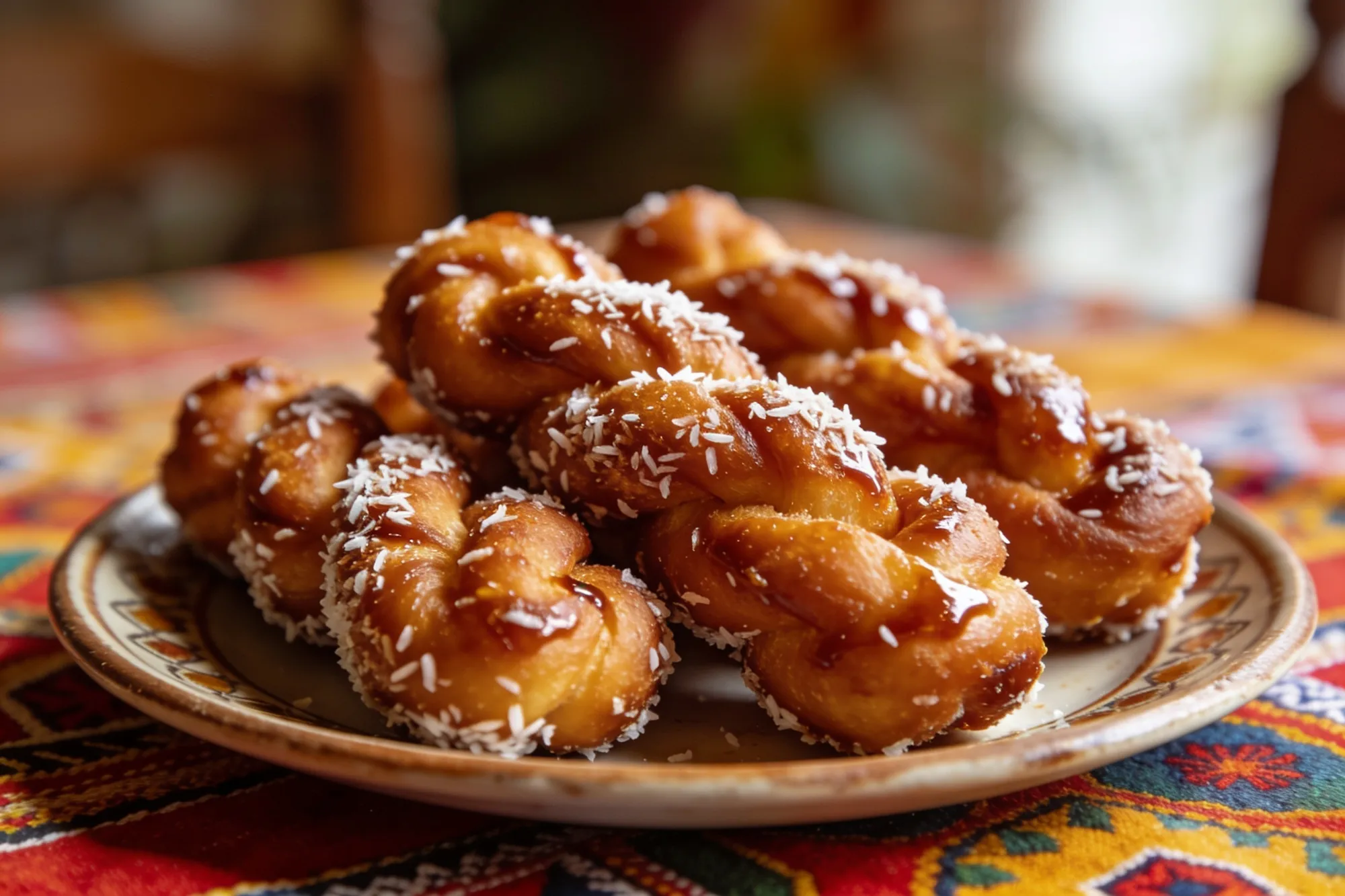
The streets are open to walk. Climb the cobbled lanes for the colour and the views back over the city, look in at the little Bo-Kaap Museum on Wale Street, and pick up a koeksister from a corner shop on the way down.

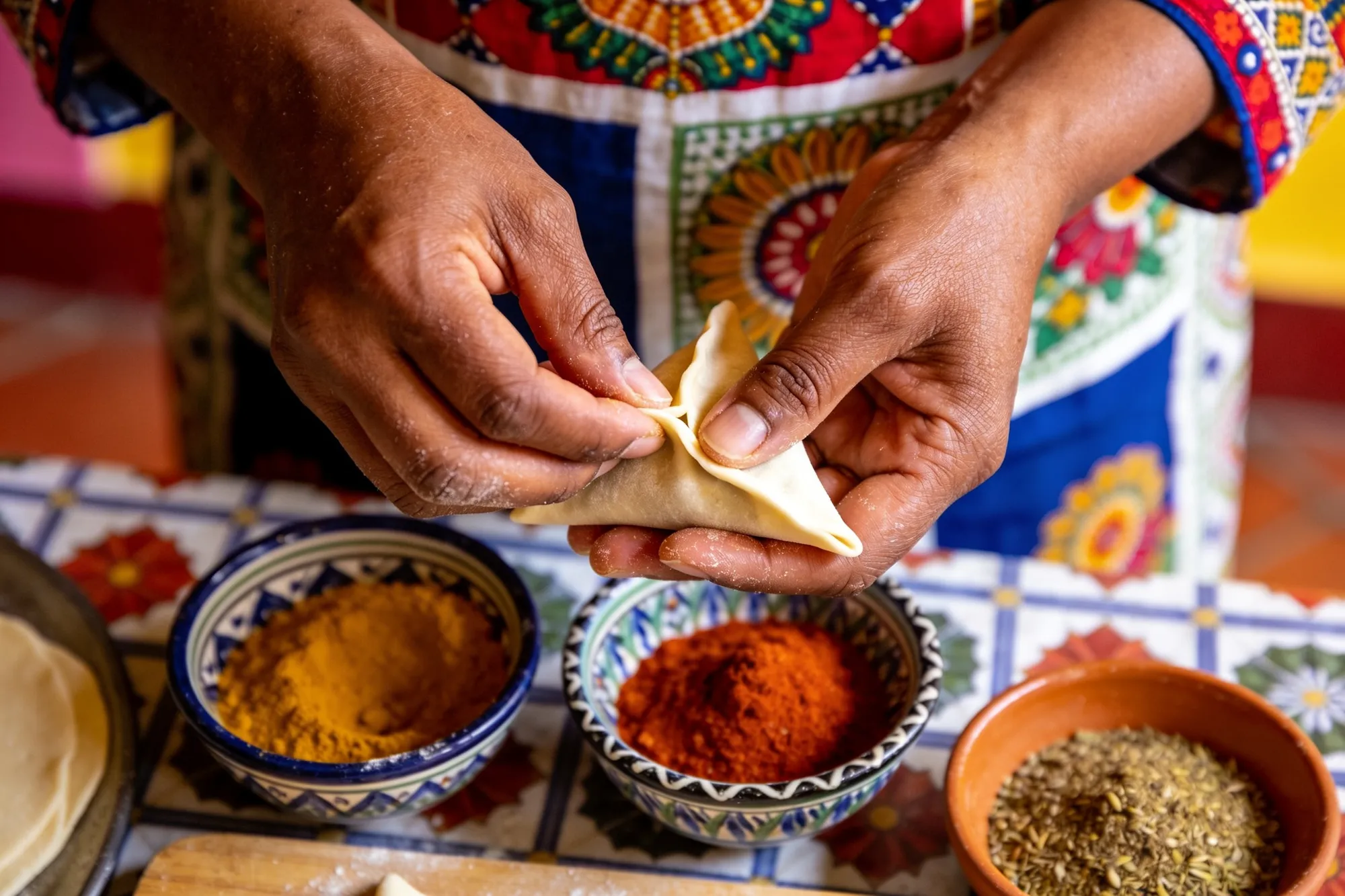
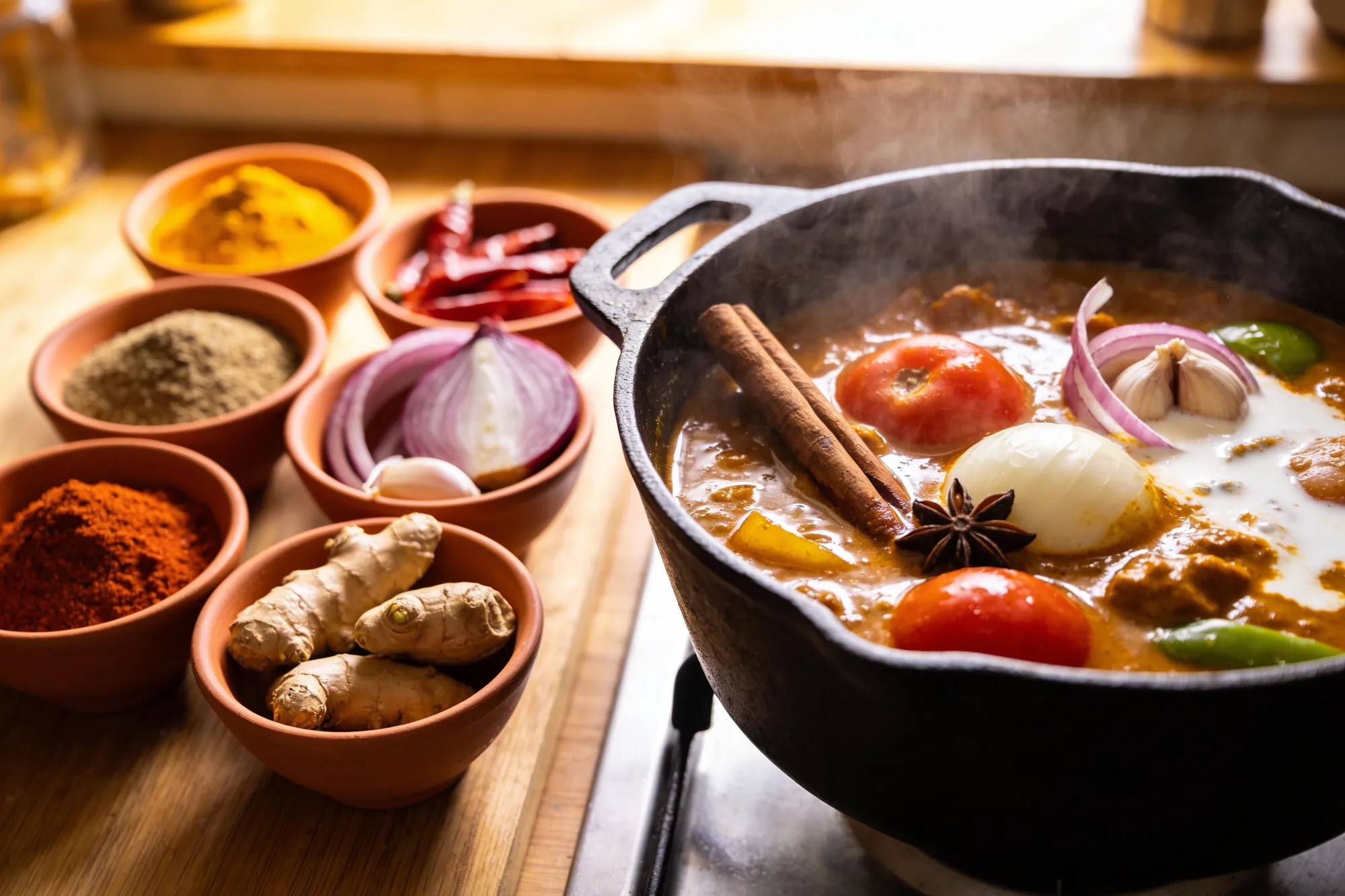
A walking tour, or a Cape Malay cooking class with a Bo-Kaap family, unlocks the history of the area and its food: bredie stew, samosas, koeksisters, and a curry you'll want the recipe for.
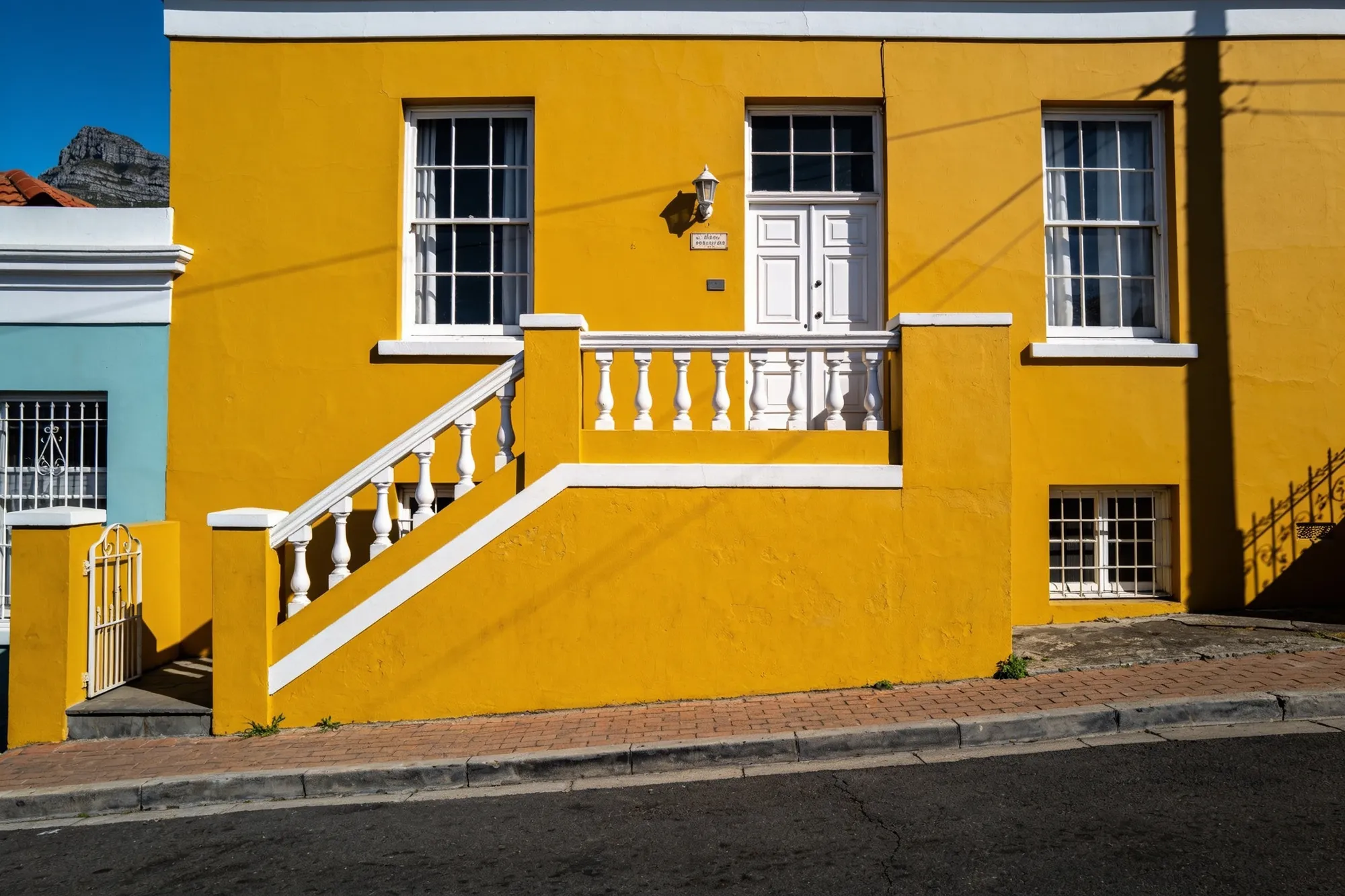
The light is best on the painted facades early, before the tour groups arrive and the day heats up on the steep, shadeless streets.
Bo-Kaap is home to real families, not a film set. Ask before you photograph people, doorways or interiors, and keep noise down.
Dress modestly near the mosques, be aware of prayer times, and take extra care to be discreet during Ramadan.
Cape Malay food is the real draw. Try a koeksister or a samosa from a local shop, or book a cooking class to learn the dishes.
The lanes are steep and cobbled. Flat, comfortable shoes make the climb and the photos much easier.
Bo-Kaap is a short walk from the Company's Garden, Greenmarket Square and the District Six Museum, an easy half-day on foot.


Get under the skin of the quarter on a guided walk or a cooking class booked through our trusted partners — the same price as booking direct.
Cook and eat a traditional Cape Malay lunch with a local family in Bo-Kaap: curry, samosas and koeksisters, recipes included.
Book on GetYourGuide →A guided walk through the quarter's history, mosques and painted streets, often paired with a cooking session.
Find a walking tour →Half- and full-day Cape Town tours that take in Bo-Kaap along with Table Mountain and the peninsula.
See city tours →Hotels and guesthouses in the City Bowl, a short walk downhill from Bo-Kaap.
Find a stay →We may earn a commission when you book through our partner links — at no extra cost to you.

Bo-Kaap is one chapter of the Mother City. See everything else Cape Town has to offer.