South Africa Travel Guide · Updated 2026
South Africa Guide
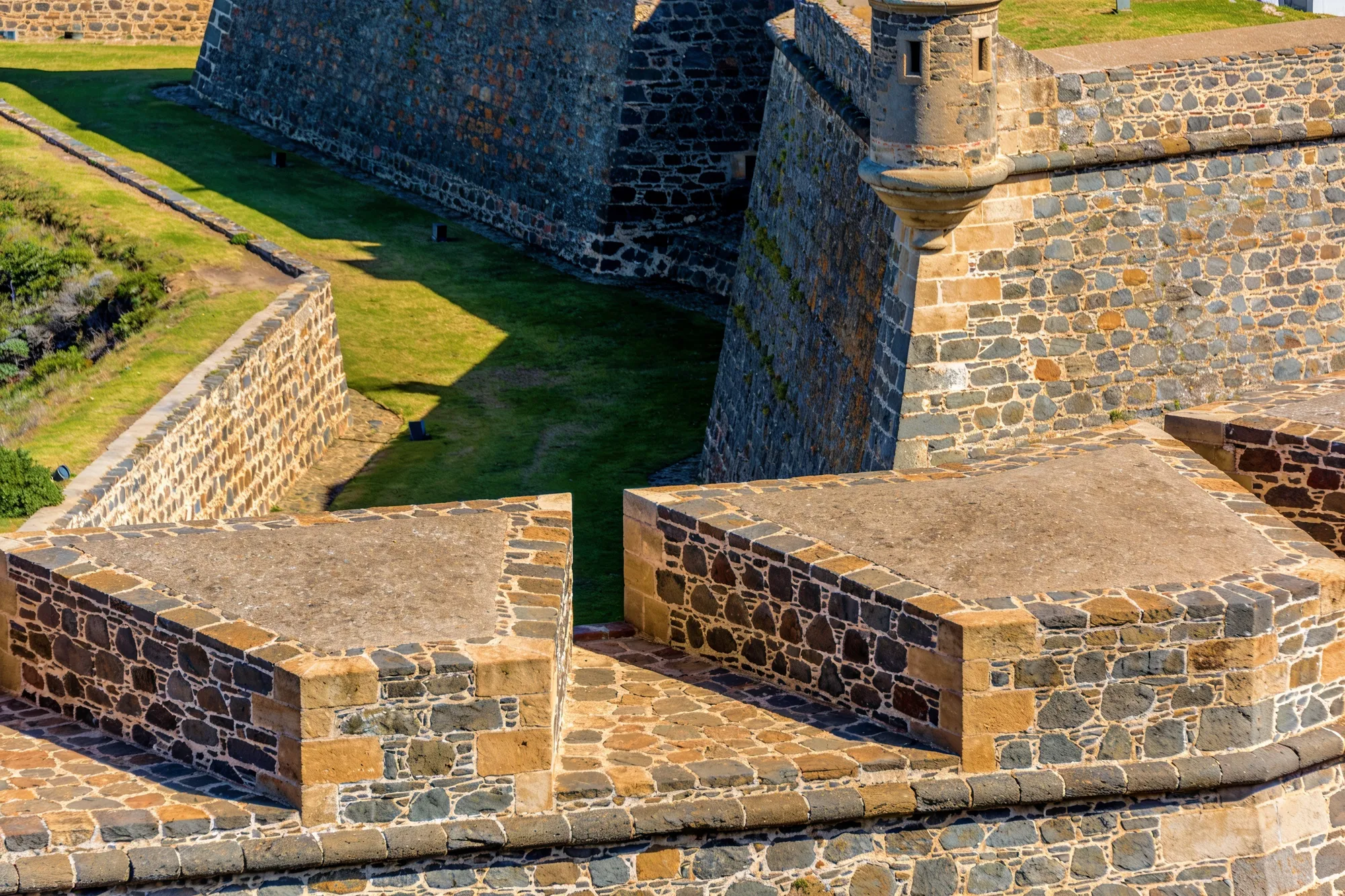
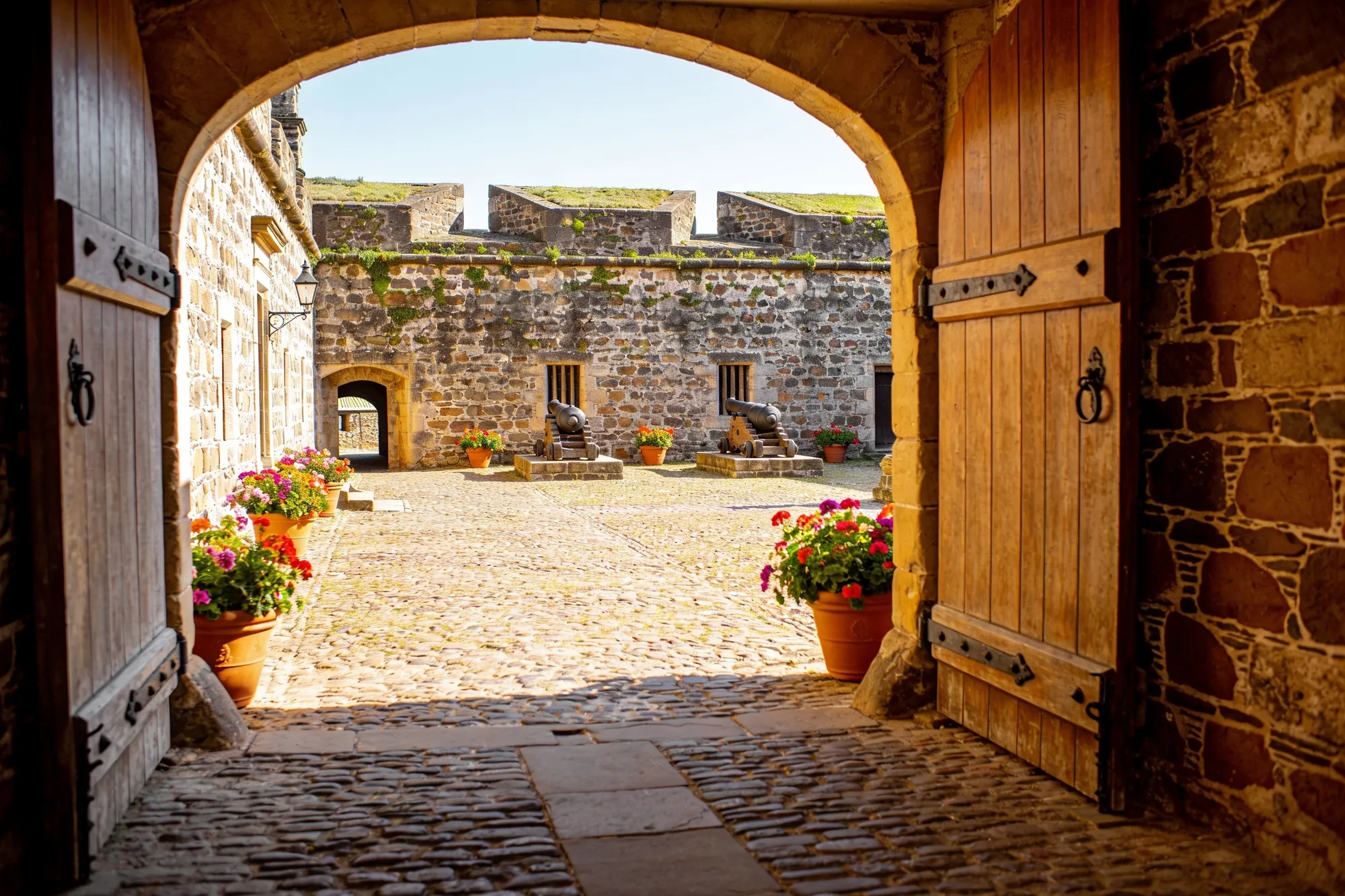
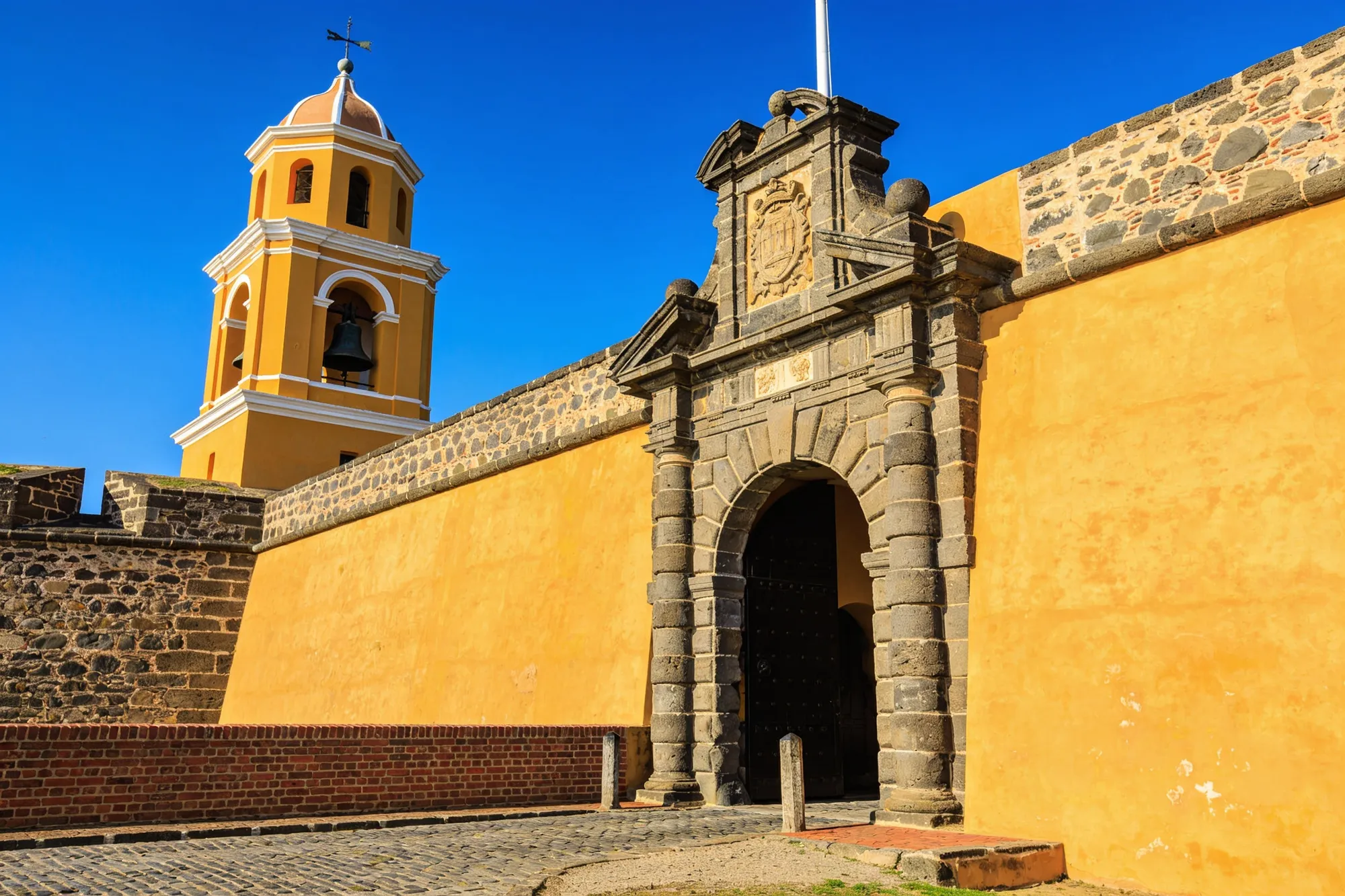
The star-shaped stone walls and yellow gateway of the Castle of Good Hope in Cape Town
Also worth your time · History

Castle of Good Hope

The oldest surviving colonial building in South Africa, a five-pointed stone fort built by the Dutch in the 1600s. Today a museum with daily ceremonies, and a place to read the city's complicated origins.

Getting there
City Bowl, near the Grand Parade
Built
1666 to 1679, by the Dutch VOC
Time needed
1 to 1.5 hours
Highlight
The star fort and the ceremonies
Overview

The Castle of Good Hope is where Cape Town’s recorded story begins, and the oldest surviving colonial building in South Africa. The Dutch East India Company built it as a five-pointed star fort between 1666 and 1679, to guard the refreshment station that became the city, and it has stood at the edge of the City Bowl ever since, its yellow-and-ochre walls now ringed by the modern centre. For anyone interested in how Cape Town came to be, it’s the obvious first stop, and it sits within easy walking distance of the Grand Parade and the historic core.

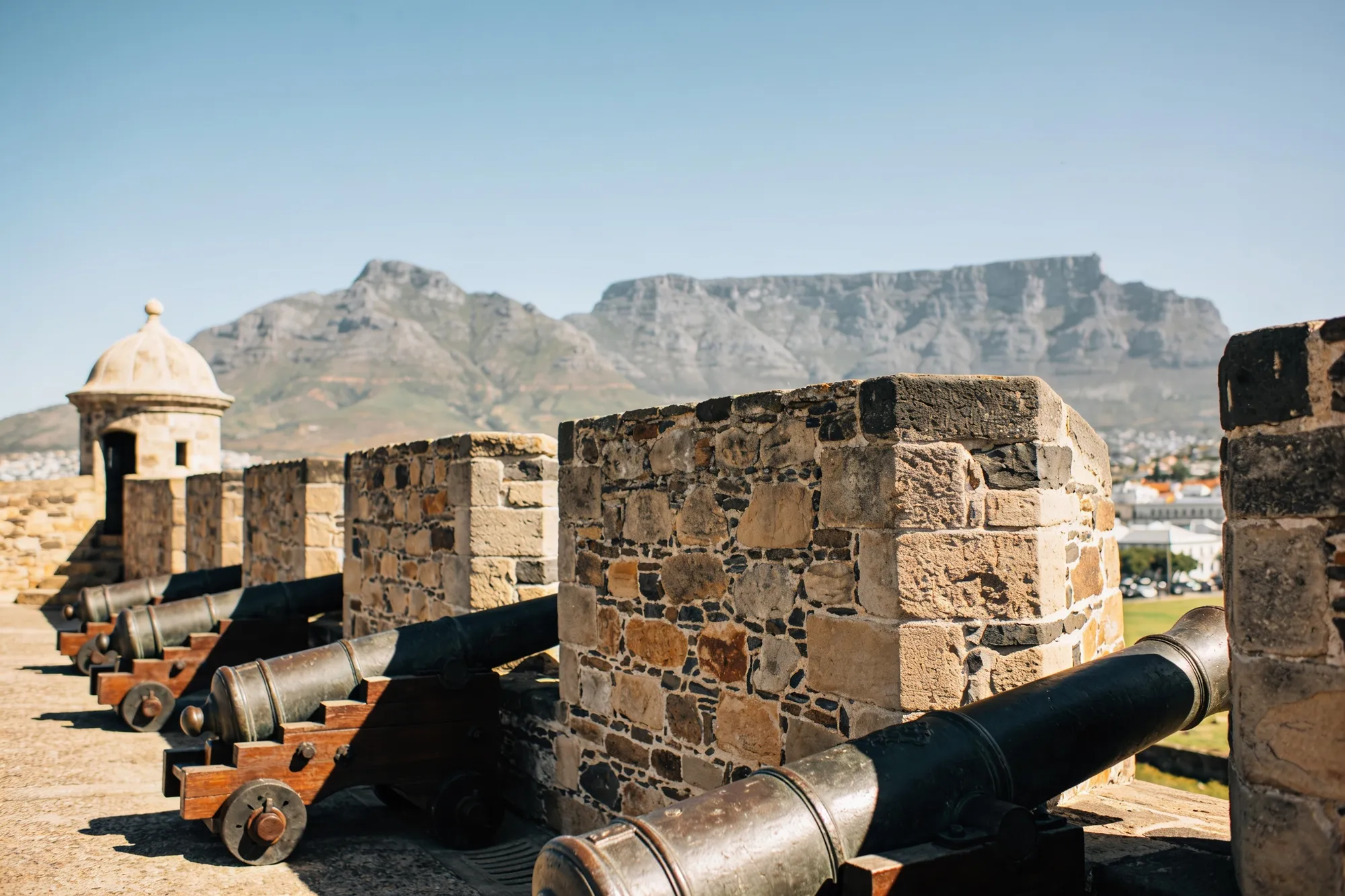
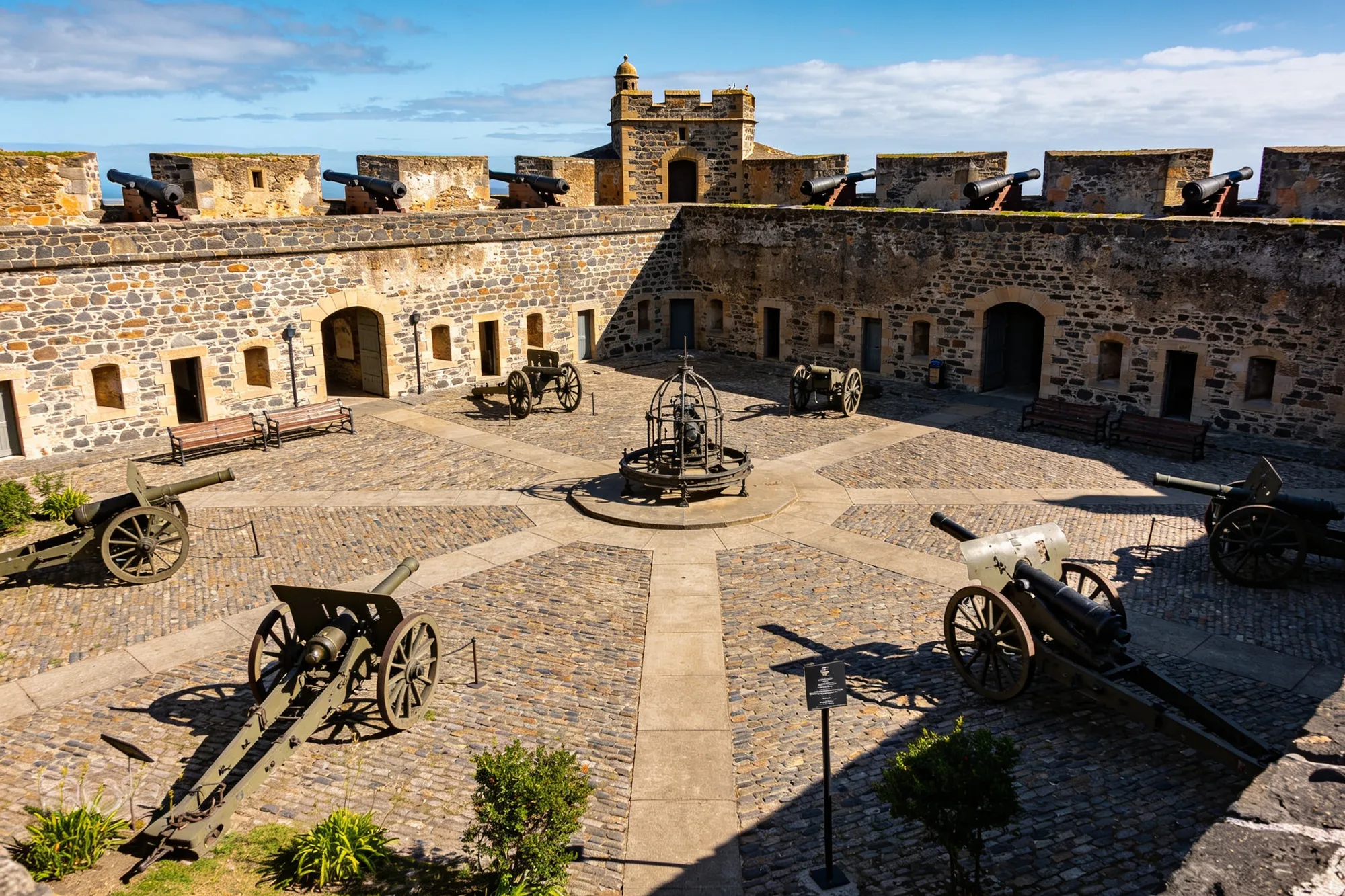
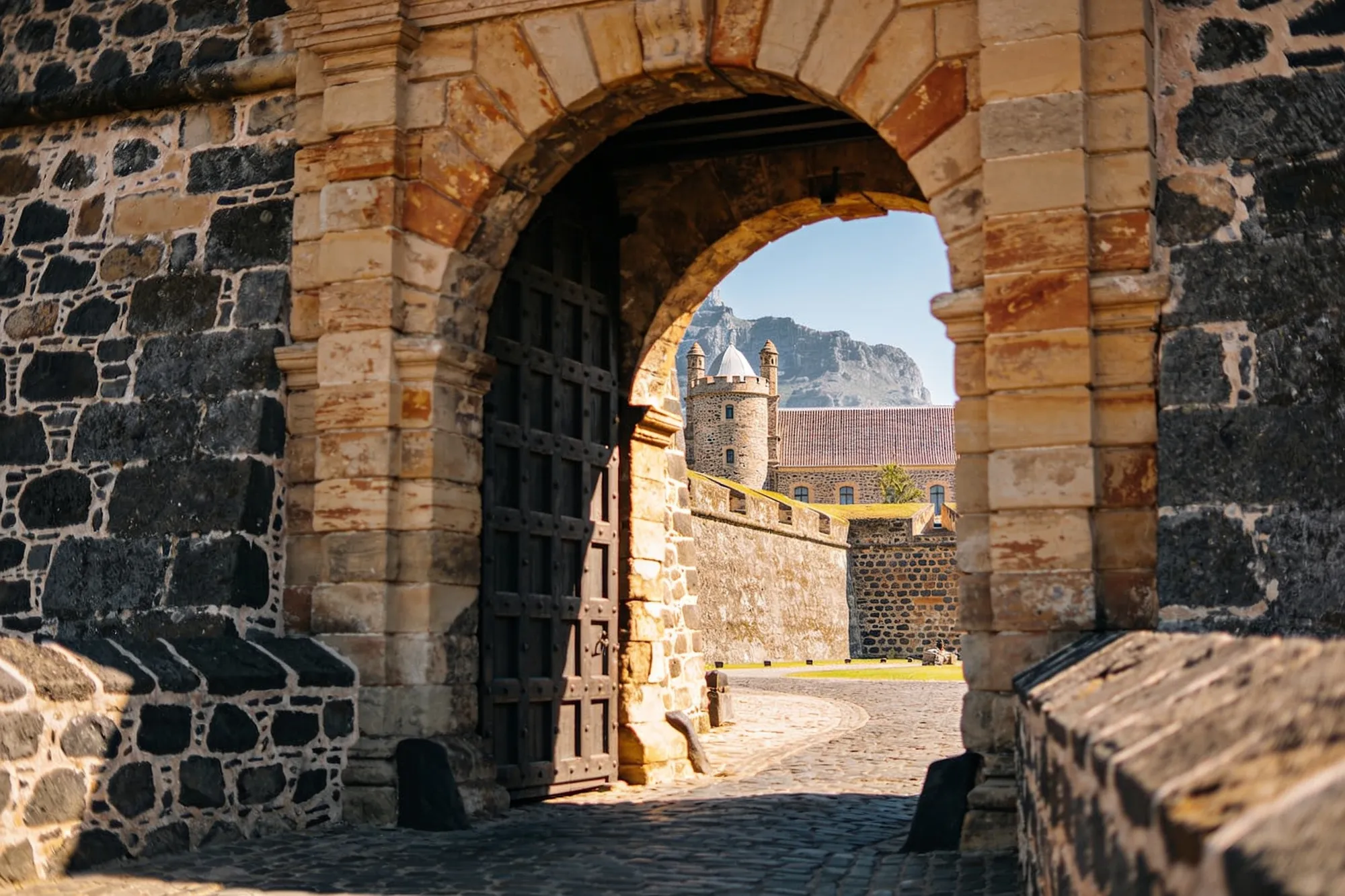
Inside, you can walk the ramparts and bastions, explore the period rooms and the dungeon, and take in a military museum and the William Fehr collection of colonial-era art and furniture. The Castle also keeps its old rituals alive: a daily key ceremony re-enacts the formal opening of the fort with guards in period dress, and a cannon is fired at noon. They’re short and theatrical, and worth timing your visit around, especially with children. Check the day’s schedule when you arrive and fold a ceremony into a loop of the walls and rooms.

It’s worth approaching the Castle as history rather than spectacle. This is the seat of the Dutch colonial project at the Cape, the VOC and everything that followed, and the building carries that weight. Read the displays, take in the context, and you’ll get far more from it than a quick photo of the walls. Give it an hour or so, wear comfortable shoes for the old stone, and pair it with the Company’s Garden and the rest of the City Bowl for a half day on foot through the layers of the city’s past.

Plan your visit

What to see at the Castle

Walk the ramparts of South Africa's oldest building, take in the museum, and catch the daily ceremonies.

South Africa's oldest colonial building
Option 1: The fort and its history

South Africa's oldest colonial building

Built by the Dutch East India Company in the late 1600s, the Castle is a five-pointed star fort and the oldest surviving colonial building in the country. You can walk the ramparts and bastions, see the period rooms and the dungeon, and take in the military museum and the William Fehr collection of art and furniture. It's a window onto the city's beginnings as a Dutch refreshment station, and onto the colonial and VOC history that shaped everything after, which is worth meeting honestly rather than as a simple sightseeing tick.

Star fortMuseumVOC history
The key ceremony and the cannon
Option 2: The ceremonies

The key ceremony and the cannon

The Castle keeps its old military rituals alive for visitors. A daily key ceremony re-enacts the formal opening of the fort, with guards in period dress, and a cannon is fired at noon. They're short, theatrical and a good reason to time your visit, especially with children, who tend to enjoy the drill and the bang. Check the day's schedule when you arrive so you catch them rather than missing them, and build them into a loop of the ramparts and the museum rooms.

Key ceremonyCannonDaily
Good to know

Tips for a great visit

1

Time your visit for a ceremony

The key ceremony and the noon cannon are the liveliest parts of a visit. Check the day's times when you arrive and plan your loop of the ramparts and museum so you catch one rather than just missing it.

2

Approach it as history, not spectacle

The Castle is the seat of the colonial story that shaped Cape Town, with all its weight. Read the displays, take in the context, and you'll get far more from it than treating it as a photo stop.

3

Combine it with the City Bowl

It sits beside the Grand Parade in the heart of the old city, so pair it with the Company's Garden, the City Hall where Mandela spoke on his release, and the historic centre for a half day on foot.

4

Allow about an hour

It's substantial but not huge. An hour to an hour and a half covers the ramparts, the museum and a ceremony at a comfortable pace, without rushing or running out of things to see.

5

Go in the morning

The City Bowl is at its easiest earlier in the day, and the light on the old yellow walls is good. A morning visit also leaves the afternoon for the mountain or the coast if the weather is clear.

6

Wear comfortable shoes for the stone

The ramparts, courtyards and stairs are uneven historic stone. Comfortable shoes make walking the walls and the bastions far more pleasant, especially if you want to climb up for the views over the parade.

Plan & book

Ways to experience it

Book entry, a tour or your stay through our partners, at the same price as booking direct.

Castle of Good Hope visit

Entry to the Castle of Good Hope, with the ramparts, the museum and the daily ceremonies.

See Castle tickets →

Cape Town city history tour

A walking tour of the historic City Bowl, taking in the Castle, the Company's Garden and the centre.

Book on Viator →

Stay in the City Bowl

Hotels and guesthouses in central Cape Town, walking distance from the Castle.

Find a stay →

We may earn a commission when you book through our partner links — at no extra cost to you.

Find your bearings

Where it is

Make it part of your trip

Discover all of Cape Town

The Castle is where Cape Town's story begins. See the rest of what the Mother City holds.

Explore Cape Town See the itinerary