South Africa Travel Guide · Updated 2026
South Africa Guide
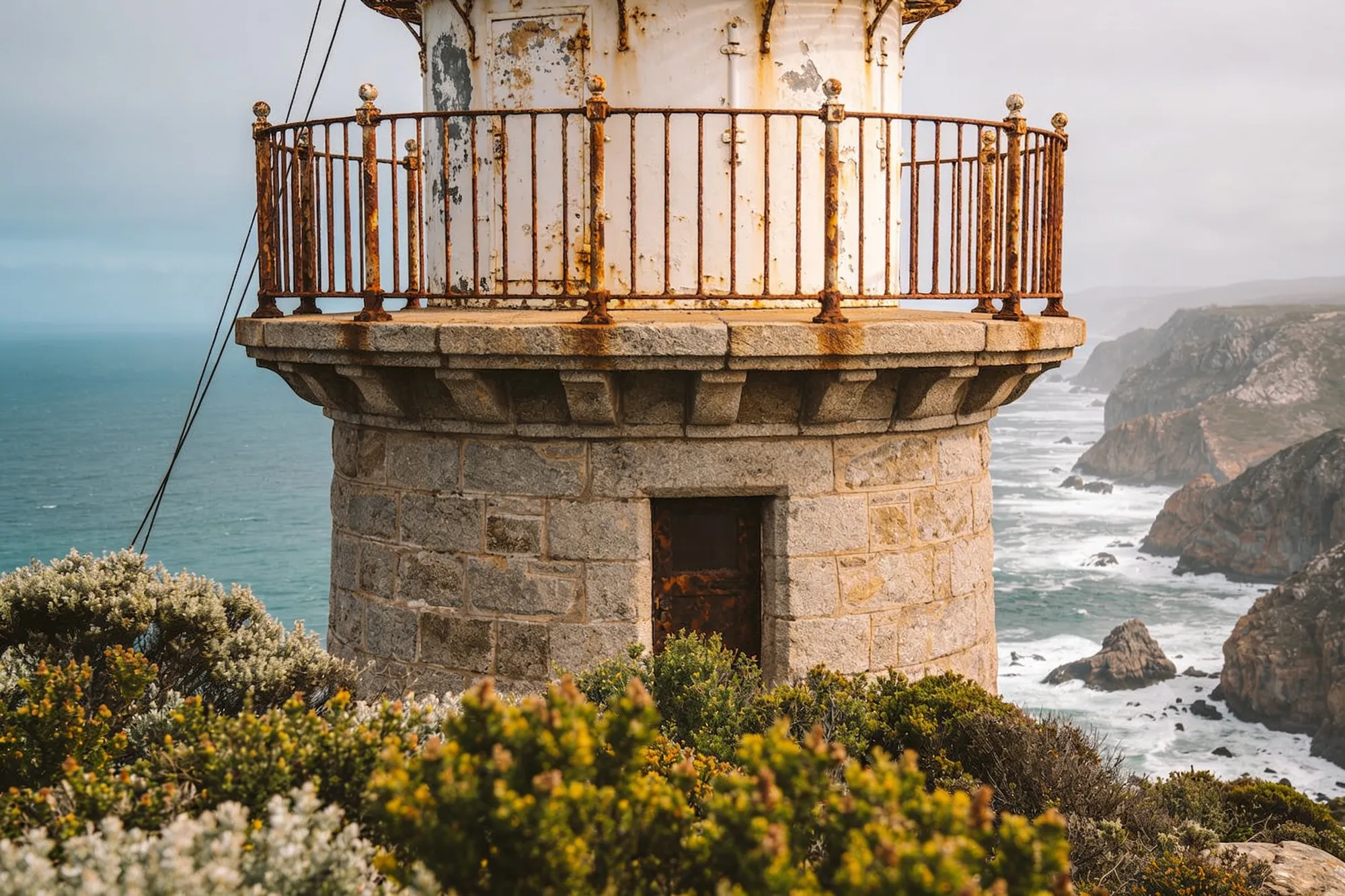
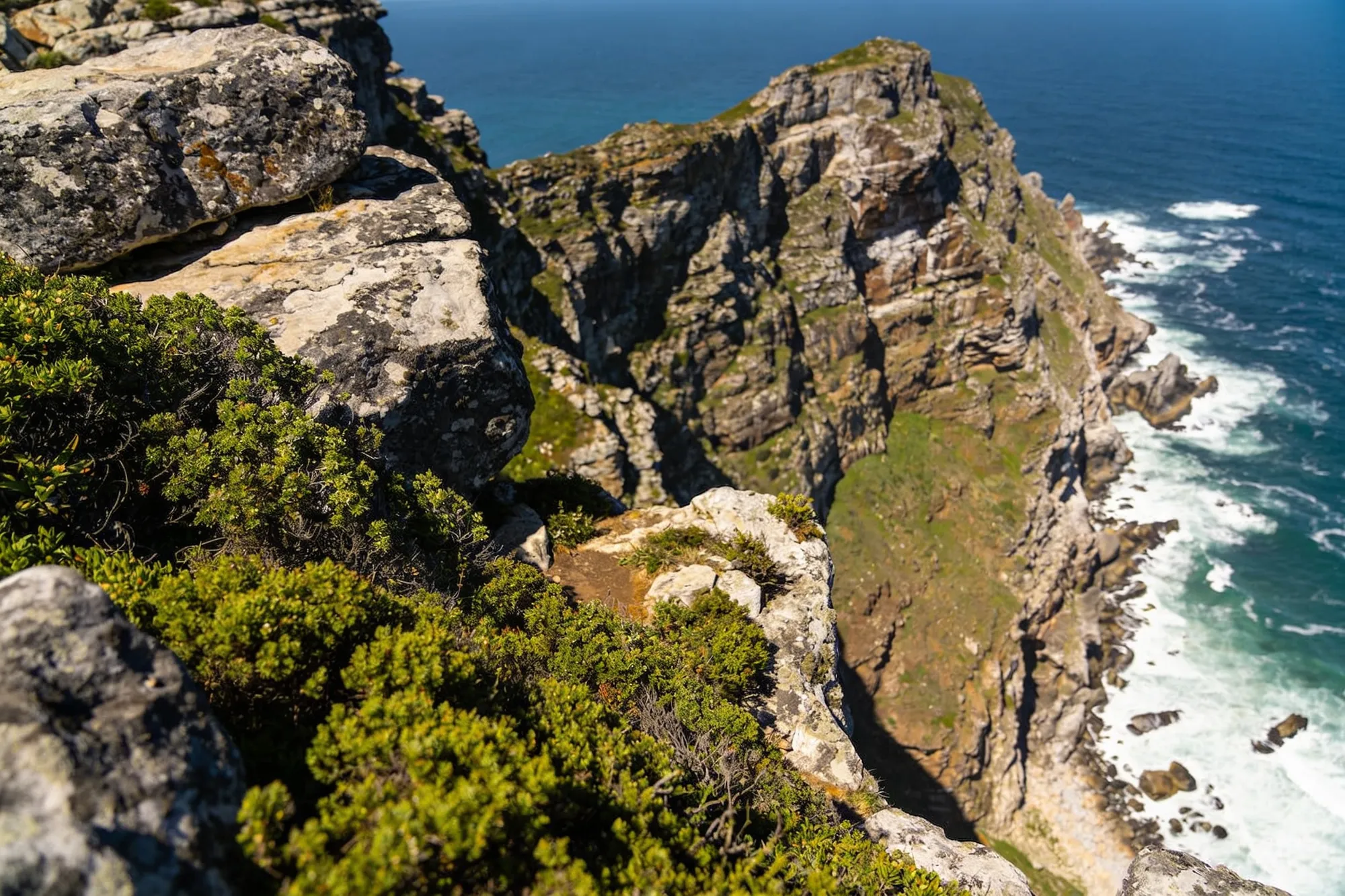
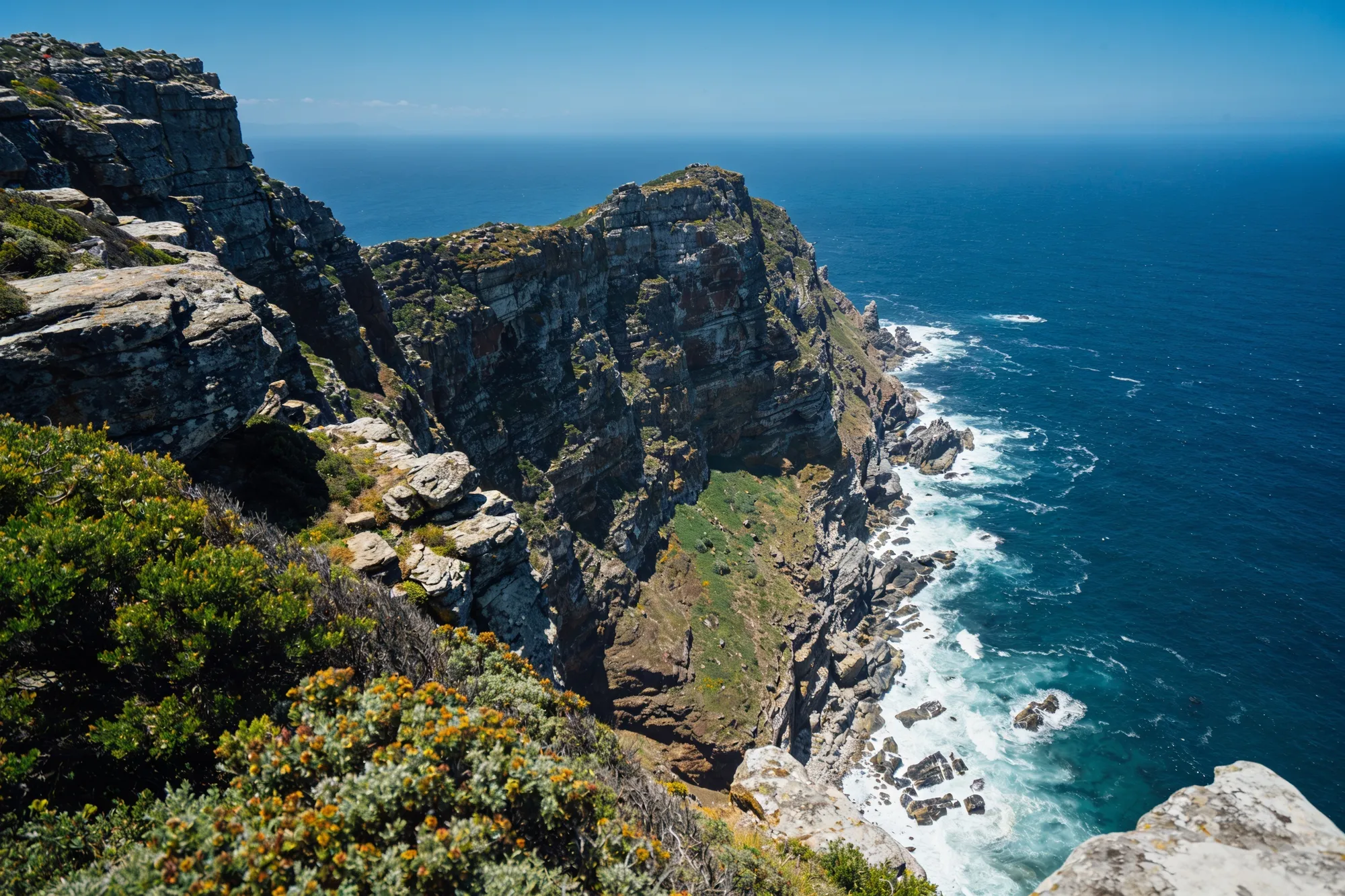
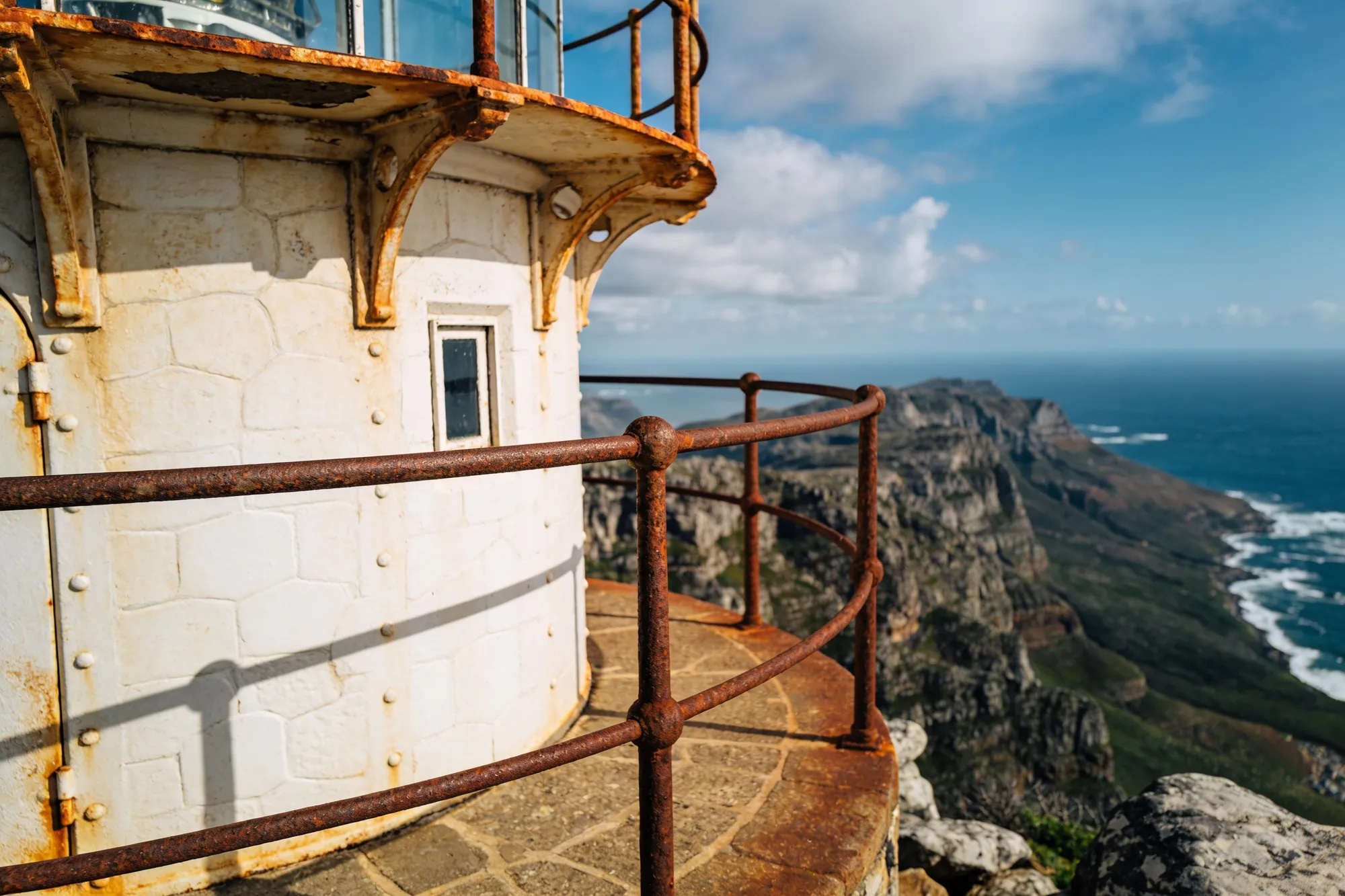
The old lighthouse on the high cliff of Cape Point above the sea
Also worth your time · Cliffs & lighthouse

Cape Point

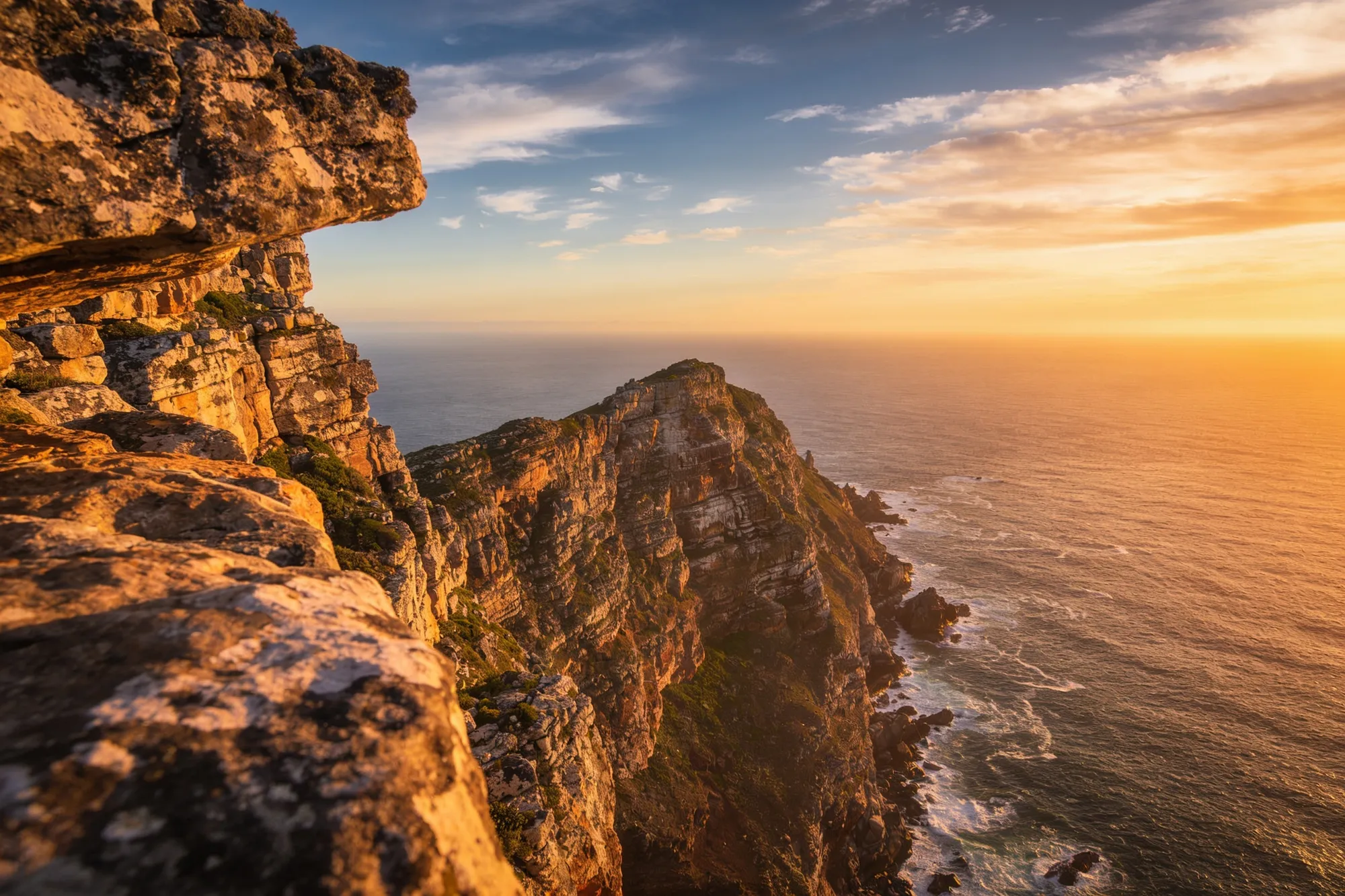
The dramatic clifftop headland at the tip of the peninsula, crowned by an old lighthouse and reached by the Flying Dutchman funicular. Often confused with the Cape of Good Hope nearby, but a distinct viewpoint of its own.

Getting there
Tip of the Cape Peninsula, ~1 h drive
Highlight
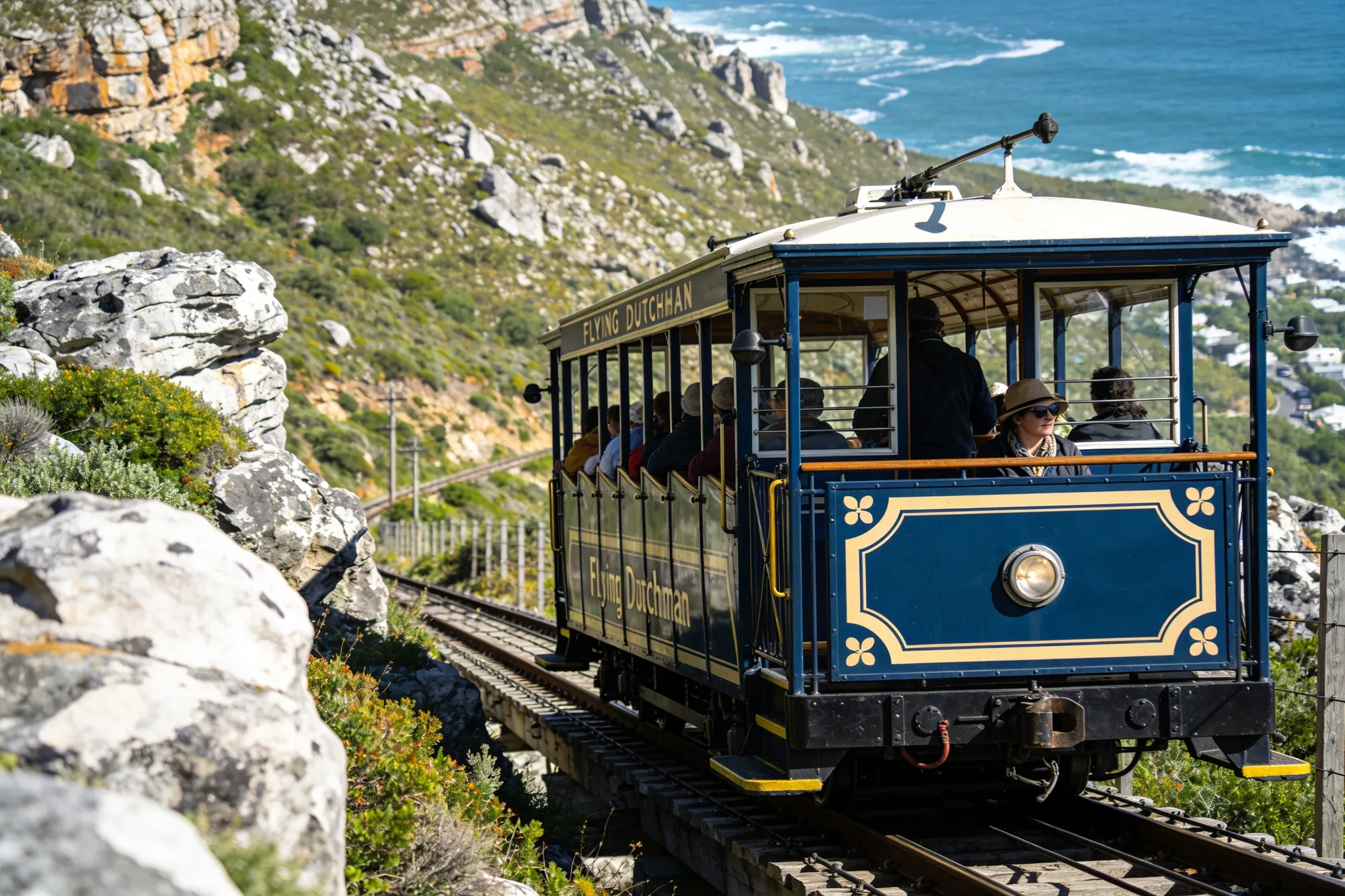
The funicular and clifftop lighthouse
Time needed
Combine with Cape of Good Hope
Best time
Clear, calm days
Overview

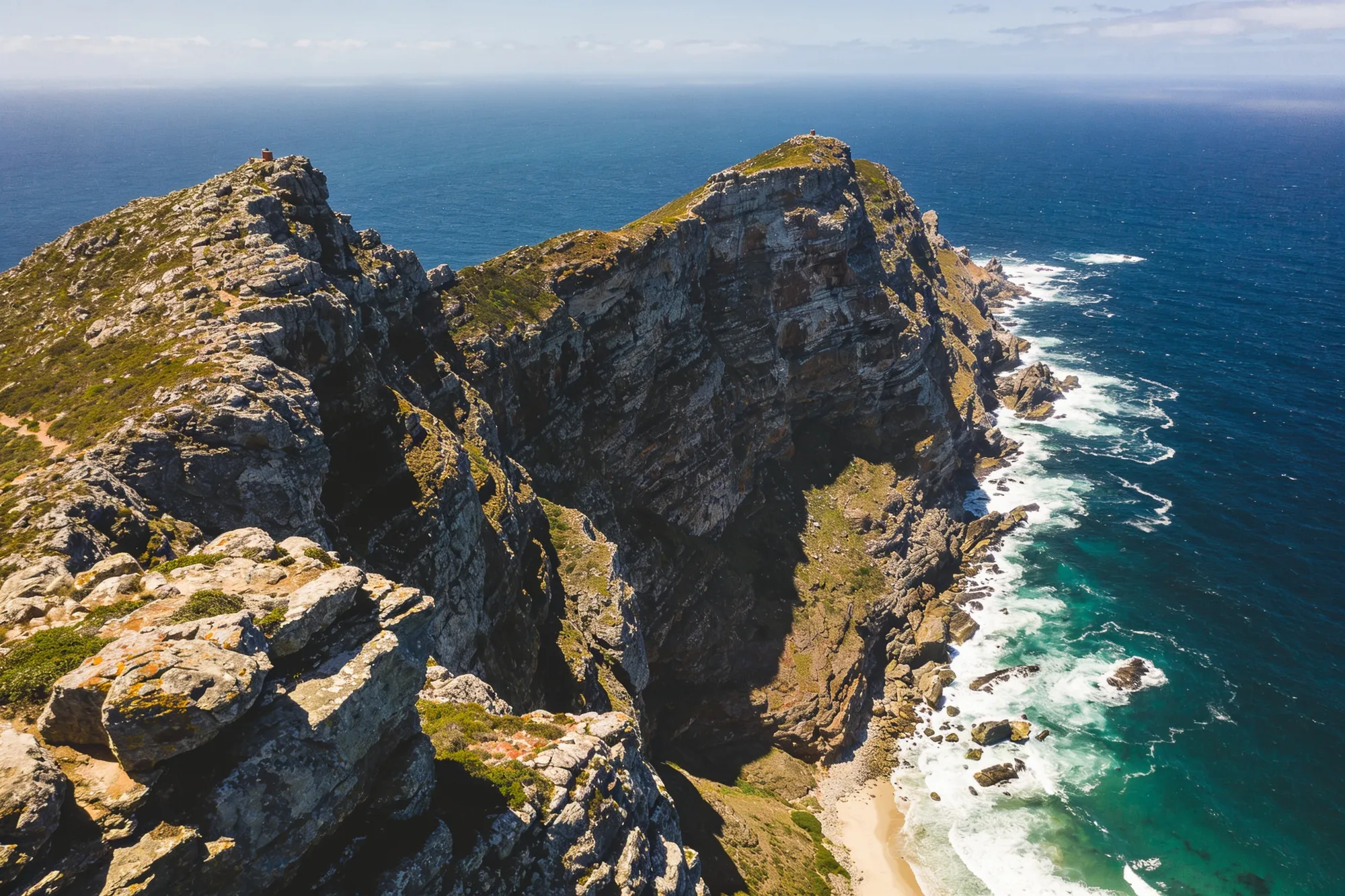
Cape Point is the high, dramatic headland at the tip of the Cape Peninsula, and one of the most confused names in Cape Town. People often use it interchangeably with the Cape of Good Hope, but they are two distinct points in the same reserve. Cape Point is the clifftop, crowned by an old lighthouse and reached by a funicular, where the land plunges hundreds of metres to the sea on three sides. The Cape of Good Hope is the low, rocky point and famous sign a couple of kilometres to the west. Both sit inside the Cape of Good Hope section of Table Mountain National Park, and the trip is to see both, not to choose.

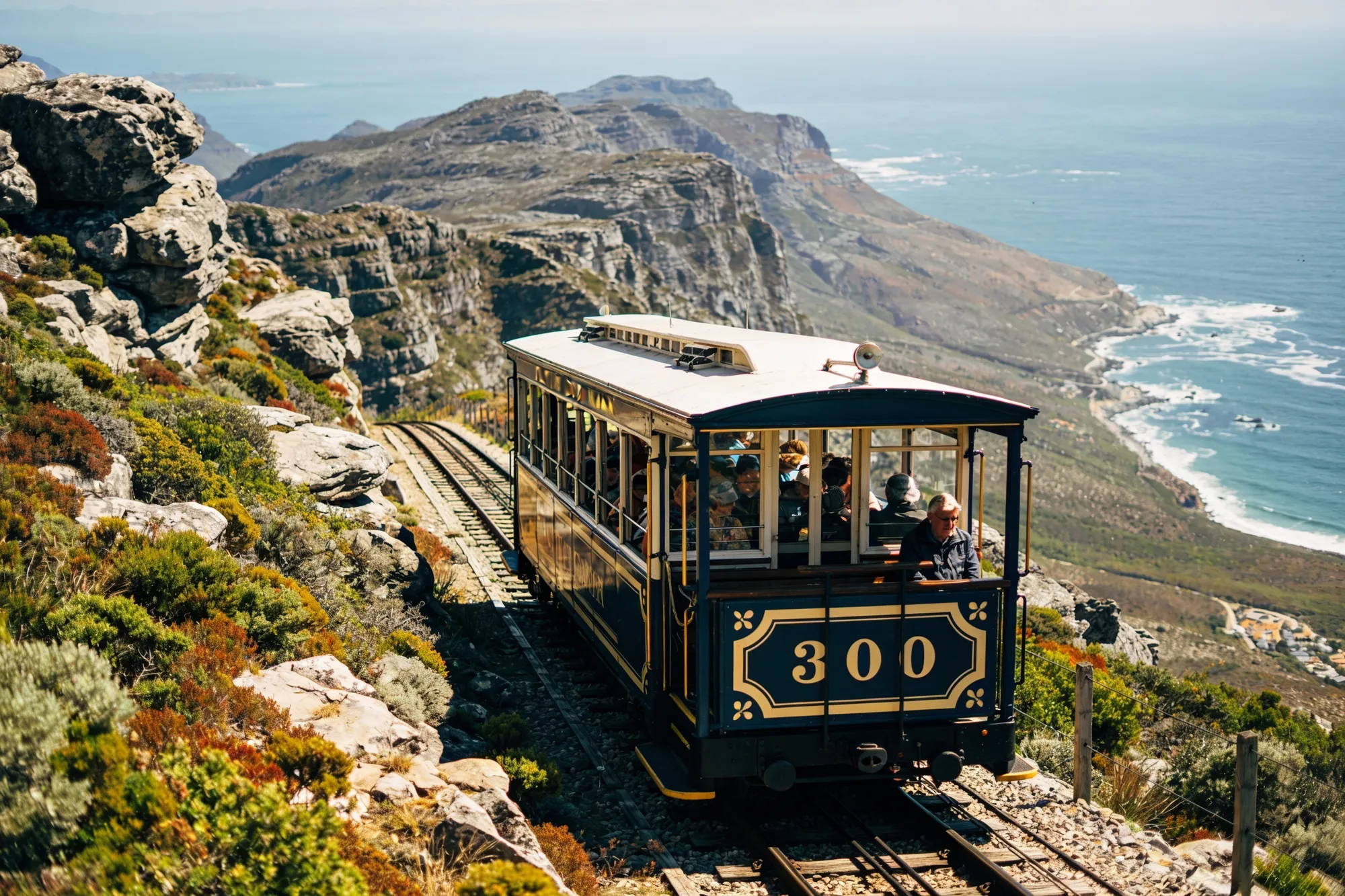
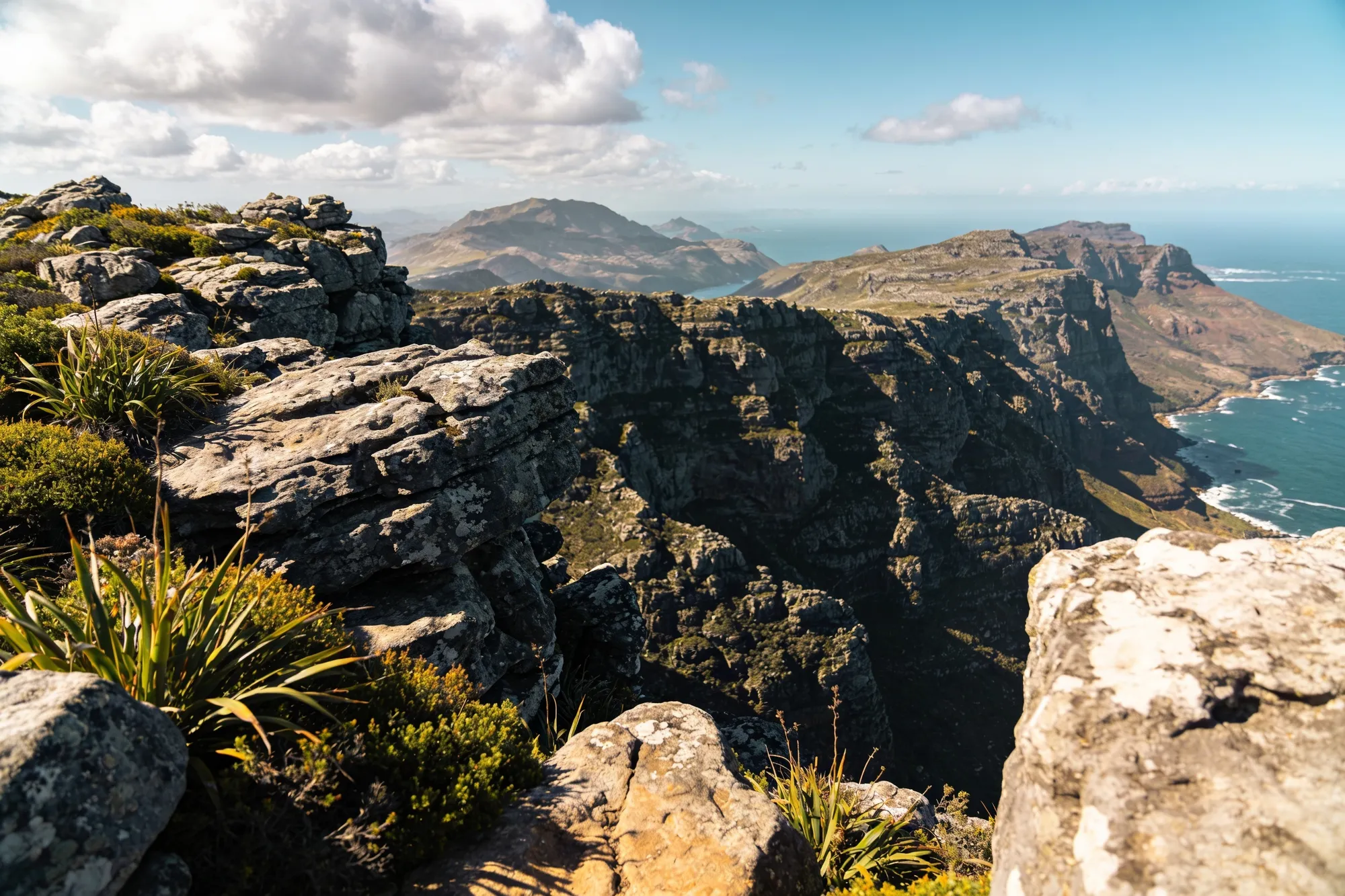
The point itself is a vertical, theatrical place. From the car park, the Flying Dutchman funicular carries you most of the way up to the old lighthouse, or you can climb the steep paved path on foot in fifteen minutes. From the top the cliffs drop away dramatically and the view runs down the peninsula and out over the ocean, with a lower path leading on to the newer lighthouse built when the old one proved too often lost in cloud. It is windier and more exposed than almost anywhere else on the peninsula, so bring a layer and pick a clear, calm day if you can.

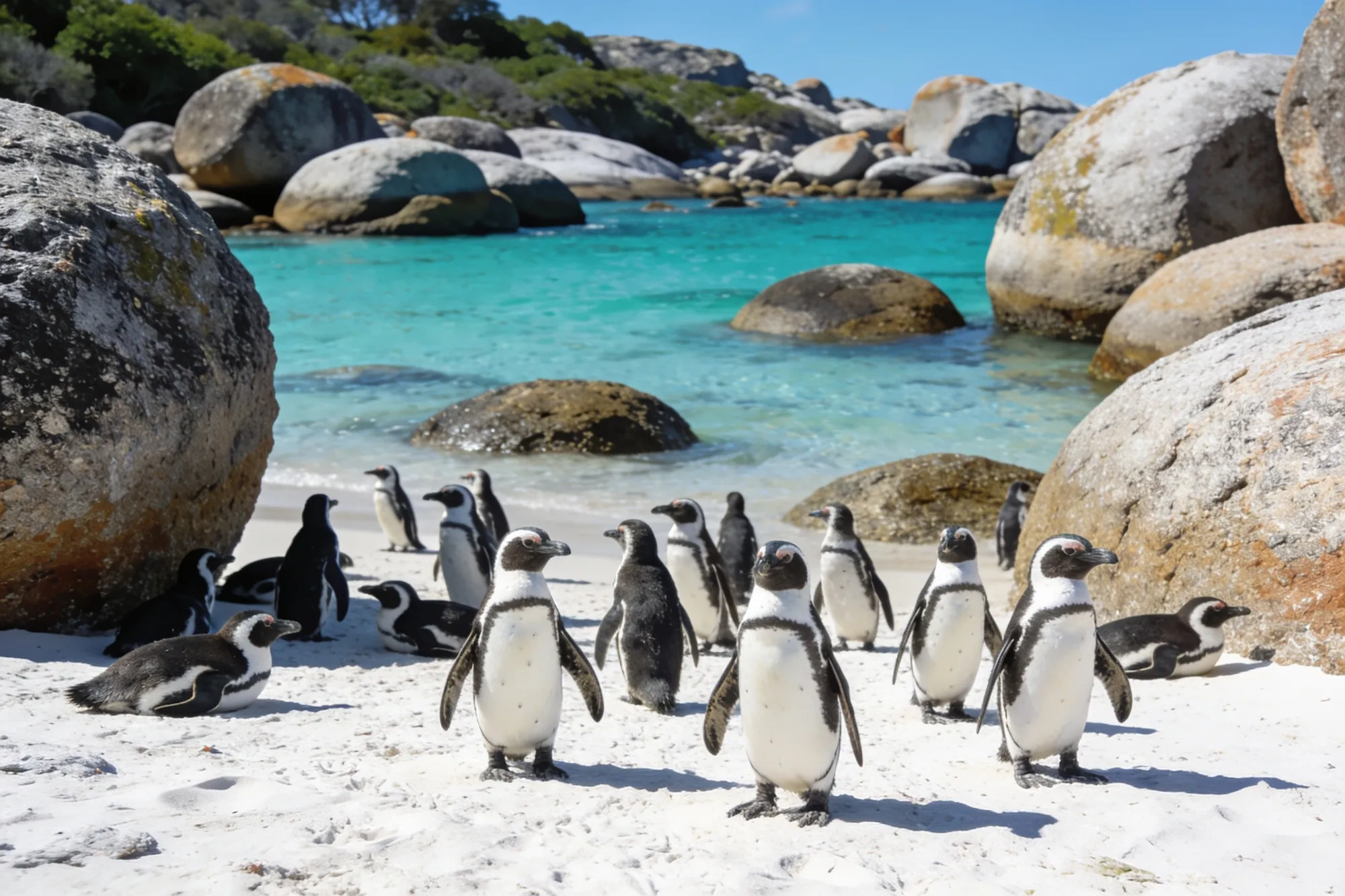
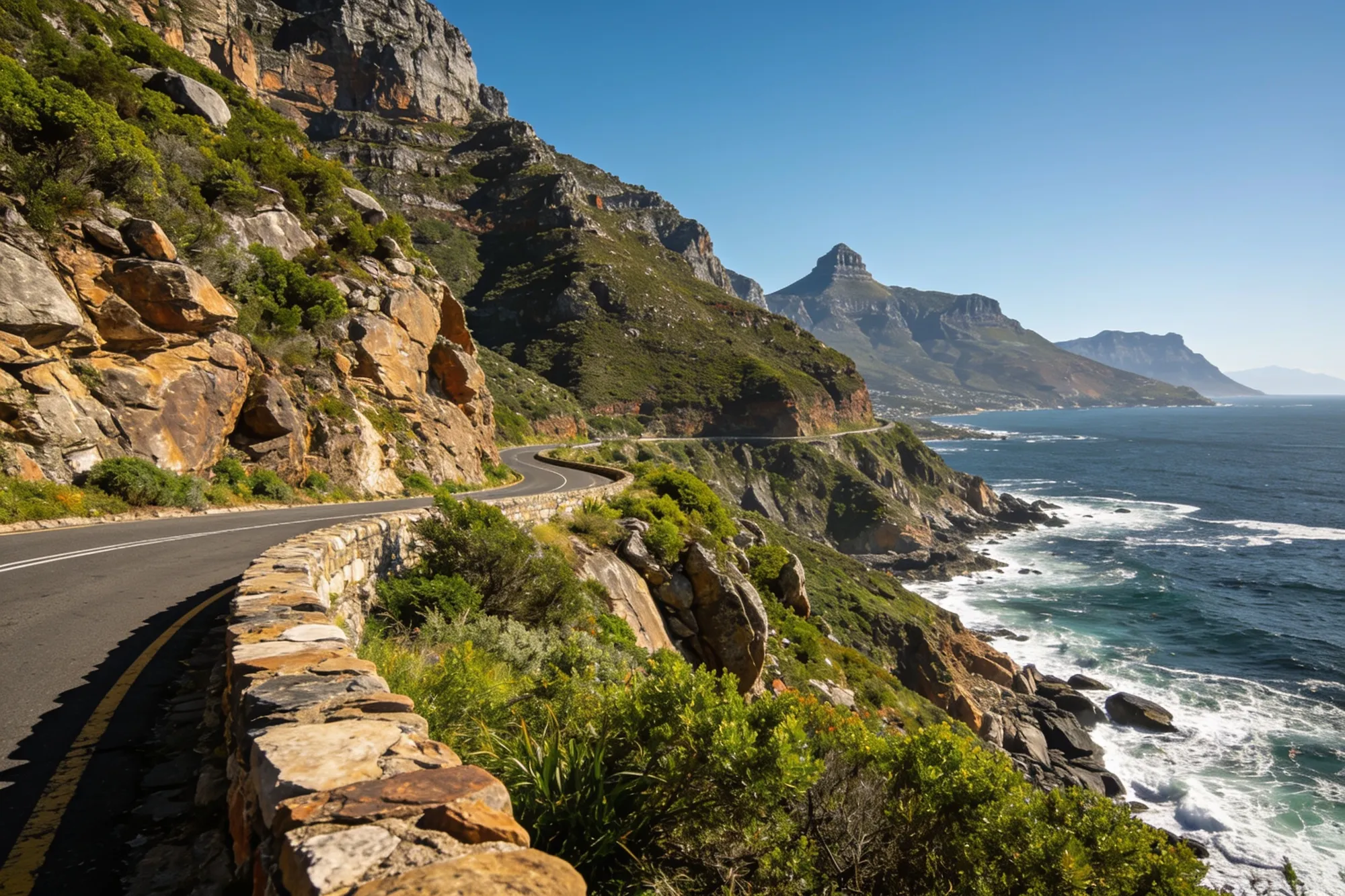
Treat Cape Point as the headline of a full peninsula day rather than a quick stop. Our Cape of Good Hope guide covers the wider reserve, the wildlife and the Chapman’s Peak approach, so this page is about the headland and how it differs from its neighbour. Ride the funicular up and walk down, keep your food and bags away from the notoriously bold baboons, and link the point with the penguins at Boulders Beach, the cliff-hugging drive over Chapman’s Peak and a meal in Simon’s Town or Hout Bay. Seen that way, the meeting of land and ocean at the bottom of Africa earns its full day.

Plan your visit

What to do at Cape Point

Ride or walk up to the lighthouse, take in the cliffs, and pair it with the Cape of Good Hope in the same reserve.

Up to the old lighthouse
Option 1: The funicular and the lighthouse

Up to the old lighthouse

From the car park, the Flying Dutchman funicular carries you most of the way up to the old lighthouse perched high on the point, or you can climb the steep paved path on foot in fifteen minutes or so. From the top, the cliffs fall away to the sea on three sides and the view stretches down the peninsula and out over the meeting of the oceans. A lower path leads on to the newer lighthouse and more viewpoints. It's the dramatic, vertical counterpart to the flat, windswept Cape of Good Hope nearby.

FunicularLighthouseCliffs
Two points, one reserve
Option 2: Cape Point and Cape of Good Hope together

Two points, one reserve

The two most confused names in Cape Town sit a couple of kilometres apart in the same reserve, and the trip is to do both. Cape Point is the clifftop lighthouse with the big view; the Cape of Good Hope is the low, rocky, much-photographed point and sign to the west. A short drive or a coastal walk links them. Our Cape of Good Hope guide covers the wider reserve, the wildlife and Chapman's Peak approach, so use this page for the headland and combine the two on a single peninsula day.

Cape of Good HopeReservePeninsula
Good to know

Tips for a great visit

1

Don't confuse it with the Cape of Good Hope

They are two different points in the same reserve. Cape Point has the lighthouse and the funicular; the Cape of Good Hope has the sign. Plan to see both rather than picking one by mistake.

2

Take the funicular up, walk down

The Flying Dutchman saves the steep climb, but the path down is easy and gives you the views at your own pace. Riding up and walking down is the best of both, especially in the heat.

3

Go early and watch the weather

It's an hour from the city and exposed to wind and cloud. A clear, calm morning beats a grey, gusty afternoon, and an early start beats the tour buses to the funicular and the viewpoints.

4

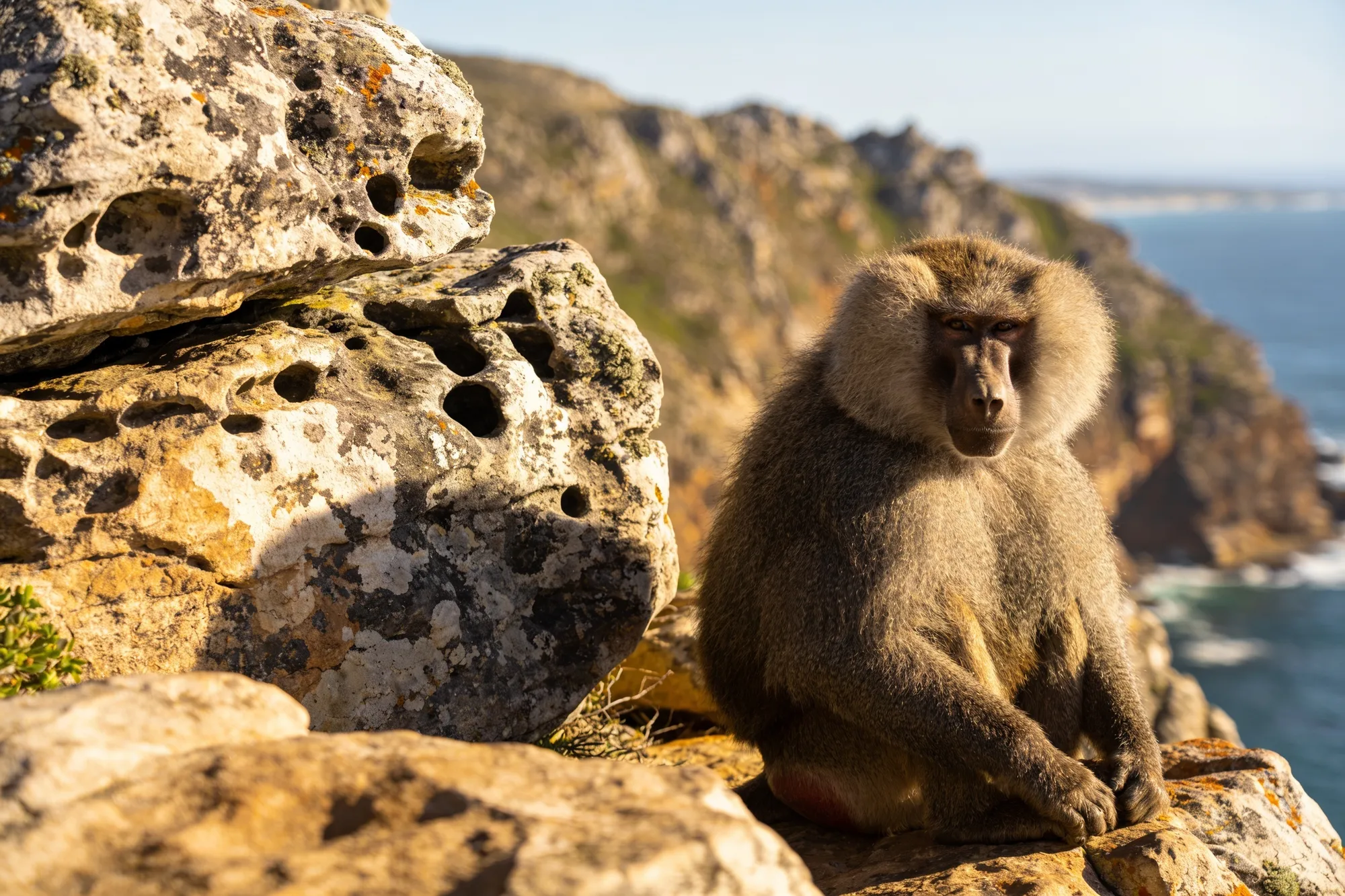
Mind the baboons

The baboons at Cape Point are notorious for snatching food and bags. Keep food out of sight, don't feed them, and shut your car windows in the car parks. They are wild animals, not a photo prop.

5

Build it into a full peninsula day

Cape Point pairs naturally with Boulders Beach and its penguins, the drive over Chapman's Peak, and a meal in Simon's Town or Hout Bay. Give the whole peninsula a day rather than rushing the point.

6

Bring a windbreaker

The headland is one of the windiest, most exposed spots on the peninsula. Even on a warm day, a layer against the wind makes the clifftop walk far more pleasant.

Plan & book

Ways to experience it

Book a peninsula tour or your stay through our partners, at the same price as booking direct.

Cape Point & peninsula tour

A guided day tour to Cape Point and the Cape of Good Hope, often with Boulders Beach and Chapman's Peak.

See peninsula tours →

Cape Point day trip from Cape Town

A full-day Cape Peninsula trip taking in Cape Point, the penguins and the coastal drives.

Book on Viator →

Stay in Cape Town

Hotels and apartments in Cape Town and the southern peninsula, within reach of Cape Point.

Find a stay →

We may earn a commission when you book through our partner links — at no extra cost to you.

Find your bearings

Where it is

Make it part of your trip

Discover all of Cape Town

Cape Point is the dramatic tip of the peninsula. See the rest of what the Mother City holds.

Explore Cape Town See the itinerary