South Africa Travel Guide · Updated 2026
South Africa Guide
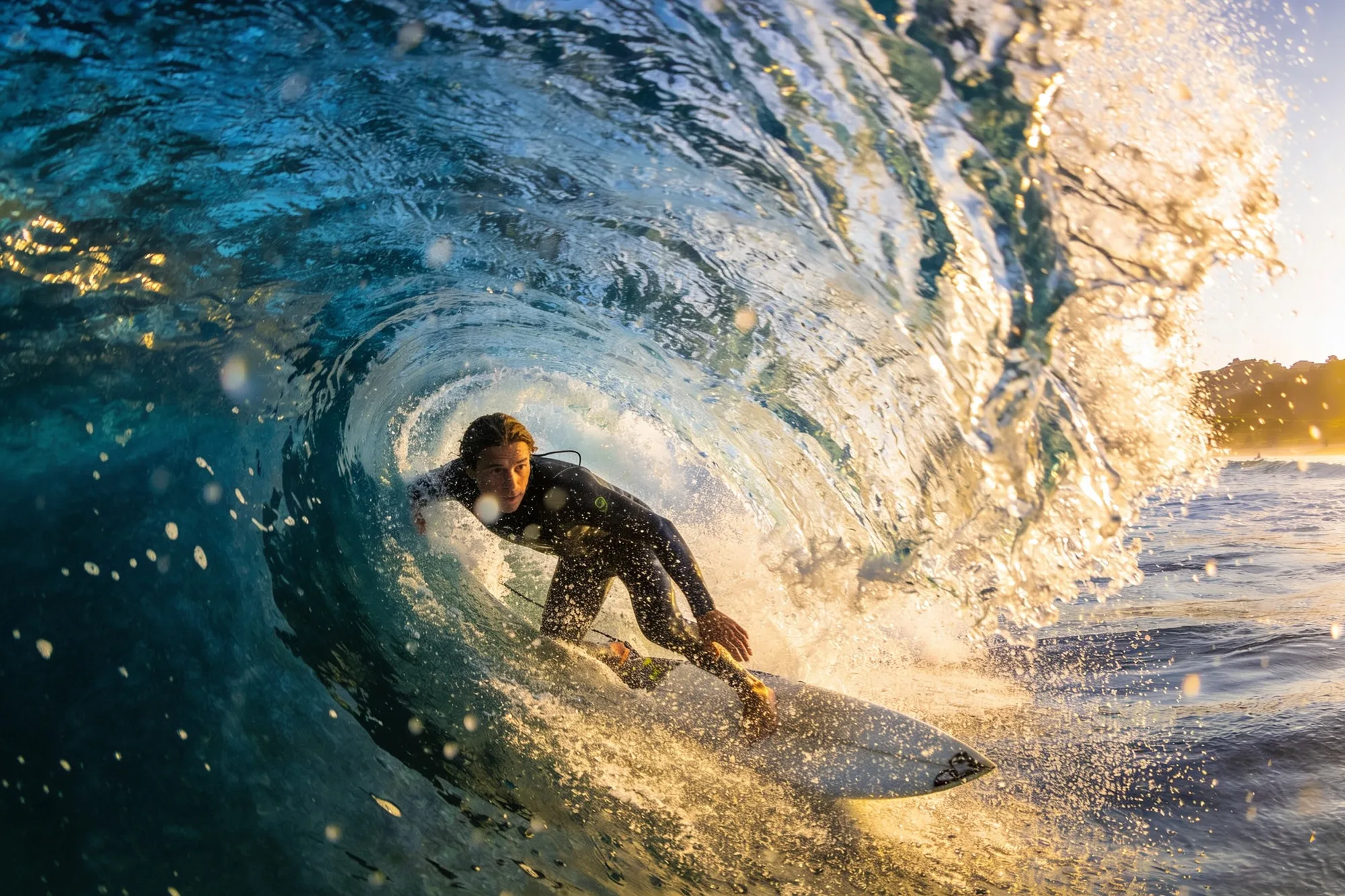
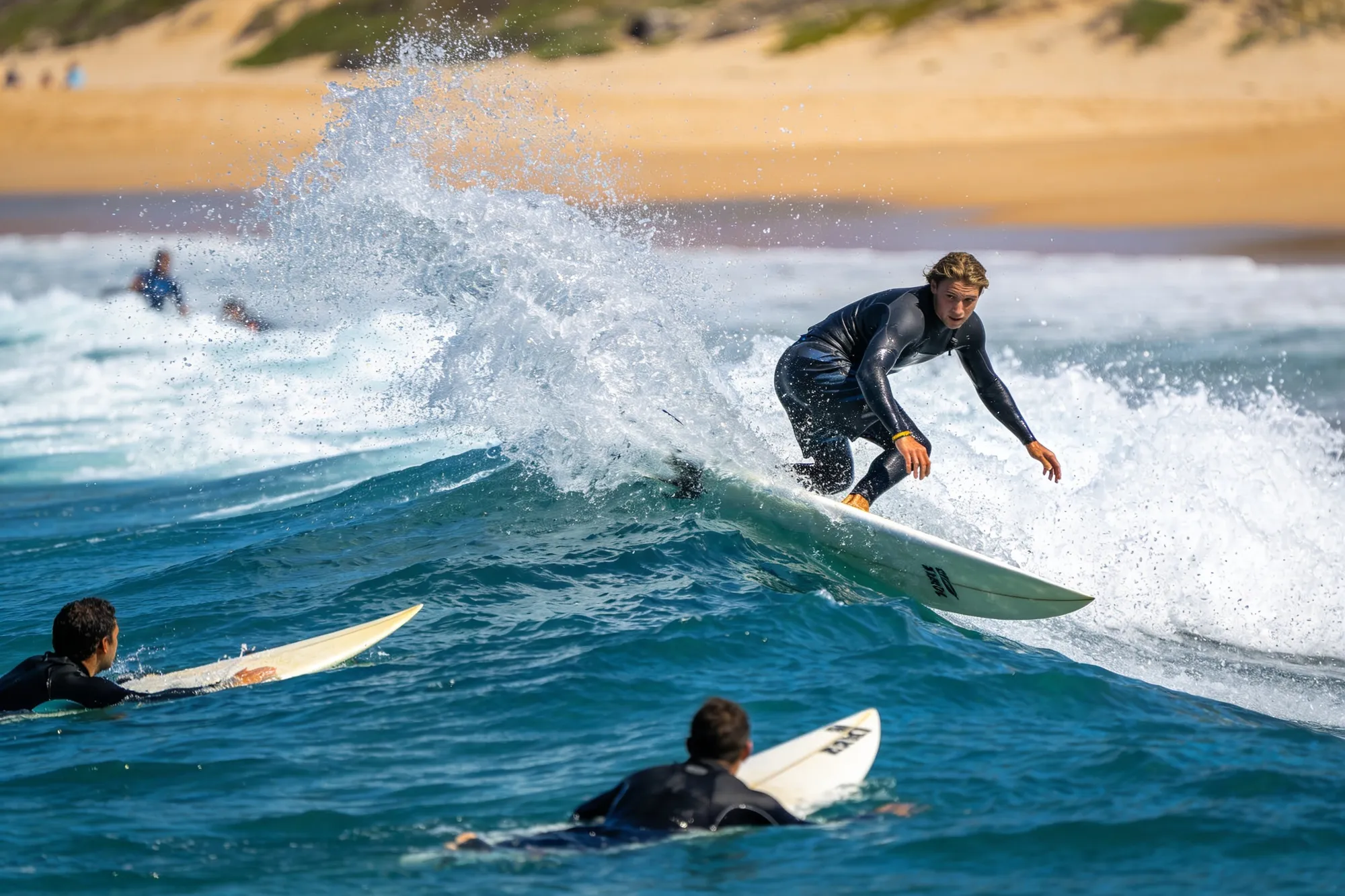
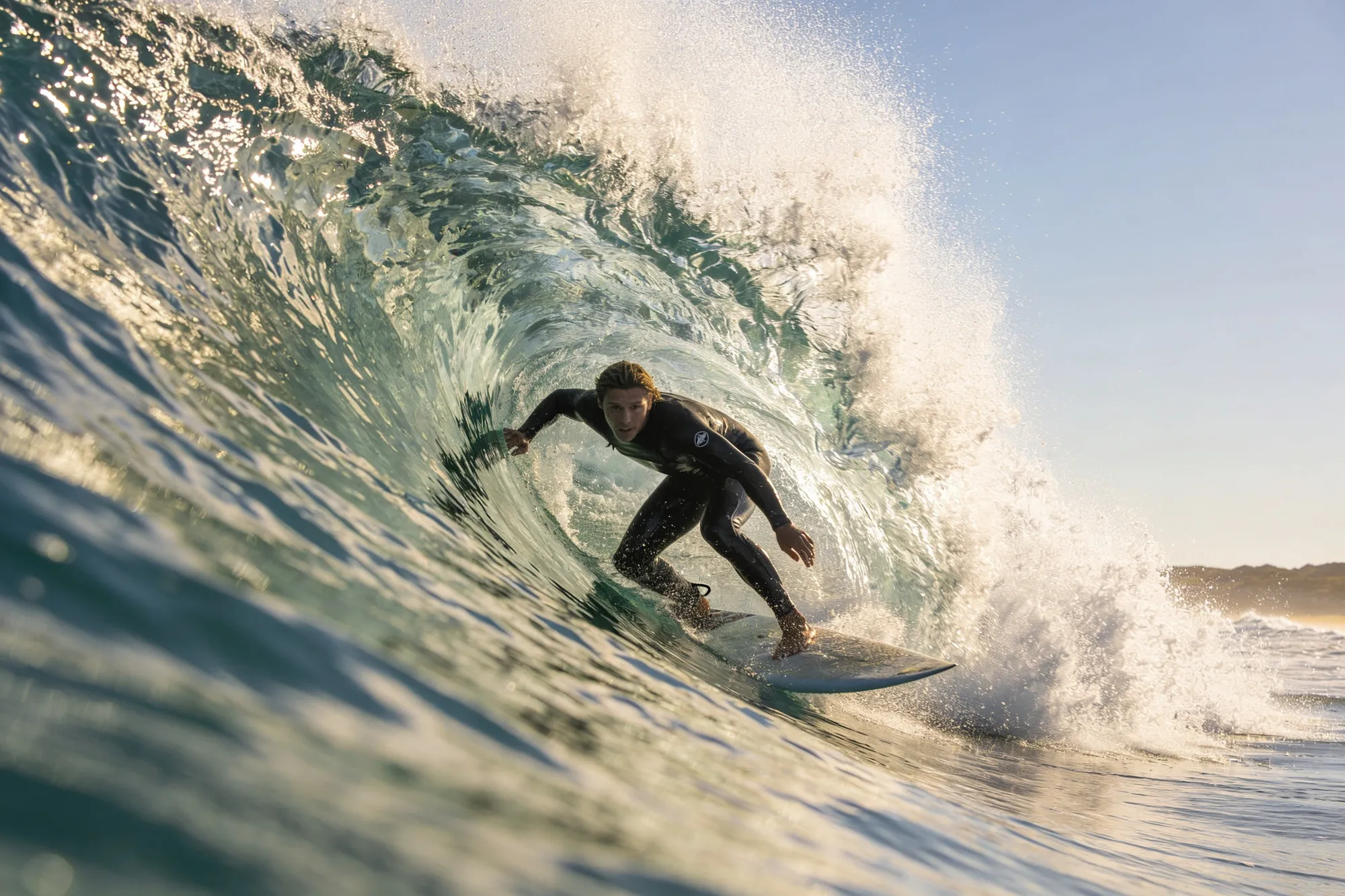
A surfer riding a clean right-hand wave at Jeffreys Bay
Ocean

Surfing in South Africa

South Africa has a wave for everyone, from the gentle beach break where the whole country learns to one of the best right-handers on the planet. Here is where to go for your level.

To learn
Muizenberg, Cape Town
World-class
Jeffreys Bay (Supertubes)
Warm water
Durban & the east coast
Water
Cold Atlantic, warm Indian, bring a wetsuit
Overview

South Africa is one of the great surfing countries, and the reason is range. The same coastline that holds Supertubes, a right-hand point break that pros rank among the best on earth, also holds Muizenberg, the soft, sandy beach where half the country learns to stand up. Two oceans meet at the southern tip, the cold Atlantic on the west and the warm Indian on the east, so the water you paddle out into depends entirely on where you go. There is a wave here for a first lesson and a wave that will humble an expert, often a day’s drive apart.

For learning, the answer is simple: Muizenberg, on Cape Town’s False Bay side. The break is long and gentle, the bottom is sand, and Surfer’s Corner is lined with schools and board hire below the famous row of painted huts. It’s cold, so you’ll surf in a wetsuit all year, but nowhere in the country is friendlier to a beginner. From there, improvers often move to Durban, where the Indian Ocean is warm enough for boardshorts and the beach breaks along the Golden Mile are consistent and easygoing. At the top end sits Jeffreys Bay in the Eastern Cape. Supertubes hosted a World Surf League Championship Tour event for years, the Corona Open J-Bay, though that contest was pulled from the 2026 tour for lack of funding. The wave is as good as ever, fast and demanding, and strictly for experienced surfers in the June-July winter swell.

A few practical things run across all of it. Bring or rent the right wetsuit, thick on the Atlantic and light or none on the Indian side. Match your season to your coast, with Cape Town best in the cooler months, J-Bay in midwinter, and Durban steady year-round. And take the shark question seriously without letting it stop you: the risk is low, Cape Town’s Shark Spotters watch the main beaches with a flag system, and white sharks have grown rare in False Bay. Follow the flags, surf with others, and pick the spot that fits your level rather than the one with the famous name.

How to choose

Where to surf, by level

South Africa's two coasts give you cold Atlantic power and warm Indian Ocean ease. Match the spot to your ability.

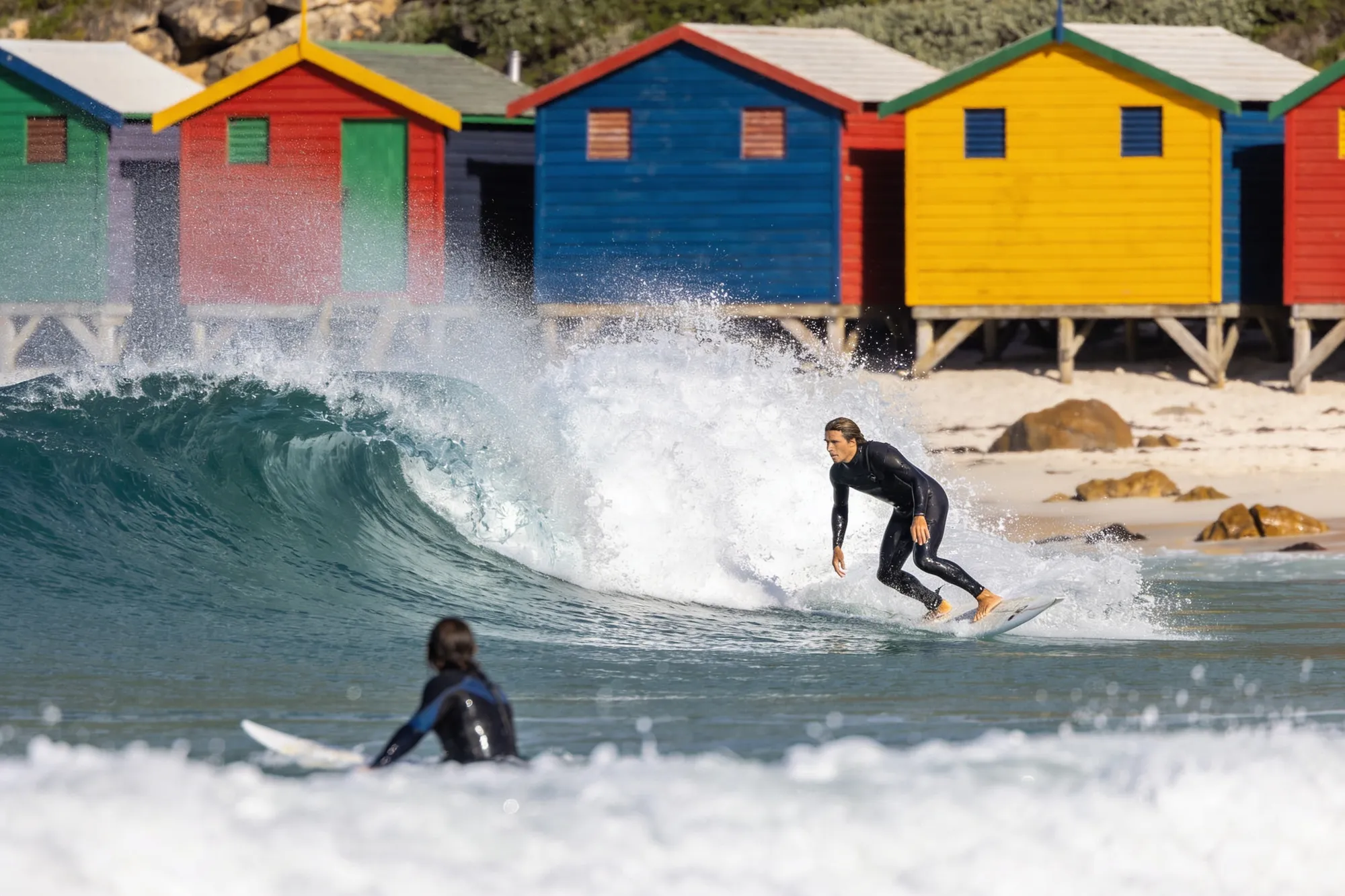
Cape Town's beginner beach
Option 1: Learn at Muizenberg

Cape Town's beginner beach

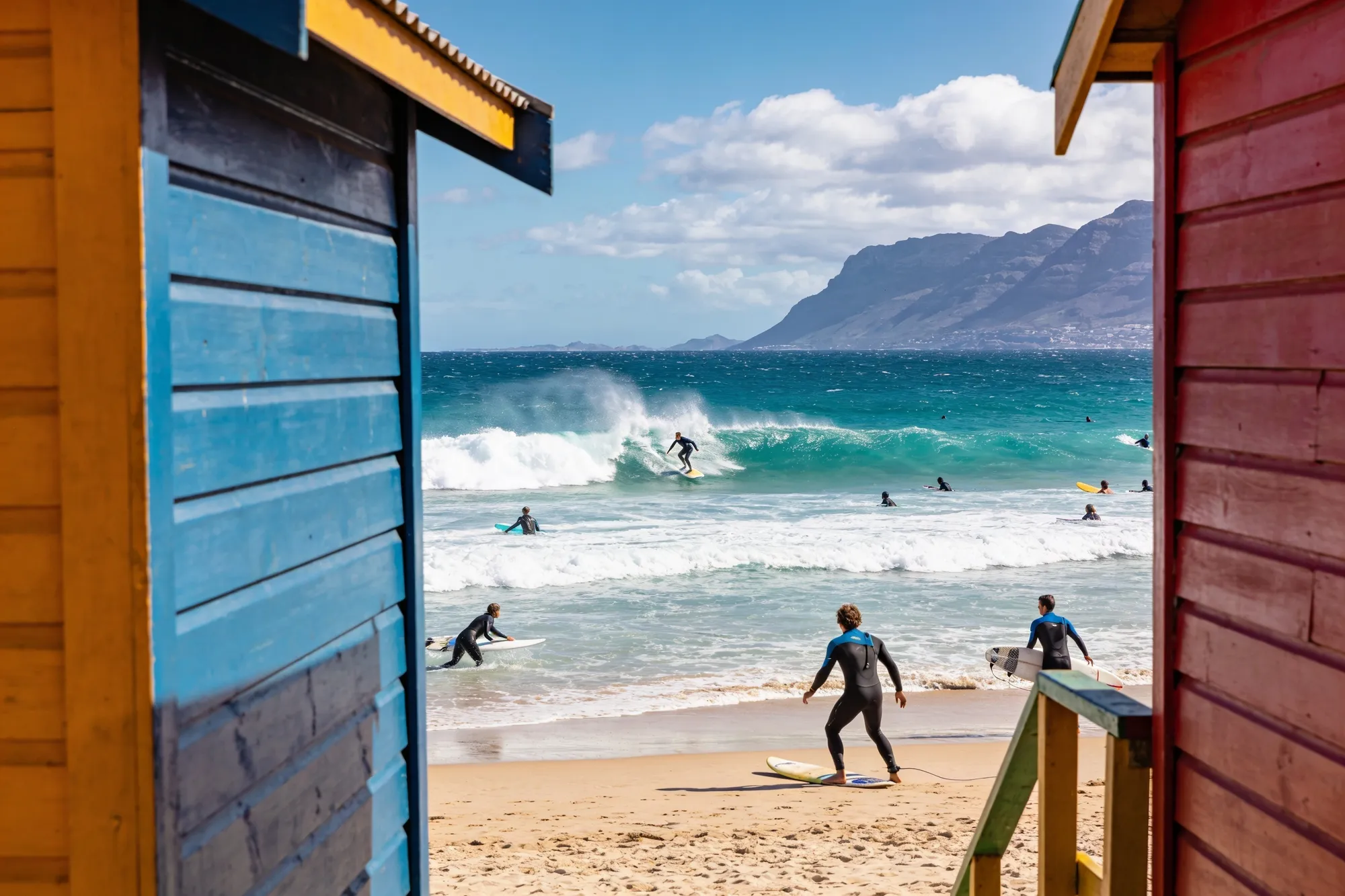
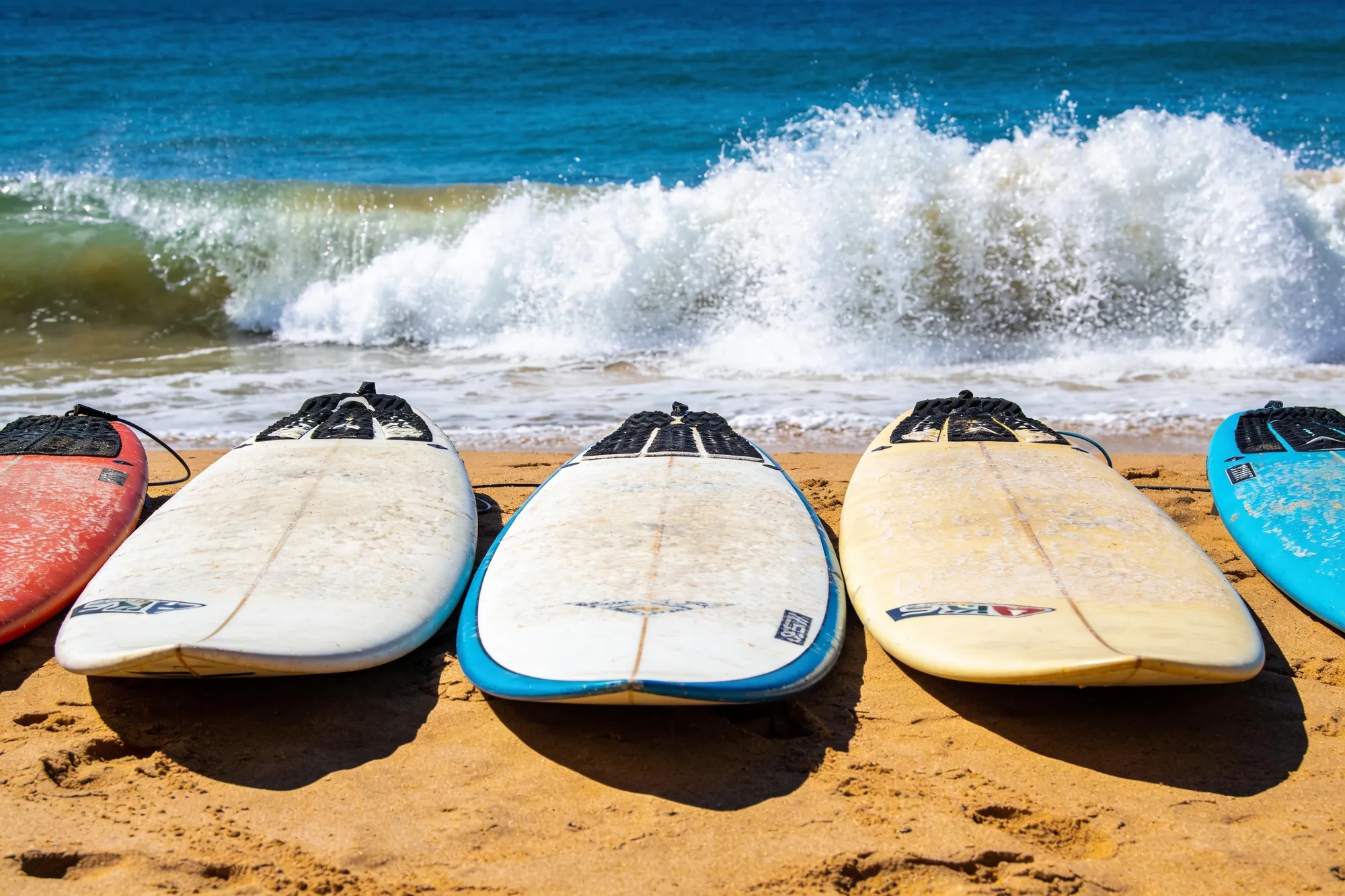
Muizenberg is where most of South Africa first stands up. The wave is a long, gentle, forgiving beach break, the sand bottom is friendly, and Surfer's Corner is lined with schools and board-hire shops below the row of colourful bathing boxes. The water is cold, this is the Atlantic side, so you'll want a wetsuit year-round. For a first lesson or an easy paddle, it's hard to beat anywhere in the country, and it sits a short train or drive from central Cape Town.

BeginnerLessonsCold water
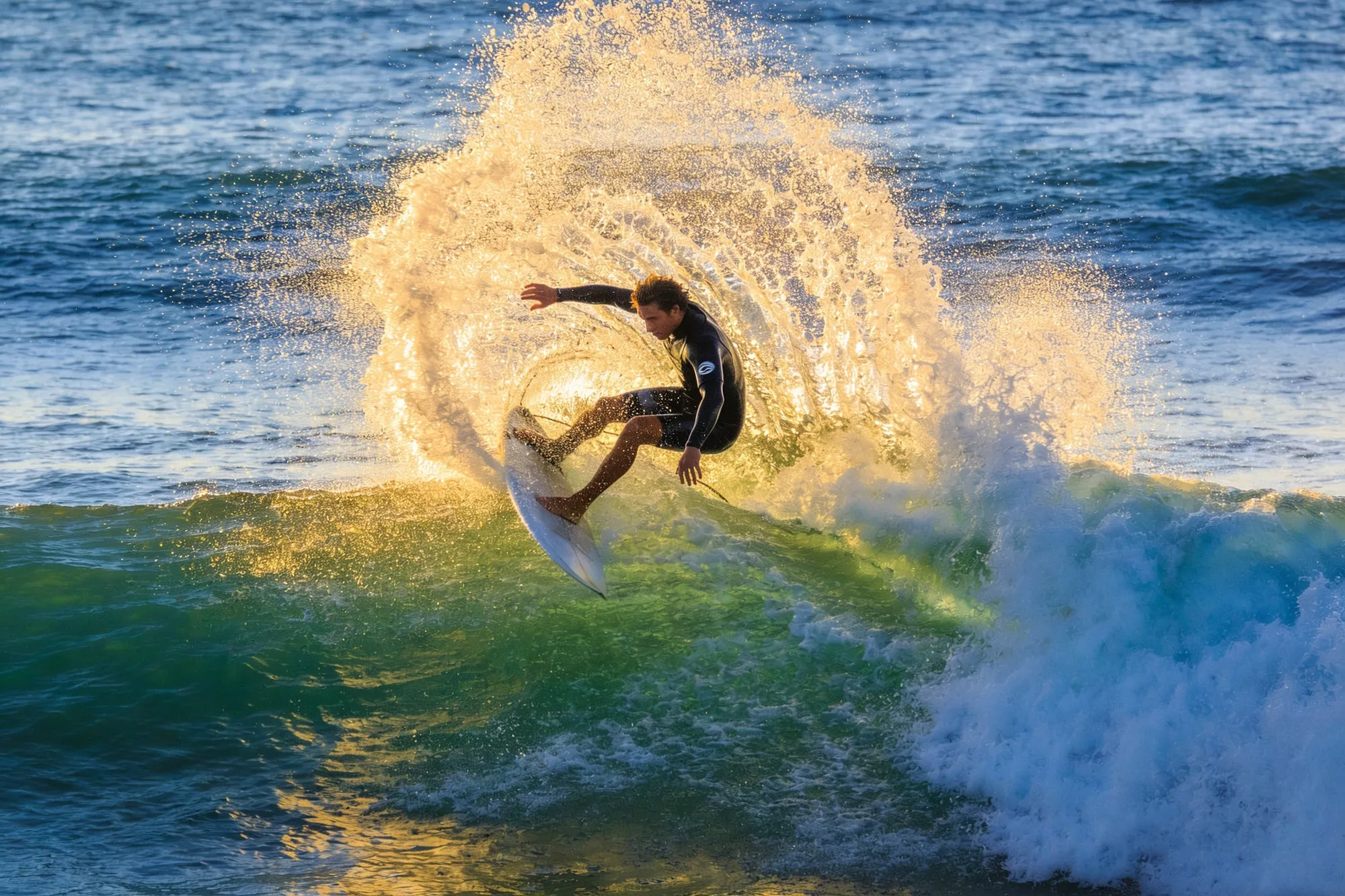
Supertubes, a world-class right
Option 2: Jeffreys Bay for experts

Supertubes, a world-class right

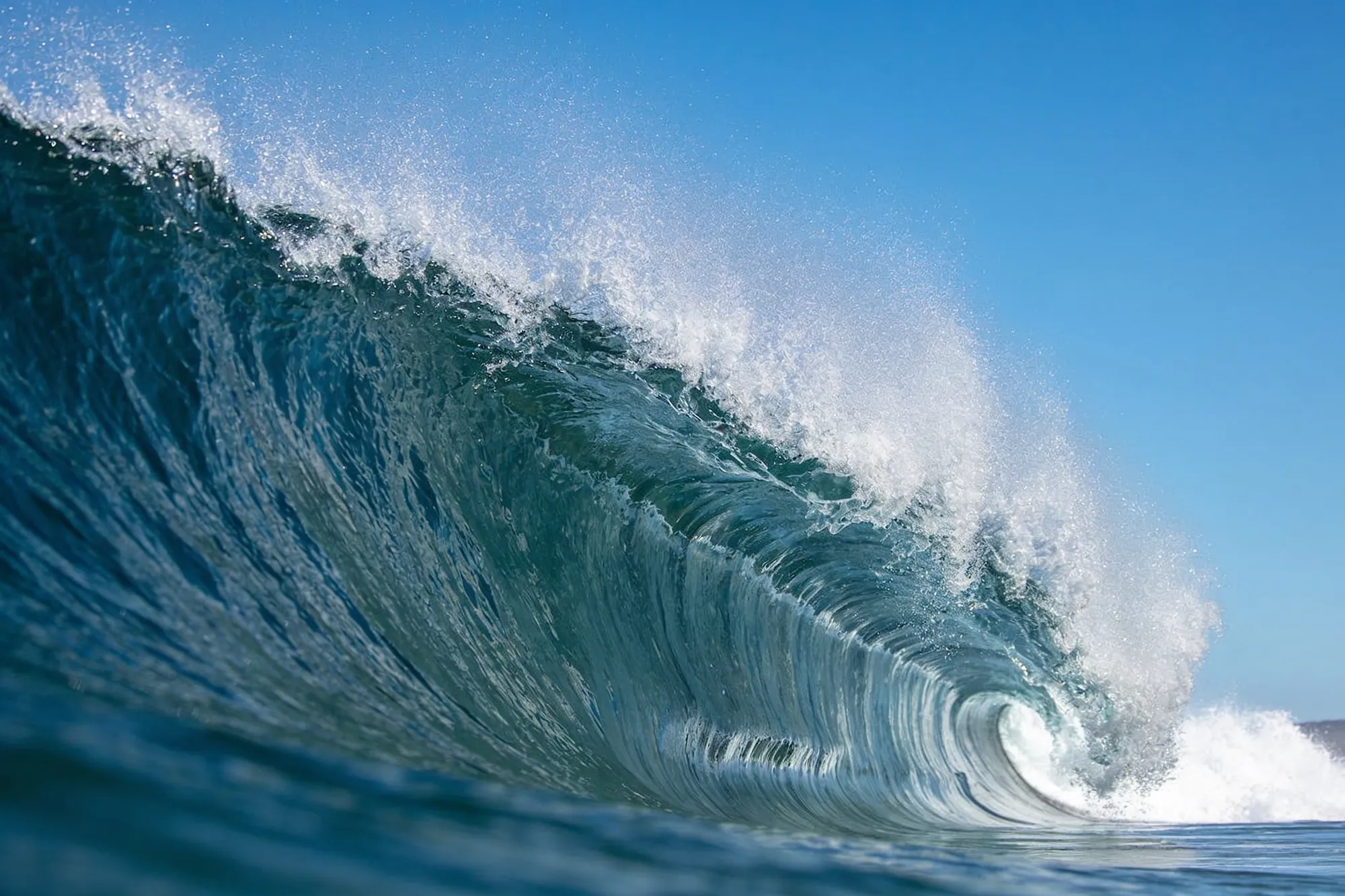
Jeffreys Bay, in the Eastern Cape, holds Supertubes, one of the best and fastest right-hand point breaks on earth. It hosted a World Surf League Championship Tour event for years as the Corona Open J-Bay, though the contest was dropped from the 2026 tour over funding. The wave itself is undimmed, and it remains a serious, fast, crowded barrel for confident surfers only, at its best in the June and July winter swell. Beginners should watch from the dunes and surf the easier beaches nearby.

AdvancedPoint breakWinter swell
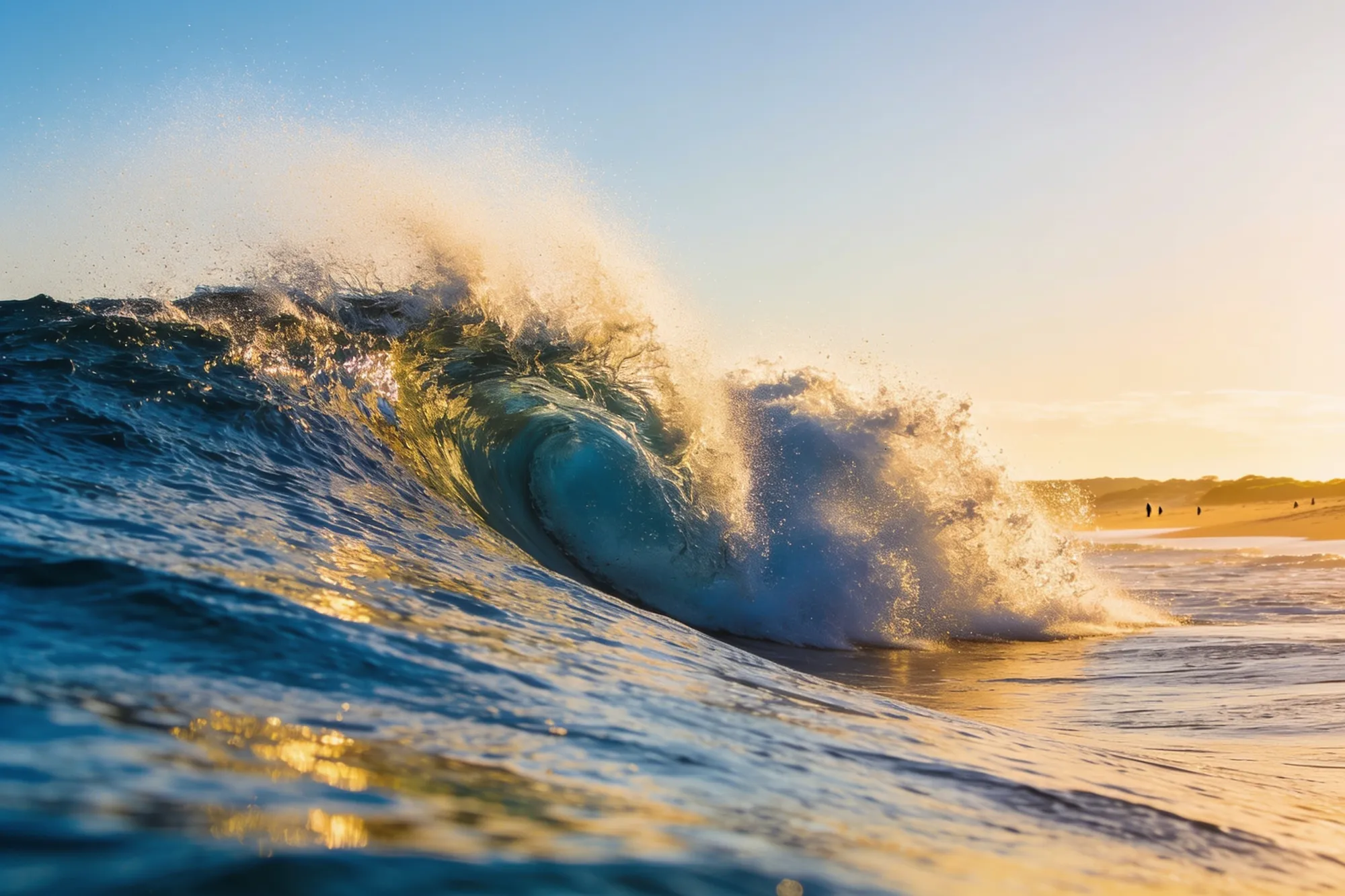
Durban and the Indian Ocean
Option 3: Warm water on the east coast

Durban and the Indian Ocean

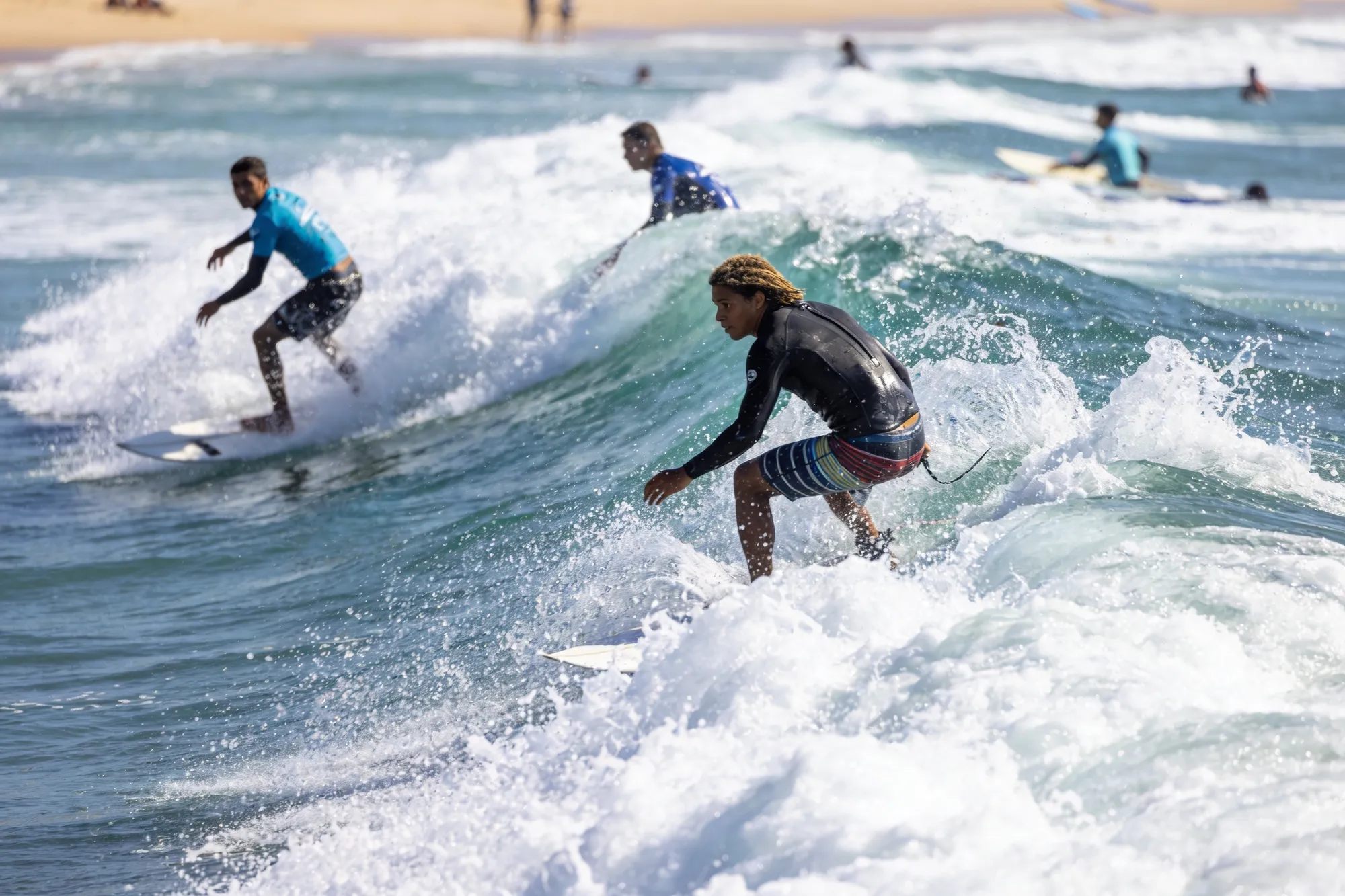
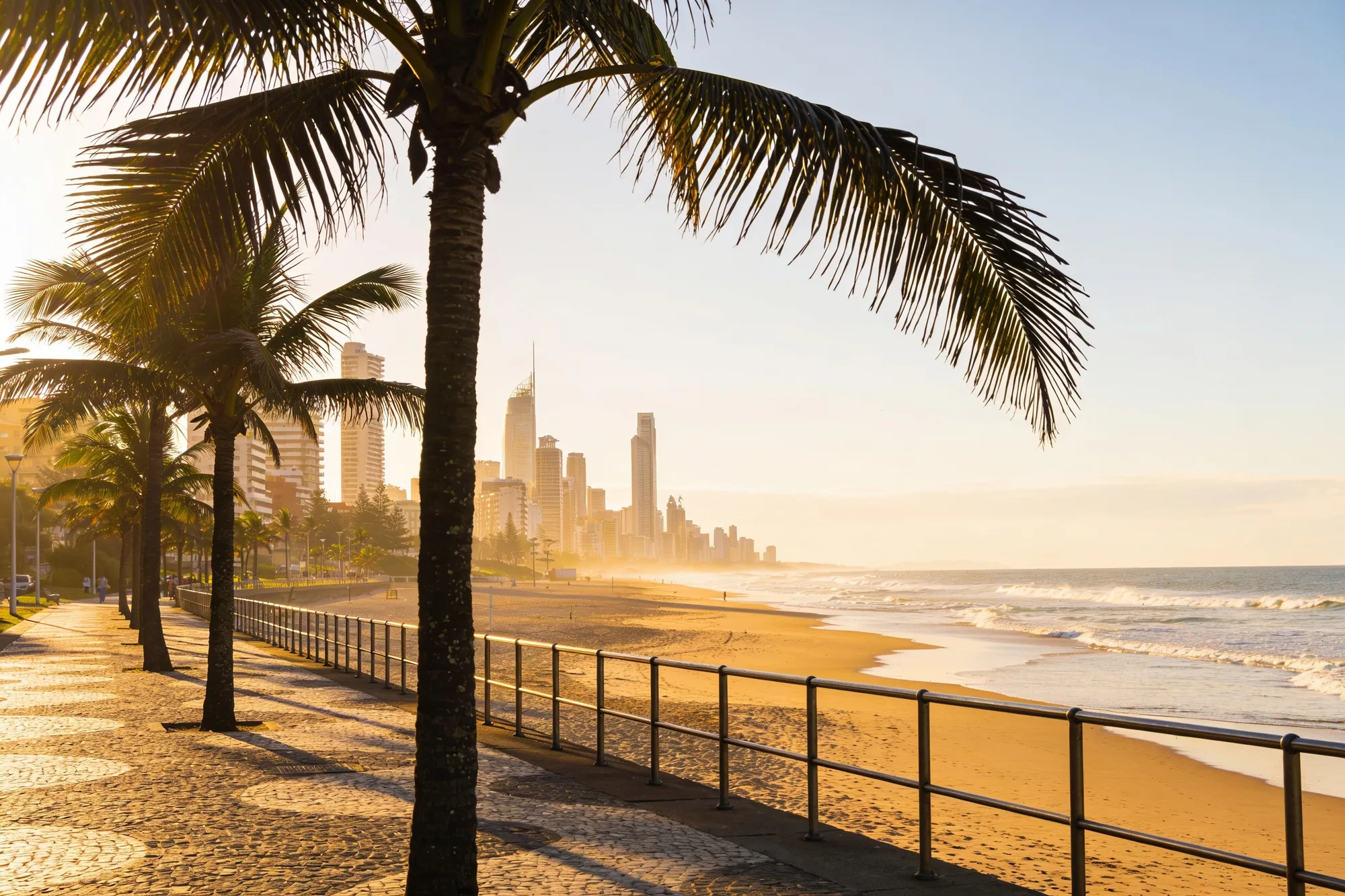
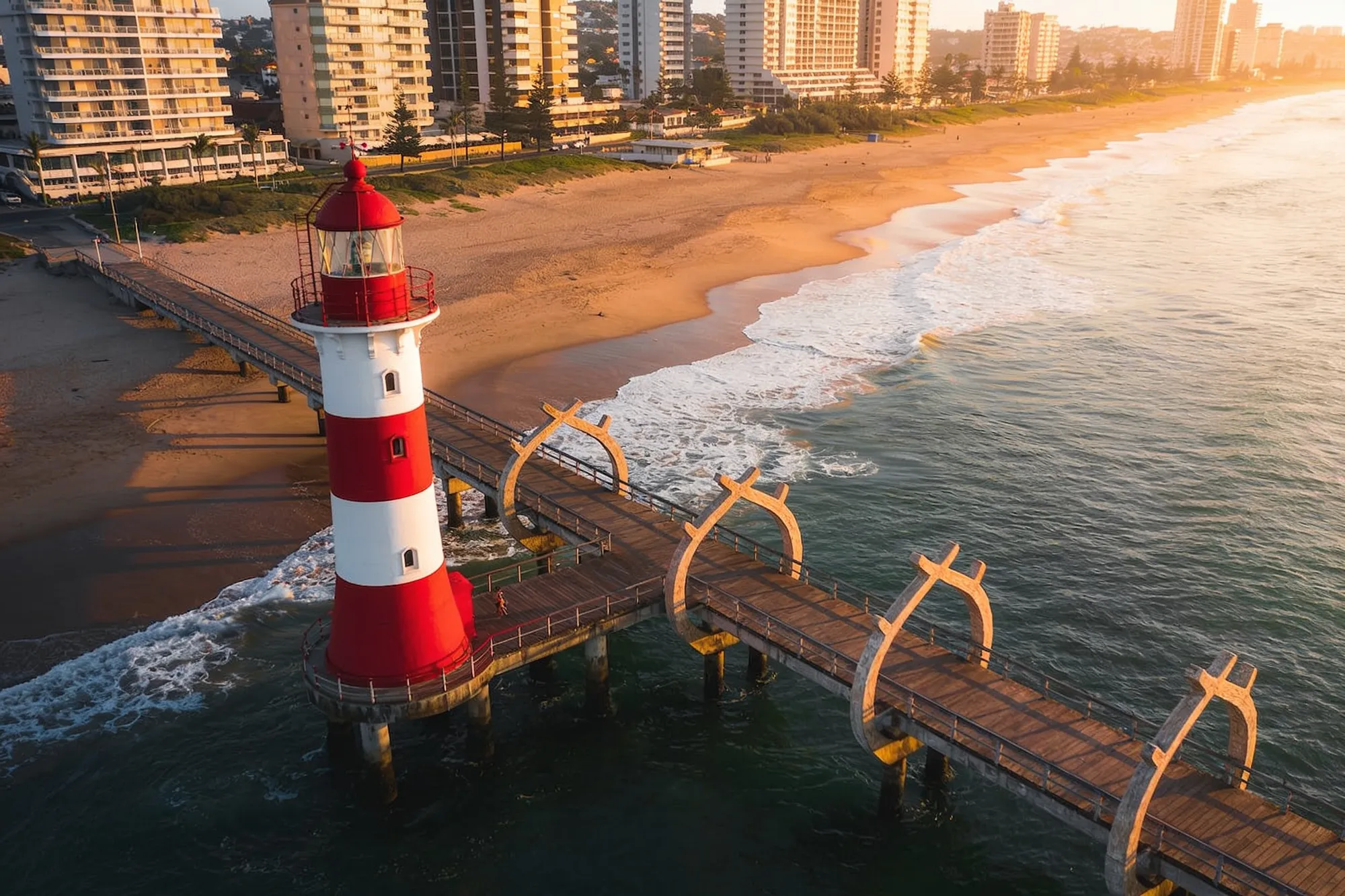
If cold water puts you off, head to Durban. The Indian Ocean here is warm enough to surf in boardshorts most of the year, the beach breaks along the Golden Mile like North Beach are consistent and accessible, and the whole scene is more relaxed than the Cape. Umhlanga just north adds more beaches. This is the most forgiving surf in the country for improvers, and a fine place to keep going after a first Muizenberg lesson.

Warm waterDurbanImprovers
Good to know

Tips to do it well

1

Start at Muizenberg, full stop

If you're learning, don't overthink it. Muizenberg's gentle break, sand bottom and cluster of schools make it the obvious first beach. Book a lesson, hire a soft-top, and you'll be standing by the end of the session.

2

Respect Jeffreys Bay

Supertubes is not a wave to learn on or to drop in at. It's fast, shallow in places and tightly governed by local etiquette. Surf it only if you're genuinely experienced, and surf the nearby beaches if you're not.

3

Bring or rent the right wetsuit

The Atlantic, Cape Town included, is cold all year, so a 3/2 or 4/3 wetsuit is standard. The Indian Ocean side is warm, so boardshorts or a shorty do. Schools and hire shops have suits, but check before you travel.

4

Match the season to the coast

Cape Town's Atlantic spots tend to work best from autumn to spring, roughly April to September. Jeffreys Bay peaks in the June-July winter swell. Durban is the most consistent year-round. Plan the trip around where you're headed.

5

Understand the shark situation

The risk is real but low. In Cape Town, the Shark Spotters programme watches the main beaches and flies a flag system, and white sharks have largely vanished from False Bay in recent years. Follow the flags and local advice and surf with others.

6

Look beyond the famous names

Long Beach at Kommetjie near Cape Town, Cape St Francis next to J-Bay, and Llandudno all hold good waves. Ask at a local shop where's working that day, the conditions move the best spot around.

Plan & book

Ways to experience it

Book a lesson or board hire through our partners, at the same price as booking direct.

Muizenberg surf lesson

A beginner group or private lesson at Muizenberg, board and wetsuit included, the classic first wave.

See Muizenberg lessons →

Cape Town surf lessons

Lessons and surf experiences around Cape Town for first-timers and improvers, with gear provided.

See Cape Town lessons →

Surf lesson & board hire

Guided lessons and board rental options across South Africa's main surf towns.

Book on Viator →

Stay near the surf

Guesthouses and apartments near Muizenberg, J-Bay and Durban's beaches, walking distance to the water.

Find a stay →

We may earn a commission when you book through our partner links — at no extra cost to you.

Find your bearings

Where to go

Make it part of your trip

Build your South Africa trip

Surf is one side of South Africa's coast. See the towns, beaches and wildlife that come with it.

All activities See the itineraries