South Africa runs on 230 volts at 50 hertz, and the only thing that really trips travellers up is the plug. The sockets take large round pins that nothing from the UK or the US fits, so one good adapter is the difference between a charged phone and a flat one. The good news: it’s a single, cheap item, and you’ll use it everywhere.
The voltage: easy for Britons, a catch for Americans
For anyone coming from the UK, the voltage is identical to home (230 V), so there’s nothing to think about beyond the plug shape. Your devices run exactly as they do in Britain, and you only need a plug adapter.
For US travellers it’s a little different, because the States run on 120 V. Most modern electronics handle both: check the small print on the charger, and if it reads “100–240 V” (true of nearly all phone, tablet, laptop and camera chargers) it works fine in South Africa with just a plug adapter. The catch is single-voltage appliances built for 120 V only, typically hair dryers, straighteners and some shavers: plugged into 230 V they can overheat or burn out. Leave those at home and use what the hotel provides, or pack a dual-voltage travel version. A full voltage converter is heavy and rarely worth it for a holiday. The 50 Hz versus 60 Hz difference, meanwhile, doesn’t matter for anything you’re likely to carry.
The plugs: three types, one to plan for
South Africa has more than one socket, which is why a universal adapter beats a single-country one.
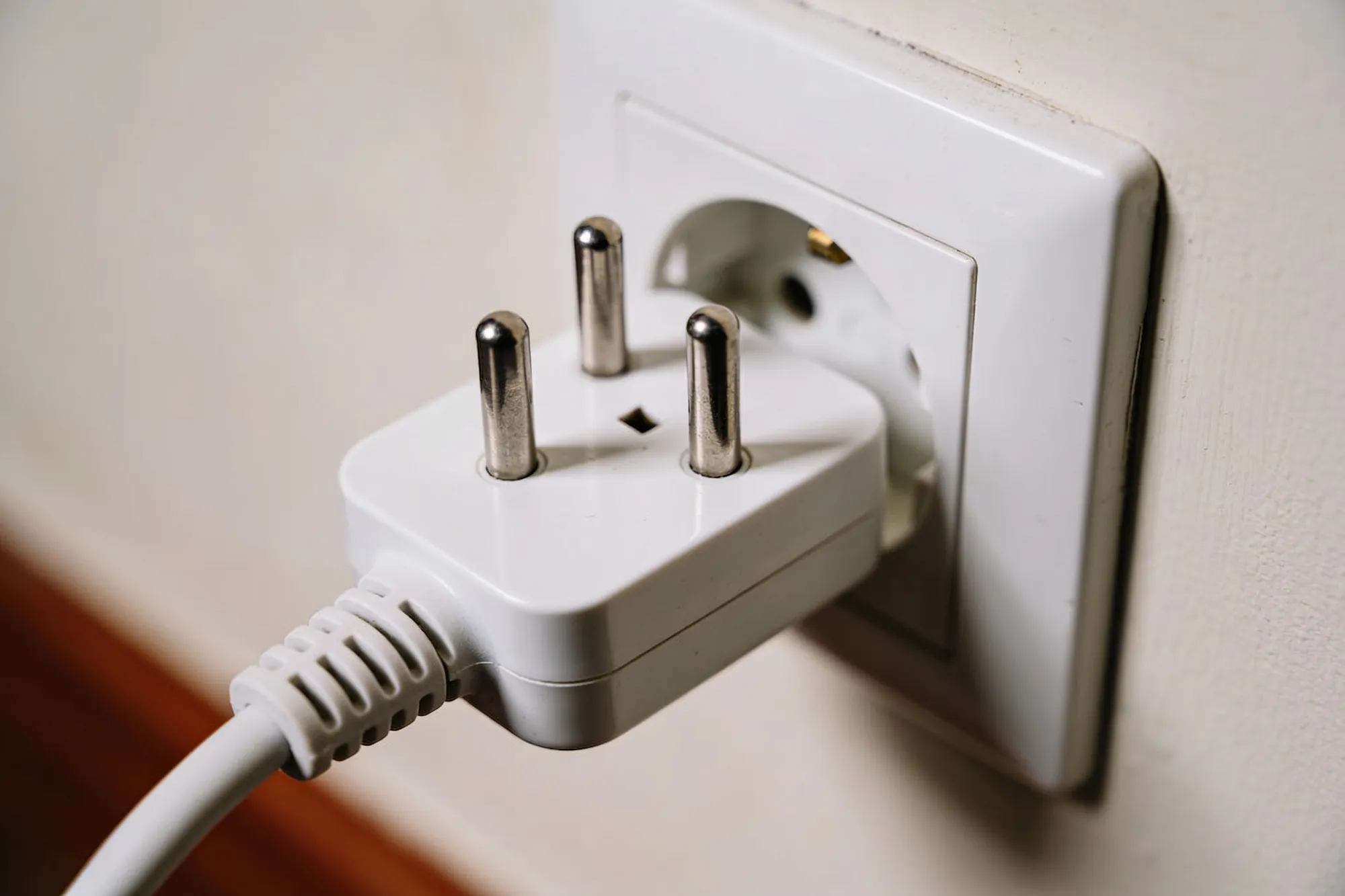
- Type M is the classic South African plug, with three large round pins in a triangle. It’s the one you’ll see most, and the one to make sure your adapter covers. Nothing from Britain, Europe or the US fits it without help.
- Type D is a smaller three-round-pin plug, common on lamps and smaller appliances.
- Type N is the newer national standard, now required in every new installation. It’s slimmer, and it usefully accepts the European two-pin “Europlug” as well, so some newer sockets will take a small two-pin charger directly. You still can’t rely on finding one, so bring the adapter.
What to pack
A universal travel adapter that explicitly lists Type M (the big three-pin) is all most people need. Add two things and you’re set for the whole trip:
- A multi-port USB adapter, or one travel adapter with built-in USB-A and USB-C, so a single socket charges several devices at once.
- A small power strip or multi-plug from home. Plug the strip into your one adapter and you can charge the whole family’s phones, a laptop and a camera from a single wall socket. South African multi-plugs are easy to buy locally too, and most take Europlugs and USB.
A British three-pin and an American two-pin will not fit South African sockets, and hotels can’t always lend you an adapter, so bring your own rather than count on it.
Out in the lodges and on safari
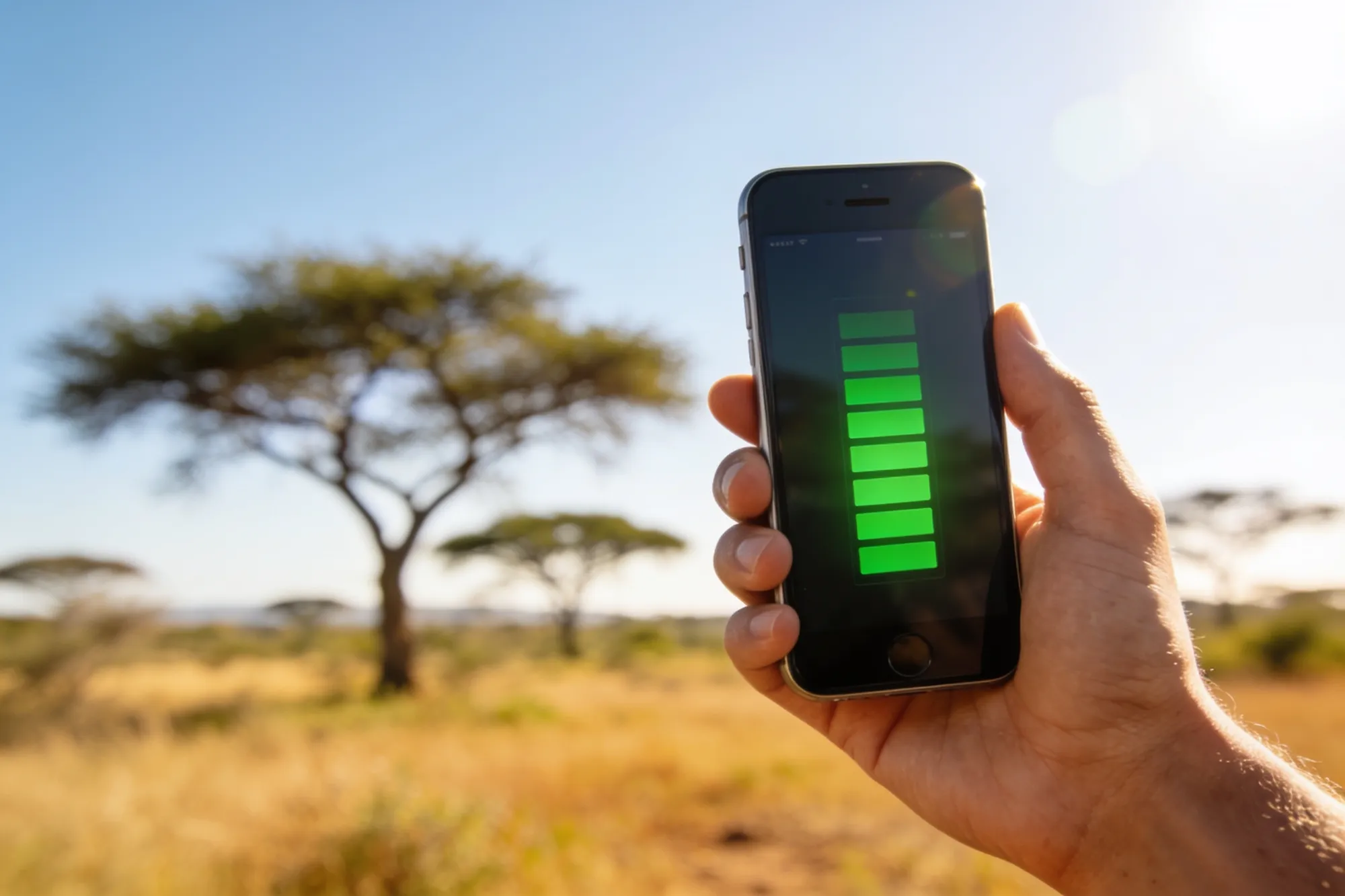
In cities and most hotels, power is exactly what you’d expect, and newer places increasingly have USB points and universal sockets by the bed. Remote safari camps and bush lodges are the exception: some run on solar or a generator with set hours, and a few ask you not to charge heavy devices in the rooms. It’s worth carrying a power bank so a camera or phone never runs flat between charges, and topping up whenever you’re near a socket.
A word on load-shedding, the scheduled power cuts South Africa was once known for: they have largely ended, with the country going most of 2025 and 2026 without them, so it’s no longer the daily concern it used to be. Even so, a power bank is cheap insurance, and many hotels and lodges run battery or inverter backup that keeps the lights and the Wi-Fi on regardless.
The short version: bring one universal adapter that covers Type M, plus a multi-USB or a small power strip to charge everything from it. UK devices just need the adapter. US travellers should check chargers read "100–240 V" and leave 120 V-only hair dryers and straighteners at home. Add a power bank for safari, and you're covered.
Sort the rest of your prep
Compare flights and lock in your dates while you're planning the practical details.